
Does your dog repeatedly scratch at your bed, leaving behind a trail of displaced blankets and perhaps a bit of mystery? The answer to why does my dog scratch my bed often lies in a combination of instinct, comfort, and communication. Dogs scratch and burrow in blankets, a behavior often referred to as dog burrowing in bed or dog nesting behavior, for several compelling reasons. They might be trying to make their sleeping spot more comfortable, signaling their affection, or even expressing anxiety. This article delves into the most frequent causes of this behavior and offers practical solutions to manage it.
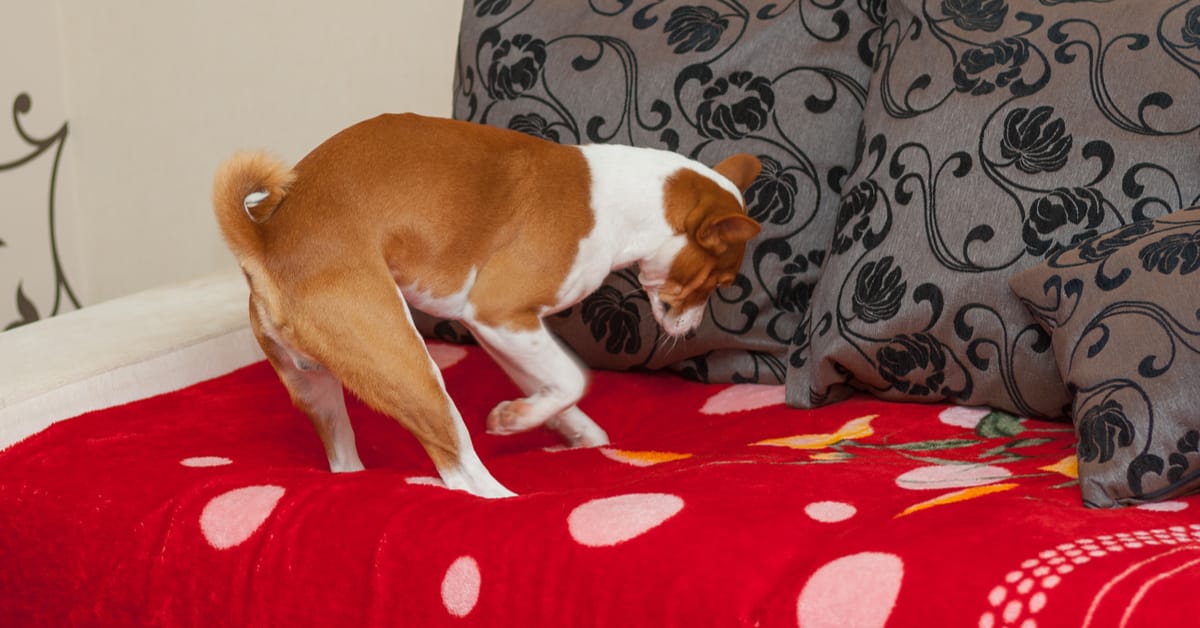
Image Source: outwardhound.com
Deciphering the Scratching: Instinctual Drives at Play
At its core, your dog’s scratching behavior is deeply rooted in instinct. These actions are not random acts of destruction but rather echoes of their wild ancestors.
The Ancestral Echo: Wild Canine Roots
Long before domestication, wolves and wild canids would prepare a sleeping area. This involved circling, digging, and flattening grass or other ground cover to create a comfortable, safe, and warm den. This instinct is still very much alive in our domestic pets.
- Creating a Den: Scratching can be an attempt to create a cozy, den-like environment. Even though your bed is already soft, the act of digging and rearranging can be deeply satisfying and comforting. This is a primal need for security.
- Temperature Regulation: In the wild, digging could help dogs reach cooler soil in hot weather or create a warmer, insulated nest in the cold. While your home is likely climate-controlled, this instinct might still manifest.
- Clearing Debris: Ancestors might have scratched to clear away any small stones, twigs, or other irritants that could disturb their sleep.
What is Dog Nesting Behavior?
Dog nesting behavior is a broad term encompassing the actions dogs take to prepare a sleeping space. This includes circling, digging, scratching, and burrowing. It’s a natural and often endearing display of their instincts.
More Than Just Instinct: Other Contributing Factors
While instinct is a major player, several other factors can influence why your dog chooses your bed as their scratching post.
The Comfort Quest: Trying to Make the Bed Comfortable
Your dog isn’t just scratching randomly; they are often actively trying to make their sleeping space more comfortable. This is closely related to dog trying to make bed comfortable.
- Perfecting the Spot: They might be trying to fluff up pillows, create a divot to rest their head in, or arrange blankets just so. This can be especially true if they are still settling into a new bed or environment.
- Temperature Adjustment: Even with central heating or air conditioning, a dog might feel too warm or too cool. Scratching can help them expose cooler bedding or burrow deeper for warmth.
Affection and Connection: Dog Kneading and Digging
Sometimes, the scratching is a sign of affection and bonding. This can manifest as dog kneading blankets, a behavior also seen in puppies when nursing.
- Affectionate Pawing: When dogs knead with their paws, it’s often a sign of contentment and love. They might gently push or “dig” into the blankets as a way to show they feel safe and happy with you. This is a carry-over from puppyhood where kneading stimulated milk flow from their mother.
- Bonding Ritual: This behavior can be a way for them to feel closer to you, especially if they associate your scent with comfort and safety.
Marking Territory: The Subtle Scent Signals
Dogs possess scent glands in their paws. Scratching can be a way for them to leave their scent, a subtle form of territorial marking. This relates to dog marking territory bed.
- Scent Glands in Paws: When your dog scratches, they deposit their unique scent onto the bedding. This marks the area as theirs and can be a comforting signal to them that their territory is secure.
- Ownership Assertion: While it’s unlikely they are trying to “claim” your bed in a competitive way, it’s more about making the space feel familiar and owned by them, reinforcing their sense of security within the household.
Emotional States: Anxiety and Stress Triggers
For some dogs, scratching can be an outlet for pent-up emotions, particularly anxiety or stress. This is where dog anxiety scratching bed comes into play.
- Coping Mechanism: If a dog is feeling anxious due to separation, loud noises, or changes in routine, scratching can be a way for them to self-soothe and release nervous energy.
- Anticipation: Sometimes, dogs scratch as they anticipate your return or a specific event. It can be a manifestation of excitement mixed with a touch of anxiety about what’s to come.
- Obsessive-Compulsive Behavior: In some cases, excessive scratching can be a sign of a more serious behavioral issue like obsessive-compulsive disorder, especially if it’s accompanied by other repetitive behaviors.
Boredom and Energy Release: When Idle Paws Get Busy
A lack of mental and physical stimulation can lead to destructive or restless behavior, including excessive bed scratching. This is often linked to dog boredom scratching bed.
- Seeking Engagement: If a dog isn’t getting enough exercise or mental enrichment, they might turn to activities like scratching to entertain themselves and burn off excess energy.
- Frustration: Boredom can lead to frustration, and scratching can be an outlet for this feeling. It’s their way of saying, “I need something to do!”
Teething Troubles: Puppies and the Need to Chew/Scratch
Young puppies often exhibit scratching behavior related to teething. This is where dog teething scratching bed is relevant.
- Soothing Gums: As puppies’ adult teeth begin to emerge, their gums can become sore and itchy. Scratching on soft surfaces like blankets can provide some relief by gently massaging their gums.
- Exploration: Puppies explore the world with their mouths and paws. Scratching is a natural way for them to investigate textures and surfaces.
Restlessness and Discomfort: Dog Restless in Bed
When a dog is dog restless in bed, it can be a precursor to scratching or digging. This restlessness itself can have underlying causes.
- Physical Discomfort: The dog might be experiencing an itch, a joint ache, or simply can’t find a comfortable position. Scratching might be an attempt to alleviate this discomfort.
- Environmental Changes: New sounds, smells, or even the temperature of the room can make a dog feel unsettled, leading to restlessness and subsequent scratching.
Identifying the “Why”: Observation is Key
To effectively address the scratching, you first need to pinpoint the likely cause. Observe your dog’s behavior closely.
When Does the Scratching Occur?
- Before Settling Down: Is it happening as they are trying to get comfortable before sleep? This might point to nesting or temperature regulation.
- When Left Alone: Does it increase when you leave the house? This could be a sign of separation anxiety.
- After Specific Events: Does it happen after a loud noise or a change in their routine? This might indicate stress or anxiety.
- During the Day: Is it sporadic throughout the day, especially if they haven’t had much exercise? This could be boredom.
What Else is Your Dog Doing?
- Whining or Pacing: These often accompany anxiety-driven scratching.
- Excessive Licking or Chewing: This can also be a sign of stress or boredom.
- Tail Wagging (or Tucked Tail): The context of their body language is crucial.
- Chewing on Bedding: This is different from scratching but can also stem from boredom or teething.
Solutions for Managing Bed Scratching
Once you have a better idea of why your dog is scratching, you can implement targeted solutions.
Addressing Instinctual Needs and Comfort Seeking
Providing Appropriate “Digging” Outlets
This is particularly relevant if you suspect why dog digs blankets is purely instinctual.
- Digging Box: Create a designated “digging box” outdoors using sand or loose soil. Bury toys or treats to encourage digging in this approved location.
- Snuffle Mats and Puzzle Toys: These can provide mental stimulation and satisfy the urge to “work” for rewards, diverting their attention from your bed.
- Tug Toys: For puppies, durable chew toys can help with teething and satisfy the urge to gnaw and “work” their jaws.
Enhancing Bed Comfort
If your dog is trying to make bed comfortable, you can help them out.
- Create a Cozy Den: Provide a comfortable dog bed with soft blankets and perhaps a bolster to lean against. Some dogs feel more secure in enclosed “den-like” beds.
- Introduce Familiar Scents: Place a blanket that smells like you or another familiar, comforting item in their bed.
- Positive Reinforcement: Praise your dog when they settle calmly in their own bed.
Managing Anxiety and Stress
For dog anxiety scratching bed, addressing the underlying anxiety is key.
- Routine and Predictability: Maintain a consistent daily routine for feeding, walking, and playtime.
- Gradual Desensitization: If separation anxiety is suspected, gradually accustom your dog to being alone for short periods, slowly increasing the duration.
- Calming Aids: Consider calming pheromone diffusers, anxiety wraps (like ThunderShirt), or consulting with a veterinarian or certified professional dog trainer about calming supplements or behavioral modification techniques.
- Exercise and Mental Stimulation: A tired dog is a well-behaved dog. Ensure sufficient daily exercise and engaging mental activities.
Combating Boredom
When dog boredom scratching bed is the culprit:
- Increase Exercise: More walks, runs, or play sessions can tire them out.
- Mental Enrichment: Puzzle feeders, training sessions, scent games, and new experiences can keep their minds active.
- Interactive Toys: Toys that dispense treats or require problem-solving can be highly engaging.
Handling Teething Puppies
For dog teething scratching bed:
- Puppy-Specific Chew Toys: Offer a variety of safe and appropriate chew toys, including those designed for teething, like chilled teething rings.
- Frozen Treats: Offer frozen unsweetened yogurt or pureed fruit in a KONG toy to soothe sore gums.
- Redirect: If you catch your puppy scratching inappropriately, gently redirect them to a chew toy.
Addressing Restlessness
If your dog is dog restless in bed:
- Rule out Medical Issues: Persistent restlessness could indicate pain or discomfort. A vet check-up is recommended.
- Comfortable Sleeping Surface: Ensure their bed is comfortable and supportive. Older dogs may benefit from orthopedic beds.
- Environmental Adjustments: Make sure their sleeping area is quiet, dark, and at a comfortable temperature.
What Not To Do
It’s equally important to know what to avoid when your dog scratches your bed.
Avoid Punishment
- No Scolding After the Fact: Punishing your dog long after the scratching has occurred is ineffective and can increase anxiety. Dogs live in the moment and won’t connect the punishment to the past behavior.
- Avoid Physical Punishment: This can damage your bond with your dog and create fear and aggression.
Don’t Ignore Persistent Problems
If the scratching is excessive, causing damage, or accompanied by other concerning behaviors, seek professional help.
When to Seek Professional Help
While many scratching behaviors are normal or can be managed with simple adjustments, there are times when professional intervention is necessary.
- Severe Anxiety or Compulsive Behavior: If the scratching appears to be a compulsive behavior or is directly linked to severe separation anxiety or phobias.
- Destructive Behavior: If the scratching is causing significant damage to your furniture or bedding and is not resolved by basic management.
- Sudden Onset: If the scratching behavior suddenly appears in an older dog or is accompanied by other changes in behavior that might indicate a medical issue.
A veterinarian can rule out any underlying medical conditions contributing to restlessness or discomfort. A certified professional dog trainer or veterinary behaviorist can provide tailored behavior modification plans and strategies.
Frequently Asked Questions (FAQ)
Q1: My dog digs blankets, is this normal?
Yes, why dog digs blankets is often related to instinctual nesting behavior. Dogs do this to create a comfortable sleeping space, much like their wild ancestors. It can also be a sign of contentment or an attempt to regulate temperature.
Q2: My dog is always digging in my bed; what can I do?
If your dog is dog burrowing in bed, try providing them with their own comfortable bed and redirecting the behavior to appropriate outlets like puzzle toys or a digging box. Ensure they are getting enough exercise and mental stimulation to prevent boredom.
Q3: Can my dog be marking its territory on my bed?
Yes, dogs have scent glands in their paws, and scratching can be a way of depositing their scent. This is known as dog marking territory bed. It’s usually a sign of comfort and security in their space, not aggression.
Q4: My dog seems restless in bed and scratches a lot. What’s causing it?
If your dog is dog restless in bed and scratching, it could be due to several reasons: physical discomfort, a need to adjust temperature, anxiety, boredom, or simply trying to get comfortable. Observe their other behaviors and the timing of the scratching to help determine the cause.
Q5: My puppy is scratching my bed. Is it because of teething?
It’s very possible. Dog teething scratching bed is common as puppies explore and try to soothe their sore gums by gnawing and scratching on soft surfaces. Provide appropriate chew toys to redirect this behavior.
Q6: My dog kneads blankets before sleeping, why?
The behavior of dog kneading blankets is often a carry-over from puppyhood, where it was used to stimulate milk flow from their mother. In adult dogs, it’s usually a sign of deep contentment, affection, and feeling safe and comfortable.
Q7: How can I stop my dog from scratching my bed if it’s due to boredom?
To address dog boredom scratching bed, increase their physical exercise and provide more mental enrichment. Puzzle toys, training sessions, scent games, and interactive play can help tire them out and keep their minds engaged, reducing the likelihood of destructive or restless behavior.
Q8: My dog scratches my bed when I leave. Could it be separation anxiety?
Yes, if the scratching occurs primarily when you are absent, it can be a symptom of dog anxiety scratching bed, specifically separation anxiety. Look for other signs like whining, pacing, or destructive behavior when you’re gone. Addressing separation anxiety requires a gradual approach, often with professional guidance.
Q9: Can I train my dog to stop scratching my bed?
Yes, through positive reinforcement and redirecting the behavior to appropriate outlets, you can train your dog to stop scratching your bed inappropriately. Focus on rewarding good behavior and managing the environment to prevent the unwanted behavior.
Q10: My dog is digging blankets and making a mess. How can I deter this?
If your dog digs blankets excessively, you might need to limit their access to the bed when unsupervised or provide alternative, approved digging activities. Ensure their own bed is appealing and comfortable, and consider redirecting their energy with toys and exercise.
By delving into the instincts and emotional states that drive your dog’s actions, you can effectively address the scratching behavior and foster a more peaceful coexistence for both you and your furry companion.