
If you’ve ever witnessed your dog dragging their bottom across the floor, you’re likely wondering, “Why is my dog scooting their butt?” This common scooting behavior often signals an underlying issue, ranging from simple irritation to more serious medical conditions. The most frequent reasons for a dog scooting their rear end include blockages or inflammation of the anal glands, the presence of intestinal parasites, allergic reactions, skin irritations, or even behavioral issues.
Many dog owners find this particular behavior quite concerning, and for good reason. While it might seem like a quirky habit, dog scooting on rug or any other surface is a clear sign that something is amiss with your canine companion’s hindquarters. It’s crucial to identify the root cause to provide your dog with the necessary relief and prevent potential complications. This comprehensive guide will delve into the various reasons behind dog dragging bottom and what you can do about it.
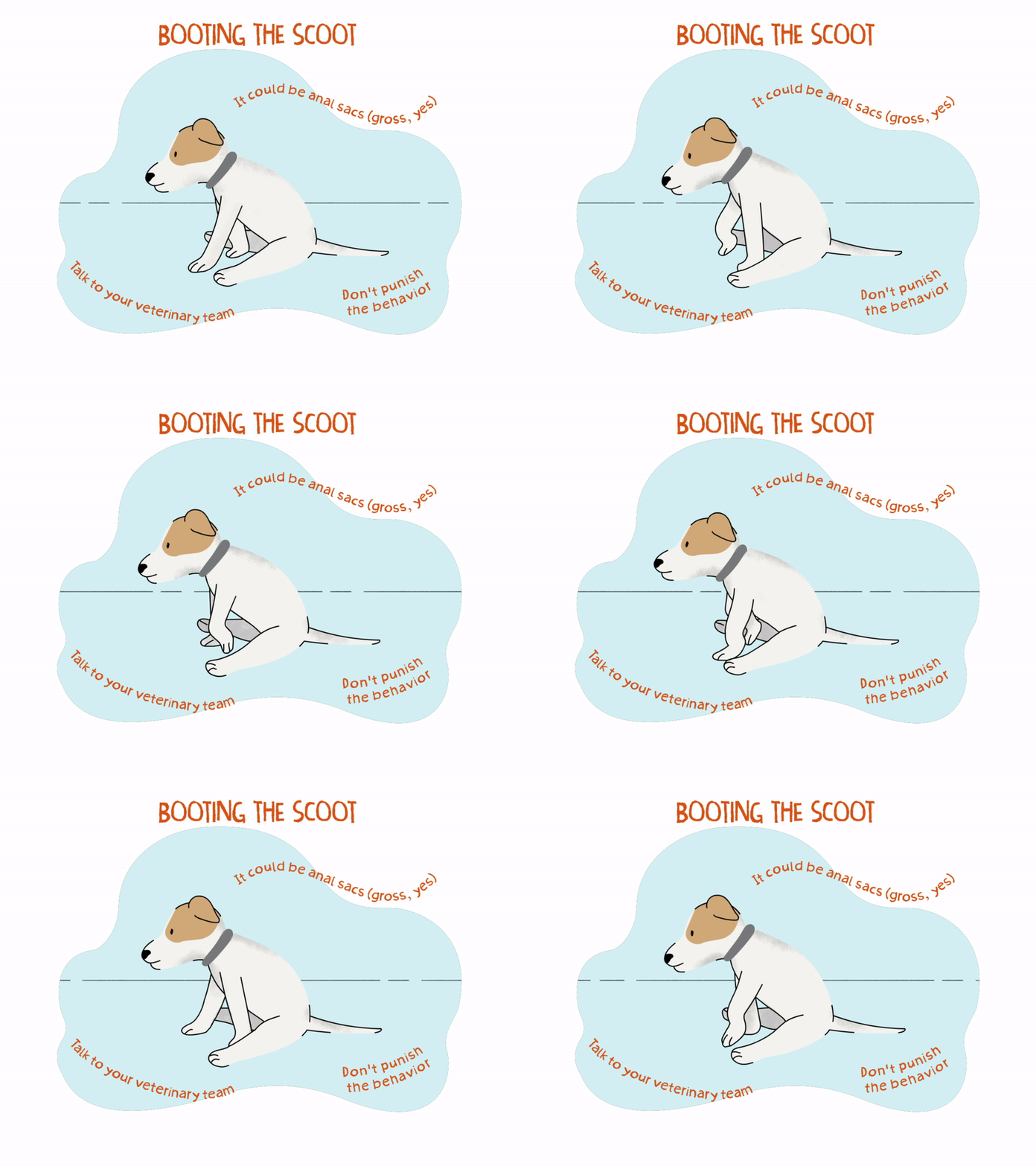
Image Source: www.banfield.com
Deciphering the Reasons for Dog Scooting
When a dog scoots its rear, it’s essentially trying to relieve an itch, discomfort, or pressure in that area. Think of it as a dog’s way of saying, “Something is not right down there, and I need to scratch it!” This scooting behavior is involuntary and often quite vigorous, as they drag their rear across surfaces like carpets, grass, or hardwood floors.
Several factors can contribute to this discomfort. Let’s explore the most common ones in detail.
Anal Gland Issues: A Primary Culprit
The anal glands, also known as anal sacs, are small sacs located on either side of a dog’s anus, at about the 4 and 8 o’clock positions. These glands produce a strong-smelling fluid that is normally expressed during defecation, acting as a territorial marker and lubricant. However, when these glands become impacted, inflamed, or infected, they can cause significant discomfort, leading to the characteristic scooting.
Anal Gland Expression and Impaction
Anal gland expression is a process where the contents of these sacs are expelled. Many dogs, especially smaller breeds, can have issues with their anal glands.
- Impaction: This occurs when the sacs don’t empty properly. The fluid can thicken, leading to a buildup of pressure. This pressure causes discomfort and irritation, prompting the dog to scoot. You might notice your dog licking or biting their rear end more frequently as well.
- Inflammation (Anal Sacculitis): Impaction can lead to inflammation of the anal sacs. This inflammation can be very painful and can even lead to secondary infections.
- Infection: If impacted anal glands aren’t treated, they can become infected by bacteria. This can result in the formation of an abscess, which is a painful collection of pus. An abscess can rupture, creating a draining wound that requires immediate veterinary attention.
Symptoms of Anal Gland Problems:
- Scooting behavior: The most obvious sign.
- Excessive licking or biting at the rear end: Your dog is trying to alleviate the discomfort.
- Pain when defecating: You might notice your dog straining or yelping during bowel movements.
- Redness or swelling around the anus: A visual indicator of inflammation or infection.
- A foul or fishy odor emanating from the rear end: This is a hallmark sign of anal gland issues.
- Blood or pus in the stool or on the bedding: Indicates a ruptured abscess or severe inflammation.
Can I Express My Dog’s Anal Glands Myself?
While it is possible to learn how to perform anal gland expression at home, it is generally recommended to have a veterinarian or a professional groomer do it, especially if you are not experienced. Incorrect technique can cause pain, further damage, or even rupture the glands. A vet can also assess the condition of the glands and check for any underlying infections or abnormalities.
Intestinal Parasites: The Unseen Invaders
Intestinal worms are a common cause of discomfort in dogs, particularly in puppies. Certain parasites, like tapeworms, can cause anal irritation.
- Tapeworms: These segmented worms attach to the intestinal wall and absorb nutrients. When a tapeworm matures, it sheds segments filled with eggs. These segments can migrate to the anal area, causing intense itching. You might even see small, rice-like segments in your dog’s stool or around their anus. This irritation will naturally lead to dog scooting after defecation as the dog attempts to dislodge these irritating segments.
- Roundworms and Hookworms: While less directly associated with scooting than tapeworms, severe infestations of other intestinal parasites can cause diarrhea, anal irritation, and general discomfort, indirectly leading to scooting.
Detecting Parasites:
- Visual inspection of stool: Look for worms or rice-like segments.
- Fecal examination: A veterinarian can perform a fecal floatation test to identify parasite eggs.
- Weight loss and poor coat condition: Signs of a significant worm burden.
Allergic Reactions: A Common Cause of Itching
Allergies are a frequent cause of skin irritation and itching in dogs, and the anal area is no exception. Allergens can be environmental, food-related, or even caused by flea bites.
- Food Allergies/Intolerances: Certain ingredients in a dog’s diet can trigger an allergic reaction, leading to widespread itching, often concentrated around the rear end, paws, and face. If your dog is experiencing itchy bottom dog symptoms that coincide with dietary changes or the introduction of new foods, allergies might be the cause.
- Environmental Allergies (Atopy): Dogs can be allergic to pollens, molds, dust mites, and other environmental factors. These allergies can manifest as itchy skin, including the anal region.
- Flea Allergy Dermatitis: This is an allergic reaction to flea saliva. Even a single flea bite can cause intense itching, licking, and scooting in a hypersensitive dog.
Identifying Allergies:
- Observe for other symptoms: Redness, hair loss, recurring ear infections, or skin infections can accompany anal itching.
- Diet elimination trials: Under veterinary guidance, changing the diet can help pinpoint food allergies.
- Flea control: Consistent and effective flea treatment is essential.
Irritants on Dog’s Rear: External Factors
Sometimes, the cause of scooting is as simple as an external irritant.
- Fecal Material or Diarrhea: If your dog has had diarrhea or runny stools, fecal matter can get stuck to the fur around the anus, causing irritation and prompting scooting. This is a common reason for dog scooting after defecation.
- Contact Dermatitis: Certain substances can irritate the skin when they come into contact with it. This could include residue from cleaning products, certain types of bedding, or even strong perfumes in the environment. These irritants on dog’s rear can cause localized itching.
- Matting of Fur: Long-haired breeds can develop mats of fur around their hindquarters, which can pull on the skin and cause discomfort, leading to scooting.
Bacterial or Yeast Infections: Microscopic Menaces
The moist environment around the anus can be a breeding ground for bacteria and yeast, especially if there’s underlying inflammation or irritation.
- Secondary Bacterial Infections: If the anal glands are impacted or irritated, bacteria can take advantage of the compromised tissue, leading to infection.
- Yeast Dermatitis: Yeast infections can occur anywhere on the skin, and the anal area is no exception. This can cause intense itching and discomfort.
Behavioral Causes: When It’s Not Physical
While less common, behavioral issues can sometimes manifest as scooting.
- Attention Seeking: Some dogs may learn that scooting gets them attention from their owners. If the scooting is not accompanied by other physical symptoms of distress, it might be a learned behavior.
- Anxiety or Stress: In some cases, dogs may exhibit repetitive behaviors, including scooting, as a coping mechanism for anxiety or stress.
Addressing Dog Scooting: Remedies and Solutions
Once the cause of the scooting is identified, appropriate dog scooting remedies can be implemented. It’s crucial to consult your veterinarian for a proper diagnosis and treatment plan.
Veterinary Intervention: Professional Help is Key
For many causes of scooting, professional veterinary care is essential.
Anal Gland Treatment
- Manual Expression: Your vet can manually express the anal glands. This involves gently massaging the sacs to release the accumulated fluid.
- Flushing: If the glands are severely impacted or infected, the vet may flush them with a sterile solution.
- Medications: Antibiotics or anti-inflammatory medications may be prescribed to treat infection or inflammation.
- Surgery: In rare, persistent cases, surgical removal of the anal glands (anal sacculectomy) may be considered, but this is usually a last resort due to potential complications like fecal incontinence.
Parasite Treatment
- Deworming: Based on fecal test results, your vet will prescribe appropriate deworming medication. Regular deworming is crucial, especially for puppies.
Allergy Management
- Dietary Management: If food allergies are suspected, your vet will guide you through an elimination diet.
- Medications: Antihistamines, corticosteroids, or other allergy medications might be prescribed to manage symptoms.
- Flea and Tick Prevention: Strict adherence to a veterinarian-recommended flea and tick control program is vital.
Treating Infections
- Antibiotics or Antifungals: Topical or oral medications will be prescribed to clear bacterial or yeast infections.
Home Care and Prevention: What You Can Do
While veterinary care is paramount, some home care measures can help prevent and manage scooting.
- Regular Grooming: Keeping the fur around your dog’s rear end clean and free of mats can prevent irritation. Gentle bathing with a mild, dog-specific shampoo can help remove irritants on dog’s rear.
- Dietary Adjustments: Ensuring your dog is on a high-quality diet that promotes firm stools can help with anal gland function. Increasing fiber content in the diet can sometimes aid in this.
- Probiotics: Some studies suggest that probiotics may help maintain healthy gut flora, which could indirectly support anal gland health.
- Weight Management: Overweight dogs are more prone to anal gland issues, so maintaining a healthy weight is important.
- Monitoring Bowel Movements: Keeping an eye on your dog’s stool consistency is crucial. Firm, well-formed stools are ideal.
When to Seek Veterinary Advice Promptly
It’s important to recognize when scooting requires immediate professional attention.
- Signs of Intense Pain: If your dog appears to be in severe pain, yelps when touched in the hindquarters, or is lethargic.
- Swelling or Discharge: Any visible swelling, redness, or discharge (pus or blood) around the anus is a cause for concern.
- Inability to Defecate: If your dog seems to be straining to defecate or is constipated, it could indicate a severe anal gland blockage.
- Sudden Onset of Severe Scooting: A drastic change in behavior warrants a vet visit.
Common Questions About Dog Scooting
Here are some frequently asked questions regarding dog scooting on rug and other surfaces.
What is the most common cause of a dog scooting its rear end?
The most frequent cause of scooting behavior in dogs is anal gland impaction or inflammation.
Can scooting be a sign of something serious?
Yes, while sometimes it’s a minor irritation, scooting can indicate serious issues like anal gland abscesses, severe infections, or significant parasitic infestations, which require prompt veterinary attention.
How often should a dog’s anal glands be expressed?
There’s no set schedule for anal gland expression. It depends on the individual dog. Some dogs never have issues, while others may need regular expression (e.g., every 4-8 weeks). Your veterinarian can advise on what’s best for your dog.
Can I prevent my dog from scooting?
Preventative measures include maintaining a healthy diet, ensuring regular exercise, keeping your dog at a healthy weight, providing consistent flea and tick prevention, and regular grooming. For dogs prone to anal gland issues, regular check-ups with your vet are also key.
My dog scoots after pooping. What does this mean?
Dog scooting after defecation often means that fecal matter might be irritating the anal area, or that the anal glands did not fully express during the bowel movement, leaving residual pressure or irritation. It can also be a sign of parasites like tapeworms.
My dog scoots its butt on the carpet. Is this normal?
No, while the act of scooting itself is a common canine behavior when experiencing anal irritation, it is not considered normal or healthy. It is a sign that your dog is uncomfortable and needs investigation.
What are some natural remedies for an itchy bottom dog?
For mild irritations, keeping the area clean and dry, applying a small amount of coconut oil (if safe for your dog and not ingested), and ensuring proper flea control can help. However, for persistent itching or discomfort, consulting a vet is crucial to rule out more serious underlying causes before trying home remedies.
How do I know if my dog has anal gland problems?
Besides scooting, look for excessive licking of the rear end, a foul odor, redness or swelling around the anus, pain during defecation, or blood/pus.
My dog seems to be dragging its bottom. What should I do?
If you notice your dog dragging bottom, schedule an appointment with your veterinarian as soon as possible. They can diagnose the cause and recommend the appropriate treatment.
Are there specific breeds more prone to scooting?
Yes, smaller breeds like Yorkshire Terriers, Chihuahuas, and Poodles are often more prone to anal gland issues, but any dog can experience scooting.
Conclusion: Addressing Your Dog’s Rear End Woes
Witnessing your dog scooting its rear across the floor can be distressing. However, by understanding the various potential causes—from anal gland problems and parasites to allergies and external irritants—you can work with your veterinarian to identify the root issue and implement the most effective dog scooting remedies. Regular check-ups, proper hygiene, a balanced diet, and attentive observation of your dog’s behavior are your best tools in ensuring their comfort and well-being. Don’t hesitate to seek professional help; a healthy, comfortable dog is a happy dog!