
Can you clean dog poop off turf? Yes, you absolutely can clean dog poop off turf, and it’s a straightforward process with the right tools and techniques. Keeping your synthetic grass clean and hygienic is important for both your family and your pets. Let’s dive into how to tackle this common task with ease.
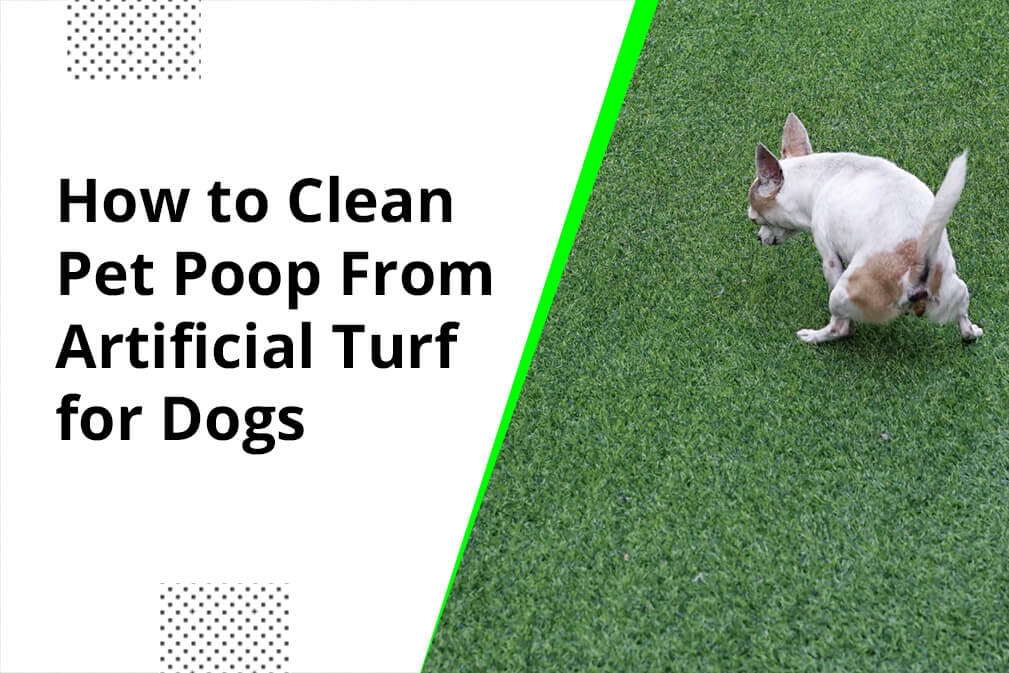
Image Source: montereyartificialgrass.com
The Basics of Pet Waste Removal on Artificial Turf
Maintaining a clean artificial turf area is essential, especially if you have furry friends. Unlike natural grass, synthetic grass doesn’t absorb moisture or break down organic matter in the same way. This means pet waste needs a little extra attention to prevent odors and keep the area looking and smelling fresh. The good news is that with a few simple steps, you can keep your turf in top condition.
Gathering Your Cleaning Supplies
Before you begin, make sure you have everything you need. This will make the entire process smoother. Here’s a list of common supplies that will help you with pet waste removal from your artificial turf:
- Pooper Scooper or Bag: For picking up solid waste.
- Hose with Water Access: To rinse the area.
- Bucket: To mix cleaning solutions.
- Stiff Brush or Broom: To scrub and loosen debris.
- Pet-Friendly Cleaner: A mild soap or specialized turf cleaner.
- Enzymatic Cleaner: For tackling odors and stains, especially from dog urine.
- Disinfectant: To kill germs and bacteria.
- Gloves: To protect your hands.
- Paper Towels or Old Rags: For drying and spot cleaning.
Step-by-Step Guide to Cleaning Dog Poop Off Turf
Cleaning up after your dog on artificial turf is not difficult. Follow these steps for a clean and sanitary result.
Step 1: Immediate Removal of Solid Waste
The first and most crucial step is to remove the solid waste as soon as possible. This prevents it from drying and becoming more difficult to remove, and also stops it from embedding into the turf fibers.
- Use a dedicated pooper scooper or a sturdy plastic bag to pick up the feces.
- Dispose of the waste properly in a sealed garbage bag.
Step 2: Rinsing the Area
Once the solid waste is gone, a good rinse is the next step to wash away any lingering residue.
- Use a garden hose to thoroughly rinse the area where the waste was located.
- This helps to flush away small particles and dilute any remaining liquid.
- Aim the water spray directly at the affected spot and extend the rinse a bit beyond it.
Step 3: Washing with a Pet-Friendly Cleaner
For a deeper clean and to remove any potential residues, washing with a cleaner is recommended.
- Mixing Your Solution: In a bucket, mix water with a small amount of a mild, pet-friendly cleaner. A simple solution of warm water and a few drops of dish soap can work, or you can opt for a cleaner specifically designed for artificial turf.
- Applying the Cleaner: Pour or spray the cleaning solution onto the affected area.
- Scrubbing: Use a stiff brush or broom to gently scrub the area. Work the cleaner into the turf fibers to lift any remaining debris or odors. Be firm but avoid being too aggressive, which could damage the turf.
Step 4: Thorough Rinsing After Washing
After scrubbing, it’s important to rinse away all traces of the cleaning solution.
- Use the hose again to rinse the area thoroughly.
- Ensure no soap residue is left behind, as this can attract dirt and make the turf sticky.
Step 5: Dealing with Stubborn Stains and Odors (Especially Dog Urine)
While solid waste is often the primary concern, dog urine can leave behind odors and stains. Addressing these issues is key to maintaining a pleasant outdoor space.
Using Enzymatic Cleaners for Odor Control and Disinfection
Enzymatic cleaners are a game-changer for pet messes. They contain natural enzymes that break down the organic compounds in urine and feces, effectively eliminating odors at their source rather than just masking them. This is also a key part of disinfection.
- How They Work: Enzymes are biological catalysts that consume the odor-causing bacteria and stain molecules.
- Application:
- After rinsing the area, generously spray the enzymatic cleaner directly onto the affected spot.
- Allow the cleaner to soak into the turf for the time recommended on the product label (usually at least 10-15 minutes, sometimes longer).
- For deeper penetration, you might need to gently brush the area after application.
- Some enzymatic cleaners can be left to air dry, while others may require a light rinse. Always follow the manufacturer’s instructions.
When to Use a Disinfectant
If you’re concerned about bacteria or want an extra layer of cleanliness, a disinfectant can be used.
- Choosing a Disinfectant: Look for a disinfectant that is safe for use around pets and on synthetic materials. Diluted bleach solutions (1 part bleach to 10 parts water) can be effective, but always test in an inconspicuous area first. Alternatively, specialized pet-safe disinfectants are available.
- Application: Apply the disinfectant according to the product instructions.
- Rinsing: Always rinse thoroughly after using a disinfectant to remove any chemical residues.
Step 6: Drying the Area
Proper drying helps prevent mildew and keeps the turf from becoming waterlogged.
- Allow the cleaned area to air dry naturally.
- If you need to speed up the process, you can use a clean towel or absorbent cloths to pat down the area.
Special Considerations for Different Types of Artificial Turf
The type of artificial turf you have might influence how you clean it. While the basic principles remain the same, some materials are more durable or sensitive than others.
Factors to Consider:
- Pile Height: Higher pile turf might require a stiffer brush.
- Infill Type: Some turf systems use sand, crumb rubber, or other infill materials that can trap odors or be affected by certain cleaning agents.
- Durability of Fibers: Some synthetic grass fibers are more robust and can withstand more vigorous scrubbing than others.
Always check the manufacturer’s recommendations for your specific artificial turf product. They may have specific cleaning guidelines or product recommendations.
Maintaining a Clean Turf Area: Proactive Measures
Regular maintenance is the best way to prevent major cleaning headaches.
Regular Poop Scooping
- Frequency: Make it a daily habit to scoop up any solid waste. This is the single most effective way to keep your turf clean and odor-free.
- Benefits: Prevents waste from drying and becoming embedded, reduces the chances of attracting pests, and keeps the area hygienic.
Occasional Rinsing
- Purpose: Even without visible messes, a periodic rinse with a hose can help wash away dust, pollen, and any lingering odors.
- Frequency: Depending on your climate and the amount of pet traffic, a good rinse every few weeks or months can be beneficial.
Dealing with Dog Urine
- Immediate Rinse: If you notice your dog has urinated on the turf, rinse the area with water as soon as possible. This dilutes the urine and helps prevent odors from setting in.
- Enzymatic Cleaner Use: Regularly use an enzymatic cleaner on areas where your dogs frequently urinate. This is crucial for long-term odor control.
Tips for Odor Control
Tackling odors is a key aspect of pet waste removal on artificial turf.
The Power of Enzymes
- Why Enzymes are Best: They are highly effective at breaking down the organic compounds that cause urine and feces to smell.
- Regular Application: Consider using an enzymatic cleaner as a preventative measure, especially in areas where your pets spend a lot of time or tend to urinate.
Baking Soda for Freshening
- How to Use: Sprinkle a generous amount of baking soda over the affected area or the entire lawn.
- Benefits: Baking soda is a natural deodorizer. It can absorb odors and help freshen the turf.
- Application: You can leave it on for a few hours or overnight and then rinse or brush it away.
Vinegar Solution
- Dilution: A solution of equal parts white vinegar and water can also help neutralize odors.
- Caution: While generally safe, some sources suggest that prolonged exposure to vinegar might affect certain types of turf infill or backing. Always test a small, inconspicuous area first.
- Application: Spray the solution on the area, let it sit for a while, and then rinse thoroughly.
Common Mistakes to Avoid
Even with the best intentions, some common mistakes can be made when cleaning artificial turf.
Using Harsh Chemicals
- Problem: Bleach (in high concentrations), ammonia, or strong degreasers can damage the synthetic fibers, degrade the backing, and be harmful to pets.
- Solution: Always opt for pet-friendly cleaners and follow dilution instructions carefully.
Not Rinsing Thoroughly
- Problem: Leaving cleaning solution residue can attract dirt, make the turf sticky, and potentially cause discoloration over time.
- Solution: Always rinse the area thoroughly with clean water after using any cleaning product.
Scrubbing Too Aggressively
- Problem: Overly vigorous scrubbing can flatten the turf pile, damage the fibers, and reduce the lifespan of your artificial grass.
- Solution: Use a medium-stiff brush and apply moderate pressure.
Ignoring Urine Odors
- Problem: Urine can be a persistent source of odor if not treated properly.
- Solution: Make enzymatic cleaners a regular part of your pet waste removal routine for urine.
Comparing Cleaning Methods
Let’s look at a quick comparison of common cleaning agents for pet waste on artificial turf.
| Cleaning Agent | Effectiveness for Odor | Effectiveness for Stains | Safety for Pets | Potential Turf Impact | Best Use Case |
|---|---|---|---|---|---|
| Water & Mild Soap | Moderate | Moderate | High | Low | Light cleaning, general rinsing |
| Enzymatic Cleaner | High | High | High | Low | Urine, feces, deep odor elimination |
| Vinegar & Water Solution | Moderate to High | Moderate | High | Low to Moderate | Odor neutralization, light disinfection |
| Diluted Bleach (1:10) | High | High | Moderate | Moderate | Heavy disinfection, stubborn odors (with caution) |
| Specialized Turf Cleaners | Varies by product | Varies by product | Varies by product | Varies by product | Specific cleaning needs as recommended |
Note: Always test any cleaning solution in a small, inconspicuous area of your artificial turf before applying it broadly.
Artificial Turf Care Beyond Pet Waste
While pet waste removal is a primary concern, other aspects contribute to the longevity and appearance of your synthetic grass.
Debris Removal
- Leaf Blowers: Use a leaf blower to remove leaves, twigs, and other light debris.
- Brushing: Periodically brush the turf against the grain to help keep the fibers upright and prevent matting. This is similar to how you might care for outdoor rugs.
Weed Control
- Manual Removal: Pull out any weeds that manage to sprout through the turf.
- Herbicides: If using herbicides, choose pet-safe options and apply them carefully according to instructions.
Addressing General Grime
- Occasional Washing: For overall grime or spills, a gentle wash with water and a mild detergent can refresh the entire surface.
Frequently Asked Questions (FAQ)
Q1: How often should I clean dog poop off my artificial turf?
You should remove solid dog waste as soon as you notice it, ideally daily. For deeper cleaning and odor control, especially for urine, plan for a more thorough wash with a cleaner (preferably enzymatic) every few weeks or as needed.
Q2: Can I use a regular household cleaner on my artificial turf?
It’s best to avoid most household cleaners. Many contain harsh chemicals that can damage the turf fibers, backing, or infill. Always opt for cleaners specifically labeled as pet-friendly, safe for artificial turf, or naturally derived options like diluted vinegar or enzymatic cleaners.
Q3: Will my artificial turf smell like dog urine?
If not cleaned properly, yes, artificial turf can develop odors from dog urine. The key to preventing this is prompt rinsing and consistent use of enzymatic cleaners, which break down the odor-causing compounds at their source.
Q4: How do I get rid of stubborn odors that won’t go away?
For persistent odors, you may need to reapply an enzymatic cleaner and ensure it has sufficient contact time to work. You can also try a baking soda treatment. If the problem persists, check the turf’s drainage system or consider consulting with a professional artificial turf installer.
Q5: Is it okay to use bleach on artificial turf?
While a highly diluted bleach solution (1 part bleach to 10 parts water) can be used for disinfection in some cases, it should be done with extreme caution. Always test on a small area first, rinse thoroughly, and ensure it’s completely dry before allowing pets back on. Many experts recommend avoiding bleach altogether due to the risk of damage and potential harm to pets.
Q6: My dog peed on the artificial grass. What’s the best way to clean it?
Immediately rinse the area with your garden hose. Then, generously apply an enzymatic cleaner specifically designed for pet urine, following the product’s instructions for dwell time. This will help neutralize the odor and break down the urine.
By following these straightforward steps and tips, you can ensure your artificial turf remains a clean, hygienic, and enjoyable space for both you and your canine companions. Regular attention to pet waste removal is key to maintaining the beauty and functionality of your synthetic grass investment.