
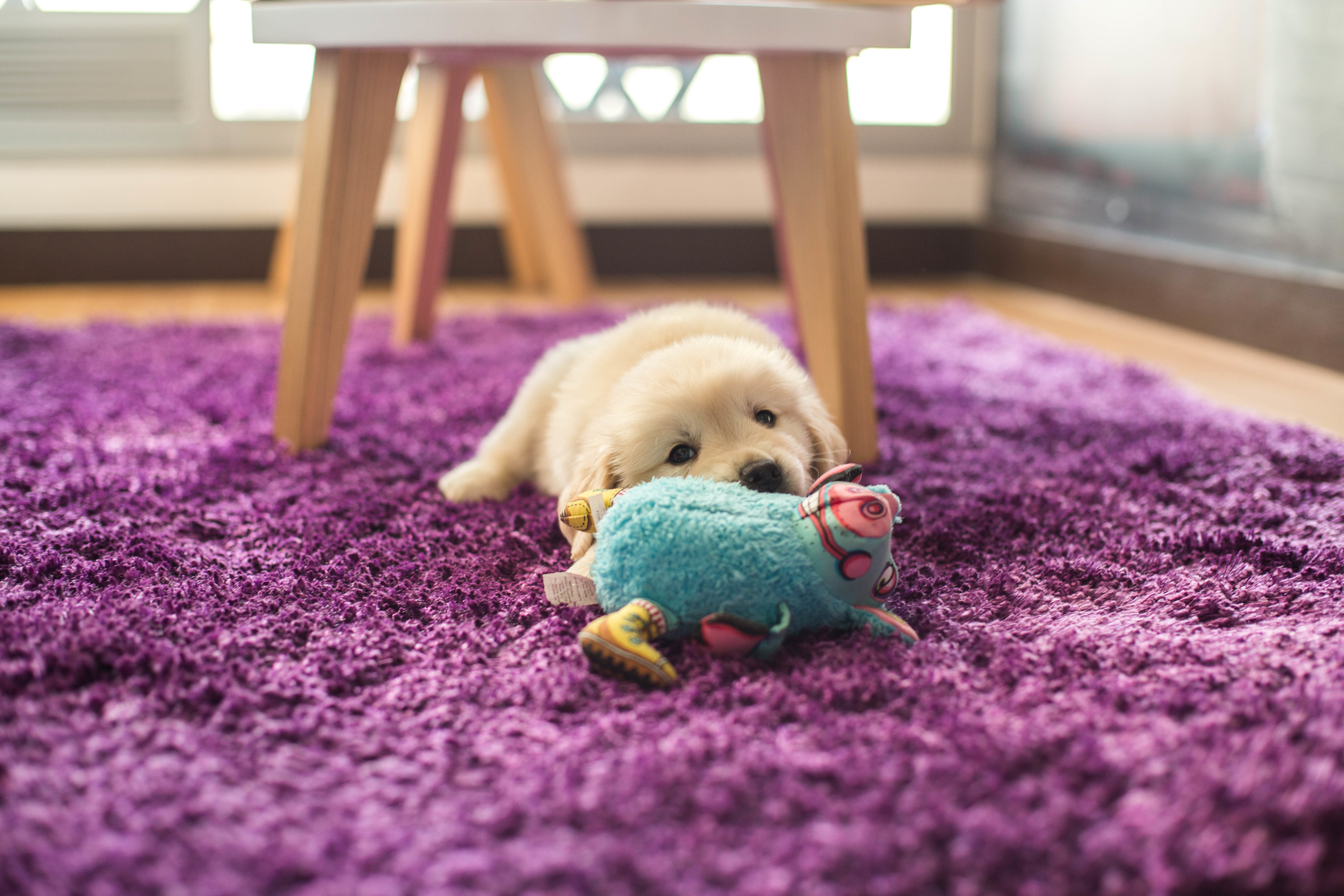
Image Source: images.surferseo.art
How To Wash Dog Toys With Squeakers Safely & Easily
Can you wash dog toys with squeakers? Yes, you absolutely can wash dog toys with squeakers! With a little care and the right methods, you can keep your furry friend’s favorite noisy toys clean and hygienic without damaging the sound mechanism. Regular dog toy cleaning is crucial for your pet’s health and helps extend dog toy life.
Dogs love their toys. They chew them, carry them, and often sleep with them. This constant interaction means toys can become breeding grounds for bacteria, germs, and even mold if not cleaned regularly. For squeaky toys, a common concern is how to clean them without ruining the beloved squeak. This guide will walk you through safe and easy methods for squeaky toy hygiene, ensuring your dog can enjoy their noisemakers for longer.
Why Cleaning Squeaky Toys Matters
Squeaky toy hygiene is more than just about appearances. When your dog slobbers on a toy, they transfer saliva, dirt, and bacteria onto it. If left uncleaned, these can accumulate, potentially leading to health issues for your dog. Think about it: a slobbery toy left in the sun can quickly become a petri dish. Regularly cleaning your dog’s toys, especially the ones they play with most, is a vital part of dog toy maintenance.
Beyond hygiene, clean toys are simply more enjoyable for your dog. No one likes a grimy, smelly toy, not even your pup! Proper cleaning can also help dislodge dirt dog toys may accumulate, making them look and feel better.
Common Concerns About Washing Squeaky Toys
Many pet owners worry about damaging the squeaker when washing. Will water get inside? Will the squeak stop working? These are valid concerns. The good news is that most modern squeaky toys are designed to withstand washing if done correctly. The key is to avoid harsh treatments that could break down the materials or the squeaker mechanism. We aim for safe dog toy cleaning that keeps both the toy and the squeaker intact.
Getting Started: What You’ll Need
Before you dive into cleaning, gather a few supplies:
- Mild Dish Soap: Look for a gentle, unscented variety.
- Warm Water: Not too hot, as hot water can sometimes damage plastics or fabrics.
- Soft Brush or Cloth: An old toothbrush or a soft scrubbing brush works well.
- Clean Towels: For drying.
- Optional: White Vinegar: A natural disinfectant and deodorizer.
Methods for Cleaning Squeaky Toys
There are several effective ways to clean squeaky toys. The best method often depends on the toy’s material and how dirty it is. We’ll cover hand washing, machine washing, and spot cleaning. The goal is to sanitize dog toys without compromising their squeak.
Hand Washing: The Gentle Approach
Hand washing is often the safest bet for delicate squeaky toys or those made from softer materials. This method allows you to control the cleaning process precisely.
Steps for Hand Washing:
- Prepare the Washing Solution: Fill a sink or basin with warm water. Add a few drops of mild dish soap. You can also add a splash of white vinegar (about ¼ cup) to the water for extra cleaning power and to help remove bacteria dog toys might harbor.
- Submerge and Gently Wash: Place the toy in the soapy water. Use your hands or a soft brush to gently scrub away dirt and grime. Pay attention to crevices where dirt can hide. For fabric toys, gently squeeze and manipulate the toy to work the soap through.
- Rinse Thoroughly: Drain the soapy water and refill the basin with clean, lukewarm water. Rinse the toy thoroughly, squeezing gently to remove all soap residue. It’s crucial to get all the soap out, as leftover soap can irritate your dog’s skin or stomach if ingested.
- Squeeze Out Excess Water: Once rinsed, gently squeeze the toy to remove as much water as possible. Be careful not to twist or wring too forcefully, which could damage the squeaker.
- Air Dry: Place the toy on a clean towel in a well-ventilated area. Ensure it dries completely before returning it to your dog. This might take 24-48 hours. You can turn it periodically to ensure even drying.
Machine Washing: For Sturdier Toys
Some washable dog toys, particularly those made of durable canvas or rubber, can handle a gentle cycle in the washing machine. This is a quicker option for tackling heavily soiled toys.
Important Considerations Before Machine Washing:
- Check the Toy’s Label: Always look for a care label on the toy. If it says “surface wash only,” do not machine wash it.
- Toy Material: Canvas, durable rubber, and some tough plush toys are generally safe for machine washing. Avoid washing toys with glued-on parts, delicate fabrics, or electronics.
- Squeaker Type: Most standard plastic squeakers are fine. Avoid washing toys with electronic sound modules or those with very thin, easily punctured materials.
Steps for Machine Washing:
- Pre-Treat Stains: For stubborn stains, you might want to pre-treat them with a small amount of mild soap before washing.
- Use a Mesh Laundry Bag: Place the squeaky toy(s) inside a mesh laundry bag or a pillowcase. This protects the toys and prevents them from getting tangled with other items.
- Select a Gentle Cycle: Use a gentle or delicate cycle on your washing machine with cold or lukewarm water.
- Mild Detergent: Use a small amount of mild, pet-safe laundry detergent. Avoid harsh chemicals or bleach.
- No Fabric Softener: Fabric softeners can leave residue that your dog might ingest.
- No High Heat Drying: Do NOT put squeaky toys in the dryer. High heat can melt plastic parts, damage fabrics, and ruin the squeaker.
- Air Dry: Remove the toys from the mesh bag and towel dry them. Then, let them air dry completely in a well-ventilated area. Ensure they are thoroughly dry before your dog plays with them.
Spot Cleaning: For Minor Messes
Sometimes, a toy isn’t deeply dirty, but just needs a quick refresh. Spot cleaning is perfect for this.
Steps for Spot Cleaning:
- Prepare Cleaning Solution: Mix a small amount of mild dish soap with warm water in a bowl. You can also use a diluted vinegar solution (1 part vinegar to 3 parts water).
- Dampen a Cloth or Sponge: Dip a clean cloth or sponge into the solution. Wring it out so it’s damp, not soaking wet.
- Wipe the Toy: Gently wipe down the surface of the toy, focusing on dirty areas. For fabric toys, you can gently scrub with the damp cloth.
- Rinse the Cloth: Rinse the cloth well with clean water and wipe down the toy again to remove any soap residue.
- Air Dry: Allow the toy to air dry completely.
Cleaning Specific Toy Types
Different toy materials require slightly different approaches to ensure safe dog toy cleaning and to effectively dislodge dirt dog toys accumulate.
Plush Squeaky Toys
These are the most common type of squeaky toy. They are also the most likely to hold onto moisture and potential mold if not dried properly.
- Hand Washing is Best: For plush toys, hand washing is generally recommended. This allows you to gently work out the dirt without over-saturating the stuffing.
- Vinegar Boost: Adding white vinegar to the wash water can help kill bacteria and neutralize odors common in plush toys.
- Thorough Drying is Crucial: After washing and squeezing, ensure plush toys are completely dry. You can place them in a sunny spot, which also offers a bit of natural sanitization. A fan can also help speed up the drying process.
Rubber and Vinyl Squeaky Toys
These are typically very durable and easier to clean.
- Dishwasher Safe? (Use Caution): Some sturdy rubber toys might be dishwasher safe, but it’s a risky approach for squeakers. The high heat and strong detergents can potentially damage the squeaker or warp the rubber. If you try this, place them on the top rack in a mesh bag and use a gentle cycle without heated drying. However, hand washing is far more reliable.
- Boiling (Use Extreme Caution): For very tough, solid rubber toys that are heavily soiled, some suggest a brief boil (1-2 minutes) in water with a bit of vinegar. This is a high-risk method. It can deform softer plastics and damage many types of squeakers. Only consider this for very robust, solid rubber toys and test with a less-valued toy first. Always let them cool completely before returning to your dog.
- Scrubbing Power: A soft brush is excellent for getting into the nooks and crannies of rubber toys to dislodge dirt dog toys might collect.
Rope Squeaky Toys
Rope toys can be tricky due to their porous nature.
- Hand Wash Primarily: Hand washing is the safest method. Use warm, soapy water and a brush to scrub the rope.
- Vinegar Soak: Soaking these toys in a vinegar-water solution for about 15-30 minutes can help remove bacteria dog toys like rope ones can harbor.
- Rinse and Squeeze: Rinse thoroughly, squeezing out as much water as possible.
- Dry Completely: Rope toys need extra drying time. Hang them or lay them flat in a sunny, airy spot. Ensure all the inner fibers are dry to prevent mold.
Tips for Success
- Frequency: Aim to wash your dog’s favorite squeaky toys at least once a week, or more often if they get particularly dirty or your dog is prone to chewing a lot.
- Inspect Regularly: Before washing, inspect toys for any signs of damage, like tears or loose parts. Damaged toys can be a choking hazard.
- Avoid Harsh Chemicals: Never use bleach, strong detergents, or abrasive cleaners on dog toys. These can be toxic to your dog.
- Drying is Key: Thorough drying is paramount. A damp toy is an invitation for mold and mildew growth, which can be harmful to your dog’s health.
- Rotate Toys: Have a variety of toys your dog can play with. This allows soiled toys to dry completely between play sessions and also keeps your dog more engaged.
Troubleshooting Common Squeaky Toy Washing Issues
“My toy doesn’t squeak anymore after washing!”
This is the most common worry. Unfortunately, sometimes it happens.
- Water Intrusion: If water seeped into the squeaker mechanism, it might need time to dry out. Try leaving the toy in a warm, dry place for a few days. Gently shaking it might also help.
- Damage During Washing: Aggressive wringing or high heat (if it accidentally went through a dryer) can permanently damage the squeaker.
- Internal Components: Some squeakers have small diaphragms or reeds that can be delicate.
“The toy still smells dirty.”
- Insufficient Rinsing: You might not have rinsed out all the soap or dirt. Try rinsing again, perhaps with a bit of vinegar in the rinse water.
- Deep-Seated Odors: Some materials hold onto odors more than others. A longer soak in a vinegar-water solution before washing can help.
“Mold has started to grow.”
- Incomplete Drying: This is almost always due to incomplete drying. If you see mold, the toy is likely not safe for your dog anymore and should be discarded. To prevent this, prioritize thorough drying.
Extending the Life of Your Squeaky Toys
Proper cleaning is a key part of dog toy maintenance. By regularly washing and caring for them, you can extend dog toy life.
- Gentle Play: Encourage gentle play, especially with plush toys. While dogs love to shake and tug, excessive force can damage squeakers.
- Supervised Play: Always supervise your dog when they play with squeaky toys, especially if they are aggressive chewers. Remove the toy if it starts to break apart.
- Inspect for Wear: Check toys regularly for signs of wear and tear. A small rip can quickly become a major issue.
The Importance of Sanitizing Dog Toys
While cleaning removes dirt and debris, sanitizing dog toys goes a step further to kill harmful microorganisms.
- Vinegar’s Role: White vinegar is a natural disinfectant that can kill a significant percentage of common bacteria and viruses found on toys. Its use in the wash or soak is a great way to sanitize dog toys.
- Sunlight: For fabric toys that can be safely placed outside, sunlight is a natural sanitizer. UV rays can help kill bacteria.
- Regularity: The most effective way to sanitize is through consistent cleaning practices.
Final Thoughts on Washable Dog Toys
Keeping your dog’s squeaky toys clean is an important aspect of their overall health and well-being. By following these safe and easy methods, you can ensure that your dog’s favorite noisy playthings remain hygienic, fun, and last longer. Remember, consistent dog toy cleaning is a small effort that makes a big difference in keeping your canine companion happy and healthy.
Frequently Asked Questions (FAQ)
Q1: How often should I wash my dog’s squeaky toys?
A1: It’s generally recommended to wash your dog’s most-played-with squeaky toys at least once a week. If your dog is a heavy drooler or plays outside a lot, you may need to wash them more frequently.
Q2: Can I use bleach to clean squeaky toys?
A2: No, never use bleach. Bleach is toxic to dogs and can damage the toy’s materials and the squeaker. Stick to mild dish soap or a diluted vinegar solution.
Q3: My dog ate a piece of a squeaky toy. What should I do?
A3: If your dog ingested a piece of a toy, especially if it’s a larger piece or they seem unwell, contact your veterinarian immediately.
Q4: How can I make sure the squeaker dries properly after washing?
A4: After washing and squeezing out excess water, place the toy in a warm, well-ventilated area. You can also use a fan to direct airflow onto the toy. For plush toys, gently fluff the stuffing. Avoid direct heat sources like radiators or hair dryers.
Q5: What if the toy’s label says “surface wash only”?
A5: If a toy is labeled “surface wash only,” it means it’s not designed to be submerged in water or put in a washing machine. Stick to spot cleaning with a damp cloth and mild soap solution for these items.
Q6: Can I use laundry pods to wash squeaky toys?
A6: It’s best to avoid laundry pods. They are highly concentrated and can be too harsh for dog toys and potentially leave residue. Use a small amount of liquid dish soap or a mild, pet-safe laundry detergent.
Q7: Are all washable dog toys safe for squeakers?
A7: Most standard plastic squeakers are designed to withstand washing. However, toys with elaborate electronic components or very thin materials might be more susceptible to damage. Always check the toy’s care instructions if available.
Q8: How do I prevent mold on squeaky toys?
A8: The key to preventing mold is thorough drying. After washing, squeeze out as much water as possible and ensure the toy is completely dry before your dog plays with it again. Proper air circulation during drying is essential.
Q9: Can I use essential oils to clean or freshen squeaky toys?
A9: It’s generally not recommended to use essential oils on dog toys. Many essential oils are toxic to dogs, even when diluted, and can cause skin irritation or more serious health problems if ingested. Stick to pet-safe cleaning agents.
Q10: My dog loves a specific squeaky toy, but it’s starting to look worn. What can I do?
A10: While cleaning can help refresh a toy, there comes a point where wear and tear makes a toy unsafe. If a toy is showing signs of significant damage, such as rips, frayed edges, or exposed stuffing, it’s best to replace it to prevent choking hazards or ingestion of foreign materials.