
Does your dog knead or dig at your bed sheets? This common canine behavior can be puzzling, but there are several reasons why your furry friend might be doing it. Primarily, dogs scratch bed sheets due to instinctual behaviors like digging and burrowing, a need for comfort, scent marking, seeking attention, or managing boredom and anxiety.
Dogs have a rich history with humans, and many of their behaviors are rooted in their ancestral past as wild canines. These ancient instincts often manifest in our domesticated companions, even when they have a warm bed and loving home. Scratching bed sheets is one such behavior that can be explained by a combination of instinct, comfort, communication, and emotional states.
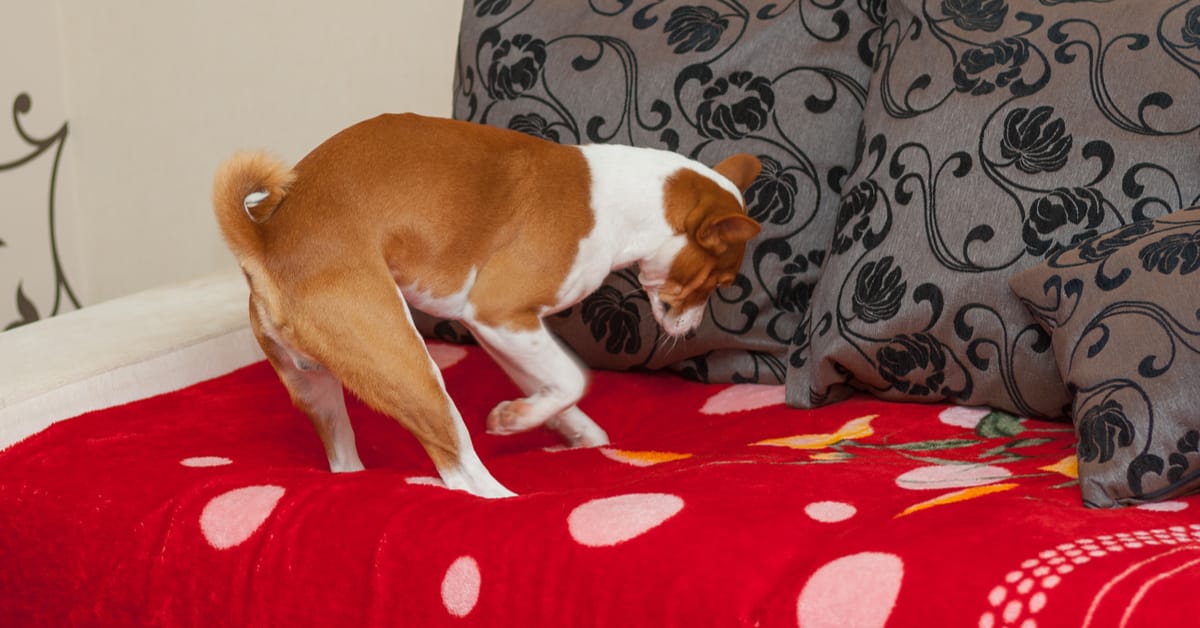
Image Source: outwardhound.com
Instinctual Drives: Digging and Burrowing
At the heart of many dog behaviors is their inherent instinctual programming. For dogs, scratching and digging are deeply ingrained. This instinct comes from their wild ancestors who needed to prepare dens for sleeping, escape the elements, or hide their food. Even though your modern-day pup has a perfectly comfortable bed, the urge to prepare a cozy spot can still be strong.
The Digging Instinct
Dogs are natural diggers. This instinct served many purposes for their wild relatives:
- Creating a Den: Wild canids would dig to create a safe, insulated den for sleeping, raising pups, and sheltering from harsh weather. Scratching at your bed sheets can be a primal echo of this den-making behavior. They might be trying to “prepare” the surface to be more comfortable or secure.
- Burying Food: Ancestral dogs often buried excess food to save it for later. While your dog’s food bowl is likely always full, the instinct to stash or rearrange might still surface. They might see your bed as a good spot to “bury” a favorite toy or just practice the motion.
- Cooling Down: Digging can also be a way for dogs to find cooler earth on a hot day. If your bed feels particularly warm, your dog might be trying to create a cooler spot by displacing the bedding.
Burrowing Behavior
Closely linked to digging is the instinct to burrow. This involves creating a cozy, enclosed space for sleeping. Think of how your dog might circle a few times before settling down. Scratching at the sheets can be part of this process.
- Creating a Nest: Your dog may be trying to create a nest-like environment. By pushing and digging at the sheets, they might be trying to arrange the fabric to mimic the softness and security of a den. This is particularly common if they have a restless sleep.
- Sensory Stimulation: The texture of soft sheets can be very appealing to a dog. The act of scratching provides sensory input that can be enjoyable or even stimulating.
Comfort Seeking
Beyond instinct, dogs also scratch bed sheets as a way to achieve physical and emotional comfort. Your bed is often seen as the most comfortable and secure place in the house, and your dog wants to make it their space.
Making a Cozy Spot
Dogs often want to customize their sleeping areas. Scratching and pushing the sheets around helps them mold the bedding into a shape and texture that feels just right.
- Arranging Bedding: This is similar to how some people fluff their pillows or adjust their blankets before settling in. Your dog is simply trying to achieve optimal comfort. They are engaging in comfort seeking as they arrange the sheets for maximum coziness.
- Temperature Regulation: Sometimes, the scratching might be an attempt to regulate their body temperature. If the sheets are too warm, they might try to create cooler spots by pushing them aside. Conversely, if it’s chilly, they might be trying to burrow deeper into the bedding.
Scent Marking
Dogs have an incredible sense of smell and use scent to communicate and orient themselves. Your bed is likely filled with your scent, which is comforting to your dog. They might also be adding their own scent to the area.
The Importance of Scent
- Claiming Territory: Scratching can be a form of scent marking. Dogs have scent glands in their paws, and by scratching, they can deposit their individual scent onto the bedding. This is a way of marking their territory and making the bed feel more like their own personal space.
- Comfort in Familiar Scents: Your scent on the bed is a significant source of comfort for your dog. Scratching might be a way to intensify this familiar scent, reinforcing feelings of security and belonging.
Attention Seeking
If your dog isn’t getting enough stimulation or interaction, they might resort to behaviors that are guaranteed to get your attention. Scratching your bed sheets, especially if you’re present, is a surefire way to get you to notice them.
Getting Noticed
- Interactive Play: Your dog might be trying to initiate play. When you react to the scratching, even if it’s to tell them to stop, they learn that this behavior gets a response from you. This is a form of attention seeking.
- Seeking Interaction: If your dog is feeling neglected or simply wants some affection, they might use scratching as a way to communicate their desire for interaction. They might be looking for a pet, a game of fetch, or just some quality time.
Boredom Relief and Anxiety
When dogs are bored or experiencing anxiety, they can develop a variety of coping mechanisms, and scratching bed sheets can be one of them.
Combating Boredom
- Mental Stimulation: A dog that isn’t getting enough mental or physical exercise may look for ways to entertain themselves. Scratching can be a source of stimulation when they have nothing else to do. This is a form of boredom relief.
- Destructive Tendencies: If left unchecked, boredom can lead to more destructive behaviors. Scratching the sheets can be a milder outlet for pent-up energy.
Managing Anxiety
- Stress Reduction: For some dogs, repetitive behaviors like scratching can be a self-soothing mechanism when they are feeling anxious or stressed. This is a component of canine anxiety.
- Separation Anxiety: If your dog exhibits this behavior primarily when you’re away, it could be a sign of separation anxiety. They might be trying to create a familiar scent or comfort object in your absence.
- Restless Sleep: Sometimes, restless sleep itself can lead to scratching. If a dog is uncomfortable, having trouble settling down, or experiencing nightmares, they might manifest this unease through physical actions like scratching.
Grooming Habits and Other Factors
While less common, certain grooming habits or physical conditions could also contribute to scratching.
Canine Grooming Habits
- Paw Comfort: Some dogs might chew or lick their paws, and the residual moisture or sensation could lead to them pawing at the sheets. While not direct grooming, it relates to their paw comfort. This is not a primary driver of sheet scratching but can be a minor contributing factor.
Other Less Common Causes
- Itching or Discomfort: Though rare for the bedding specifically, if a dog has itchy skin or is experiencing discomfort, they might paw at surfaces as a general response. However, this would typically be accompanied by other signs of irritation.
What is the difference between digging and burrowing behavior in dogs?
Digging is the act of excavating the ground or a surface. Burrowing is a specific type of digging aimed at creating a sheltered space. Both can manifest as scratching at bedding, but burrowing is more about creating a cozy nest.
What can I do if my dog scratches my bed sheets?
You can redirect the behavior by providing appropriate outlets for digging and chewing, increasing exercise and mental stimulation, and ensuring your dog feels secure.
Can I stop my dog from scratching my bed sheets?
Yes, by addressing the underlying causes through training, environmental enrichment, and meeting your dog’s needs, you can significantly reduce or eliminate this behavior.
Interpreting Your Dog’s Scratching: A Deeper Dive
Let’s break down the specific reasons and what they look like in practice.
1. Instinctual Drives Explained
The Canine Digging Instinct in Action
Imagine your dog, a descendant of wolves that would dig dens to protect their pack. This ancient drive to excavate doesn’t vanish just because they have a plush dog bed or a spot on your sofa. When your dog scratches your bed sheets, they might be instinctively preparing a den. This involves creating a softer, more comfortable surface by pushing and rearranging the fabric. It’s like they’re saying, “This spot needs a little more… den-like quality.” They might be trying to replicate the feeling of soft earth or leaves that their wild ancestors would use.
- Digging for Comfort: The act of digging itself can be soothing. The rhythmic motion and the sensation of moving material (in this case, fabric) can release pent-up energy.
- Burying Instinct: Even if your dog has no food to bury, the instinct to cover or hide things can manifest. They might push their favorite toy under the sheets, or even just practice the covering motion with the fabric.
The Nuances of Burrowing Behavior
Burrowing is a more specific aspect of den-making. It’s about creating an enclosed, secure space. This is why you might see your dog circling their bed several times before lying down. When they scratch your sheets, they might be:
- Creating a Cocoon: They aim to pull the sheets up around them, creating a sense of being tucked in and protected. This is especially true for dogs who may feel vulnerable or are seeking extra warmth.
- Testing the Texture: The soft, yielding nature of bed sheets is ideal for this type of manipulation. It’s easy to dig into and mold.
2. Comfort Seeking: The Pursuit of the Perfect Sleep
Dogs value comfort immensely. Your bed is likely the softest, most inviting place in the house, and your dog wants to optimize it for their own relaxation.
Arranging for Optimal Coziness
Your dog might be a bit of a sleep connoisseur. They are not just lying down; they are curating their sleeping experience.
- Pillow Fluffing Analogy: Just as you might fluff your pillows or arrange your duvet, your dog is arranging their bedding. They might push the sheets into a pile to create a higher mound or spread them out to cover a larger area.
- Temperature Control: If your bed feels warm, your dog might be digging to expose a cooler layer of fabric or create air pockets. Conversely, on a cool night, they might be trying to trap body heat by burrowing deeper into the sheets. This is all part of their comfort seeking strategy.
3. Scent Marking: Making Their Mark
Scent is a dog’s primary way of interacting with the world. Your bed, being a focal point of your presence, is rich with your scent.
The Power of Paws and Scent Glands
- Territorial Claims: Dogs have scent glands in their paw pads. When they scratch, they leave behind their unique scent. This is a subtle way of marking their territory and saying, “This is my spot.” It’s a way to integrate their scent with yours, making the bed a shared, familiar, and comforting territory.
- Enhancing Familiarity: By spreading their scent, they are essentially reinforcing the comforting presence of familiar smells in their environment, especially if they are experiencing a degree of canine anxiety or missing you.
4. Attention Seeking: “Look at Me!”
Dogs are social creatures and crave interaction with their human families. If they feel neglected or simply want to engage with you, they might use behaviors that are sure to get a reaction.
The Direct Approach to Interaction
- Getting Your Eyes on Them: Scratching your bed sheets when you are in the room is a very effective way to capture your attention. Even a scolding is a form of interaction.
- Initiating Play or Affection: They might be looking for you to pet them, talk to them, or start a game. The scratching is their way of saying, “Hey! I’m here, and I want to interact with you!” This is a classic case of attention seeking.
5. Boredom Relief and Anxiety Management
When a dog’s physical and mental needs aren’t being met, they can develop behavioral issues. Scratching can be a coping mechanism for boredom or anxiety.
Filling the Void: Boredom Relief
- Self-Entertainment: If your dog spends a lot of time alone or doesn’t get enough exercise, they can become bored. Scratching provides an outlet for their excess energy and a way to pass the time. It’s a form of boredom relief that keeps their minds and bodies somewhat engaged.
- Channeling Frustration: Boredom can lead to frustration, which can then be expressed through scratching or other behaviors.
Soothing Stress: Canine Anxiety
- Compulsive Behavior: For some dogs, scratching can become a compulsive behavior used to self-soothe when they are anxious. This might be triggered by loud noises, changes in routine, or separation from their owners.
- Coping with Separation: If your dog scratches your bed intensely when you are gone, it could be a sign of separation anxiety. They may be trying to find comfort in your scent or distress at your absence.
- Restless Sleep Manifestations: When a dog experiences restless sleep, perhaps due to discomfort or mild anxiety, they might shift, paw, and scratch at their bedding as they try to find a comfortable position or settle down.
6. Grooming Habits and Other Considerations
While less frequent, a dog’s natural grooming or minor discomfort might play a role.
Paw Comfort and Sensations
- Mild Irritation: Occasionally, a dog might paw at surfaces if they have a slight irritation on their paws, or if their paws are unusually sensitive. This is rarely the primary reason for sheet scratching, but it’s worth noting if other symptoms are present.
Addressing the Scratching Behavior
Once you’ve identified the likely cause, you can take steps to manage or redirect the behavior.
Redirecting Instinctual Behavior
- Provide Digging Alternatives: Offer your dog a designated digging box filled with sand or soil. Bury toys in it to encourage digging in the appropriate spot.
- Chew Toys: Ensure your dog has plenty of appropriate chew toys. Chewing can also satisfy some of the same primal urges.
Enhancing Comfort and Security
- Comfortable Bedding: Make sure your dog has a comfortable, appropriately sized dog bed. Some dogs might prefer beds with bolsters or raised edges that mimic the feeling of a den.
- Calming Aids: For dogs prone to anxiety, consider calming diffusers, special vests, or calming treats.
Meeting Social and Emotional Needs
- Increased Exercise: Ensure your dog gets enough physical exercise. A tired dog is less likely to engage in destructive or attention-seeking behaviors.
- Mental Stimulation: Provide puzzle toys, training sessions, and interactive games to keep your dog’s mind engaged. This is crucial for boredom relief.
- Quality Time: Dedicate time each day for focused interaction, petting, and play. This can help address attention seeking.
Managing Anxiety and Boredom
- Consistent Routine: A predictable routine can help reduce anxiety in dogs.
- Gradual Departures: If separation anxiety is suspected, practice leaving for short periods and gradually increase the duration.
- Enrichment Activities: Leaving out puzzle toys or long-lasting chews when you go out can help alleviate boredom and anxiety.
When to Consult a Professional
If the scratching behavior is severe, persistent, or accompanied by other concerning symptoms like lethargy, loss of appetite, or destructive behavior, it’s always best to consult with your veterinarian or a certified professional dog trainer or behaviorist. They can help rule out any underlying medical issues and provide tailored advice for your dog’s specific needs.
Table: Common Causes and Solutions
| Cause | Description | Solutions |
|---|---|---|
| Digging Instinct | Primal urge to prepare a den or bury items. | Provide a designated digging box; offer appropriate chew toys. |
| Burrowing Behavior | Creating a cozy, nest-like sleeping area. | Ensure a comfortable dog bed; create a safe space with blankets. |
| Comfort Seeking | Arranging bedding for optimal softness, warmth, or coolness. | Provide a plush dog bed; ensure comfortable room temperature. |
| Scent Marking | Depositing paw scent to claim territory or reinforce familiar smells. | Not directly addressable, but focus on overall security and comfort. |
| Attention Seeking | Trying to get your notice through physical actions. | Increase daily exercise and mental stimulation; dedicate quality interaction time. |
| Boredom Relief | Finding a way to entertain themselves due to lack of stimulation. | Increase physical exercise; provide puzzle toys and enrichment activities. |
| Canine Anxiety | Using scratching as a self-soothing mechanism due to stress or fear. | Address stressors; consider calming aids; consult a professional for severe anxiety. |
| Restless Sleep | Manifestation of discomfort or unease during sleep. | Ensure a comfortable sleeping environment; rule out underlying medical issues. |
| Grooming Habits | Minor paw discomfort or sensation leading to pawing. | Check paws for irritation; consult vet if concerns arise. |
Frequently Asked Questions (FAQ)
Q1: Is my dog trying to destroy my bed sheets when they scratch them?
A: Typically, no. While it may look destructive, the scratching is usually driven by instinct, comfort, or emotional needs rather than a desire to ruin your bedding.
Q2: My dog only scratches my bed when I’m not home. What does that mean?
A: This can often indicate anxiety, particularly separation anxiety. Your dog might be seeking comfort from your scent or expressing distress at your absence.
Q3: My puppy scratches my bed sheets a lot. Is this normal?
A: Yes, puppies often exhibit these behaviors more intensely as they explore their environment and are still learning to manage their instincts and energy. Providing proper outlets and guidance is key.
Q4: Can I train my dog to stop scratching my bed sheets?
A: Absolutely. The key is to identify the root cause and then redirect the behavior. Positive reinforcement training, increased exercise, and mental stimulation are effective strategies.
Q5: My dog has a perfectly good dog bed, so why do they scratch mine?
A: Your bed is likely more appealing because it smells strongly of you, which is a significant comfort to dogs. Your bed is also typically softer and more luxurious than many dog beds.
Q6: My dog seems to scratch my sheets more when it’s hot. Why?
A: This could be an attempt at temperature regulation. They might be trying to dig down to a cooler layer of fabric or create air pockets for ventilation.
By delving into these various reasons, you can better appreciate your dog’s behaviors and work towards a harmonious living situation for both of you. Remember, a happy dog is often a well-understood dog!