
So, you’re asking, “How deep to bury a dog?” The most common recommendation for the proper dog burial depth is at least 3 to 4 feet from the surface to the top of the grave. This depth is crucial for several reasons, primarily to ensure the safety and dignity of your beloved pet’s final resting place and to comply with many local regulations.
Losing a dog is a profound experience. For many, a dog is more than just a pet; they are a cherished member of the family. When the time comes to say goodbye, the desire to provide a dignified and safe resting place for them is paramount. One of the most common questions that arise is about how deep to bury a dog. This isn’t just a matter of practical convenience; it’s about respecting your pet’s remains, deterring scavengers, preventing the spread of disease, and often, adhering to local laws.
This comprehensive guide will delve into the essential aspects of burying a dog safely, covering everything from the ideal dog burial depth to legal considerations and practical steps. We’ll explore why depth matters, what factors influence the decision, and how to ensure your pet’s grave is a peaceful sanctuary.
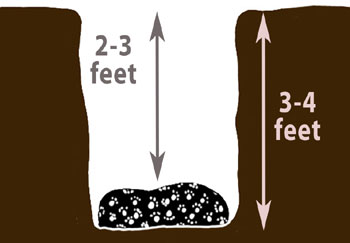
Image Source: www.dfordog.co.uk
The Importance of Proper Pet Burial Depth
The question of how deep to bury a pet is critical. A grave that is too shallow can pose significant risks.
Preventing Scavenging and Disturbance
One of the primary reasons for a specific pet burial depth requirements is to deter wild animals and other scavengers. Animals, drawn by scent or curiosity, can easily dig up shallow graves, which is distressing for pet owners and disrespectful to the animal. A depth of 3 to 4 feet typically makes it much harder for most common scavengers to access the remains.
Health and Sanitation
Burying your pet at the appropriate depth is also a matter of public health and sanitation. Deeper graves help to contain any potential pathogens or decomposition byproducts, preventing them from surfacing or contaminating the surrounding soil and groundwater. This is especially important if the burial site is near a water source.
Respect and Dignity
Ultimately, the depth of the grave is a reflection of the respect and love we have for our animal companions. A properly prepared grave signifies a final act of care, providing a sense of closure and peace for grieving owners. The ideal depth for dog grave ensures that the resting place remains undisturbed and reverent.
Legal Considerations
While many people choose backyard burial, it’s essential to be aware of local ordinances. Some areas have specific legal depth for pet burial regulations. Failing to comply with these can result in fines or the requirement to exhume the pet. Always check with your local authorities.
Determining the Ideal Depth for a Dog Grave
The generally accepted guideline for proper dog burial depth is a minimum of 3 to 4 feet from the ground surface to the top of the burial container or shroud.
Factors Influencing Burial Depth
Several factors can influence the specific depth you choose:
- Size of the Dog: While the 3-4 foot rule is a good starting point, larger dogs might require a slightly deeper or wider grave to accommodate their size comfortably.
- Local Climate: In areas with very hard or frozen ground, digging to a greater depth can be challenging. Conversely, in areas with a high water table, very deep graves might flood.
- Soil Type: Sandy soil is less stable than clay soil and might require slightly different considerations for grave stability.
- Proximity to Water Sources: If you are burying a dog near wells or streams, a greater depth is strongly advised to protect water quality.
- Local Regulations: As mentioned, always verify any local pet burial depth requirements.
The 3-4 Foot Rule Explained
Let’s break down why the 3-4 foot mark is so commonly cited for how deep to bury a pet:
- Scavenger Deterrent: This depth creates a significant physical barrier for most common scavengers like foxes, coyotes, raccoons, and even determined domestic animals.
- Soil Insulation: A good depth of soil provides insulation against temperature fluctuations, which can affect the decomposition process and helps keep the grave site stable.
- Preventing Surface Evidence: It ensures that the ground above the grave remains relatively undisturbed, maintaining the aesthetic of your yard and preventing accidental discovery.
Practical Steps for Burying a Dog Safely
When you’re burying a deceased dog, careful planning and execution are essential.
Step 1: Choosing the Right Location
When considering a backyard dog burial depth, think about the location carefully:
- Away from Property Lines: Check local ordinances regarding setbacks from property lines.
- Away from Utilities: Ensure the chosen spot isn’t above underground utility lines (water, gas, electric, cable). Call 811 before you dig if you are unsure about underground utilities.
- Well-Drained Area: Avoid areas that tend to collect water after rain.
- Symbolic Significance: Choose a spot that held meaning for you and your dog, perhaps a favorite resting place in the yard.
- Consider Future Construction: Avoid areas where you might plan to build patios, decks, or plant large trees in the future.
Step 2: Preparing the Grave
This is where the dog burial depth is critical.
- Mark the Area: Clearly mark the dimensions of the grave. It should be wider and longer than your dog.
- Start Digging: Begin digging. The goal is to reach the target depth of 3 to 4 feet.
- Soil Management: Place the excavated soil to the side, keeping the topsoil separate. This will make refilling easier and help preserve the natural soil layers.
- Grave Liner (Optional but Recommended): For added protection and to prevent settling, you can use a grave liner. These are typically made of durable plastic or treated wood and can help maintain the integrity of the grave over time.
Step 3: Preparing Your Dog for Burial
This is a tender and sensitive part of the process.
- Cleanliness: Gently clean your dog’s body.
- Cooling: If possible, cool your dog’s body. Refrigeration is ideal if you can manage it.
- Positioning: Gently lay your dog in their chosen resting place. Many people wrap their dogs in a favorite blanket or towel.
- Burial Container: While not always legally required, a burial box or shroud can be used. Wooden boxes, sturdy cardboard boxes, or simple cloth shrouds are common choices. Ensure the container can be secured to prevent it from opening during burial.
Step 4: Lowering Your Dog into the Grave
This requires care and respect.
- Assistance: It’s often helpful to have another person assist you with this step.
- Gentle Lowering: Carefully lower your dog, in their shroud or container, into the prepared grave.
Step 5: Refilling the Grave
This is where the depth for pet remains comes into play again.
- Initial Filling: Begin refilling the grave with the soil you excavated.
- Tamping: Gently tamp down the soil as you fill to minimize settling later.
- Topsoil Layer: Finish by placing the topsoil back on the surface.
- Final Depth: Ensure the final depth of the mound above the grave is consistent with the proper dog burial depth you aimed for.
Step 6: Memorializing the Grave
You can create a lasting tribute.
- Marker: Consider placing a small headstone, plaque, or memorial stone.
- Planting: Plant flowers or a special shrub in memory of your dog.
Alternatives to Backyard Burial
While backyard dog burial depth is a common choice, there are other options if this isn’t feasible or preferred.
Pet Cemeteries
Pet cemeteries offer a formal and dedicated place for burial. They handle all the arrangements, including digging to the correct dog burial depth, providing vaults, and offering various memorial options. This can be a comforting choice for those who want a professionally managed final resting place.
Cremation
Cremation is a popular alternative. You can choose between:
- Communal Cremation: Your pet is cremated with other animals, and the ashes are typically scattered.
- Private Cremation: Your pet is cremated individually, and the ashes are returned to you in an urn. You can then choose to keep the urn, scatter the ashes in a meaningful location, or bury the urn at the required depth for pet remains.
Pet Memorialization Services
Some services focus on memorializing pets without traditional burial. This can include scattering ashes at sea, creating memorial jewelry, or planting memorial trees.
Frequently Asked Questions (FAQ)
Here are some common questions regarding how deep to bury a dog:
-
Q: What is the minimum depth for burying a pet?
A: The generally recommended minimum depth is 3 to 4 feet from the surface to the top of the grave. -
Q: Can I bury my dog in a plastic coffin?
A: Yes, many people use plastic containers or grave liners for added protection, but check local regulations as some areas may have specific requirements regarding burial materials. -
Q: Do I need to bury my dog in a vault?
A: While not always legally required for backyard burials, a vault or grave liner is highly recommended to prevent the grave from collapsing over time and to provide a stable resting place. Pet cemeteries almost always use vaults. -
Q: How do I know if my backyard burial is legal?
A: You should contact your local municipality, county health department, or animal control agency. They can provide information on legal depth for pet burial and any other specific regulations in your area. -
Q: What if I can’t dig 3-4 feet deep?
A: If your ground conditions make it impossible to reach the recommended depth, consider alternative options like pet cremation or a professional pet cemetery. Ensuring proper depth is crucial for safety and dignity. -
Q: How do I handle decomposition?
A: The recommended dog burial depth of 3-4 feet is designed to help manage decomposition. The soil acts as a natural barrier, and the depth helps to contain the process. Using a shroud or burial box can also help. -
Q: What about my cat? Does the depth change?
A: The general principles for how deep to bury a pet apply to cats as well. While cats are smaller, the 3-4 foot dog burial depth guideline is still a good standard to follow for similar reasons of protection and sanitation. -
Q: Can I bury my dog on land I don’t own?
A: No, you should only bury your pet on private property that you own or have explicit permission to use for burials. Burying on public land is generally illegal and discouraged. -
Q: How long does it take for a dog to decompose?
A: Decomposition rates vary significantly based on factors like soil type, temperature, moisture, and the presence of any burial containers. It can take months to years for complete decomposition. The proper dog burial depth helps ensure this process occurs without disturbance. -
Q: What if my dog died of a contagious disease?
A: If your dog died from a highly contagious disease, it’s best to consult with your veterinarian or local health authorities. They may recommend specific precautions, such as more rigorous disinfection or avoiding backyard burial altogether in favor of cremation.
Final Thoughts on Honoring Your Pet
Losing a pet is a journey through grief, and finding the right way to say goodbye is an essential part of that process. By taking the time to learn about how deep to bury a dog and following best practices, you can provide a final resting place that is both safe and a fitting tribute to the unconditional love your dog gave you. Whether it’s a backyard burial with attention to proper dog burial depth or a professional pet cemetery, the goal is to honor your beloved companion with dignity and care. Remember to always prioritize safety, sanitation, and respect for both your pet and your community.