
Figuring out how long it takes your dog to digest food is key to keeping them healthy. Generally, it takes between 6 to 8 hours for a dog to completely digest their food, but this can vary significantly. This article dives deep into the fascinating world of the canine digestive system, exploring dog digestion time, what influences it, and what it means for your furry friend’s well-being.
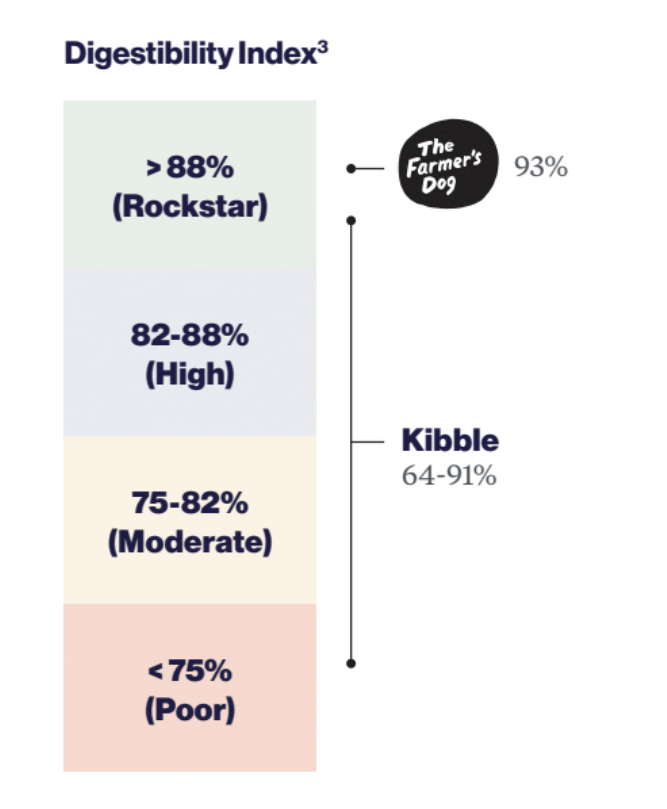
Image Source: www.thefarmersdog.com
The Canine Digestive Journey: A Step-by-Step Look
The canine digestive system is an efficient marvel designed to break down and absorb nutrients from food. This intricate process begins the moment your dog swallows.
Mouth to Stomach: The Initial Breakdown
- Ingestion: Food enters the mouth.
- Chewing and Saliva: Dogs don’t chew as thoroughly as humans. Their saliva starts a little bit of chemical breakdown, but primarily aids in swallowing.
- Esophagus: A muscular tube that transports food to the stomach. This movement is rapid, taking mere seconds.
- Stomach: This is where much of the initial digestion happens. The stomach secretes acids and enzymes that break down food into a semi-liquid mixture called chyme. Dog stomach emptying can take anywhere from 30 minutes to 2 hours.
Small Intestine: Nutrient Absorption Central
- Duodenum: The first part of the small intestine receives chyme from the stomach. Here, bile from the liver and enzymes from the pancreas further break down fats, proteins, and carbohydrates.
- Jejunum and Ileum: These are the longest sections where the majority of nutrient absorption occurs. Tiny finger-like projections called villi increase the surface area for efficient uptake of vitamins, minerals, proteins, and fats into the bloodstream. This stage can take several hours.
Large Intestine: Water Reabsorption and Waste Formation
- Colon: Whatever remains after nutrient absorption moves into the large intestine. The primary function here is to reabsorb water and electrolytes from the undigested material.
- Rectum and Anus: The final waste product, feces, is stored in the rectum and then eliminated from the body.
Factors Affecting Dog Digestion Time
Several elements can influence how quickly or slowly your dog processes their food. Understanding these can help you manage your dog’s diet for optimal health.
Age and Life Stage
- Puppy Food Digestion: Puppies have developing digestive systems. They generally digest food faster than adult dogs because their metabolism is higher to support rapid growth. Puppy food digestion is crucial, as their bodies need efficient nutrient uptake. Their food is specifically formulated to be highly digestible.
- Adult Dog Digestion: Adult dogs have a more mature and stable digestive process. Their metabolism is geared towards maintenance, leading to a more consistent digestion rate. Adult dog digestion is typically within the average timeframe discussed.
- Senior Dogs: Older dogs may experience slower digestion due to a less efficient metabolism or potential underlying health issues.
Diet Composition: What They Eat Matters
The type of food your dog consumes plays a significant role in dog food processing.
- Kibble vs. Wet Food Digestion:
- Kibble: Dry kibble is processed and dehydrated. While convenient and shelf-stable, it contains less moisture. Some kibbles are designed for digestibility, but the processing can sometimes make them slightly harder to break down compared to wet food, especially if they contain fillers.
- Wet Food: Wet food has a higher moisture content and is often considered more palatable and easier to digest for some dogs. The reduced processing can sometimes lead to quicker digestion, but this is not always the case. The quality of ingredients is paramount for both.
- Protein and Fat Content:
- High Protein: Protein is generally digestible, but very high levels might require more effort.
- High Fat: Fat takes the longest to digest. Foods very high in fat can significantly slow down the digestive process and may cause upset in some dogs.
- Fiber Content: Fiber is essential for digestive health, aiding in the movement of food through the intestines. Too little fiber can lead to constipation, while too much can cause loose stools or faster transit times.
- Carbohydrate Sources: Easily digestible carbohydrates (like rice or sweet potatoes) are processed more quickly than complex or less digestible ones.
Breed and Size
While not as significant as diet or age, breed can sometimes play a minor role. Larger breeds might have slightly longer digestive transit times due to their overall size.
Activity Level
Active dogs tend to have a faster metabolism, which can contribute to quicker digestion. Conversely, a sedentary lifestyle might slow things down.
Health Status
Underlying health conditions can greatly impact dog digestion time.
- Gastrointestinal Issues: Conditions like Inflammatory Bowel Disease (IBD), pancreatitis, or infections can severely affect how a dog digests food.
- Metabolic Disorders: Thyroid issues or diabetes can alter metabolic rates and, consequently, digestion.
- Enzyme Deficiencies: Some dogs may not produce sufficient digestive enzymes, leading to maldigestion.
Stress and Environment
Stressful situations can affect a dog’s digestive system, sometimes causing diarrhea or constipation. A stable and calm environment supports healthy digestion.
Typical Dog Digestion Times: A Closer Look
While an average of 6-8 hours is a good benchmark, let’s break down the specific stages and their general timings.
Stomach Emptying Time
The dog stomach emptying rate is the time it takes for the stomach to pass its contents into the small intestine.
- Average: 30 minutes to 2 hours.
- Factors: Food consistency, fat content, and the dog’s individual physiology influence this.
Small Intestine Transit Time
This is the time food spends in the small intestine, where most nutrient absorption occurs.
- Average: 2 to 6 hours.
- Factors: The complexity of the food and the efficiency of the dog’s enzymes.
Large Intestine Transit Time
The final stage where water is absorbed and waste is formed.
- Average: 12 to 24 hours (or even longer).
- Factors: Fiber content, hydration, and the dog’s overall gut motility.
Overall Completion: Considering all stages, the entire digestive process from ingestion to elimination can take anywhere from 24 to 48 hours.
What Does Good Digestion Look Like?
Observing your dog’s output can tell you a lot about their digestive health.
Healthy Stool Characteristics
- Consistency: Firm, moist, and well-formed, resembling little logs.
- Color: Typically brown. The exact shade can vary depending on diet.
- Ease of Elimination: Your dog should pass stool without straining or difficulty.
- Frequency: Most dogs have one to two bowel movements per day, depending on their diet and activity level.
Signs of Slow Dog Digestion
If your dog’s digestion is taking too long, you might notice certain symptoms. These are important indicators that something might be amiss.
- Constipation: Infrequent, hard, dry stools, or difficulty defecating.
- Bloating and Gas: Excessive gas or a visibly distended abdomen.
- Vomiting: Especially if it occurs several hours after a meal, indicating food is sitting too long in the stomach.
- Lethargy: A general lack of energy, which can occur if nutrients aren’t being absorbed efficiently.
- Weight Loss: Despite eating, the dog may lose weight due to poor nutrient absorption.
- Loss of Appetite: If the digestive system is backed up, a dog may lose interest in food.
- Foul-Smelling Stools: Can indicate poor digestion or malabsorption.
Optimizing Your Dog’s Digestion
You can take several steps to support your dog’s digestive health and ensure they are processing food efficiently.
Choosing the Right Food
Selecting high-quality food tailored to your dog’s dog dietary needs is crucial.
- High-Quality Protein: Look for named meat sources as the first ingredients.
- Digestible Carbohydrates: Sources like sweet potatoes, rice, or oats are generally well-tolerated.
- Prebiotics and Probiotics: These beneficial bacteria and fibers can significantly improve gut health and digestion.
- Avoid Fillers and Artificial Additives: These can be harder to digest and may cause sensitivities.
Feeding Practices
- Portion Control: Feed the correct amount of food for your dog’s age, breed, size, and activity level. Overfeeding can overwhelm the digestive system.
- Feeding Schedule: Establish a regular feeding schedule. This helps regulate the digestive system.
- Avoid Feeding Right Before or After Exercise: Give your dog some time to digest before vigorous activity.
- Hydration: Ensure your dog always has access to fresh, clean water. Water is essential for proper digestion and to prevent constipation.
Supplements and Additives
- Digestive Enzymes: For dogs with known enzyme deficiencies or digestive issues, your veterinarian might recommend digestive enzyme supplements.
- Fiber Supplements: Psyllium husk or pumpkin can be beneficial for regulating bowel movements, but consult your vet before adding them regularly.
Veterinary Consultation
If you suspect your dog has slow digestion or any other digestive issues, consulting your veterinarian is paramount. They can diagnose underlying conditions and recommend specific treatments or dietary changes.
Frequently Asked Questions About Dog Digestion
Here are some common questions people have about their dog’s digestion.
Q1: How can I tell if my dog is digesting their food properly?
You can tell by observing their stool consistency, frequency, and their general energy levels. Healthy stools are firm and brown. If your dog is happy, active, and has regular bowel movements without issues, they are likely digesting food well.
Q2: Can stress affect my dog’s digestion?
Yes, stress can significantly impact a dog’s digestive system. It can lead to issues like diarrhea, constipation, or an upset stomach as the body diverts resources away from digestion during a stressful event.
Q3: What is the fastest way to improve my dog’s digestion?
The fastest way is often to switch to a highly digestible, high-quality dog food formulated for your dog’s specific needs. Ensuring they have adequate water and a consistent feeding schedule also helps. However, for persistent issues, a veterinary diagnosis is necessary.
Q4: Is it normal for my dog to eat and then vomit a few hours later?
If your dog consistently vomits food several hours after eating, it could be a sign of delayed stomach emptying or another digestive issue. This warrants a visit to the veterinarian to rule out any underlying problems.
Q5: How does the type of protein affect digestion time?
Different protein sources have varying digestibility. Animal-based proteins, especially high-quality ones like chicken, turkey, or fish, are generally more digestible than some plant-based proteins. The way proteins are processed in dog food can also influence how easily they are broken down.
Q6: Can changing my dog’s food cause temporary digestive upset?
Yes, a sudden switch in diet can often cause temporary digestive upset, such as diarrhea or an upset stomach, as your dog’s system adjusts. It’s best to transition to new food gradually over 7-10 days.
By paying attention to your dog’s diet, activity, and overall health, you can ensure their digestive system functions optimally, leading to a happier and healthier life for your beloved pet.