
Does your dog offer slobbery kisses when you’re snuggled up on the couch? Yes, your dog licks you during cuddles primarily as a form of dog affection, to strengthen your owner-dog relationship, and as a method of canine communication. This seemingly simple act is a complex behavior rooted in a dog’s instinctual needs and learned experiences. This article will delve deep into the various reasons behind this endearing habit.
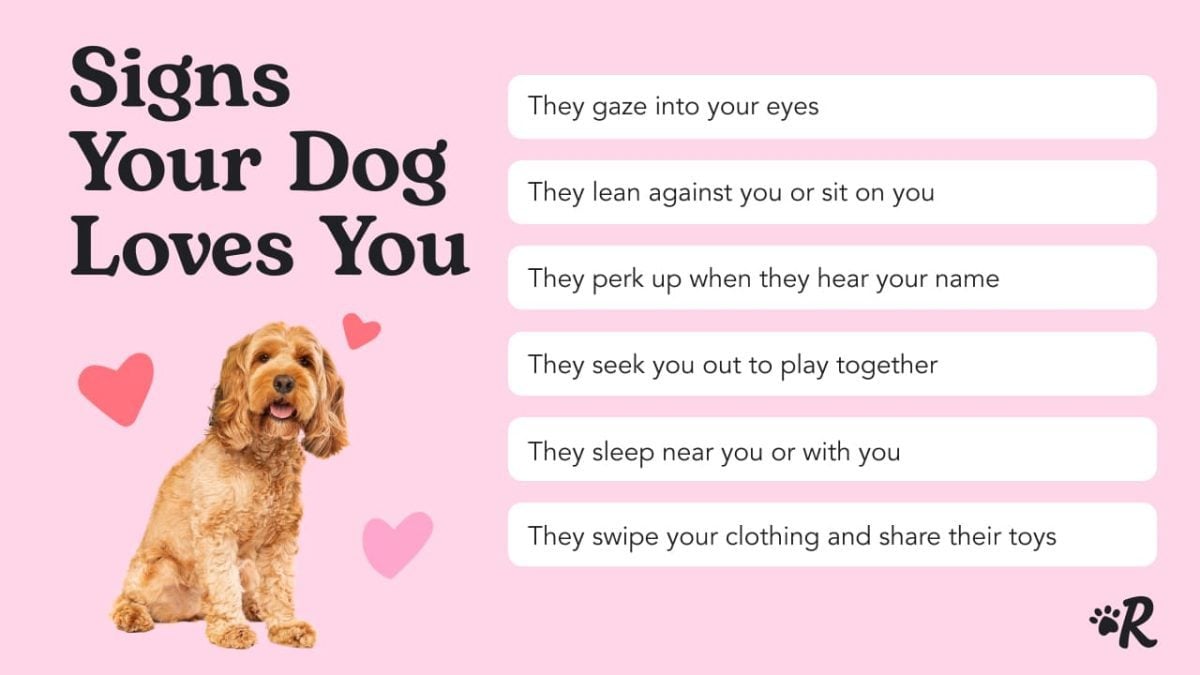
Image Source: www.rover.com
The Roots of Canine Licking
Licking is an ingrained behavior for dogs, stemming from their earliest days. Even before they open their eyes, puppies lick their mothers, and their mothers lick them in return. This early interaction sets the foundation for licking as a vital part of their social and emotional development.
Puppy Licking: A Natural Start
When puppies are born, they are helpless and rely entirely on their mother.
- Early Bonding: The mother dog licks her puppies to stimulate breathing, clean them, and encourage urination and defecation. This constant licking is crucial for the puppies’ survival and creates a powerful early bond.
- Learning Social Cues: As puppies grow, they start to lick their littermates. This play-licking helps them learn about social boundaries and express excitement or submission.
- Seeking Attention: Even as very young puppies, licking can be a way to get their mother’s attention, perhaps for food or comfort. This carries over into their interactions with humans.
Dog Grooming: More Than Just Cleanliness
Licking also plays a role in a dog’s natural grooming instincts.
- Self-Grooming: Dogs lick their own bodies to keep clean, remove parasites, and soothe minor injuries.
- Social Grooming (Allogrooming): In packs, dogs will groom each other. This isn’t just about hygiene; it’s a significant social behavior that reinforces bonds and shows affiliation. When your dog licks you, they might be extending this pack grooming behavior to you, their human family member. They’re treating you as part of their pack, which is a high compliment!
Fathoming Canine Communication Through Licking
Licking is a sophisticated form of canine communication, conveying a range of messages. During cuddles, the context of your interaction is key to deciphering what your dog is trying to say.
Expressing Dog Affection
This is often the most obvious reason. Your dog feels safe, loved, and content with you, and licking is their way of showing it.
- Contentment and Love: A dog licking you gently and repeatedly while cuddling is often expressing pure happiness and affection. They feel secure in your presence and are reciprocating the warmth and comfort they receive.
- Greeting Behavior: While not always during a cuddle, licking can also be a greeting. It’s a way of saying, “I’m happy to see you!” and acknowledging your presence.
Dog Appeasement Signals
Licking can also be a submissive or appeasing gesture.
- Showing Deference: In a pack hierarchy, lower-ranking dogs may lick the mouths of higher-ranking dogs as a sign of respect and to show they are not a threat. When your dog licks your face or mouth area during a cuddle, they might be displaying this appeasement behavior, signaling that they respect your leadership and feel safe under your care.
- Calming Behavior: Sometimes, dogs lick to calm themselves or to try and calm their human. If your dog licks you intensely and then licks their own lips or yawns, they might be feeling a little anxious and are using licking as a self-soothing mechanism.
Seeking Attention and Interaction
Licking can be a learned behavior to solicit a response from you.
- “Pay Attention to Me”: If your dog licks you and you immediately respond by petting them, talking to them, or giving them a treat, they learn that licking is an effective way to get your attention. During cuddles, they might be simply reinforcing this learned behavior, wanting more interaction.
- “Are We Still Snuggling?”: Sometimes, a lick can be a gentle nudge to continue the cuddle session or to indicate they want the cuddle to be more interactive.
Exploring Other Dog Behavior Reasons for Licking
Beyond affection and communication, other factors can contribute to why dogs lick during cuddles.
Taste and Smell: The Allure of Your Skin
Your skin can be quite interesting to your dog.
- Salty Skin: Our skin naturally has salt from sweat. Dogs have a heightened sense of taste, and this salty flavor can be appealing to them.
- Scents of Food: If you’ve recently eaten something delicious, traces of that scent and taste might linger on your skin, making you an irresistible target for a lick.
- Your Unique Scent: Dogs are highly attuned to our individual scents. They might be licking to explore and absorb information about you through your scent.
Dog Stress Relief
While cuddling with you is usually a stress-reducing activity, sometimes licking can be a sign of mild stress or overstimulation.
- Comforting Mechanism: For some dogs, licking can be a self-soothing behavior, much like how humans might fidget when nervous. If the cuddle session is very intense, or if there are other environmental stressors, licking can be a way for them to manage their internal state.
- Over-Excitement: Sometimes, a dog might be so happy and excited about the cuddle session that they get a bit overstimulated, and licking can be an outlet for that energy.
Instinctual Behaviors
As mentioned, licking is deeply ingrained.
- Maternal Instincts: Even neutered males can exhibit licking behaviors that mirror maternal care. They might be showing a nurturing instinct towards you, their primary caregiver.
- Exploration: Licking is also a way for dogs to explore their environment, including the people they interact with. It’s like their way of tasting and touching the world.
Deciphering the Nuances: What Kind of Licking Is It?
The intensity, location, and context of the licking can tell you a lot about its meaning.
Gentle, Slow Licks
- Meaning: These are typically signs of deep affection, contentment, and a strong owner-dog relationship. Your dog is feeling relaxed and secure.
- Example: A few gentle licks on your hand or arm while you’re stroking them.
Rapid, Enthusiastic Licks (Face Licking)
- Meaning: This can indicate excitement, a desire for attention, or appeasement. If it’s accompanied by tail wagging and a relaxed body, it’s likely excitement and affection. If it’s accompanied by a tucked tail or avoiding eye contact, it might be more appeasement.
- Example: A flurry of licks on your face or hands when you first sit down to cuddle.
Licking Specific Body Parts (Hands, Feet)
- Meaning: Hands and feet can carry strong scents and are often touched by your dog during play or interaction. Licking hands might be a request for petting or play, while licking feet can sometimes be a sign of anxiety or a strong appeasement signal.
- Example: Licking your hand after you’ve been petting them.
Excessive Licking or Licking Objects
- Meaning: If the licking becomes obsessive, directed at inanimate objects (like furniture or their own paws), or is accompanied by other signs of stress (pacing, whining, destructive behavior), it might indicate anxiety, boredom, or a more serious behavioral issue. This is less common during relaxed cuddles but is worth noting.
- Example: A dog constantly licking the armrest of the sofa during a cuddle, then moving to lick their own leg repeatedly.
The Owner-Dog Relationship: Licking as a Bond Reinforcer
The act of cuddling itself is a powerful tool for strengthening the bond between you and your dog. When your dog adds licking to this, they are actively participating in reinforcing that connection.
- Mutual Affection: Licking is a two-way street in a way. When you pet your dog, you are showing them affection. When they lick you, they are returning that affection, creating a positive feedback loop.
- Trust Building: The more positive interactions you have, the more your dog trusts you. Licking during cuddles, especially when it’s gentle and affectionate, builds on this trust. It’s a sign that your dog feels safe and comfortable enough to be vulnerable and expressive with you.
- Social Bonding: For pack animals like dogs, physical closeness and grooming are key to social bonding. Your cuddles provide the physical closeness, and the licking adds a grooming-like element, mimicking how they would interact with pack members. This deepens the sense of belonging and partnership in your owner-dog relationship.
When to Be Concerned About Licking
While licking during cuddles is usually a positive sign, there are times when it might indicate a problem.
Excessive or Compulsive Licking
If your dog’s licking seems compulsive, is directed excessively at themselves, or you notice bald spots or raw skin from licking, it could be a sign of:
- Anxiety or Stress: This could be due to separation anxiety, loud noises, or changes in their environment.
- Boredom or Lack of Stimulation: A dog without enough physical or mental exercise might engage in repetitive behaviors.
- Medical Issues: Sometimes, licking can be a response to pain or discomfort, particularly if they are licking a specific area of their body. Gastrointestinal upset can also lead to licking of surfaces or their own mouths.
If you observe any of these compulsive behaviors, it’s crucial to consult with your veterinarian or a certified professional dog trainer/behaviorist.
Licking in Response to Punishment
If you have disciplined your dog, and they start licking you excessively or showing other appeasement behaviors, it’s a sign they may be feeling anxious or fearful about your reaction. This is a signal to re-evaluate your disciplinary methods and focus on positive reinforcement.
Enhancing the Cuddle Experience: What You Can Do
You can encourage positive licking behavior and ensure your cuddles are enjoyable for both of you.
Respond Positively to Affectionate Licks
- Gentle Petting: When your dog gives you a soft lick, respond with calm petting and verbal praise. This reinforces that you appreciate their affection.
- Maintain Calmness: Keep your cuddling sessions calm and relaxing. This will help your dog feel secure and encourage gentle, affectionate licking.
Redirecting Undesired Licking
- Gentle Distraction: If your dog’s licking becomes too intense or bothersome during a cuddle, gently redirect them. Offer a favorite chew toy or a brief, calm play session.
- Avoid Punishment: Never punish your dog for licking you. This can create fear and anxiety, damaging your owner-dog relationship. Instead, focus on reinforcing the behaviors you prefer.
Ensuring Basic Needs Are Met
- Exercise and Mental Stimulation: A well-exercised and mentally stimulated dog is generally a happier and more well-adjusted dog. Ensure your dog gets enough daily activity and challenges.
- Diet and Health: A healthy diet and regular vet check-ups are essential for your dog’s overall well-being. Address any potential medical causes for behavioral changes.
Frequently Asked Questions (FAQ)
Q1: Is it bad if my dog licks me a lot during cuddles?
A1: Generally, no. If the licking is gentle and accompanied by relaxed body language, it’s a sign of affection and strengthens your owner-dog relationship. However, if the licking is excessive, compulsive, or seems to be a response to anxiety or stress, it’s worth investigating further with a professional.
Q2: Why does my dog lick my face specifically?
A2: Dogs often lick faces as a sign of appeasement, affection, and to get attention. It’s also a place where human scents are strong. If they lick your mouth area, it can be a throwback to puppy behavior where they licked their mother’s mouth to solicit regurgitated food.
Q3: Can my dog be trying to tell me something with their licking?
A3: Yes, absolutely! Licking is a key part of canine communication. It can express affection, contentment, a desire for attention, or even feelings of appeasement and mild anxiety. Observing the context and your dog’s other body language will help you decipher their message.
Q4: Should I let my puppy lick me?
A4: Yes, allowing puppy licking is important for their social development and your bond. However, if the puppy licking becomes too rough or nippy, you can gently redirect them to a toy. As they grow, you can guide their licking into more appropriate, affectionate behaviors.
Q5: Does licking mean my dog thinks I’m their mother?
A5: It can be a reminiscent behavior of the care they received from their mother, but it doesn’t necessarily mean they view you solely as their mother. It’s more about expressing deep affection, trust, and social bonding, which are behaviors they learned and practiced from their earliest days.
Q6: Are there any health risks associated with dog licking?
A6: For most healthy humans and dogs, the risks are minimal. However, there’s a small chance of transferring bacteria like Capnocytophaga canimorsus, which can cause illness in people with compromised immune systems. It’s always a good practice to wash your hands after your dog licks you, especially if you have open wounds or a weakened immune system.
Conclusion
When your dog showers you with licks during a cuddle session, it’s a beautiful testament to the deep bond you share. From their earliest puppy days to their adult life, licking is a fundamental aspect of their being, serving as a primary mode of dog affection, canine communication, and social bonding. By recognizing the various dog behavior reasons behind this common act – from expressing love and seeking attention to even signs of appeasement or self-soothing – you can better appreciate the rich inner world of your canine companion and further nurture your cherished owner-dog relationship. Enjoy those licks; they’re a language of love spoken in the most authentic way a dog knows.