
Can you stop your dog from peeing on the rug? Yes, with patience, consistency, and the right approach, you absolutely can stop your dog from peeing on the rug. This issue is a common concern for many dog owners, whether you have a new puppy or an older dog exhibiting behavioral changes. Addressing the root cause, whether it’s a lack of proper dog house training, a medical issue, or an emotional trigger, is key to a successful solution.
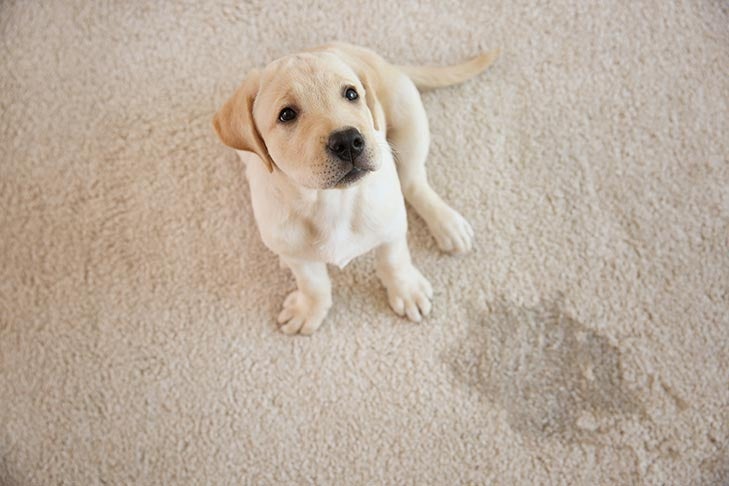
Image Source: www.akc.org
Deciphering Why Dogs Pee Indoors
Before we can effectively stop the behavior, it’s crucial to understand why dogs might have indoor dog accidents. There isn’t one single reason; rather, it’s often a combination of factors.
Incomplete Housebreaking
For puppies, accidents are often a sign that housebreaking puppy is still in progress. Young puppies have small bladders and less control. Even older dogs may have had insufficient potty training puppy as youngsters.
Medical Conditions
A sudden change in potty habits can indicate an underlying medical issue. Urinary tract infections (UTIs), bladder stones, kidney disease, diabetes, or even cognitive dysfunction in senior dogs can lead to accidents. If your dog is suddenly peeing indoors when they never have before, a veterinary check-up is essential.
Anxiety and Stress
Dogs can pee indoors due to anxiety or stress. This could be separation anxiety, fear of loud noises (like thunderstorms or fireworks), changes in the household (new pet, new baby, moving), or even feeling insecure in their environment.
Submissive Urination
Some dogs, particularly those with a history of fear or anxiety, may urinate when they feel threatened, excited, or when being greeted by someone they perceive as dominant. This is often a sign of submission rather than defiance.
Marking Behavior
Intact male dogs are more prone to marking their territory with urine, but neutered males and even females can exhibit this behavior. They might mark areas where they feel insecure, or in response to other animals (even those not present) marking the area. Rugs, especially those with the scent of other animals or people, can become targets.
Incomplete Cleaning of Previous Accidents
If a rug has been previously soiled and not cleaned thoroughly with an enzymatic cleaner for dog urine, the residual scent can attract the dog back to the same spot. Dogs have a much stronger sense of smell than humans, and even a faint odor can be a powerful cue.
Inadequate Potty Breaks
Dogs need regular opportunities to relieve themselves. If a dog is left for too long without a potty break, or if their cues to go outside are missed, they may have an accident indoors.
Strategies for Retraining Dog Peeing on Rugs
Once we have a better idea of the “why,” we can implement effective strategies for retraining dog peeing on rugs. This involves a multi-pronged approach focusing on prevention, positive reinforcement, and thorough cleaning.
Reinforcing Proper Potty Habits
The foundation of stopping indoor accidents is reinforcing good behavior.
- Frequent Potty Breaks: Take your dog outside frequently, especially after waking up, after playing, and after eating. For puppies, this means every 1-2 hours initially.
- Consistent Routine: Establish a predictable schedule for potty breaks. This helps your dog learn when to expect to go outside.
- Positive Reinforcement: When your dog eliminates outside, praise them enthusiastically and offer a high-value treat. Make going outside a rewarding experience.
- Accident Management: If you catch your dog in the act of peeing indoors, interrupt them calmly with a sound (like a gentle “oops” or a clap) and immediately take them outside to their designated potty spot. If they finish outside, praise them. Never punish your dog for an accident after the fact, as they won’t connect the punishment to the act.
The Role of Dog Pee Pads
Dog pee pads can be a useful tool, especially during the early stages of housebreaking puppy or for dogs with medical conditions that limit their mobility.
- Introducing Pee Pads: Place the pee pad in a designated area. Take your dog to the pad frequently, especially after waking up or eating. When they use the pad, praise and reward them.
- Gradual Transition: If your goal is for your dog to go outside, you’ll need to gradually transition them away from the pads. Start by moving the pad closer to the door, then place it just outside the door, and eventually, remove it entirely, encouraging them to go in the yard.
- Considerations: While helpful for some, excessive reliance on pee pads can sometimes confuse dogs about where it’s appropriate to urinate.
The Importance of Enzymatic Cleaners
Effective cleaning is paramount. Standard household cleaners might mask the odor for humans, but they won’t eliminate the scent markers that attract dogs.
- What are Enzymatic Cleaners? These cleaners contain beneficial enzymes that break down the organic molecules in urine, effectively eliminating the odor at its source.
- How to Use:
- Blot Excess Urine: First, blot up as much of the fresh urine as possible with paper towels.
- Apply Cleaner Generously: Saturate the affected area with the enzymatic cleaner for dog urine. Ensure it penetrates as deeply as the urine did. For rugs, this might mean lifting the carpet or using a carpet extractor.
- Allow to Dry: Let the cleaner air dry completely. This allows the enzymes to do their work. Avoid using heat, as it can set the stain and odor.
- Repeat if Necessary: For stubborn or old stains, you might need to repeat the process.
Addressing Specific Scenarios
Let’s look at how to tackle the issue based on common reasons for rug peeing.
Scenario 1: Puppy Housebreaking Accidents
If you’re dealing with a puppy, consistent potty training puppy is your primary focus.
- Crate Training: A crate can be an invaluable tool. Dogs are naturally reluctant to soil their sleeping area. When used correctly (as a den, not a punishment), crate training helps prevent accidents and teaches your puppy to hold it. Take them out immediately after they are released from the crate.
- Supervision: Keep your puppy on a leash or tethered to you when they are not in their crate. This allows you to watch for signs they need to go (sniffing, circling, whining) and quickly escort them outside.
- Positive Reinforcement: Celebrate every success! A wagging tail and a tasty treat go a long way.
Scenario 2: Anxiety-Related Accidents
If anxiety is the culprit, you need to address the underlying stress.
- Identify Triggers: What events or situations cause your dog to become anxious?
- Desensitization and Counter-Conditioning: For specific fears (like thunderstorms), you can gradually expose your dog to the trigger at a low intensity while pairing it with positive experiences (treats, play). Consult a dog behaviorist urine specialist or a certified professional dog trainer for guidance.
- Create a Safe Space: Ensure your dog has a comfortable den or safe area where they can retreat when feeling anxious.
- Calming Aids: Pheromone diffusers, calming treats, or Thundershirts can be helpful for some dogs.
- Consult a Professional: If anxiety is severe, professional help from a veterinary behaviorist or a qualified dog behaviorist urine expert is highly recommended.
Scenario 3: Marking Behavior
Stopping marking behavior requires preventing territorial urges and redirecting the dog’s focus.
- Neutering/Spaying: For intact dogs, neutering or spaying can significantly reduce marking behavior.
- Clean Thoroughly: Ensure any previous marking spots are meticulously cleaned with an enzymatic cleaner.
- Limit Access: If your dog consistently marks a particular rug, consider temporarily removing it or restricting access to that area.
- Supervise and Redirect: Watch for pre-marking behaviors (like sniffing intently at a spot) and redirect your dog to an appropriate activity or potty break.
- Increase Exercise and Mental Stimulation: A tired dog is often a less anxious and less territorial dog.
Scenario 4: Senior Dog Accidents
Older dogs might experience accidents due to medical issues or cognitive decline.
- Veterinary Examination: Rule out medical causes first.
- More Frequent Potty Breaks: Senior dogs may need to go out more often.
- Accessibility: Ensure easy access to the outdoors. Ramps can be helpful for dogs with mobility issues.
- Doggy Doors: Consider a doggy door so they can let themselves out.
- Comfortable Bedding: Soft, supportive bedding can make it easier for senior dogs to get up and move.
Cleaning Dog Urine Smell Effectively
Even if you’ve addressed the behavioral issue, residual odors can cause repeat offenses. Proper cleaning dog urine smell is crucial.
- Act Quickly: The sooner you address an accident, the easier it is to clean and eliminate odors.
- Blot, Don’t Rub: Rubbing can push the urine deeper into the carpet fibers.
- Enzymatic Cleaner is Key: As mentioned, this is your best weapon against the smell.
- Test in an Inconspicuous Area: Before using any cleaner on your rug, test it in a small, hidden spot to ensure it doesn’t damage the material or color.
- Consider Professional Cleaning: For deeply ingrained stains or persistent odors, professional carpet cleaning may be necessary. Ensure they use pet-specific cleaning solutions.
When to Seek Professional Help
While many indoor dog accidents can be resolved with diligent owner intervention, there are times when professional guidance is essential.
- Sudden Behavioral Changes: If a previously well-house-trained dog suddenly starts having accidents, a medical issue is likely, and a veterinarian is the first point of contact.
- Severe Anxiety or Aggression: If the accidents are linked to significant anxiety, fear, or aggression, a qualified dog behaviorist urine specialist or a certified applied animal behaviorist (CAAB) can provide expert diagnosis and treatment plans.
- Lack of Progress: If you’ve tried various methods consistently for a significant period with no improvement, a professional can help identify what you might be missing.
Troubleshooting Common Issues
| Problem | Potential Causes | Solutions |
|---|---|---|
| Dog pees immediately after coming inside | Not fully emptying bladder; excitement; association of indoors with potty time. | Ensure dog finishes outside; praise for finishing; make outside the ONLY potty spot; prevent lingering at the door. |
| Dog pees in crate or kennel | Crate too large; left too long; medical issue; anxiety. | Ensure crate is just big enough; use crate for short periods initially; never use as punishment; rule out medical issues; provide comfort. |
| Dog pees during greetings/excitement | Submissive urination; excitement urination. | Greet dog calmly; have visitors ignore dog initially; reward calm behavior; consult dog behaviorist urine expert. |
| Dog avoids going outside | Fear of weather; fear of specific area; negative past experience. | Make outside time positive; start with very short trips; explore different potty spots; rule out phobias. |
| Rug is always the target spot | Incomplete cleaning; preferred texture; marking territory. | Thoroughly clean with enzymatic cleaner for dog urine; temporarily remove rug; block access; increase outdoor potty breaks. |
Frequently Asked Questions (FAQ)
Q1: How long does it typically take to retrain a dog from peeing on rugs?
A1: The timeframe varies greatly depending on the dog’s age, history, and the underlying cause. For puppies, consistent housebreaking puppy can take several weeks to months. For older dogs, retraining dog peeing can also take weeks to months, especially if anxiety or past habits are involved. Patience and consistency are key.
Q2: Can I punish my dog if they pee on the rug?
A2: No, punishing your dog after the fact is ineffective and can be detrimental. Dogs live in the moment and won’t connect the punishment to an accident that happened minutes or hours ago. Punishment can lead to fear, anxiety, and even worsen the problem by making your dog secretive about their accidents. Focus on positive reinforcement for desired behavior.
Q3: What if my dog is old and just started peeing on the rug?
A3: For older dogs experiencing new indoor dog accidents, the first step should always be a visit to the veterinarian. Medical conditions such as UTIs, diabetes, kidney issues, or cognitive decline can cause loss of bladder control. Once medical issues are ruled out, you can explore behavioral strategies and potentially implement more frequent potty breaks.
Q4: Is it normal for puppies to pee on rugs?
A4: Yes, it’s normal for puppies to have accidents during potty training puppy. Their bladders are small, and they are still learning to control them. The key is consistent dog house training and management to minimize these incidents and teach them where to go.
Q5: How do I get rid of the dog urine smell permanently?
A5: The most effective way to get rid of dog urine smell permanently is by using a high-quality enzymatic cleaner for dog urine. These cleaners break down the urine crystals. Regular cleaning products often only mask the smell, which is why dogs might return to the same spot. Proper and thorough cleaning is crucial.
By approaching the problem with a clear understanding of the causes and implementing consistent, positive strategies, you can successfully stop your dog from peeing on the rug and maintain a clean, happy home.