
Can you stop a dog from being dominant? Yes, by establishing clear leadership, consistent training, and providing appropriate outlets for your dog’s energy and instincts. Many owners wonder if their dog’s behavior stems from dominance. While the term “dominance” can be debated, certain behaviors often labeled as such can certainly be managed and redirected to create a more harmonious relationship. This article will guide you through identifying and modifying these behaviors, focusing on building a strong bond based on respect and clear communication.
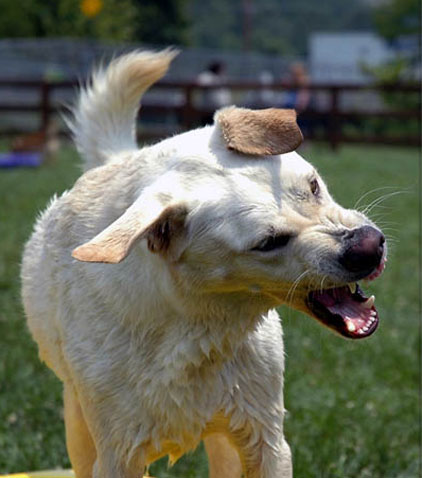
Image Source: leerburg.com
Deciphering “Dominant” Dog Behaviors
First, let’s clarify what we mean when we refer to a dog exhibiting “dominant” behaviors. It’s important to move away from outdated, often inaccurate, theories about pack hierarchy in domestic dogs mimicking wolf packs. While dogs do have social structures, a rigid “alpha” system isn’t the sole driver of their behavior. Instead, many behaviors we label as dominance are often rooted in fear, anxiety, lack of proper socialization, or simply not having their needs met.
Common behaviors sometimes attributed to dominance include:
- Resource guarding: A dog may guard their food, toys, or even their owner from perceived threats. This is often a sign of insecurity rather than true dominance.
- Leash reactivity: Lunging, barking, or growling at other dogs or people while on leash. This can stem from frustration, fear, or a lack of control.
- Jumping on people: While sometimes seen as an attempt to assert control, it’s more often an over-excited greeting or a learned behavior from a lack of consistent redirection.
- Nipping or mouthing: Especially in puppies, this is natural exploration. In adult dogs, it can be a sign of frustration or a learned way to get attention.
- Disregard for commands: A dog that consistently ignores cues might be confused, bored, or not understand the value of responding.
- Mounting: This can be related to excitement, stress, or a misdirected play behavior, not necessarily an attempt to be the “alpha.”
It’s crucial to remember that these behaviors are often a dog’s way of communicating their needs or anxieties. A confident owner who can accurately interpret these signals is key to addressing them.
The Foundation of a Balanced Relationship: Leadership, Not Tyranny
The concept of being a “pack leader” is often misunderstood. True leadership in the context of dog ownership isn’t about intimidation or exerting brute force. It’s about providing structure, guidance, and clear expectations, much like a responsible parent or a good leader in any social group. Your dog looks to you for safety, direction, and reassurance.
Establishing Your Role as the Pack Leader
- Consistency is Key: Dogs thrive on predictability. Be consistent with rules, routines, and training. This helps your dog learn what is expected of them.
- Clear Boundaries: Define what is and isn’t acceptable behavior. For example, is your dog allowed on the furniture? If so, under what conditions? If not, enforce this rule every time.
- Reward Good Behavior: Focus on reinforcing positive actions. This builds a stronger bond and makes your dog more eager to please.
Why Forceful Methods Backfire
Aggressive or forceful training methods can actually exacerbate problematic behaviors. They can instill fear, anxiety, and distrust, leading to a dog that is more likely to react out of defense or insecurity, which can then be misread as dominance. The goal is to build a partnership, not a dictatorship.
Essential Training Strategies
Obedience training is the cornerstone of managing any unwanted behavior, including those that might be misinterpreted as dominance. It’s not just about teaching commands; it’s about teaching your dog to focus on you, to respond to your cues, and to understand that listening leads to positive outcomes.
Positive Reinforcement: The Power of Rewards
Positive reinforcement involves rewarding desired behaviors. This can include:
- Treats: Small, high-value treats are excellent motivators.
- Praise: Enthusiastic verbal praise is always a good addition.
- Petting: Gentle physical affection can reinforce good behavior.
- Play: A favorite toy can be a great reward.
When your dog responds to a command like “sit” or “stay,” immediately reward them. This teaches them that following your directions is a rewarding experience.
Basic Obedience Commands for Building Structure
- Sit: A fundamental command that promotes calmness.
- Stay: Teaches impulse control and patience.
- Come: Essential for safety and recall.
- Leave It: Crucial for preventing them from picking up undesirable items.
- Down: A calming position that can be very useful.
Table: Implementing Basic Obedience Commands
| Command | How to Teach | Reinforce by |
|---|---|---|
| Sit | Hold a treat near your dog’s nose. Move it up and back over their head. As their head goes up, their rear should go down. Say “Sit” as they go down. Reward. | Reward with a treat and praise when they sit. Practice in various environments. |
| Stay | Ask your dog to sit. Say “Stay” and hold up your hand. Take one step back. If they stay, return and reward. Gradually increase distance and duration. | Reward with a treat when they hold the stay. Release them with a word like “Okay.” |
| Come | Get down to your dog’s level. Use a happy tone and say their name followed by “Come!” Back away while calling them. Reward enthusiastically when they reach you. | Make coming to you the most rewarding thing ever! Never punish them when they come to you. |
| Leave It | Place a low-value treat on the floor and cover it with your hand. Say “Leave It.” When your dog stops trying to get it, reward them with a higher-value treat from your other hand. | Practice with increasingly tempting items. Reward them for ignoring the item. |
Socialization: A Key Component
Proper socialization, especially during a puppy’s critical development period (roughly 3 to 16 weeks), is vital. Exposing your dog to a variety of people, places, sounds, and other well-behaved dogs in a positive way helps them develop into a confident, well-adjusted adult. This reduces fear-based reactions that can sometimes be mistaken for dominance.
Addressing Specific Behaviors
Once you have a solid foundation of training and clear communication, you can start addressing specific behaviors that might be causing concern.
Resource Guarding: Fostering Generosity
Resource guarding is often rooted in insecurity. Instead of snatching items away, focus on building trust and teaching your dog that good things come when they “leave it” or when you approach.
- Trading Up: When your dog has an item, offer them something even better in exchange. For example, if they have a toy, offer them a delicious treat. As they drop the toy to take the treat, praise them. This teaches them that your approach leads to positive outcomes.
- Controlled Introductions: When feeding, don’t hover. If you need to approach, do so calmly and perhaps drop an extra treat into their bowl.
- “Leave It” Command: Consistently practice the “leave it” command with various items.
Leash Reactivity: Building Confidence and Control
Leash reactivity can be overwhelming, but it’s often a sign of frustration or fear.
- Counter-Conditioning: When you see a trigger (another dog, person) at a distance where your dog notices but doesn’t react, immediately give them a high-value treat. As the trigger moves away, stop the treats. This teaches your dog that seeing the trigger predicts good things.
- Desensitization: Gradually expose your dog to triggers at a distance where they remain calm. Slowly decrease the distance over many sessions.
- Management: Avoid situations that trigger extreme reactions until your training progresses. Use higher ground or walk at different times if necessary.
- Focus on You: Teach your dog to focus on you when a trigger is present. Practice commands like “look at me” or “touch” to redirect their attention.
Jumping and Mouthing: Redirecting Energy
- Jumping: When your dog jumps, turn away or step back, ignoring the behavior. As soon as all four paws are on the floor, reward them with attention or a treat. Teach them that calm greetings get rewarded.
- Mouthing: If your dog mouths you during play, let out a sharp “ouch!” and withdraw attention for a few seconds. This mimics how littermates teach each other bite inhibition. Offer appropriate chew toys as an alternative.
The Importance of a Confident Owner
Your demeanor significantly impacts your dog. A confident owner projects calmness and control, which reassures the dog. If you are anxious or uncertain, your dog may pick up on that and become more unsettled.
Projecting Confidence
- Body Language: Stand tall, make calm eye contact, and move with purpose. Avoid nervous fidgeting.
- Voice Tone: Use a clear, firm but not angry tone when giving commands. Use a happy, enthusiastic tone for praise.
- Assertiveness, Not Aggression: Assertiveness means calmly and clearly communicating your expectations. Aggression involves intimidation or force.
Building Your Own Confidence
- Knowledge is Power: The more you learn about dog behavior and training, the more confident you’ll feel.
- Seek Professional Help: If you’re struggling, don’t hesitate to consult a certified professional dog trainer or a veterinary behaviorist.
- Celebrate Small Wins: Acknowledge your progress and your dog’s progress.
Providing Outlets for Natural Behaviors
Dogs have innate needs that, if not met, can manifest in unwanted behaviors.
Mental Stimulation
- Puzzle Toys: These challenge your dog mentally and provide a rewarding activity.
- Training Sessions: Short, frequent training sessions are great mental workouts.
- Nose Work: Hide treats around the house or yard for your dog to find.
Physical Exercise
- Daily Walks: Ensure your dog gets enough exercise for their breed and age.
- Playtime: Fetch, tug-of-war (with rules!), and running in a safe area are excellent.
- Dog Sports: Agility, flyball, or scent work can be incredibly beneficial.
When to Seek Professional Help
While many behavioral issues can be managed with consistent training and the right approach, some situations require expert intervention.
Identifying the Need for a Professional
- Aggression: If your dog shows signs of aggression towards people or other animals, consult a professional immediately.
- Extreme Fear or Anxiety: If your dog is constantly fearful, anxious, or exhibits phobias, a behaviorist can help.
- Lack of Progress: If you’ve been consistent with training and aren’t seeing improvement, a professional can identify underlying issues or refine your approach.
A qualified professional can assess your dog’s behavior, identify the root causes, and develop a tailored training plan. They can also teach you specific techniques and provide support.
Fathoming the Pack Hierarchy (Revisited)
While the strict wolf pack dominance theory doesn’t perfectly map to domestic dogs, the idea of a clear, benevolent leadership structure within a household is still valuable. Your dog needs to know who is in charge – not in a tyrannical way, but in a way that provides security and structure. This means you are the one making decisions about resources, activities, and rules.
Think of it as being the calm, consistent, and fair provider. You control when meals are given, when toys are played with, and when training sessions happen. This predictable structure allows your dog to relax because they don’t feel the need to assert themselves or worry about who is in control.
Demonstrating Leadership Through Daily Routines
- Mealtime Control: Your dog should wait for your permission before eating. Don’t just put the bowl down and let them dive in. Have them sit or stay before you present the food.
- Doorway Etiquette: Your dog should wait for you to go through doorways first. This reinforces that you lead the way.
- Controlled Affection: While showering your dog with love is important, you initiate affection. Don’t let your dog demand attention by pawing or nudging you incessantly. Respond when they are calm and have shown polite behavior.
Building a Bond Through Communication
The most effective way to curb behaviors labeled as dominance is to build a strong, positive relationship with your dog based on clear communication and mutual respect. Your dog should see you as their trusted guardian and guide.
Non-Verbal Communication
Pay attention to your dog’s body language. They are constantly communicating with you through tail wags, ear position, vocalizations, and posture. Learning to interpret their submissive signals – such as looking away, lip licking, yawning, or a tucked tail – helps you understand when they might be uncomfortable or anxious, allowing you to de-escalate situations before they become problematic.
The Role of Assertiveness
Being assertive means you are confident and clear in your actions and expectations. It doesn’t mean being aggressive. It’s about calmly guiding your dog, setting the rules, and consistently enforcing them. A dog that knows what to expect and feels secure in your leadership is less likely to feel the need to “take charge” themselves.
Frequently Asked Questions (FAQ)
Q1: Is my dog truly dominant, or is it something else?
A: Many behaviors attributed to dominance are actually signs of fear, anxiety, lack of training, or unmet needs. It’s important to look at the context and history of the behavior rather than jumping to the conclusion of “dominance.”
Q2: Can I stop a dog from being dominant without being harsh?
A: Absolutely. Harsh methods can be counterproductive. Focus on positive reinforcement, clear communication, consistent boundaries, and meeting your dog’s needs. This builds trust and cooperation.
Q3: How long does it take to change a dog’s behavior?
A: The timeline varies greatly depending on the dog, the specific behavior, its duration, and the consistency of training. Be patient and consistent, and celebrate small victories. Some behaviors might take weeks or months to modify.
Q4: Should I let my dog do whatever it wants to show them who’s boss?
A: No, this is a misconception. You need to provide structure and guidance. Allowing a dog to have “free reign” without any rules can lead to confusion and anxiety.
Q5: What if my dog doesn’t respond to positive reinforcement?
A: Ensure you are using high-value rewards that truly motivate your dog. You might also need to adjust your training methods or consult a professional to ensure you are communicating effectively and the dog doesn’t have underlying health or behavioral issues.
By focusing on building a strong, trusting relationship through consistent training, clear leadership, and meeting your dog’s needs, you can effectively manage and redirect behaviors, leading to a happier, more harmonious life for both you and your canine companion. Remember, a well-behaved dog is a result of a well-informed and committed owner.