
A dog can have between one to three Milk-Bone treats per day, but this number depends heavily on the dog’s size, age, activity level, and overall diet. Giving too many Milk Bones can lead to weight gain and nutrient imbalances.
Milk Bones, a popular dog treat, are often a delightful reward for our canine companions. They can be a great way to reinforce good behavior, provide mental stimulation, or simply show affection. However, the question of “how many Milk Bones can a dog have a day?” is crucial for maintaining your dog’s health and well-being. It’s not simply about doling out as many as your dog begs for; it’s about responsible pet ownership and adhering to sound dog diet guidelines.
This article aims to provide in-depth, well-researched information on the appropriate dog treat frequency and daily dog treat allowance for Milk Bones, offering practical pet nutrition advice to help you make informed decisions. We’ll delve into factors influencing treat consumption, the concept of treat portion control, and how Milk Bones fit into a balanced dog feeding schedule.
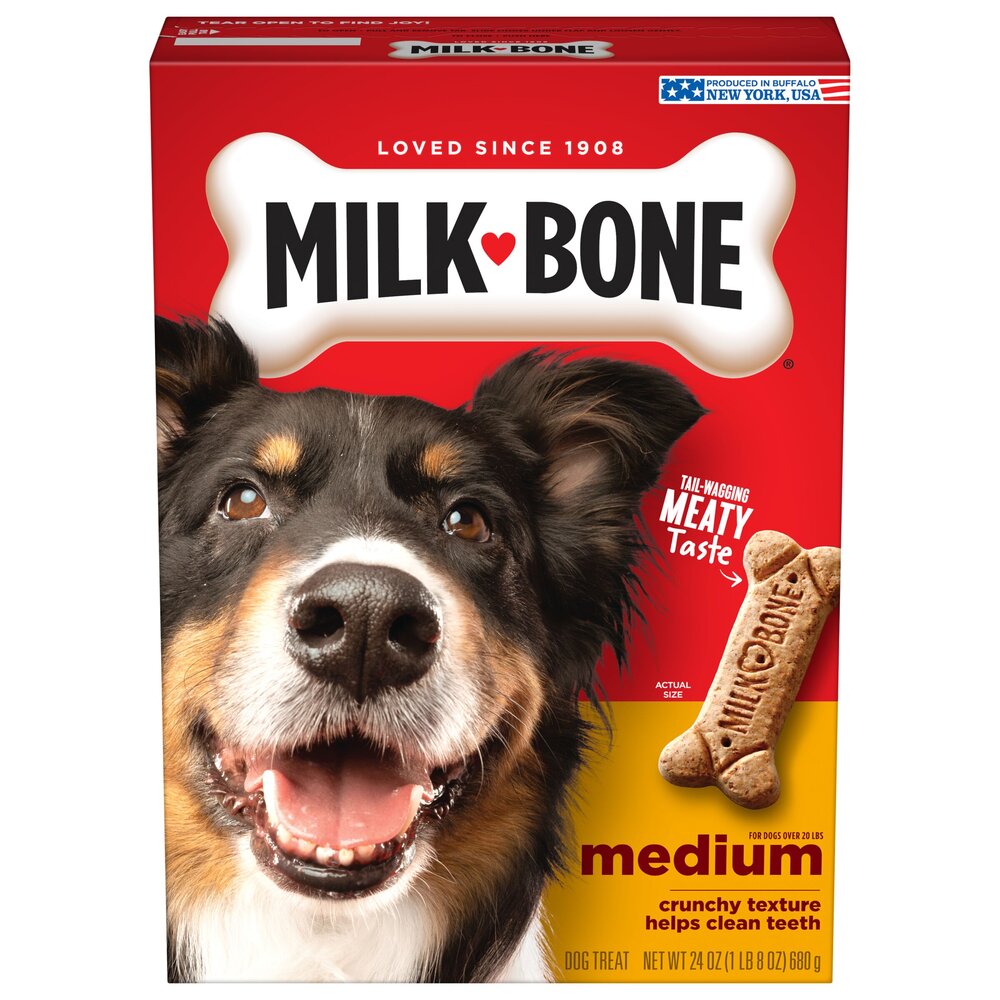
Image Source: www.milkbone.com
Deciphering the Milk Bone Treat for Your Dog
Milk Bones are a classic choice, and for good reason. They offer a satisfying crunch and are generally palatable to most dogs. However, like any treat, they should be considered an addition to, not a replacement for, a balanced diet. Understanding the milk bone serving size is the first step. Standard Milk Bones come in various sizes, such as small, medium, and large. A small Milk Bone contains around 10-15 calories, while a large one can be upwards of 30-40 calories. This might not seem like much, but calories from treats can quickly add up.
The Role of Treats in a Dog’s Diet
Treats, including Milk Bones, should ideally make up no more than 10% of a dog’s total daily caloric intake. This is a fundamental principle in dog diet guidelines. If your dog consumes 1000 calories a day from their regular food, then treats should not exceed 100 calories. This is where careful treat portion control becomes essential.
Factors Influencing How Many Milk Bones Are Appropriate
Several key factors will determine the ideal number of Milk Bones for your individual dog.
Size Matters: A Canine’s Caloric Needs
A Great Dane will have vastly different caloric needs than a Chihuahua. Larger dogs require more calories overall, meaning they can potentially tolerate a few more treats than their smaller counterparts, provided those treats are portioned correctly.
- Small Breeds (e.g., Yorkshire Terrier, Shih Tzu): Typically need 200-400 calories per day. This means a maximum of 20-40 calories from treats. One small Milk Bone might be sufficient, or perhaps half of a medium one.
- Medium Breeds (e.g., Beagle, Border Collie): Generally require 500-800 calories per day. This allows for 50-80 calories from treats. Two to three small Milk Bones or one to two medium ones could be appropriate.
- Large Breeds (e.g., Labrador Retriever, German Shepherd): Need 1000-1500 calories per day. This opens up to 100-150 calories for treats. This might translate to a couple of medium or one large Milk Bone, depending on other caloric sources.
- Giant Breeds (e.g., Great Dane, Mastiff): Can require 1500-2500+ calories per day. This allows for 150-250+ calories from treats, but it’s crucial to consult your vet to avoid overfeeding.
Age and Activity Levels: Fueling the Fun
- Puppies: Puppies are growing rapidly and have specific nutritional needs. Too many treats can disrupt their carefully balanced puppy food. It’s generally recommended to limit treats for puppies, especially during critical growth phases. Consult your veterinarian for specific canine treat recommendations for puppies.
- Adult Dogs: Adult dogs’ calorie needs vary significantly with their activity level.
- Sedentary Dogs: Dogs that spend most of their time napping and have minimal exercise will need fewer calories overall, and therefore fewer treats.
- Moderately Active Dogs: Dogs that enjoy daily walks and playtime can handle a slightly higher treat allowance.
- Highly Active Dogs: Working dogs or those participating in canine sports may have much higher caloric needs, but even then, treats should be carefully managed to avoid weight gain.
- Senior Dogs: Older dogs may have slower metabolisms and are often less active. This means they generally require fewer calories and should receive fewer treats to prevent obesity.
Health Conditions: Tailoring Treat Intake
Certain health conditions can impact how many treats your dog can safely consume.
- Diabetes: Dogs with diabetes require strict dietary control. Treats, especially those with carbohydrates, can significantly affect blood sugar levels. Consult your veterinarian for appropriate treat options and quantities.
- Weight Management: Overweight dogs need a calorie-restricted diet. Treats should be minimal or completely avoided until a healthy weight is achieved. Opt for low-calorie, high-fiber options if treats are necessary.
- Kidney or Liver Disease: Dogs with these conditions often need specific dietary modifications. Your veterinarian will provide tailored advice on what treats are safe and in what quantities.
Calculating the Daily Dog Treat Allowance
The most effective way to determine your dog’s daily dog treat allowance is to understand their total daily caloric requirement and ensure treats do not exceed the 10% limit.
Step 1: Determine Your Dog’s Resting Energy Requirement (RER) and Maintenance Energy Requirement (MER)
- Resting Energy Requirement (RER): This is the energy your dog needs to perform basic bodily functions while at rest. The formula is: RER = 70 × (body weight in kg)^0.75.
- Maintenance Energy Requirement (MER): This is the total daily energy needed for a healthy, active adult dog. MER is calculated by multiplying RER by a factor that accounts for the dog’s lifestyle (e.g., 1.0 for spayed/neutered adults, 1.2 for active adults, 1.4-1.8 for working dogs).
Your veterinarian can help you accurately calculate these values.
Step 2: Identify the Caloric Content of Milk Bones
Check the packaging of your chosen Milk Bone product. It will state the calories per biscuit, usually for each size.
Step 3: Calculate the 10% Treat Limit
Once you know your dog’s MER (total daily caloric needs), calculate 10% of that number. This is the maximum number of calories your dog should consume from treats.
Example:
Let’s say your medium-sized dog has a MER of 800 calories per day.
10% of 800 calories = 80 calories.
Now, if a medium Milk Bone contains 25 calories, your dog could have approximately 3 medium Milk Bones per day (80 calories / 25 calories per Milk Bone ≈ 3.2). However, it’s always wise to err on the side of caution and perhaps offer slightly fewer.
Smart Treat Portion Control Strategies
Effective treat portion control is more than just counting Milk Bones; it involves smart strategies to integrate treats into your dog’s life without derailing their diet.
Substituting Kibble for Treats
A fantastic way to manage treat intake without reducing the number of rewards is to use a portion of your dog’s regular kibble as treats. If your dog gets two cups of kibble per day, you can set aside a small portion (e.g., 1/4 cup) and use those kibble pieces as rewards throughout the day. This ensures the treats are nutritionally equivalent to their main diet.
Breaking Them Down
If you’re using larger Milk Bones, break them into smaller pieces. This makes one treat last longer and provides more opportunities for rewarding your dog. This is a simple yet effective milk bone serving size adjustment.
Incorporating into Meals
Instead of giving treats between meals, you can sometimes use a few kibble pieces or a small piece of a Milk Bone as a “dessert” after they finish their main meal. This can be particularly helpful for dogs who tend to “graze” or are less enthusiastic about their food.
Reading Labels and Considering Alternatives
Always read the labels of any treats you offer. Look for healthy dog treats that are lower in calories and made with quality ingredients. Many brands offer dental chews, training treats, or even fruits and vegetables that can be safely incorporated into your dog’s diet in moderation.
The Importance of a Balanced Dog Feeding Schedule
A consistent dog feeding schedule helps regulate your dog’s metabolism and can make managing treat intake easier.
- Scheduled Meals: Feed your dog at set times each day. This creates a routine and helps prevent constant begging for food or treats.
- Avoid Free-Feeding: Leaving food out all day can make it difficult to track how much your dog is actually eating and can contribute to overeating and obesity.
- Treat Timing: If you are using treats for training, try to schedule these sessions shortly before a meal. Your dog might be less distracted by hunger, and you can use a portion of their kibble as rewards.
Making Milk Bones Healthy Dog Treats
While Milk Bones can be part of a healthy diet, their nutritional profile is primarily carbohydrate-based. They are not considered a complete and balanced food source. When used as healthy dog treats, they should be part of a broader strategy.
Nutritional Considerations of Milk Bones
- Calories: As discussed, the primary concern is caloric density.
- Ingredients: Milk Bones typically contain wheat flour, sugar, and artificial colors and flavors. While generally safe for most dogs, some dogs may have sensitivities to wheat or other ingredients.
- Lack of Essential Nutrients: They do not provide the necessary protein, fats, vitamins, and minerals that form the foundation of a healthy dog’s diet.
When Milk Bones Might Be Less Ideal
- Dogs with Grain Sensitivities: If your dog experiences digestive upset, itchy skin, or ear infections, a wheat-based treat like Milk Bones might not be suitable.
- Diabetic Dogs: The carbohydrate content and potential for added sugar can make them problematic for managing blood sugar.
- Dogs on Strict Weight-Loss Diets: Lower-calorie alternatives are usually a better choice.
Alternatives to Consider
There are many excellent healthy dog treats available or that you can make at home:
- Small pieces of cooked lean meat: Chicken, turkey, or lean beef.
- Plain, cooked sweet potato or pumpkin: Excellent sources of fiber and vitamins.
- Low-sodium, unsalted green beans or carrots: Crunchy and low in calories.
- Commercial training treats: Many brands offer specialized low-calorie or single-ingredient training treats.
When choosing alternatives, always research their nutritional content and consult your veterinarian.
Frequently Asked Questions About Milk Bones and Dog Treats
Q1: Can my puppy have Milk Bones?
A1: It’s generally best to wait until puppies are at least six months old and have transitioned to adult food before introducing treats like Milk Bones. Their digestive systems are still developing, and their nutritional needs are best met by puppy-specific food. Consult your vet for the best approach.
Q2: What if my dog is begging for more Milk Bones?
A2: Begging is common! If your dog is asking for more, it’s a good indicator that they’re enjoying them, but not necessarily that they need them. Stick to your pre-determined daily dog treat allowance. You can try offering praise, a favorite toy, or a quick play session instead of an extra treat.
Q3: Are Milk Bones bad for dogs?
A3: Milk Bones are not inherently “bad” for dogs when given in moderation and as part of a balanced diet. However, overfeeding them can lead to weight gain and nutrient deficiencies. It’s about responsible dog treat frequency and treat portion control.
Q4: How can I tell if I’m giving my dog too many treats?
A4: Signs include weight gain, changes in stool consistency (more frequent or looser stools), increased thirst, or a duller coat. If you notice any of these, re-evaluate your dog’s treat intake and consult your vet.
Q5: Can Milk Bones help with dental health?
A5: Some dog biscuits are formulated with ingredients or textures that can help scrape away plaque. However, the primary benefit of a Milk Bone in this regard is minimal compared to dedicated dental chews or professional dental cleaning. Don’t rely solely on biscuits for dental hygiene.
Conclusion: Finding the Right Balance
The question of “how many Milk Bones can a dog have a day?” doesn’t have a single, universal answer. It’s a personalized calculation based on your dog’s unique characteristics and your commitment to responsible pet nutrition advice. By carefully considering your dog’s size, age, activity level, and health, and by practicing diligent treat portion control, you can ensure that treats like Milk Bones are a positive addition to their life, rather than a detriment to their health. Always prioritize a balanced diet and consult your veterinarian for the most accurate and personalized canine treat recommendations for your furry friend.