
If you’ve noticed your dog hunching over, it can be a worrying sign. A dog hunching over often indicates pain or discomfort, and it’s crucial to figure out the underlying reason to provide the right care. This posture can signal various dog health issues, ranging from minor muscle strains to more serious internal dog medical conditions. Observing changes in your dog’s usual dog posture is a key way to detect when something isn’t right. This guide will delve into the common reasons behind this behavior, exploring potential causes and offering practical solutions to help your furry friend feel better.
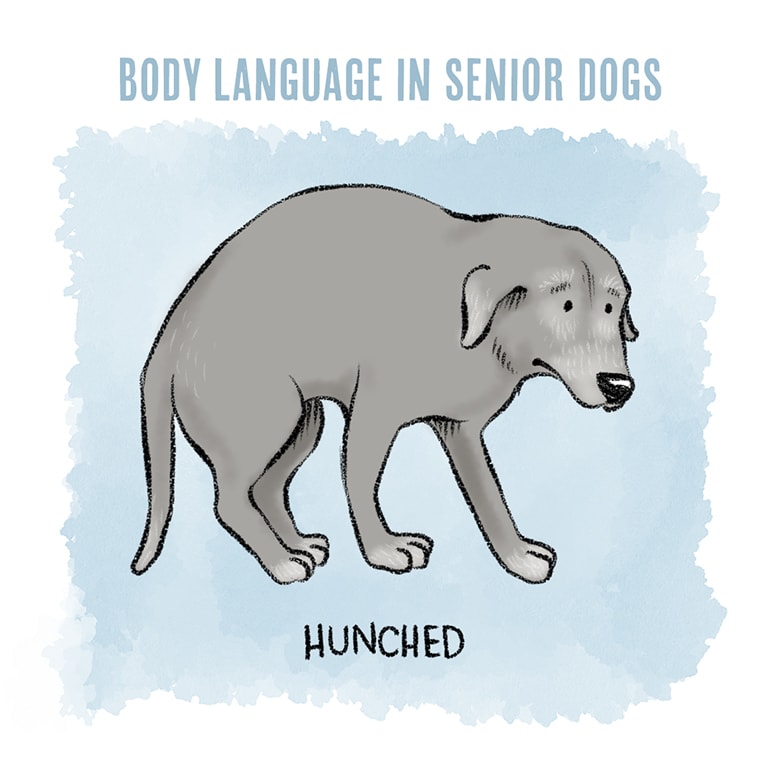
Image Source: pet-health-content-media.chewy.com
Deciphering the Hunched Dog Posture
A hunched posture in dogs, sometimes referred to as a “roached back” or an “arched back,” is when a dog tucks its tail, tucks its hindquarters underneath itself, and often lowers its head. This stance is a clear deviation from their normal relaxed dog posture. It’s a protective mechanism, an attempt to shield a sore or painful area, or a response to general unease. Fathoming why your dog is adopting this position is the first step towards restoring their comfort and well-being.
Common Reasons for a Dog Hunching Over
Several factors can contribute to a dog hunching over. These can be physical, behavioral, or a combination of both.
Physical Causes of Canine Pain
The most frequent culprits behind a hunched stance are physical ailments that cause canine pain or significant dog discomfort.
Musculoskeletal Issues
Problems affecting the bones, muscles, joints, and connective tissues are major contributors to a hunched posture.
- Arthritis: As dogs age, degenerative joint disease, commonly known as arthritis, can develop. This condition causes inflammation and pain in the joints, leading dogs to adopt positions that reduce pressure on affected areas. The spine, hips, and knees are particularly vulnerable. A dog with arthritis might hunch its back to ease the strain on its hindquarters or spine.
- Back Injuries: Injuries to the spine, such as herniated discs or spinal cord trauma, can cause intense pain. Dogs will often hunch their backs to minimize movement and protect the injured area. This can be due to an accident, strenuous activity, or even genetic predisposition in certain breeds.
- Muscle Strains and Sprains: Overexertion, sudden movements, or falls can lead to strained or sprained muscles in the back or hindquarters. The pain associated with these injuries will cause a dog to instinctively hunch to alleviate the discomfort.
- Hip Dysplasia: This is a common condition in many breeds, especially larger ones, where the hip joint doesn’t form properly. It can lead to pain, stiffness, and a hunched appearance as the dog tries to compensate for the instability and pain in its hips.
- Luxating Patella: This condition, where the kneecap slips out of place, can cause intermittent lameness and pain. Dogs may adopt a hunched posture to avoid putting full weight on the affected leg.
Gastrointestinal Problems
Issues within the digestive system can also lead to a hunched stance.
- Stomach Pain (Dog Stomach Pain): When a dog experiences dog stomach pain, they often tuck their abdomen in, which naturally leads to a hunched posture. This could be due to various reasons:
- Gastritis: Inflammation of the stomach lining.
- Pancreatitis: Inflammation of the pancreas, which can cause severe abdominal pain.
- Intestinal Blockage: A serious condition where something obstructs the intestines, leading to extreme discomfort and pain.
- Gas or Bloat: While bloat (Gastric Dilatation-Volvulus) is a life-threatening emergency that often presents with a distended abdomen and retching, less severe gas buildup can also cause discomfort and lead to hunching.
- Kidney or Bladder Issues: Infections, stones, or inflammation in the kidneys or bladder can cause abdominal pain. Dogs might hunch their back to try and relieve pressure or discomfort in this region.
- Constipation: Severe constipation can cause significant abdominal discomfort, prompting a dog to hunch.
Other Internal Medical Conditions
Beyond the digestive system, other internal dog health issues can manifest as a hunched posture.
- Pancreatic Disease: Conditions affecting the pancreas, like pancreatitis, are often accompanied by severe abdominal pain and can cause dogs to hunch.
- Liver or Spleen Issues: Enlargement or damage to these organs can cause pressure and pain in the abdomen, leading to a hunched posture.
- Cancer: Tumors in the abdominal cavity or spine can cause pain and discomfort, resulting in the dog hunching over.
Neurological Problems
Disorders affecting the nervous system can also cause changes in posture.
- Intervertebral Disc Disease (IVDD): Common in breeds like Dachshunds, IVDD occurs when the discs between the vertebrae rupture or bulge, pressing on the spinal cord. This causes pain and can lead to a hunched back, weakness, or paralysis.
- Neuropathies: Conditions that affect the nerves can cause pain, muscle weakness, and abnormal postures.
Behavioral Reasons for a Dog Hunching Over
While physical pain is the most common driver, sometimes a dog might hunch due to behavioral or emotional reasons, though these are less frequent.
- Anxiety or Fear: In some cases, an anxious or fearful dog might adopt a hunched posture as a submissive or appeasing gesture. They might be trying to appear smaller and less threatening. This is often accompanied by other signs of anxiety, such as tail tucking, lip licking, or whale eye.
- Seeking Attention (Less Common): While rare, a dog might learn that a hunched posture garners a lot of attention from their owner, and in some instances, they might use it to seek comfort or interaction. However, this is typically a secondary behavior to an underlying discomfort.
Recognizing Accompanying Symptoms
When a dog is hunched over, it’s rarely the only symptom. Observing other changes can provide crucial clues about the cause of their dog discomfort.
- Lethargy: A significant increase in dog lethargy is a hallmark symptom of many illnesses. A dog that is usually active but is now reluctant to move, preferring to lie down, might be experiencing pain.
- Changes in Appetite or Thirst: A dog in pain may refuse food or water, or conversely, show increased thirst due to certain conditions.
- Vocalization: Whining, yelping, or groaning, especially when moving or being touched, are clear indicators of pain.
- Changes in Movement: Limping, stiffness, reluctance to jump, or difficulty getting up or lying down are strong signs of musculoskeletal issues or pain.
- Vomiting or Diarrhea: These are common signs of gastrointestinal upset or more serious abdominal issues.
- Changes in Urination or Defecation: Straining to urinate or defecate, or changes in the color or consistency of urine or stool, can point to urinary tract or digestive problems.
- Behavioral Changes: Beyond hunched posture, look for other dog behavioral changes such as irritability, hiding, or a general lack of interest in play.
When to Seek Veterinary Attention
It’s crucial to consult a veterinarian if you notice your dog hunching over, especially if it’s a new behavior or accompanied by any of the symptoms listed above. Early detection and diagnosis are vital for effective treatment.
What to Expect at the Vet Visit
Your veterinarian will conduct a thorough examination to determine the cause of your dog’s hunched posture. This may include:
- Physical Examination: The vet will palpate your dog’s abdomen, spine, and limbs, checking for pain, swelling, heat, or abnormal range of motion. They will also assess your dog’s gait and overall demeanor.
- Medical History: Providing a detailed history of when the hunched posture started, any other symptoms you’ve observed, recent changes in diet or activity, and any known pre-existing conditions is essential.
- Diagnostic Tests: Depending on the suspected cause, the vet may recommend:
- Bloodwork: To check for infections, organ function, and inflammation markers.
- Urinalysis: To assess kidney function and detect urinary tract infections or crystals.
- X-rays (Radiographs): To visualize bones and joints, identifying arthritis, fractures, or spinal abnormalities.
- Ultrasound: To get detailed images of internal organs and assess for masses, inflammation, or blockages.
- Neurological Exams: To evaluate nerve function if a neurological cause is suspected.
Treatment and Management Strategies
The treatment plan will depend entirely on the diagnosis.
Treatment for Musculoskeletal Issues
- Pain Management: Non-steroidal anti-inflammatory drugs (NSAIDs) or other pain relievers prescribed by your vet.
- Physical Therapy: Exercises to strengthen muscles, improve flexibility, and reduce pain. This can include hydrotherapy, therapeutic exercises, and massage.
- Supplements: Glucosamine and chondroitin supplements can help support joint health.
- Weight Management: Keeping your dog at a healthy weight reduces stress on joints.
- Surgery: In severe cases of spinal injury or joint problems, surgery may be recommended.
Treatment for Gastrointestinal Issues
- Dietary Changes: Specific prescription diets may be recommended to soothe the digestive tract or manage underlying conditions like pancreatitis or IBD.
- Medications: Antibiotics for infections, anti-nausea medications, or medications to manage stomach acid.
- Fluid Therapy: For dehydration due to vomiting or diarrhea.
- Surgery: For intestinal blockages or other surgical emergencies.
Treatment for Other Medical Conditions
- Medications: Tailored to the specific illness, such as antibiotics for infections, chemotherapy for cancer, or medications to manage organ dysfunction.
- Supportive Care: Nutritional support, fluid therapy, and pain management are crucial for many internal diseases.
Home Care and Prevention
While you can’t always prevent every cause of a hunched posture, you can take steps to promote your dog’s overall health and well-being.
- Maintain a Healthy Weight: Obesity puts extra strain on a dog’s joints and organs.
- Provide Regular, Appropriate Exercise: Avoid sudden strenuous activity, especially in young or older dogs, and gradually increase intensity.
- Ensure a Balanced Diet: Feed high-quality dog food appropriate for your dog’s age, breed, and activity level.
- Regular Veterinary Check-ups: Annual or semi-annual check-ups allow your vet to catch potential problems early.
- Safe Environment: Dog-proof your home to prevent accidents that could lead to injuries.
- Gentle Handling: Be mindful when handling dogs with known joint issues or those who are elderly.
Frequently Asked Questions (FAQ)
Q1: My dog is hunched over and seems fine otherwise. Should I worry?
A1: Even if your dog seems otherwise fine, a hunched posture is a significant change. It often indicates underlying dog discomfort or pain that may not be immediately obvious. It’s best to monitor your dog closely for other symptoms and consult your veterinarian if the posture persists or if you have any concerns.
Q2: Can anxiety alone cause a dog to hunch over?
A2: While anxiety can contribute to unusual postures, a persistent hunched posture is far more commonly linked to canine pain. If you suspect anxiety, look for other behavioral cues like tail tucking, lip licking, or a generally fearful demeanor. However, it’s always wise to rule out physical causes first with a vet.
Q3: My older dog is hunched over more often. Is it just old age?
A3: Age is a common factor in developing conditions like arthritis, which can lead to a hunched posture. However, it’s not something to simply accept as “old age” without investigation. Arthritis and other age-related dog health issues can be managed effectively with veterinary care, improving your dog’s quality of life.
Q4: How can I tell if my dog’s hunched posture is serious?
A4: You should be concerned if the hunched posture is accompanied by dog lethargy, loss of appetite, vomiting, diarrhea, difficulty moving, vocalization (whining, yelping), or any significant dog behavioral changes. Any sudden or persistent change in dog posture warrants veterinary attention.
Q5: Are certain breeds more prone to hunching over?
A5: Yes, breeds prone to back problems like Dachshunds (due to Intervertebral Disc Disease) or breeds prone to hip issues like German Shepherds and Labrador Retrievers may be more likely to adopt a hunched posture. However, any dog can experience the conditions that lead to this.
By paying close attention to your dog’s body language and seeking timely veterinary care when you notice changes like a hunched posture, you can help ensure they live a healthy, comfortable, and happy life.