
If your dog is not walking on his back leg, it could be due to pain, injury, neurological issues, or a congenital condition. What is the most common reason for a dog not walking on its back leg? The most frequent cause is often related to injury or degenerative joint disease. Can I safely assume my dog’s lameness is minor? No, it’s crucial to never assume lameness is minor. A vet visit is always recommended to pinpoint the exact cause and get appropriate treatment. Who is the best person to help my dog? Your veterinarian is the best person to diagnose and treat your dog’s mobility issues.
Seeing your dog limp or unable to use a hind leg can be incredibly distressing. This symptom, often described as a dog limping back leg or canine hind leg weakness, signals that something is wrong. Whether your dog is dragging back leg or simply showing dog difficulty walking back legs, it’s a clear indicator of dog pain in hindquarters. This comprehensive guide aims to shed light on the many reasons behind this issue and explore potential solutions.
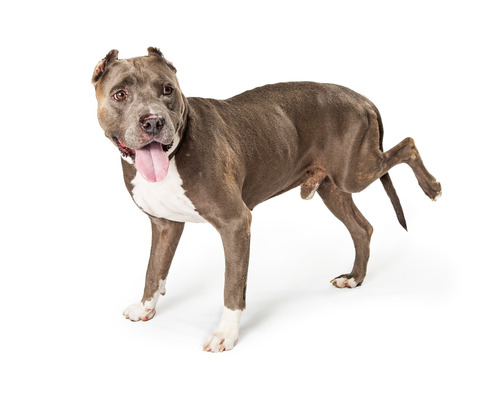
Image Source: minnievilleah.com
Deciphering the Reasons for Hind Leg Lameness
There are numerous reasons why a dog might not be using its back leg properly. These can range from simple sprains to more serious neurological conditions. Let’s explore the common culprits.
Injuries and Trauma
Sudden incidents can cause immediate hind leg problems. These are often visible, but sometimes the cause isn’t obvious.
Soft Tissue Injuries
- Muscle Strains and Sprains: Overexertion during play, a sudden wrong step, or roughhousing can lead to strained or sprained muscles and ligaments in the hind legs. This can cause pain and reluctance to bear weight. You might notice swelling or heat in the affected area.
- Ligament Tears (e.g., Cruciate Ligament Tears): The anterior cruciate ligament (ACL) in dogs, often called the cranial cruciate ligament (CCL), is very prone to injury. A partial or complete tear can cause significant dog hind leg lameness and the inability to bear weight. This often happens during activity, like jumping or quick turns.
- Tendon Injuries: Tendons connect muscles to bones. Damage to these can also result in pain and instability.
Bone Fractures and Dislocations
- Fractures: A broken bone in the leg, hip, or paw is a severe injury. This will almost certainly lead to a dog unable to bear weight back leg and intense pain. Fractures can occur from high-impact accidents like being hit by a car or falling from a height.
- Dislocations: When a joint, like the hip or knee, comes out of its socket, it’s a dislocation. This is extremely painful and will prevent the dog from using the leg.
Paw Injuries
- Cuts and Lacerations: Deep cuts on the paw pads or between the toes can be very painful and cause a dog to avoid using that leg.
- Foreign Objects: Thorns, glass, or other sharp objects lodged in the paw can cause lameness.
- Burns or Frostbite: Extreme temperatures can damage paw tissues, leading to pain and immobility.
Degenerative and Developmental Conditions
Some conditions develop over time or are present from birth, gradually impacting a dog’s mobility.
Arthritis (Osteoarthritis)
This is a common cause of dog stiff back legs, especially in older dogs or large breeds. Arthritis is the inflammation and degeneration of the joints. It causes pain, stiffness, and a reduced range of motion. You might notice your dog is slower to get up, reluctant to climb stairs, or appears generally less active. The dog pain in hindquarters associated with arthritis can worsen in cold, damp weather.
Hip Dysplasia
A well-known cause of hind leg lameness, hip dysplasia is a genetic condition where the hip joint doesn’t develop properly. The ball and socket of the hip don’t fit snugly. This leads to looseness, instability, and eventually, arthritis. Puppies can show signs early, but it often becomes more apparent as they mature. This condition directly impacts the ability to bear weight on the hind legs.
Patellar Luxation
This occurs when the kneecap (patella) slips out of its normal groove. It’s more common in smaller breeds. In mild cases, the dog might skip a step or momentarily lift the leg. In severe cases, the luxation can be constant, causing the leg to buckle and the dog to not use it. This results in a dog limping back leg.
Intervertebral Disc Disease (IVDD)
This neurological condition affects the spine. The discs between the vertebrae can bulge or rupture, putting pressure on the spinal cord. Symptoms vary depending on the location and severity, but hind leg weakness, paralysis, or difficulty walking can occur. A dog rear leg paralysis can be a symptom of severe IVDD.
Degenerative Myelopathy (DM)
This is a progressive neurological disease that affects the spinal cord, specifically the white matter. It typically starts with hind limb weakness, often described as canine hind leg weakness, and can lead to paralysis. It’s more common in certain breeds like German Shepherds and Pembroke Welsh Corgis. The onset is usually gradual, and the dog may initially appear to have dog stiff back legs.
Wobbler Syndrome
This neurological disorder affects the cervical spine (neck). It can cause unsteadiness and incoordination in all four limbs, but hind leg weakness is often pronounced, leading to a wobbly gait and difficulty walking.
Other Potential Causes
- Infections: Infections in the bone (osteomyelitis), joints (septic arthritis), or soft tissues can cause severe pain and lameness.
- Tumors: Cancerous or non-cancerous growths in the bones, joints, or surrounding tissues can cause pain and interfere with leg function.
- Neurological Conditions: Beyond IVDD and DM, other neurological issues affecting the brain, spinal cord, or peripheral nerves can result in hind leg dysfunction.
- Immune-Mediated Diseases: Conditions like rheumatoid arthritis can affect multiple joints and cause lameness.
- Pain from Elsewhere: Sometimes, pain in the back or abdomen can cause a dog to favor its hind legs, appearing as though the leg itself is the problem.
Recognizing the Signs: More Than Just a Limp
A dog not walking on his back leg can manifest in various ways beyond a simple limp. Being observant of subtle changes is key to early detection.
Key Indicators of Hind Leg Problems:
- Limping: This is the most obvious sign, where the dog avoids putting full weight on the affected leg.
- Dragging Back Leg: The dog may drag one or both hind legs behind them when walking or standing. This is a serious sign and often indicates significant weakness or paralysis.
- Difficulty Rising: A dog might struggle to get up from a lying or sitting position, particularly if they have arthritis or hip dysplasia.
- Stiffness: After resting, the dog may seem stiff in the hindquarters and move hesitantly. You might notice dog stiff back legs especially in the morning.
- Reluctance to Jump or Climb: Stairs, furniture, or car rides might become challenging if they involve jumping.
- Yelping or Whining: Your dog may cry out when touched in a specific area or when trying to use the leg. This clearly indicates dog back leg pain.
- Swelling or Heat: The affected leg or joint might appear swollen or feel warmer to the touch.
- Loss of Muscle Mass: If a leg is not used for a prolonged period, the muscles can atrophy, making the leg appear thinner.
- Abnormal Gait: The dog might walk with a swaying motion, a hop, or a “bunny hop” gait, especially with hip dysplasia.
- Constant Licking or Chewing: Dogs often lick or chew at an area that is painful or causing discomfort.
What To Do When Your Dog Won’t Use Its Back Leg
When you notice your dog is not using a hind leg, prompt action is essential.
Immediate Steps:
- Keep Your Dog Calm and Still: If the onset was sudden, try to limit your dog’s movement. Confine them to a small, comfortable area like a crate or a single room. Avoid excessive walking, running, or jumping.
- Observe Closely: Note any specific circumstances surrounding the onset of lameness. Was it after exercise? A fall? Did you hear a yelp? Are both legs affected?
- Gentle Examination (If Possible and Safe): You can gently feel the leg for obvious signs of injury like swelling, heat, or open wounds. However, if your dog is in pain, they may snap or bite, so exercise extreme caution. Do not try to force movement of the leg or manipulate joints aggressively.
- Contact Your Veterinarian: This is the most crucial step. Call your vet immediately to describe the symptoms and schedule an appointment. They will be able to diagnose the cause of the dog difficulty walking back legs.
Veterinary Diagnosis: Getting to the Root of the Problem
Your veterinarian will perform a thorough physical examination and may recommend diagnostic tests.
Diagnostic Process:
- History Taking: Your vet will ask detailed questions about the onset, duration, and any accompanying symptoms of the lameness, as well as your dog’s breed, age, and activity level.
- Physical Examination: This involves a hands-on assessment of your dog’s gait, range of motion in the joints, and palpation of muscles, bones, and ligaments. They will check for pain, swelling, instability, and neurological deficits. This helps identify the location and potential severity of the dog back leg pain.
- Orthopedic Tests: Specific maneuvers will be performed to assess the stability of joints like the knees (e.g., cranial drawer test for CCL rupture) and hips (e.g., Ortolani sign for hip dysplasia).
- Neurological Examination: If a neurological cause is suspected, the vet will assess reflexes, nerve responses, and coordination.
- Diagnostic Imaging:
- X-rays (Radiographs): These are essential for identifying bone fractures, dislocations, arthritis, and signs of hip dysplasia. They can also reveal bone tumors.
- Ultrasound: This can provide detailed images of soft tissues like muscles, tendons, and ligaments, helping to diagnose sprains and tears.
- CT Scan or MRI: For complex neurological issues or suspected soft tissue injuries that are not visible on X-rays, these advanced imaging techniques may be necessary.
- Blood Tests: These can help detect infections or inflammatory conditions.
- Joint Fluid Analysis: If joint infection or immune-mediated disease is suspected, fluid can be drawn from a joint for examination.
Solutions and Treatments: Restoring Mobility
The treatment plan will depend entirely on the diagnosed cause.
Treatment Options:
- Rest and Activity Modification: For mild strains or sprains, rest is paramount. This means leash walks only for potty breaks and avoiding jumping, running, or rough play.
- Medications:
- Pain Relievers (Analgesics): Non-steroidal anti-inflammatory drugs (NSAIDs) are commonly prescribed to reduce pain and inflammation. It’s crucial to only use NSAIDs prescribed by your vet, as human medications can be toxic to dogs.
- Other Pain Management: Medications like gabapentin or tramadol may be used for more severe pain.
- Surgery:
- Cruciate Ligament Repair: Various surgical techniques exist to repair or stabilize the knee after a CCL tear.
- Fracture Repair: This might involve plates, screws, pins, or external fixators.
- Hip Dysplasia Surgery: Procedures like Femoral Head Ostectomy (FHO) or Total Hip Replacement may be recommended.
- Patellar Luxation Correction: Surgery to reposition the kneecap groove.
- Tumor Removal: Surgical excision of cancerous or benign growths.
- Physical Therapy and Rehabilitation: This is a vital component for recovery, especially after surgery or for chronic conditions like arthritis. It can include:
- Therapeutic exercises to strengthen muscles.
- Hydrotherapy (underwater treadmill).
- Laser therapy to reduce pain and inflammation.
- Massage and passive range of motion exercises.
- Assisted mobility devices like harnesses or slings for dogs with significant weakness or dog rear leg paralysis.
- Joint Supplements: Glucosamine, chondroitin sulfate, and omega-3 fatty acids can help support joint health, particularly in dogs with arthritis.
- Weight Management: Excess weight puts significant strain on joints, exacerbating conditions like arthritis and hip dysplasia. Maintaining a healthy weight is crucial for dogs with mobility issues.
- Assistive Devices: For dogs with chronic or severe weakness, devices like rear-end support harnesses or wheelchairs can significantly improve their quality of life and mobility. These are particularly helpful for dogs experiencing dog dragging back leg due to neurological issues.
- Home Care:
- Orthopedic Bedding: Providing soft, supportive beds can ease pressure on joints.
- Ramps: Use ramps for cars, furniture, or stairs to minimize jumping.
- Non-Slip Flooring: Rugs or mats on slippery floors can help prevent slips and falls.
Preventing Hind Leg Problems
While not all hind leg issues can be prevented, certain measures can reduce the risk.
Preventive Strategies:
- Maintain a Healthy Weight: This is arguably the most important factor in preventing or managing orthopedic issues.
- Appropriate Exercise: Provide regular, moderate exercise suitable for your dog’s breed and age. Avoid sudden bursts of strenuous activity without proper conditioning.
- Good Nutrition: Feed a high-quality diet to support overall health and joint function.
- Supplementation (Consult Vet): Discuss joint supplements with your vet, especially for breeds prone to orthopedic problems.
- Avoid Overexertion: Be mindful of your dog’s limits, especially in hot weather or if they are not conditioned.
- Safe Environment: Puppy-proof your home to prevent falls. Use ramps for elderly or arthritic dogs.
- Regular Veterinary Check-ups: Early detection of issues like hip dysplasia or arthritis can lead to better management and outcomes.
Frequently Asked Questions (FAQ)
Q1: My dog suddenly won’t put weight on his back leg. What should I do?
A1: Immediately limit your dog’s activity and contact your veterinarian. Do not try to force your dog to walk. Observe for any other symptoms like swelling or crying out in pain.
Q2: Can my dog’s hind leg weakness be a sign of something serious?
A2: Yes, hind leg weakness or lameness can be a symptom of serious conditions ranging from severe injuries like fractures to neurological diseases like IVDD or degenerative myelopathy. Prompt veterinary attention is crucial.
Q3: My older dog is stiff in his back legs. Is it just old age?
A3: While stiffness can be a sign of aging, it is often due to osteoarthritis (arthritis). It’s important to have your vet evaluate the stiffness to manage pain and slow the progression of the condition.
Q4: How long will it take for my dog to recover from a hind leg injury?
A4: Recovery time varies greatly depending on the injury, the treatment, and your dog’s overall health. Simple sprains might heal in a few weeks, while surgical repairs or neurological conditions can require months of rehabilitation. Always follow your vet’s recovery plan.
Q5: Can I give my dog human pain medication if he’s limping?
A5: Never give your dog human pain medication without explicit veterinary guidance. Many human NSAIDs and other pain relievers are toxic to dogs and can cause severe organ damage or be fatal.
Seeing your dog struggle with hind leg mobility is a worrying experience. By understanding the potential causes, recognizing the subtle signs, and acting promptly to seek veterinary care, you can help your canine companion regain comfort and mobility. Early diagnosis and appropriate treatment are key to managing dog pain in hindquarters and ensuring a good quality of life for your beloved pet.