
Your dog waking up howling can be a startling and concerning experience. Dogs howl for a variety of reasons, including dog separation anxiety howling, to communicate, as a response to external stimuli, or due to medical issues. Fathoming the underlying cause is the first step to addressing this disruptive behavior.
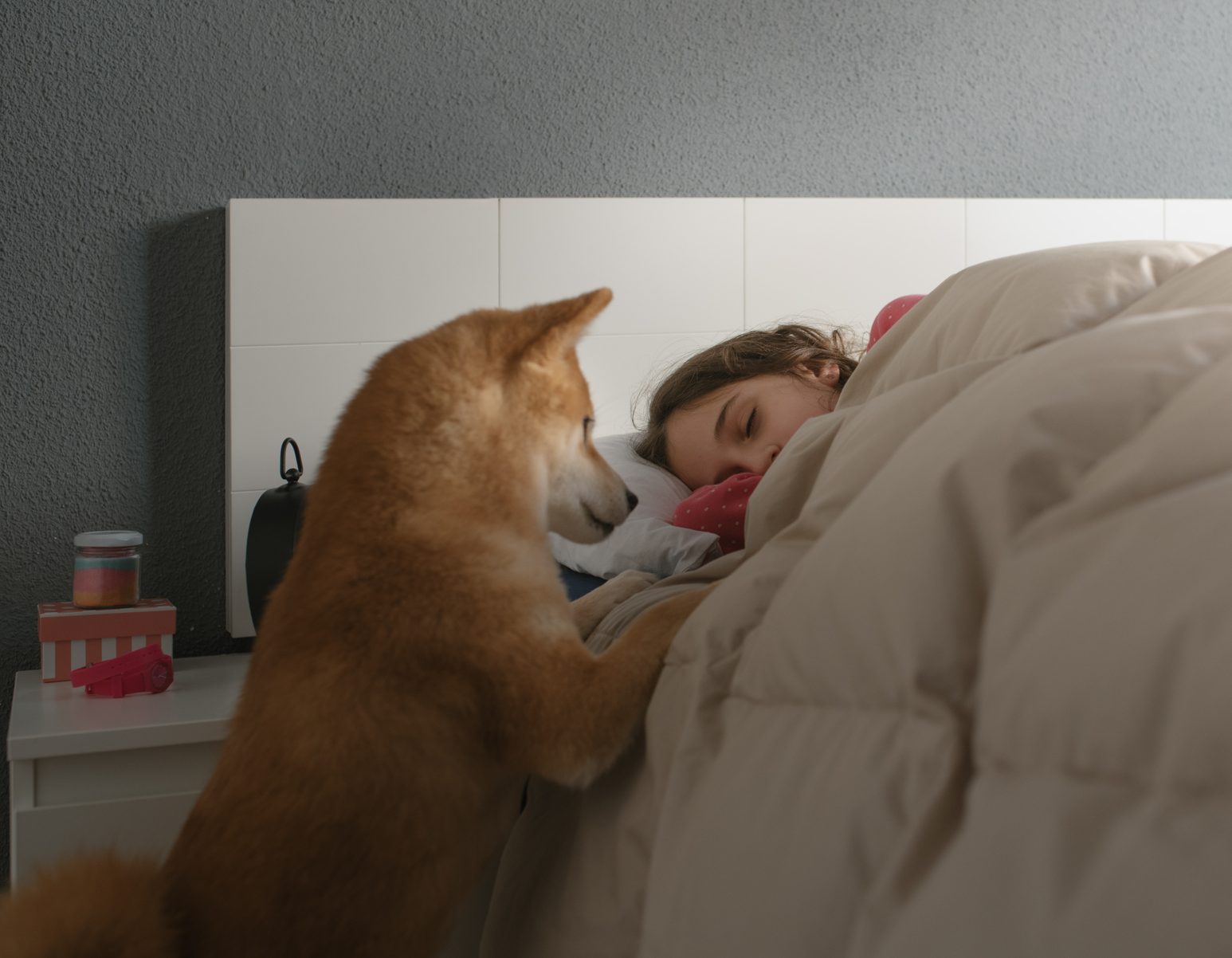
Image Source: cdn.mos.cms.futurecdn.net
Deciphering Canine Communication: The Language of Howls
Howling is an ancient form of canine communication. For thousands of years, dogs have used their voices to connect with each other and their environment. Understanding their vocalizations is key to knowing what they are trying to tell us. When your dog howls, especially during the night, it’s not usually random noise; it’s a signal.
Instinctive Roots of Nocturnal Howling
Wolves, the ancestors of domestic dogs, howl to communicate over long distances, locate pack members, and warn off rivals. While our furry companions have evolved, some of these primal instincts remain deeply ingrained. The causes of dog howling at night can often be traced back to these ancestral behaviors.
The Pack Mentality: Loneliness and Connection
Dogs are social animals. They thrive on companionship and can experience distress when separated from their human “pack” or even other pets in the household. This can manifest as dog distress vocalizations, including howling, when they feel alone or anxious.
Common Reasons for Nighttime Howling
There are several prevalent reasons why your dog might be engaging in dog behavior nighttime howling. Pinpointing the exact trigger is crucial for effective intervention.
1. Loneliness and Separation Anxiety
This is one of the most common reasons for dogs to vocalize when left alone or when their primary caregiver is out of sight. Dog separation anxiety howling occurs when a dog feels intense distress and panic at the thought of being abandoned. This can lead to a range of behaviors, including howling, destructive chewing, and house soiling.
Signs of Separation Anxiety:
- Howling or barking excessively when you leave.
- Pacing or restlessness.
- Drooling or panting heavily.
- Trying to escape confinement.
- Destructive behavior.
- Eliminating indoors.
2. Environmental Triggers
Dogs have sensitive hearing and can be easily alerted by sounds that we might not notice or that occur during the night.
Common Environmental Triggers:
- Siren sounds: Police sirens, ambulance sirens, or fire truck sirens often trigger howling in dogs, as they may interpret these as a call to the pack.
- Other dogs howling: Hearing another dog howl can prompt a reciprocal howl, especially if your dog is predisposed to social interaction.
- Loud noises: Thunderstorms, fireworks, or even loud music can cause fear or discomfort, leading to howling.
- Passing vehicles: The sound of cars or motorcycles can sometimes set off howling in certain dogs.
3. Attention Seeking
Sometimes, a dog learns that howling can get them attention from their owners, even if it’s negative attention. If your dog howls and you immediately rush to comfort them or investigate, they might associate howling with getting what they want. This can be a learned behavior, particularly if the howling is directed at you when you are present but not interacting with them. Dog attention seeking howling often occurs when a dog feels ignored or wants something specific.
4. Pain or Medical Issues
It’s vital to rule out any underlying medical conditions. Howling can be a sign that your dog is in pain or experiencing discomfort.
Potential Medical Causes:
- Arthritis or joint pain: Older dogs, or those with inflammatory conditions, may howl due to discomfort, especially when trying to get comfortable or move.
- Gastrointestinal issues: Upset stomach, gas, or other digestive problems can cause pain and lead to vocalizations.
- Cognitive Dysfunction Syndrome (CDS): Similar to dementia in humans, CDS can affect older dogs and cause confusion, anxiety, and changes in sleep patterns, leading to nighttime howling.
- Deafness or hearing loss: As dogs lose their hearing, they may become more anxious and vocalize to compensate for their inability to perceive their surroundings.
- Injury: An unseen injury could be causing pain that leads to howling.
If you suspect a medical issue, a visit to the veterinarian is essential.
5. Breed Predisposition
Some breeds are naturally more prone to howling than others due to their history and natural tendencies. Beagles, Huskies, Basset Hounds, and other scent hounds or working breeds are often more vocal. This doesn’t mean all dogs of these breeds will howl, but it’s a factor to consider.
6. Changes in Routine or Environment
Dogs are creatures of habit. Significant changes in their daily routine, a new living environment, or the absence of a familiar person or pet can cause stress and anxiety, leading to increased vocalizations. This can include dog whining and howling at dawn if they are unsettled by changes in their sleep schedule or the subtle shifts in light.
7. Night Terrors or Fear
Similar to humans, dogs can experience fear-based reactions during sleep. While not true “night terrors” in the human sense, some dogs may experience nightmares or be startled awake by internal or external stimuli, leading to howling. This can be a form of dog night terrors howling where they are reacting to a perceived threat or unpleasant dream.
Addressing Nighttime Howling: Practical Solutions
Once you’ve identified the potential reasons for your dog’s howling, you can start implementing strategies to address the behavior.
Strategies for Separation Anxiety
If dog separation anxiety howling is the culprit, a multi-faceted approach is needed.
- Desensitization and Counter-Conditioning: Gradually expose your dog to mild triggers associated with your departure (e.g., picking up keys, putting on a coat) without actually leaving. Pair these with high-value treats.
- Create a Safe Space: Provide a comfortable den or crate where your dog feels secure.
- Exercise and Mental Stimulation: Ensure your dog gets plenty of physical activity and mental enrichment before you leave. A tired dog is less likely to be anxious.
- Calming Aids: Consider pheromone diffusers, calming supplements (under veterinary guidance), or anxiety vests.
- Professional Help: For severe cases, consult a certified professional dog trainer or a veterinary behaviorist.
Managing Environmental Triggers
To mitigate reactions to environmental sounds:
- Soundproofing: Use heavy curtains or rugs to absorb sound.
- White Noise: Play white noise, calming music, or leave the TV on to mask external sounds.
- Desensitization to Sounds: Gradually expose your dog to recordings of sirens or other triggering noises at a very low volume, pairing them with positive reinforcement. Slowly increase the volume over time.
Discouraging Attention-Seeking Howling
To curb dog attention seeking howling:
- Ignore the Howling: Do not reward the howling with attention, even negative attention. Wait for a moment of silence before acknowledging your dog.
- Reward Quiet Behavior: Actively praise and reward your dog when they are quiet and calm.
- Provide Enrichment: Ensure your dog has plenty of toys and activities to keep them occupied and stimulated, reducing the need to seek your attention through noise.
Addressing Medical Concerns
As mentioned, if you suspect pain or illness, veterinary consultation is paramount.
- Veterinary Check-up: A thorough examination can rule out or diagnose medical conditions.
- Pain Management: If pain is the cause, your vet can prescribe appropriate pain relief medication.
- Behavioral Support for CDS: For senior dogs with CDS, management strategies include dietary changes, supplements, and environmental modifications.
Adjusting Routines and Environments
When changes occur:
- Gradual Transitions: Introduce changes slowly and positively.
- Maintain Routine: Stick to a consistent feeding, exercise, and potty schedule as much as possible.
- Comfort Items: Leave an item of your clothing with your scent in your dog’s sleeping area.
Specific Scenarios and Solutions
Let’s look at some more specific situations related to nighttime howling.
Dog Whining and Howling at Dawn
This can be a precursor to separation anxiety, a need to potty, or simply a sign of restlessness.
- Potty Break: Ensure your dog has had ample opportunity to relieve themselves before bedtime. A final potty break right before you go to sleep can help.
- Consistent Schedule: Waking up at the same time each day, even on weekends, can help regulate your dog’s internal clock.
- Ignore Mild Whining: If it’s not a dire need, try to ignore mild whining until your designated wake-up time.
Dog Distress Vocalizations Beyond Howling
While howling is the focus, other vocalizations like whining, whimpering, and barking can also indicate distress. These often accompany howling and share similar underlying causes.
When Howling Becomes a Problematic Pattern
Consistent howling can disrupt sleep for everyone in the household and potentially create friction with neighbors. It’s important to address the issue proactively.
Table: Identifying the Cause of Howling
| Observation | Possible Cause | Potential Solutions |
|---|---|---|
| Howls when left alone, destructive when you’re gone | Dog separation anxiety howling | Desensitization, safe space, exercise, professional help. |
| Howls at sirens or distant noises | Environmental triggers (auditory) | Soundproofing, white noise, desensitization to sounds. |
| Howls after you’ve gone to bed, but you’re home | Attention-seeking, discomfort | Ignore howling, reward quiet, ensure comfort and potty needs are met. |
| Older dog, seems confused, restless at night | Dog medical issues howling (e.g., CDS) | Veterinary check-up, cognitive support, environmental adjustments. |
| Dog seems to cry out suddenly, then settles | Pain, discomfort, dog night terrors howling | Veterinary examination to rule out pain; ensure a safe, calm sleeping environment. |
| Howls in response to other dogs barking | Social response, pack instinct | Management of external stimuli, desensitization to other dogs’ vocalizations. |
| New environment, recent routine change | Adjustment stress, anxiety | Gradual acclimatization, consistent routine, comfort items. |
Prevention and Proactive Measures
The best approach to nighttime howling is often prevention.
- Adequate Exercise: Ensure your dog receives sufficient physical activity daily. A well-exercised dog is generally calmer.
- Mental Stimulation: Puzzle toys, training sessions, and interactive games can help keep your dog mentally engaged, reducing boredom and potential anxiety.
- Early Socialization: Exposing puppies to various sights, sounds, and social situations can help prevent future anxieties.
- Training: Basic obedience training not only strengthens your bond but also provides structure and confidence for your dog. Teaching a “quiet” command can be beneficial.
The Role of a Consistent Bedtime Routine
Establishing a predictable bedtime routine can signal to your dog that it’s time to wind down. This might include a final potty break, a gentle play session, or a short cuddle, followed by being settled in their designated sleeping area.
When to Seek Professional Guidance
While many causes of howling can be addressed with consistent effort and the right strategies, some situations warrant professional intervention.
When to Consult a Vet or Trainer
- Sudden onset of howling: If your dog has never howled at night before and suddenly starts, it’s a strong indicator of a potential medical issue.
- Howling accompanied by other symptoms: Lethargy, loss of appetite, changes in urination/defecation, or signs of pain require immediate veterinary attention.
- Severe anxiety: If your dog exhibits extreme distress during separation or is self-harming, a veterinary behaviorist is recommended.
- Lack of improvement: If you’ve tried various strategies for an extended period without success, a professional can offer tailored advice.
Frequently Asked Questions (FAQ)
Q1: Is howling at night always a sign of a problem?
No, howling at night isn’t always a problem. Some breeds howl as a natural behavior. However, a sudden increase or a change in howling patterns often indicates an underlying issue that needs to be addressed.
Q2: Can I train my dog to stop howling at night?
Yes, you can train your dog to stop howling. The success of the training depends on identifying the cause of the howling and applying appropriate strategies. For issues like separation anxiety, professional guidance is often beneficial.
Q3: How do I know if my dog is howling due to pain?
If your dog howls suddenly, seems restless, cries out when moving, or shows other signs of discomfort (e.g., limping, whimpering, reduced activity), it’s crucial to consult a veterinarian to rule out pain or medical conditions.
Q4: What’s the difference between howling and barking?
Howling is typically a prolonged, continuous vocalization, often with a rising and falling tone, used for long-distance communication. Barking is usually a shorter, sharper sound, often used as an alert or warning. Both can be indicators of a dog’s emotional state.
Q5: My dog howls when I leave, but is fine when I’m home. Why?
This is a classic sign of separation anxiety. Your dog’s distress is specifically linked to your absence. Addressing this requires desensitization and counter-conditioning techniques tailored for separation.
By diligently observing your dog’s behavior, considering potential triggers, and being willing to seek professional help when needed, you can work towards quiet nights and a happier, more comfortable companion.