
Does your dog turn up their nose at hard, dry biscuits? Many dog owners want to know how to make dog treats softer for their furry friends, especially for older dogs with dental issues or puppies still learning to chew. The good news is, it’s surprisingly easy! You can transform tough treats into delightful, moist dog treats with a few simple kitchen adjustments. This guide will walk you through everything you need to know to create perfectly soft, delicious, and healthy homemade delights for your canine companion.
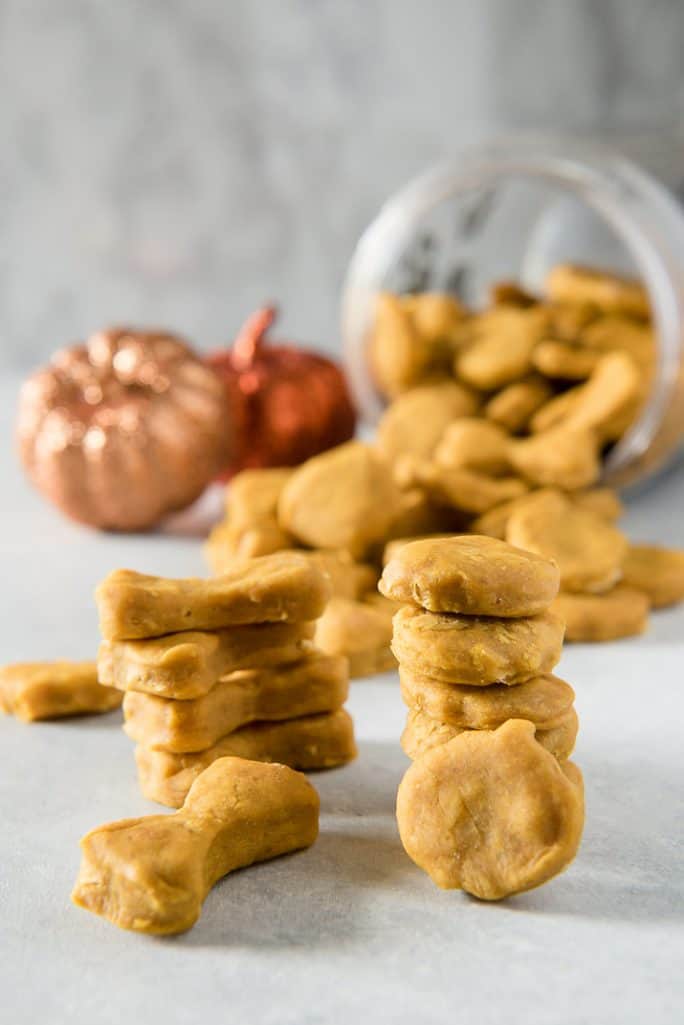
Image Source: thecrumbykitchen.com
Why Soften Dog Treats?
Dogs have varying chewing abilities. Puppies are still developing their teeth and gums, while senior dogs might have missing teeth or sensitive mouths. Even adult dogs can benefit from softer treats, making them easier to enjoy and digest. Beyond comfort, soft treats can be more palatable, encouraging picky eaters to enjoy their rewards. Achieving the right dog treat texture improvement is key to making treat time enjoyable for all dogs.
Essential Softening Techniques
There are several straightforward methods to add moisture and achieve a softer texture in your dog’s treats. These techniques can be applied to existing recipes or incorporated when you’re baking soft dog treats from scratch.
1. The Power of Moisture
Adding the right kind of moisture is the most direct way to soften baked goods. It’s not just about making them wet; it’s about introducing ingredients that bind with the dry components and keep them from becoming brittle.
Adding Moisture to Dog Treats: Key Ingredients
When aiming for moist dog treats, consider incorporating these ingredients into your soft dog biscuit recipe or using them as post-baking enhancements:
-
Pureed Fruits and Vegetables:
- Pumpkin Puree: Unsweetened pumpkin puree is a fantastic binder and adds natural moisture. It’s also great for digestion.
- Sweet Potato Puree: Similar to pumpkin, mashed sweet potato adds sweetness and moisture.
- Applesauce: Unsweetened applesauce provides a subtle sweetness and a good amount of moisture.
- Mashed Banana: Ripe bananas are naturally moist and sweet, making them a great addition.
-
Oils and Fats:
- Coconut Oil: This healthy fat adds moisture and can improve the texture.
- Olive Oil: A healthy alternative that contributes to a softer chew.
- Peanut Butter (Natural, Xylitol-Free): A favorite among dogs, natural peanut butter adds significant moisture and flavor. Ensure it’s free from xylitol, which is toxic to dogs.
-
Liquids:
- Water: Simple, but effective. A little extra water can make a big difference.
- Broth (Low Sodium, Unseasoned): Chicken, beef, or vegetable broth can add flavor and moisture.
- Yogurt (Plain, Unsweetened): Adds moisture and probiotics for gut health.
-
Other Binders:
- Eggs: Eggs act as binders and add richness and moisture.
- Oats: Rolled oats absorb moisture well, contributing to a chewier texture.
2. Adjusting Your Baking Process
The way you bake your treats can also influence their final texture. Certain adjustments can help maintain moisture during the baking soft dog treats.
Baking Soft Dog Treats: Tips for Moisture Retention
- Lower Baking Temperature: Baking at a slightly lower temperature for a bit longer can help prevent the outside from drying out too quickly before the inside is cooked.
- Shorter Baking Time: Over-baking is the enemy of soft treats. Keep a close eye on your treats and remove them when they are just set but not yet browned and crispy.
- Use Baking Parchment: Lining your baking sheets with parchment paper can help prevent sticking and can sometimes create a slight barrier that aids in moisture retention.
- Cooling Method: Allow treats to cool completely on a wire rack. If you find they are still too firm after cooling, you can use post-baking methods.
3. Post-Baking Softening Strategies
Even if your treats come out a little too firm from the oven, there are effective ways to soften them afterward. These methods are excellent for dog treat hydration and achieving that perfect consistency.
How to Make Chewy Dog Treats After Baking
- The “Bag Method”: Place the cooled, firm treats into an airtight container or a zip-top bag. Add a slice of apple or a piece of bread. Seal the container tightly and leave it overnight. The moisture from the apple or bread will transfer to the treats, softening them. Remove the apple/bread after 12-24 hours to prevent mold.
- Lightly Steaming: For a quick softening, you can briefly steam the treats. Place them in a steamer basket over boiling water for a minute or two. Be careful not to make them soggy. Pat them dry gently afterward if needed.
- Microwave Trick (Use with Caution): Place a small amount of water in a microwave-safe bowl next to the treats in a microwave-safe container. Microwave on low power for very short bursts (5-10 seconds), checking the texture after each burst. This method requires careful monitoring to avoid over-softening or making them gummy.
Popular Soft Dog Treat Recipes and Modifications
Let’s dive into some popular treat components and how to adapt them for softness. These are great starting points for creating your own homemade soft dog treats.
Incorporating Soft Dog Biscuit Ingredients
When selecting soft dog biscuit ingredients, think about how they contribute to moisture and chewiness.
-
Flour Choices:
- Oat Flour: Naturally contributes to a softer, chewier texture compared to all-purpose flour.
- Whole Wheat Flour: Offers a good balance, but can sometimes lead to drier treats if not balanced with moisture.
- Almond Flour or Coconut Flour: These can add moisture and a slightly denser texture, but often require more liquid.
-
Sweeteners:
- Honey or Maple Syrup: These liquid sweeteners not only add flavor but also help retain moisture. Use in moderation due to sugar content.
- Mashed Fruits (as mentioned above): These are excellent for both sweetness and moisture.
Example: Peanut Butter & Pumpkin Soft Treats
This is a classic for a reason!
Base Ingredients:
- 1 cup whole wheat or oat flour
- 1/2 cup unsweetened pumpkin puree
- 1/4 cup natural, xylitol-free peanut butter
- 1 egg
- 1-2 tablespoons water (if needed for consistency)
Instructions:
- Preheat oven to 350°F (175°C). Line a baking sheet with parchment paper.
- In a bowl, whisk together pumpkin puree, peanut butter, and egg until well combined.
- Gradually add the flour, mixing until a dough forms. If the dough is too dry, add a tablespoon of water at a time until it’s pliable but not sticky.
- Roll out the dough to about 1/4 inch thickness. Cut into desired shapes using cookie cutters.
- Place treats on the prepared baking sheet.
- Bake for 12-18 minutes, or until the edges are lightly golden and the treats are firm but still have a slight give. Over-baking will result in harder treats.
- Allow to cool completely on a wire rack.
- For extra softness: Use the “bag method” with an apple slice once fully cooled.
Example: Banana & Oat “No-Bake” Soft Bites
No-bake treats are inherently softer and simpler to make.
Ingredients:
- 1 ripe banana, mashed
- 1/2 cup rolled oats
- 1/4 cup unsweetened applesauce
- 1-2 tablespoons shredded unsweetened coconut (optional)
Instructions:
- In a bowl, mash the banana thoroughly.
- Stir in the applesauce and mix well.
- Add the rolled oats and shredded coconut (if using). Mix until everything is combined into a thick, sticky mixture.
- You can roll this mixture into small balls or press it into a shallow pan and cut it into squares.
- Place the bites on a parchment-lined plate or tray.
- Refrigerate for at least 30 minutes to allow them to firm up slightly.
- Store in an airtight container in the refrigerator. These are best served within a week.
Achieving Dog Treat Moisture Retention
Dog treat moisture retention is crucial for maintaining that desirable soft texture. Certain ingredients and storage methods play a significant role.
Ingredients that Help Retain Moisture
- Fats: Healthy fats like coconut oil, olive oil, and the natural oils in peanut butter help keep treats moist and pliable.
- Humectants: Ingredients like honey, maple syrup, molasses (use sparingly due to sugar), and even fruits like applesauce and pumpkin act as humectants, drawing moisture into the treats and keeping them from drying out.
- Eggs: The fat and protein in eggs contribute to richness and moisture.
Storage for Soft Treats
Proper storage is vital for dog treat moisture retention.
- Airtight Containers: Always store homemade soft dog treats in airtight containers. This prevents air from circulating and drying them out.
- Refrigeration: For most soft treats, especially those with fresh ingredients like fruit purees or yogurt, refrigeration is recommended. This not only helps with dog treat hydration but also prevents spoilage.
- Freezing: Soft treats can also be frozen for longer storage. Place them in a freezer-safe bag or container. Thaw them in the refrigerator before serving.
- Avoid Overcrowding: When storing, don’t pack treats too tightly, as this can sometimes lead to moisture being trapped in a way that promotes mold.
Troubleshooting Common Soft Treat Issues
Sometimes, even with the best intentions, treats might not turn out as soft as you hoped. Here are some common problems and their solutions for dog treat texture improvement.
Treats Too Hard
- Cause: Over-baking, not enough moisture in the recipe, or improper storage.
- Solution:
- For baked treats: Use the post-baking softening methods described earlier (bag method with apple/bread, brief steaming).
- For future batches: Increase moist ingredients (pumpkin, applesauce, yogurt), reduce baking time, or lower oven temperature. Ensure you’re using ingredients that promote softness.
Treats Too Gummy or Soggy
- Cause: Too much liquid in the recipe, under-baking, or moisture added post-baking being excessive.
- Solution:
- For baked treats: Try baking them for a few more minutes at a low temperature to dry them out slightly. If they are overly gummy from added moisture (like microwaving), it can be hard to fully fix.
- For future batches: Reduce liquids, ensure you measure ingredients accurately, and bake until just set.
Treats Mold Quickly
- Cause: Too much moisture without adequate preservatives or refrigeration, or contaminants.
- Solution:
- Always refrigerate soft treats made with fresh ingredients.
- If using the “bag method” with fruit, remove the fruit after 12-24 hours to prevent mold.
- Ensure all utensils and storage containers are clean.
- For longer shelf life without refrigeration, consider recipes that rely more on drying and less on added moisture, or use preservatives like Vitamin E oil (consult your vet for appropriate dosage). However, the focus here is on soft treats, which typically have a shorter shelf life.
Making it a Habit: Consistent Soft Treat Creation
Creating homemade soft dog treats doesn’t have to be a one-off event. By adjusting your approach, you can consistently produce treats that your dog will adore.
Choosing the Right Soft Dog Biscuit Ingredients for Your Pup
Consider your dog’s individual needs and preferences. If your dog has a sensitive stomach, opt for gentle ingredients like pumpkin and oats. For dogs who need extra calories, ingredients like peanut butter and healthy oils are beneficial. Always introduce new ingredients slowly to avoid digestive upset.
The Art of Dog Treat Hydration
Think of dog treat hydration as a continuous process. It starts with the ingredients you choose, continues through the baking or preparation method, and is maintained through proper storage. By mastering these steps, you ensure every treat is soft and appealing.
Adapting Recipes for Different Textures
Once you’re comfortable, don’t be afraid to experiment!
- For extra chewiness: Increase the ratio of oats or add ingredients like cooked sweet potato.
- For a melt-in-your-mouth texture: Focus on ingredients like pureed fruits and use oils rather than just water for binding.
Remember, the goal of dog treat texture improvement is to make them enjoyable and easy for your dog to eat.
Frequently Asked Questions About Soft Dog Treats
Q: Can I make dog treats softer without baking?
A: Yes! Many no-bake dog treats are naturally softer. Recipes involving mashed fruits, peanut butter, and oats that are then chilled or dehydrated at a low temperature can yield very soft results.
Q: How long do homemade soft dog treats last?
A: This varies depending on the ingredients. Treats made with fresh purees or dairy often last about a week in the refrigerator. If made without perishable ingredients and stored properly in an airtight container, they might last a few days at room temperature, but refrigeration is generally safer for soft treats. Freezing can extend their life for several months.
Q: What if my dog doesn’t like the taste of pumpkin or other softeners?
A: You can try other fruits like mashed banana or unsweetened applesauce. Some dogs prefer savory treats, so you might experiment with adding small amounts of cooked, unseasoned chicken or beef liver puree. Always introduce new flavors gradually.
Q: Is it safe to add yogurt to dog treats?
A: Yes, plain, unsweetened yogurt is generally safe and beneficial for dogs, offering probiotics. Ensure it’s free from artificial sweeteners and flavorings.
Q: How can I ensure my soft dog treats are healthy?
A: Focus on whole, unprocessed ingredients. Avoid added sugars, salt, artificial preservatives, and flavors. Use lean proteins, healthy fats, and digestible carbohydrates. Consulting a veterinarian or a certified canine nutritionist for recipe advice is always a good idea, especially if your dog has specific dietary needs.
By following these tips and tricks, you can easily elevate your homemade dog treats from dry and crumbly to soft, moist, and irresistibly delicious. Your dog will thank you for every chewy bite!