
Can I stop my dog from peeing on the rug? Yes, you can stop your dog from peeing on the rug through a combination of consistent training, environmental management, and addressing any underlying medical or behavioral issues. This guide will walk you through the most effective strategies for tackling this common canine problem.
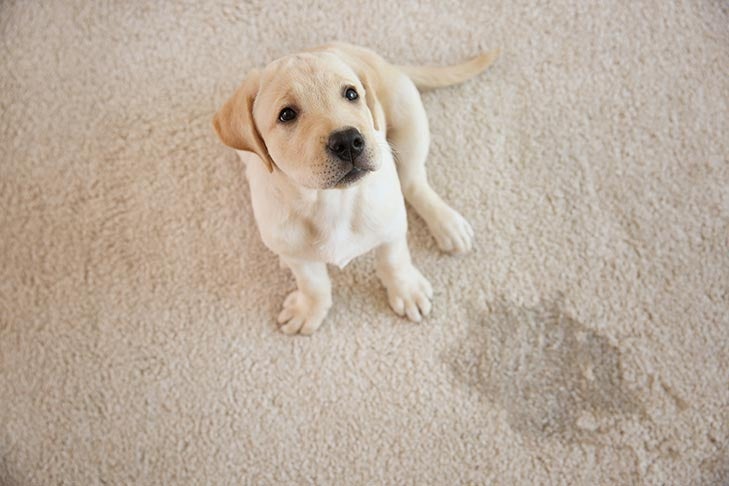
Image Source: www.akc.org
Why Is My Dog Peeing Inside? Deciphering the Cause
Before we can stop the rug peeing, we need to figure out why it’s happening. Dogs don’t typically pee indoors just to be naughty. There’s usually a reason, and identifying it is the first step to a solution.
Puppy Peeing Indoors: The Learning Curve
Puppies are in the early stages of learning where to go to the bathroom. Their bladders are small, and they haven’t fully grasped the concept of holding it. Puppy peeing indoors is a normal part of the learning process, but it requires dedicated dog potty training accidents management.
- Incomplete Bladder Control: Young puppies simply can’t hold their urine for long periods.
- Lack of House Training: They haven’t yet learned the rules of where it’s acceptable to relieve themselves.
- Excitement or Fear: Some puppies pee when they get overly excited, scared, or surprised.
Adult Dog Peeing on Carpet: More Complex Reasons
When an adult dog peeing on carpet becomes a problem, it often points to different issues than with puppies.
- Medical Conditions: Urinary tract infections (UTIs), kidney disease, diabetes, and cognitive dysfunction can all lead to accidents.
- Behavioral Issues: Anxiety, fear, or territorial marking can be triggers.
- Incomplete House Training: Some dogs, despite their age, may never have been fully or correctly house-trained.
- Changes in Routine: New environments, new pets, or changes in the household can cause stress and accidents.
Dog Marking Behavior: Establishing Territory
Dog marking behavior is when a dog urinates small amounts in various places to claim territory or communicate with other dogs. This is more common in intact males but can also occur in females and neutered dogs. The rug might become a target if it’s seen as a prominent spot in the house.
Dog Bladder Control Issues: When Medical Matters
It’s crucial to rule out dog bladder control issues. These can stem from a variety of medical problems:
- Urinary Tract Infections (UTIs): Inflammation of the bladder can cause frequent and urgent urination.
- Kidney Disease: Impaired kidney function can lead to increased thirst and urination.
- Diabetes: High blood sugar can result in more frequent trips to the potty.
- Cushing’s Disease: This hormonal disorder can increase urination and thirst.
- Cognitive Dysfunction Syndrome (CDS): Similar to dementia in humans, CDS can cause confusion and a loss of house-training.
- Incontinence: This can be due to age, spaying (hormonal incontinence), or nerve damage.
If your dog, especially an adult, suddenly starts having accidents after being reliably house-trained, a veterinary visit is paramount.
Tackling Dog Potty Training Accidents: A Step-by-Step Approach
Whether you have a puppy or an adult dog, consistent and positive reinforcement is key to successful house training.
Step 1: Veterinary Check-Up – Rule Out Medical Causes
Before trying any training methods, schedule a visit to your veterinarian. Explain the problem – the frequency, the locations, and any other symptoms your dog is exhibiting. Your vet can perform tests to identify or rule out any underlying medical conditions that might be causing the accidents.
Step 2: Deep Cleaning is Crucial: Eliminating Dog Urine Odor
This is critically important. Dogs have a strong sense of smell. If they can still smell traces of urine on the rug, they may be drawn back to that spot to pee again.
- Immediate Action: Clean up accidents as soon as you discover them.
- Enzymatic Cleaners: These are specially formulated cleaners that break down the organic molecules in pet urine. They are essential for completely eliminating dog urine odor. Regular household cleaners may mask the smell for humans but not for your dog.
- How to Use:
- Blot up as much urine as possible with paper towels.
- Saturate the affected area and a few inches around it with the enzymatic cleaner. Ensure the cleaner penetrates the carpet padding.
- Let it air dry completely. Avoid using heat, as it can set the stain and odor.
- Repeat if necessary.
- How to Use:
- Avoid Ammonia-Based Cleaners: Ammonia smells similar to urine to dogs and can actually encourage them to pee in that spot.
Step 3: Reinforce Basic House Training Principles
Even for adult dogs, sometimes a refresher course on house training dog mistakes is beneficial.
- Frequent Potty Breaks:
- Puppies: Take them out every 1-2 hours, immediately after waking up, after playing, and after eating.
- Adult Dogs: Even if they’re usually good, increase frequency if accidents are occurring, especially during times of stress or change.
- Designated Potty Spot: Take your dog to the same spot outside every time.
- Positive Reinforcement: When your dog successfully eliminates in the designated spot, praise them enthusiastically and offer a high-value treat immediately. This positive association is crucial.
- Supervision: Keep a close eye on your dog indoors. If you can’t supervise them directly, consider confining them to a crate or a safe, easy-to-clean area when you can’t watch them. Look for pre-potty signals like circling, sniffing the ground intently, or heading towards the door.
- Interrupting Accidents: If you catch your dog in the act of peeing inside, interrupt them with a clap or a firm “No!” Then, immediately take them outside to their designated spot. If they finish peeing outside, praise and reward them.
- Never Punish After the Fact: Punishing your dog for an accident that happened minutes or hours ago will only make them fearful of you and may cause them to hide their accidents. They won’t connect the punishment to the act.
Step 4: Management and Prevention
Making the rug less appealing and managing your dog’s access can prevent accidents while you train.
- Restrict Access: Until your dog is reliably house-trained, consider blocking off access to rooms with rugs, or supervise them very closely when they are in those areas.
- Crate Training: A crate can be a valuable tool. Dogs are naturally reluctant to soil their sleeping area. Ensure the crate is the right size – large enough for them to stand, turn around, and lie down comfortably, but not so large that they can designate a potty corner.
- Temporary Removal of Rugs: If the problem persists, consider temporarily removing the rugs or covering them with a waterproof material that’s easy to clean.
Addressing Specific Issues: Marking, Anxiety, and More
Sometimes, the rug peeing is more than just a house-training lapse.
Fathoming Dog Marking Behavior
If you suspect dog marking behavior, here’s what to do:
- Spay or Neuter: This can significantly reduce or eliminate marking behavior.
- Clean Thoroughly: As mentioned, eliminate all traces of scent.
- Block Access: Prevent your dog from reaching the marked spots.
- Manage Visitors: If marking occurs when other dogs visit, supervise interactions closely or keep them separated.
- Consult a Professional: For persistent marking, a certified dog trainer or behaviorist can provide tailored strategies.
Alleviating Anxiety and Stress-Related Peeing
Anxiety can manifest as inappropriate urination.
- Identify Triggers: What situations cause your dog anxiety? Loud noises, being left alone, new people or pets?
- Desensitization and Counter-Conditioning: Gradually expose your dog to triggers in a controlled, positive way, associating them with good things (treats, praise).
- Create a Safe Space: Provide a comfortable den-like area for your dog.
- Exercise and Mental Stimulation: Ensure your dog gets enough physical and mental exercise to reduce pent-up energy and anxiety.
- Calming Aids: Consider pheromone diffusers (like Adaptil), calming supplements (talk to your vet first), or anxiety vests.
- Professional Help: Severe anxiety often requires the guidance of a veterinary behaviorist.
Revisiting House Training Dog Mistakes
What if you’ve tried everything, and accidents still happen? It’s possible there were house training dog mistakes made along the way.
- Not Enough Supervision: Were you truly able to monitor your dog constantly during the initial training phase?
- Inconsistent Rewards: Were rewards always immediate and exciting enough?
- Punishment: Did you inadvertently punish your dog, leading them to hide their accidents?
- Relying on Accidents: Did you rely too much on cleaning up accidents rather than preventing them?
It might be time to go back to basics, as if you have a puppy again.
Choosing the Right Dog Pee Deterrents
Dog pee deterrents can be useful tools in conjunction with training, but they are not a standalone solution.
- Commercial Deterrents: Many products are available that claim to deter dogs from peeing in certain areas. These often have scents that dogs find unpleasant.
- Citrus-Based Sprays: Many dogs dislike the smell of citrus.
- Vinegar: Diluted white vinegar can also act as a deterrent and helps neutralize odors.
- Commercial Outdoor Sprays: These can be used on outdoor surfaces to encourage dogs to pee there.
- Important Considerations:
- Test First: Always test deterrents on an inconspicuous area of the rug to ensure they don’t cause staining or damage.
- Consistency is Key: Apply deterrents regularly as directed.
- Combine with Training: Deterrents will not magically stop the behavior. They work best when paired with positive reinforcement for correct potty behavior.
What to Do About Existing Stains: The Best Dog Rug Stain Remover
Dealing with the aftermath of accidents requires effective cleaning. The best dog rug stain remover is an enzymatic cleaner.
- DIY Odor Neutralizers:
- Baking Soda: Sprinkle baking soda liberally over the dry, cleaned area. Let it sit for several hours or overnight, then vacuum it up. This absorbs odors.
- Vinegar and Water: A solution of half white vinegar and half water can be used after initial cleaning to neutralize odors. Blot the area with this solution and allow it to dry.
- Professional Carpet Cleaning: For stubborn stains and odors, professional carpet cleaning might be necessary, especially if the urine has penetrated deep into the padding. Be sure to inform them that it’s a pet stain so they can use appropriate treatments.
Preventing Future Accidents: Proactive Strategies
Once you’ve resolved the immediate problem, focus on maintaining a clean record.
- Consistent Routine: Stick to a regular feeding schedule and regular potty breaks.
- Adequate Exercise: A tired dog is less likely to have accidents due to anxiety or pent-up energy.
- Mental Stimulation: Puzzle toys and training sessions can keep your dog’s mind engaged and reduce boredom-related issues.
- Recognize Subtle Signals: Learn your dog’s individual signs that they need to go out.
- Regular Veterinary Check-ups: Continue with annual or semi-annual vet visits to catch any potential medical issues early.
Frequently Asked Questions (FAQ)
Q1: How long does it take to house-train a dog?
A: House training duration varies greatly depending on the dog’s age, breed, previous experiences, and the consistency of the training. Puppies can take anywhere from a few weeks to several months. Adult dogs may take less time if the issue is simply a lapse in training, but medical or behavioral issues can extend this significantly. Consistency and patience are vital.
Q2: My dog is house-trained, but still pees on my rug. Why?
A: This can be due to several reasons:
* Medical issues: Urinary tract infections, kidney problems, diabetes, or incontinence.
* Anxiety or stress: Changes in the environment, separation anxiety, or fear.
* Marking behavior: Especially if there are other pets in the household or recent visitors.
* Incomplete or forgotten training: Sometimes dogs need a refresher course.
* Preference: If the rug scent is still present, they may be drawn back to it.
Q3: Is it normal for a puppy to pee indoors?
A: Yes, it is normal for puppy peeing indoors to happen frequently as they are still learning and have small bladders. The key is consistent and positive dog potty training accidents management and regular trips outside.
Q4: What’s the best way to clean up dog urine from a rug?
A: The most effective way is to use an enzymatic cleaner specifically designed for pet stains. Blot up excess urine, saturate the area with the enzymatic cleaner, let it air dry, and repeat if necessary. This helps in eliminating dog urine odor.
Q5: Can I use bleach on my rug to stop my dog from peeing there?
A: No, you should never use bleach. Bleach has a strong odor that can be similar to urine for dogs, potentially encouraging them to mark the spot. It can also damage or discolor your rug. Stick to enzymatic cleaners.
Q6: My adult dog suddenly started peeing on the carpet. What should I do?
A: An adult dog suddenly peeing on the carpet is often a sign of an underlying issue. Your first step should be a veterinary visit to rule out any dog bladder control issues or medical conditions. If medical causes are ruled out, then investigate behavioral causes like anxiety or territorial marking.
By following these comprehensive steps, you can effectively address the problem of your dog peeing on the rug and restore peace and cleanliness to your home. Remember that every dog is an individual, so what works for one might need adjustment for another. Patience, consistency, and a thorough investigation of potential causes are your best allies.