
What is the ideal dog leash length? The ideal dog leash length typically ranges from 4 to 6 feet for most walking and training situations, offering a balance between freedom and control.
Choosing the right dog leash length is a crucial decision that impacts your dog’s safety, comfort, and your ability to manage them effectively. It’s not a one-size-fits-all answer, as the best dog leash size depends on various factors, including your dog’s breed, age, temperament, training level, and the environment you’ll be in. This comprehensive guide will help you navigate the world of dog leashes and select the perfect length for your canine companion.
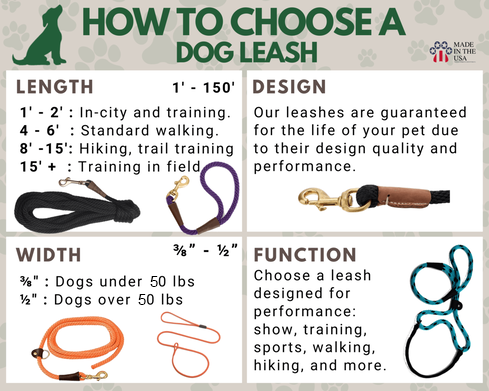
Image Source: cdn.shopify.com
The Nuances of Leash Length
A dog leash length guide is essential for new and experienced dog owners alike. The length of a leash isn’t just about aesthetics; it directly affects your control dog leash capabilities and your dog’s experience during walks. Too short, and your dog might feel restricted and anxious. Too long, and you risk losing effective control, especially in busy or unpredictable environments.
Standard Dog Leash Length: The Common Choices
When you browse pet stores or online retailers, you’ll notice a few common lengths for fixed-length leashes. These are considered the standard dog leash length and form the basis for most dog walking needs:
- 4 Feet: This shorter length provides excellent control, making it ideal for training, walking in crowded areas, or for dogs that tend to pull. It keeps your dog close to your side.
- 5 Feet: A popular middle-ground, 5-foot leashes offer a good balance of control and a bit more freedom for your dog to explore their immediate surroundings.
- 6 Feet: This is arguably the most common and versatile length. It gives your dog enough room to sniff and investigate without compromising your ability to keep them safe and close when needed.
The Case for Different Leash Lengths
While 4-6 feet is standard, different situations call for different leash lengths. Let’s explore these:
Walking Leash Length: What Works Best for Daily Strolls?
For everyday walks, a walking leash length of 4 to 6 feet is generally recommended. This length allows your dog enough freedom to sniff and explore, which is a vital part of their enrichment. However, you need to be able to keep them by your side when crossing streets, passing other dogs or people, or navigating busy sidewalks. The standard lengths provide this necessary adaptability.
Training Leash Length: Mastering Obedience
During training sessions, especially when teaching commands like “heel” or “stay,” shorter leashes can be beneficial. A 4-foot leash can help you maintain close proximity and provide immediate gentle corrections if needed. However, as training progresses and your dog becomes more reliable, you might transition to a slightly longer leash to reinforce their understanding of boundaries at a slightly greater distance. The key here is to use a leash that allows for clear communication without being so long that it becomes a distraction or hinders your ability to guide your dog.
Puppy Leash Size: Starting Off Right
When introducing a puppy to leash walking, starting with a shorter, lighter leash is often best. A 4-foot leash allows you to keep your young dog close and prevent them from getting tangled or overwhelmed. It’s also easier to manage a wiggly puppy with a shorter leash. As your puppy grows and their training progresses, you can gradually introduce longer leashes, always prioritizing safety and control. A puppy leash size should also consider the puppy’s strength and the handler’s ability to manage them.
Heavy Duty Leash Length: For Bigger, Stronger Dogs
For larger breeds or dogs that are strong pullers, a heavy duty leash length is essential. These leashes are typically made from durable materials like nylon or leather and are designed to withstand significant force. While the standard 4-6 foot length is still applicable, the construction of the leash becomes paramount. A heavy-duty leash in a 6-foot length offers a good compromise between the strength needed to manage a powerful dog and the flexibility for them to move comfortably.
Retractable vs. Fixed Leash: A Crucial Distinction
The debate between retractable vs. fixed leash is a significant one in the dog ownership community. Each has its pros and cons, and understanding these differences is vital for choosing the right tool for your dog.
Fixed Leashes: The Traditional Choice
Fixed leashes, often made of nylon, leather, or rope, come in the standard lengths discussed earlier (4-6 feet).
Pros of Fixed Leashes:
- Superior Control: You have a consistent and immediate connection to your dog, allowing for quick reactions.
- Safer for Training: Crucial for teaching obedience and proper leash manners.
- Durable and Reliable: Generally more robust and less prone to sudden malfunctions.
- Easier to Manage: Less likely to tangle or create unexpected hazards.
- Predictable: The length remains constant, which is important for handler comfort and safety.
Cons of Fixed Leashes:
- Limited Freedom: Your dog’s range of movement is restricted to the leash’s length.
- Can Encourage Pulling: Some dogs may pull harder against a fixed resistance.
Retractable Leashes: The Controversial Option
Retractable leashes, often made of plastic with a cord or tape inside, allow the leash to extend and retract, giving the dog more freedom of movement.
Pros of Retractable Leashes:
- More Freedom: Dogs can explore further distances from their handler.
- Encourages Loose-Leash Walking: Some dogs may learn to walk with a looser leash as the mechanism allows for a gradual increase in tension.
Cons of Retractable Leashes:
- Reduced Control: The mechanism can malfunction, or the handler may not react quickly enough, leading to a loss of control.
- Risk of Injury: The cord or tape can cause severe cuts or burns to handlers or dogs if it snaps or wraps around limbs.
- Can Encourage Pulling: The constant tension can actually teach dogs to pull to get more “leash.”
- Not Ideal for Training: They make teaching commands like “heel” very difficult.
- Durability Issues: The internal mechanisms can break, especially with heavy use or strong dogs.
- Entanglement Hazard: The long, extending cord can easily get tangled around trees, poles, or other dogs.
Recommendation: For most situations, especially for puppies, training, and dogs that are still learning leash manners, fixed leashes are strongly recommended. Retractable leashes are best suited for experienced owners with well-trained dogs in open, safe areas.
Short Leash vs. Long Leash: Weighing the Options
The choice between a short leash vs. long leash involves understanding the specific purpose and environment.
Short Leashes (e.g., 2-4 feet):
- Benefits: Excellent for close-quarters control, training, agility, navigating busy areas, and preventing dogs from approaching hazards. They provide a direct connection for guidance and quick correction.
- Drawbacks: Can feel restrictive to the dog, limiting their ability to explore and sniff. May inadvertently encourage pulling if the dog is constantly pulling against a short, taut leash.
Long Leashes (e.g., 15-30 feet):
- Benefits: Ideal for recall training, allowing dogs to practice commands at a distance in a safe, enclosed area. Offers significant freedom for exploration and sniffing without the handler having to move as much.
- Drawbacks: Requires a large, open, and safe space, free from distractions and hazards. The handler needs excellent situational awareness and quick reflexes to manage the long leash and prevent tangles or accidents. Not suitable for general walks in public.
The best dog leash size will often be a fixed 4-6 foot leash for everyday use, with longer leashes reserved for specific training exercises in appropriate environments.
Factors Influencing Your Leash Choice
Beyond the general guidelines, several specific factors should influence your decision:
1. Your Dog’s Breed and Size
- Small Breeds: A lighter, standard 4-6 foot leash is usually sufficient. A heavy leash could be too cumbersome for a tiny dog.
- Medium Breeds: Standard 4-6 foot leashes are generally suitable. Consider the dog’s strength and temperament.
- Large and Giant Breeds: A strong, durable 4-6 foot leash is crucial. Look for robust materials like thick nylon or leather. Ensure the clip is also strong enough to handle their weight and pulling force. A heavy duty leash length is particularly important here.
2. Your Dog’s Temperament and Training Level
- Anxious or Reactive Dogs: A shorter leash (4 feet) can provide better control and help you steer them away from triggers more effectively.
- Pullers: A 4-5 foot leash can help keep them closer, making it easier to manage their pulling. Combined with proper training, this can be very effective.
- Well-Trained Dogs: A 6-foot leash might be perfectly fine, allowing for a bit more freedom.
- Puppies: Start short and light. A 4-foot leash is a good starting point for a puppy leash size.
3. The Environment
- Busy City Streets: A shorter leash (4 feet) is best for maximum control around traffic, pedestrians, and other dogs.
- Parks and Trails: A 6-foot leash offers a good balance of freedom and control.
- Open Fields (Safe and Enclosed): A long line (15-30 feet) can be used for recall training, but only in environments where there are no immediate dangers.
4. Your Physical Strength and Comfort
- If you are not particularly strong: A shorter leash that gives you more leverage and control is advisable.
- If you have mobility issues: A leash that is too long can be a tripping hazard.
Materials Matter: Beyond Just Length
The material of your leash also plays a significant role:
- Nylon: Durable, lightweight, and water-resistant. Comes in various widths and strengths. A common choice for all-around use.
- Leather: Strong, classic, and develops a nice patina over time. Can be heavier and requires conditioning to maintain. Excellent for heavy duty leash length needs.
- Rope: Strong and durable, but can be rough on hands if the dog pulls hard.
- Biothane (Coated Webbing): Waterproof, odor-proof, and easy to clean. Very durable and a great option for wet or muddy conditions.
Leash Accessories and How They Affect Length
While the leash itself has a length, accessories can influence how you use it:
- Traffic Handles: Short loops attached to the leash near the clip. These are invaluable for quickly shortening the leash and gaining extra control in situations like crossing streets or when a dog is reactive.
- Leash Couplers: These allow you to walk two dogs with one leash. They come in various lengths, and the overall effective length will depend on how they are designed and used.
Frequently Asked Questions (FAQ)
Here are some common questions dog owners have about leash length:
Q1: Can I use a very long leash for everyday walks?
A: Generally, no. Very long leashes (over 10 feet) are not recommended for everyday walks in public areas due to safety concerns and reduced control. They are best reserved for specific training exercises in safe, open spaces.
Q2: Is a 6-foot leash always the best?
A: A 6-foot leash is a versatile standard that works well for many dogs and situations. However, for very small dogs, puppies, or dogs that need extra control, a shorter 4-foot leash might be better. Conversely, for very large, strong dogs, a sturdy 6-foot leash is often preferred over a shorter one to give them a little more comfortable range.
Q3: How do I choose the right leash for my puppy?
A: For a puppy, start with a lightweight, 4-foot leash. This allows for close supervision and control as they learn to walk on a leash. As your puppy grows and trains, you can gradually introduce longer leashes, always prioritizing safety and control.
Q4: What’s the difference between a training leash and a regular leash?
A: The terms are often used interchangeably, but “training leash” usually implies a leash (often fixed length, 4-6 feet) that is used specifically for teaching obedience and good leash manners. Some specialized training leashes might have extra features like traffic handles or be made of specific materials designed for grip and control.
Q5: Are retractable leashes bad for dogs?
A: Retractable leashes can be problematic. While they offer more freedom, they significantly reduce handler control, can cause injuries, and may encourage pulling. They are generally not recommended for training or for dogs that pull. For most owners and dogs, a fixed-length leash is a safer and more effective choice.
Q6: How can I stop my dog from pulling on the leash?
A: Leash length is only one part of addressing pulling. Proper training techniques, using appropriate equipment (like a front-clip harness or head halter), and ensuring your dog gets enough exercise are all crucial for teaching a dog to walk politely. A shorter leash can help in the early stages of training.
By carefully considering these factors and understanding the purpose behind different leash lengths, you can make an informed decision that ensures your dog’s safety and enhances your shared walking experience. Remember, the best dog leash size is one that provides you with adequate control while allowing your dog to enjoy their walk comfortably and safely.