
Can you stop a dog from chewing a rug easily? Yes, by providing appropriate outlets for their chewing needs, managing their environment, and using training techniques. Dog chewing furniture is a common issue, and rug chewing is a frequent culprit. This article will guide you through the steps to curb this destructive dog behavior, whether you have a puppy chewing anything or an adult dog with a penchant for carpets. We’ll explore why dogs chew, offer solutions for dog teething relief, and provide practical advice on how to stop puppy chewing and deterring dog chewing effectively.
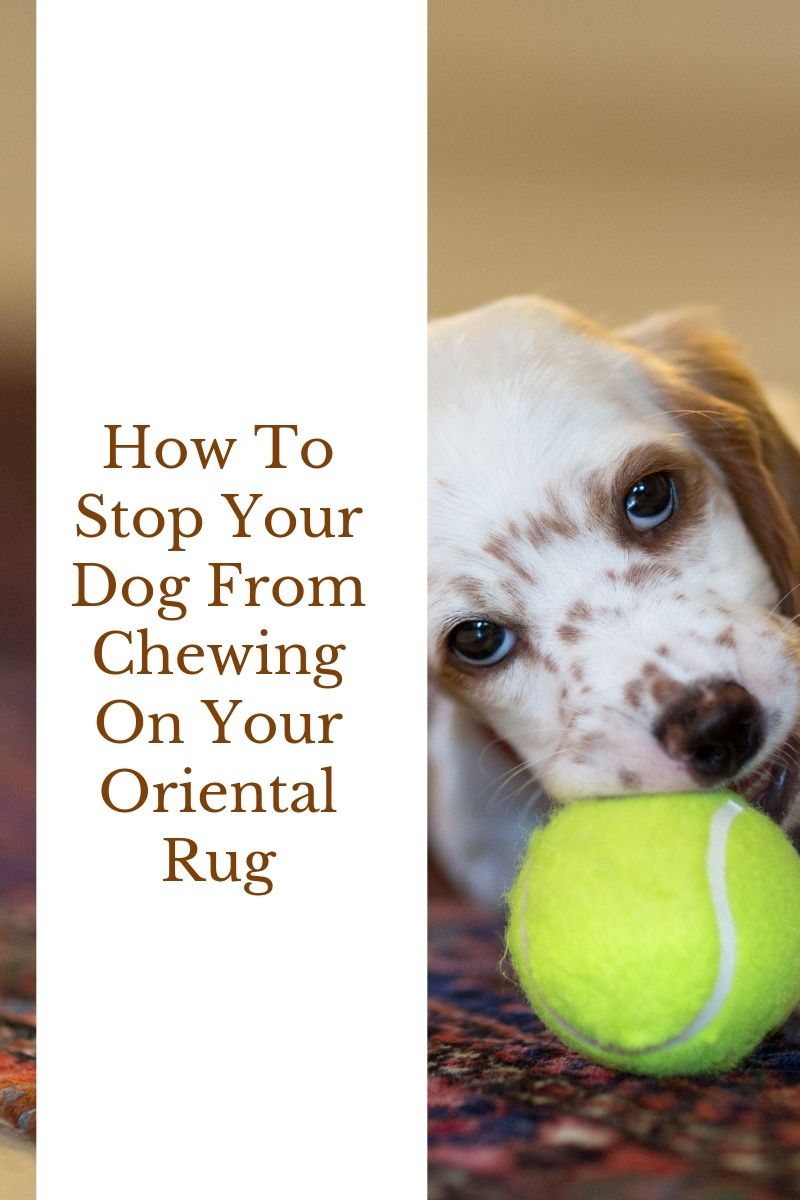
Image Source: www.catalinarug.com
Deciphering Why Dogs Chew
Before we dive into solutions, it’s essential to grasp why dogs chew. Chewing is a natural and necessary behavior for dogs of all ages.
Puppy Chewing
For puppies, chewing is a primary way they explore their world. They don’t have hands to feel textures and objects, so their mouths are their primary tools.
- Exploration: Puppies use their mouths to learn about their environment, textures, and tastes.
- Teething: As puppies grow, their baby teeth fall out and adult teeth come in. This process can be uncomfortable, and chewing helps relieve the pressure and itchiness in their gums. This is a crucial period for dog teething relief.
- Boredom and Energy: Puppies have a lot of energy and can get bored easily. Chewing can be a way to release pent-up energy.
Adult Dog Chewing
While teething is a primary driver for puppies, adult dogs continue to chew for various reasons.
- Boredom and Lack of Stimulation: If a dog isn’t getting enough mental or physical exercise, they may resort to chewing on household items, including rugs, to entertain themselves. This often falls under destructive dog behavior.
- Anxiety and Stress: Separation anxiety, fear, or general stress can lead to destructive chewing. A dog left alone for long periods or experiencing a change in routine might chew rugs as a coping mechanism.
- Attention Seeking: Some dogs learn that chewing on forbidden items gets them attention, even if it’s negative attention.
- Hunger or Nutritional Deficiencies: In rare cases, dogs may chew on non-food items if they are not getting adequate nutrition or are feeling hungry.
- Habit: Sometimes, chewing can become a learned habit that’s hard to break without intervention.
Strategies to Stop Puppy Biting Carpet and Rug Chewing
Addressing rug chewing requires a multi-faceted approach. It’s not just about stopping the act but also about redirecting the behavior and meeting your dog’s needs.
1. Provide Appropriate Chew Toys
The most crucial step is to offer your dog plenty of acceptable chew items. This directly addresses the instinct to chew and provides an outlet for their energy and teething discomfort.
- Variety is Key: Offer a range of textures and durability. Some dogs prefer soft, plush toys, while others enjoy hard rubber or nylon chew toys.
- Interactive Toys: Puzzle toys that dispense treats can keep your dog mentally stimulated and engaged, reducing the likelihood of them seeking entertainment from your rug.
- Durable Options: For persistent chewers, invest in durable, high-quality chew toys designed to withstand vigorous chewing.
- Rotate Toys: Keep a selection of toys and rotate them regularly. This keeps them novel and exciting, preventing boredom.
2. Puppy-Proof Your Home
Just as you would baby-proof your home, you need to puppy-proof it to prevent access to temptation.
- Supervision is Crucial: Always supervise your puppy, especially when they are in rooms with rugs.
- Crate Training: A crate can be a safe haven for your puppy when you can’t supervise them directly. Ensure the crate is a positive space, not a punishment.
- Confine to Puppy-Friendly Areas: When you can’t supervise, keep your puppy in a secure, puppy-proofed area with their toys and water. This might be a playpen or a room with no rugs or other tempting items.
- Remove Temptations: If possible, temporarily remove small rugs or cover larger ones with something less appealing, like a plastic runner, until the chewing behavior is managed.
3. Redirect and Reinforce
When you catch your puppy or dog chewing the rug, it’s time for immediate intervention and redirection.
- Interrupt Gently: Don’t yell or punish. A sharp, neutral sound like “Eh-eh” or a clap can interrupt the behavior.
- Redirect to a Toy: Immediately offer them an appropriate chew toy. Praise them enthusiastically when they take the toy and start chewing it.
- Positive Reinforcement: When you see your dog chewing their own toys, offer verbal praise and occasional treats. This reinforces the desired behavior.
4. Manage Boredom and Energy Levels
A tired dog is a good dog. Ensuring your dog has enough physical and mental stimulation is vital in preventing destructive behaviors like rug chewing.
- Daily Exercise: Provide adequate daily exercise appropriate for your dog’s breed, age, and energy level. This could include walks, runs, fetch, or playing in a secure yard.
- Mental Stimulation: Engage your dog’s mind with training sessions, puzzle toys, scent games, and interactive play.
- Training Sessions: Short, positive reinforcement-based training sessions can be mentally tiring and rewarding for your dog.
5. Utilize Deterrents
For persistent rug chewers, deterrent sprays can be a helpful tool.
Dog Aversion Spray for Chewing
Dog aversion spray works by having an unpleasant taste or smell that discourages dogs from chewing.
- How They Work: These sprays are typically made with bitter-tasting, non-toxic ingredients like bitter apple or citrus extracts. When a dog attempts to chew on the sprayed surface, they get an unpleasant taste, which teaches them to avoid it.
- Application:
- Test a Small Area: Always test the spray on an inconspicuous area of the rug first to ensure it doesn’t stain or damage the material.
- Apply Generously: Spray the rug liberally, focusing on the areas your dog tends to chew.
- Reapply Regularly: Deterrent sprays evaporate over time, so you’ll need to reapply them frequently, especially at first, to reinforce the message.
- Important Considerations:
- Not a Sole Solution: Deterrent sprays are a tool to aid in training, not a standalone solution. They work best when used in conjunction with providing appropriate chew toys and addressing the underlying causes of chewing.
- Taste Preference: Some dogs are more sensitive to tastes than others. You might need to try different brands or types of deterrent sprays to find one that is effective for your dog.
- Consistency: Be consistent with application. If you only spray the rug occasionally, your dog may not associate the unpleasant taste with the act of chewing.
6. Address Anxiety and Stress
If you suspect anxiety is the root cause of your dog’s rug chewing, you’ll need to address the anxiety itself.
- Separation Anxiety: If your dog chews when left alone, work on desensitizing them to your departures. Start with short absences and gradually increase the duration. Provide special toys or treats only when you leave.
- General Stress: Identify and minimize stressors in your dog’s environment. Provide a consistent routine, a quiet space, and positive reinforcement for calm behavior.
- Consult a Professional: For severe anxiety, consult a certified professional dog trainer or a veterinary behaviorist. They can help create a tailored plan, which might include behavior modification techniques, medication, or supplements.
Training Techniques for Chewing Issues
Effective dog training for chewing focuses on positive reinforcement and management.
Positive Reinforcement
Reward your dog for chewing their designated toys. This teaches them what is acceptable to chew.
- Praise and Treats: When you see your dog chewing their toy, offer verbal praise (“Good dog!”) and a small, high-value treat.
- Enthusiasm: Make it exciting! Your positive reaction reinforces that they are doing the right thing.
Management and Prevention
This involves setting your dog up for success by preventing opportunities for them to chew the rug.
- Leash Management: Keep your puppy or dog on a leash indoors when you can’t supervise them. This allows you to quickly redirect them if they approach the rug with intent to chew.
- “Leave It” Command: Teach your dog the “leave it” command. This is invaluable for preventing them from picking up or chewing things they shouldn’t. Start with low-value items and gradually work up to more tempting objects.
What to Avoid
Certain methods can be counterproductive or even harmful.
- Punishment After the Fact: Punishing your dog for chewing a rug hours after it happened is ineffective. Dogs don’t connect the punishment to the past action. It can lead to fear and anxiety.
- Physical Punishment: Never hit or physically punish your dog. This can damage your relationship, increase anxiety, and lead to aggression.
- Yelling: While a firm “No!” can interrupt, excessive yelling can scare your dog and make them anxious, potentially worsening the problem.
Table: Chew Toy Preferences by Dog Age
| Age Group | Common Chewing Needs | Recommended Chew Toy Types |
|---|---|---|
| Puppy (0-6 months) | Teething relief, exploration, learning boundaries. | Soft rubber toys, teething rings, rope toys (under supervision), KONGs filled with soft food. |
| Adolescent (6-18 months) | High energy, continued exploration, chewing for mental stimulation. | Durable rubber toys (e.g., Nylabone, KONG), tougher rope toys, puzzle toys, nylon chew bones. |
| Adult (18+ months) | Boredom, anxiety, mental stimulation, habit. | Durable rubber toys, puzzle feeders, interactive toys, dental chews, appropriate natural chews. |
Addressing Specific Scenarios
Puppy Biting Carpet
This is extremely common. Puppies often mistake the texture and movement of carpet for something fun to gnaw on. The key here is early intervention and redirection.
- Immediate Redirection: The moment you see puppy biting carpet, gently remove their mouth and immediately offer a suitable chew toy.
- Positive Association: Make that chew toy the most exciting thing in the world! Praise, play, and treats when they chew it.
- Supervision is Paramount: Never leave a young puppy unsupervised with access to carpet if they are prone to chewing it.
Dog Chewing Furniture
Rug chewing is often a precursor or related to dog chewing furniture. The same principles apply.
- Make Furniture Unappealing: Use deterrent sprays on furniture legs or corners your dog targets.
- Provide Alternatives: Ensure your dog has plenty of toys, especially when you are not home.
- Exercise and Mental Stimulation: A well-exercised and mentally stimulated dog is less likely to seek out furniture to chew.
Advanced Tips for Persistent Chewers
If you’ve tried the basic strategies and your dog is still focused on the rug, consider these advanced techniques.
1. Environmental Enrichment
Think about what might be lacking in your dog’s daily life.
- Sniff Walks: Let your dog lead the way on walks, allowing them to sniff and explore. This is incredibly mentally stimulating.
- Food Puzzles: Instead of feeding from a bowl, use food-dispensing toys for meals. This turns mealtime into a mentally engaging activity.
- Training Games: Play hide-and-seek with toys or treats. Teach them new tricks.
2. Understanding Dominance and Hierarchy (Contextual)
While often misunderstood, ensuring a clear, positive, and consistent leadership role can help some dogs feel more secure and less anxious, which can reduce destructive behaviors. This doesn’t mean being aggressive, but rather establishing clear rules, boundaries, and expectations in a kind and consistent manner.
3. Seeking Professional Help
When destructive dog behavior persists, don’t hesitate to consult experts.
- Certified Professional Dog Trainers (CPDT-KA/SA): They can assess your dog’s behavior and provide tailored training plans.
- Veterinary Behaviorists (DACVB): For complex issues like severe anxiety or compulsive behaviors, a veterinary behaviorist can offer specialized guidance and treatment options.
Frequently Asked Questions (FAQ)
Q1: My puppy is chewing everything, not just the rug. What should I do?
A: This is typical puppy behavior. Ensure you have plenty of appropriate chew toys, puppy-proof your home by removing temptations, supervise closely, and redirect any chewing onto acceptable items. Address teething discomfort with specific puppy teething toys.
Q2: Can I leave my dog alone if they chew rugs when I’m gone?
A: If rug chewing is a problem when you’re absent, it’s likely due to boredom or separation anxiety. Until the issue is resolved, it’s best to crate train your dog or confine them to a safe, puppy-proofed area with plenty of stimulating toys. Address any underlying separation anxiety with professional guidance.
Q3: Are there natural deterrents for dog chewing?
A: Yes, you can try natural deterrents like diluted apple cider vinegar or citrus sprays. However, always test them on an inconspicuous area of your rug first to avoid damage. Remember that these are supplements to training, not replacements.
Q4: My adult dog has started chewing rugs suddenly. Why might this be?
A: Adult dogs may start chewing due to boredom, increased stress, anxiety (especially separation anxiety), a change in routine, or seeking attention. Evaluate their exercise, mental stimulation, and overall environment for potential stressors.
Q5: How long does it take to stop a dog from chewing rugs?
A: The timeframe varies greatly depending on the dog’s age, breed, personality, the cause of the chewing, and the consistency of your training. Some dogs respond quickly, while others may take weeks or even months of consistent effort. Patience and persistence are key.
By consistently applying these strategies, you can effectively guide your dog away from chewing your rugs and towards more appropriate outlets, leading to a more harmonious home environment.