
Can you get a service dog in Arkansas? Yes, individuals with disabilities in Arkansas can obtain a service dog to assist them with tasks related to their disability. This guide will walk you through the process of obtaining a service dog Arkansas, including Arkansas service dog laws, where to find help, and what to expect. We’ll cover everything from service dog eligibility Arkansas to the distinction between service dogs and emotional support animals.
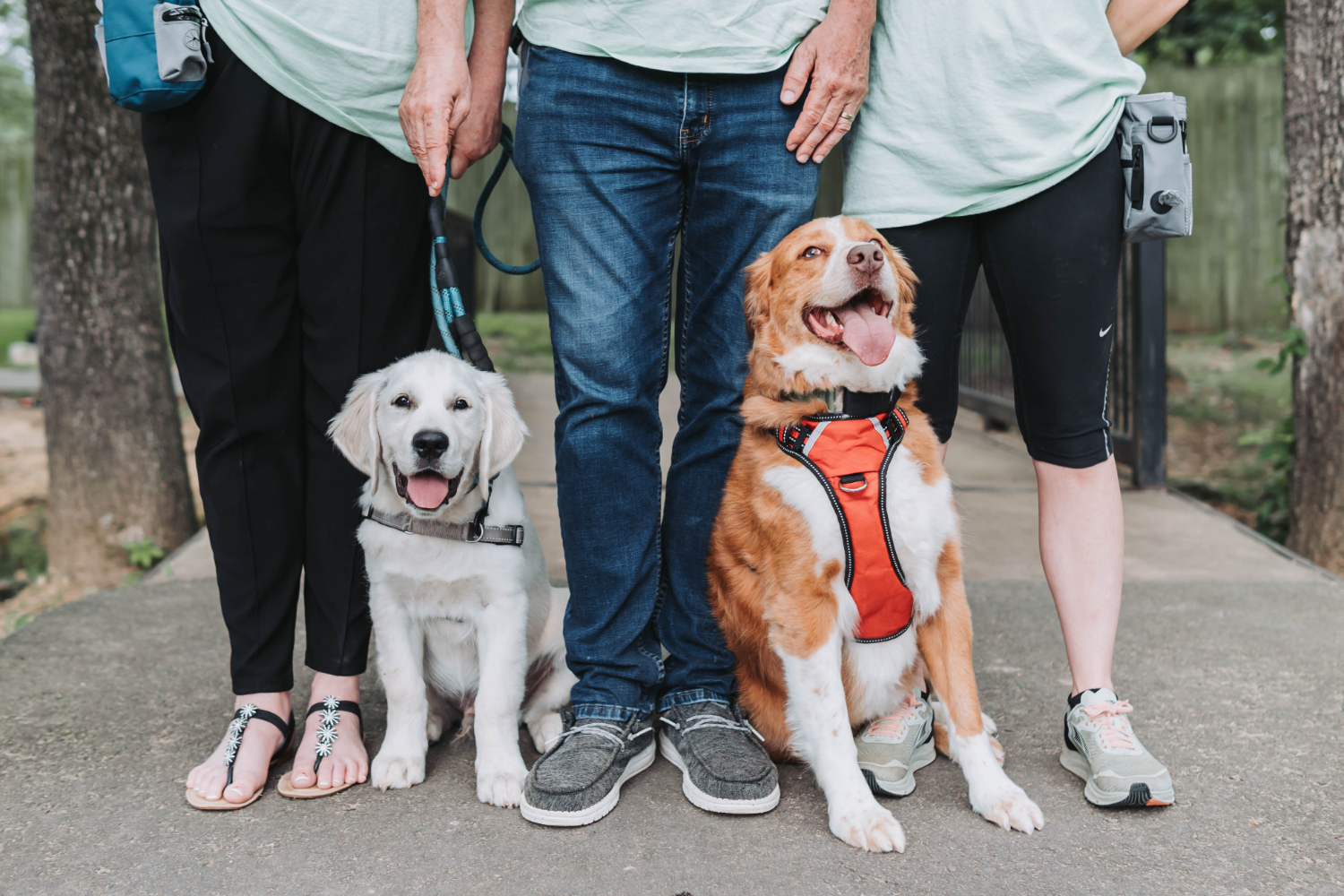
Image Source: sgservicedogs.com
Deciphering Arkansas Service Dog Laws
Arkansas follows federal guidelines set by the Americans with Disabilities Act (ADA) regarding service animals. These laws are crucial for understanding your rights and responsibilities.
The Americans with Disabilities Act (ADA) and Service Animals in Arkansas
The ADA defines a service animal as a dog, and in some cases a miniature horse, that has been individually trained to do work or perform tasks for the benefit of an individual with a disability. This training must be specific to the handler’s needs. The disability must be considered a substantial limitation to one or more major life activities.
- What service animals do: They perform specific tasks like alerting a deaf person to a sound, pulling a wheelchair, or sensing an impending seizure.
- What they are not: Service animals are not pets. They are working animals.
- Emotional Support Animals vs. Service Dogs Arkansas: This is a common point of confusion. Emotional Support Animals (ESAs) provide comfort through their presence but are not trained to perform specific tasks. While ESAs may be allowed in housing under the Fair Housing Act, they do not have the same public access rights as service dogs under the ADA. In Arkansas, as federally, the key difference lies in task-specific training.
Key Protections Under Arkansas Service Dog Laws
Arkansas service dog laws, largely mirroring federal law, provide important protections:
- Public Access Rights: Service dogs are allowed in public places where pets are typically not permitted, such as restaurants, shops, and hotels.
- No Additional Fees: Businesses cannot charge extra fees for a service dog, although handlers are responsible for damage caused by their service dog.
- Prohibited Questions: When determining if a dog is a service animal, staff can only ask two questions:
- Is the dog a service animal required because of a disability?
- What work or task has the dog been trained to perform?
- No Mandatory Registration: There is no federal or state requirement for service dog registration Arkansas. While some organizations offer registration, it is not legally mandated.
Identifying a Disability for Service Dog Eligibility Arkansas
To qualify for a service dog, you must have a disability. The ADA defines disability as:
- A physical or mental impairment that substantially limits one or more major life activities.
- A record of such an impairment.
- Being regarded as having such an impairment.
Major life activities include, but are not limited to, caring for oneself, performing manual tasks, walking, seeing, hearing, speaking, breathing, learning, and working.
Steps to Obtaining a Service Dog in Arkansas
Obtaining a service dog Arkansas involves several key steps, from identifying your needs to training and integration.
Step 1: Determine Your Needs and Eligibility
Before you start looking for a dog, carefully consider what type of assistance you need. This will guide you in selecting the right dog and training program.
Common Types of Service Dogs
Service dogs can be trained for a wide variety of disabilities. Here are a few examples relevant to Arkansas service dog laws:
- Psychiatric Service Dogs Arkansas: These dogs are trained to help individuals with mental health conditions, such as anxiety, depression, PTSD, bipolar disorder, and schizophrenia. Tasks can include deep pressure therapy during panic attacks, interrupting self-harming behaviors, reminding the handler to take medication, or providing a grounding presence.
- Mobility Assistance Dogs Arkansas: These dogs assist individuals with physical disabilities. They can help with balance, retrieve dropped items, open and close doors, turn lights on and off, and provide support when walking.
- Medical Alert Dogs: These dogs are trained to alert their handlers to specific medical events, such as diabetic changes (low or high blood sugar), or an impending seizure.
- Hearing Dogs: These dogs alert deaf or hard-of-hearing individuals to important sounds, such as doorbells, smoke alarms, or crying babies.
- Visual Assistance Dogs: These dogs guide individuals who are blind or have low vision, helping them navigate their environment safely.
Assessing Your Eligibility
- Medical Documentation: While not legally required to be shown to businesses, having documentation from your healthcare provider confirming your disability and the need for a service dog can be helpful when working with trainers or organizations. This documentation solidifies your service dog eligibility Arkansas.
Step 2: Finding Service Dog Trainers Arkansas
This is a critical step. Proper training ensures the dog is well-behaved and capable of performing its tasks reliably.
Working with Professional Trainers
When looking for finding service dog trainers Arkansas, consider these factors:
- Experience: Look for trainers with a proven track record of successfully training service dogs for your specific needs.
- Methods: Ensure their training methods are positive reinforcement-based and humane.
- Certifications: While there isn’t a single governing body that certifies all service dog trainers, look for those affiliated with reputable organizations.
- References: Ask for references from previous clients.
- Contract: Have a clear contract outlining the training process, timeline, and costs.
Reputable Service Dog Organizations
Many non-profit organizations specialize in training and placing service dogs. These organizations often have waiting lists, but the training is typically provided at little to no cost to the recipient, making obtaining a service dog Arkansas more accessible. Some organizations may focus on specific types of disabilities.
Step 3: Selecting a Service Dog Candidate
The right dog is crucial for success. This involves choosing a dog with the right temperament and aptitude.
Temperament and Aptitude
- Calm and Stable: Service dogs need to remain calm and focused in various environments.
- Trainability: They should be eager to learn and responsive to commands.
- Good Health: The dog must be in good physical health to handle the demands of its work.
- Breed: While any breed can be a service dog, certain breeds like Labrador Retrievers, Golden Retrievers, and Poodles are often favored for their temperament and trainability. However, an individual can train their own dog if it meets the necessary criteria.
Self-Training Your Dog
It is possible to train your own dog to be a service animal. If you choose this route, you will need to commit significant time and effort to ensure the dog is properly trained. This includes basic obedience, advanced task training, and extensive socialization. Many resources, including books, online courses, and professional consultations, can assist you in this process.
Step 4: Training the Service Dog
Training is a multi-stage process.
Basic Obedience and Socialization
Before task-specific training, the dog must master basic obedience commands (sit, stay, come, down, heel) and be thoroughly socialized.
- Socialization: Exposing the dog to a wide range of people, places, sounds, and situations from a young age is vital. This includes environments like grocery stores, public transportation, and busy streets. This is critical for ensuring the dog can handle public access without causing a disruption.
Task-Specific Training
This is the core of service dog training. Based on your disability, the dog will learn specific tasks to mitigate your impairment.
- Examples of Tasks:
- Psychiatric Service Dog: Deep pressure therapy (lying across the handler’s chest), blocking behavior, guiding the handler out of overwhelming situations.
- Mobility Assistance Dog: Retrieving dropped items, bracing for stability, pulling a wheelchair, turning lights on/off.
- Medical Alert Dog: Nuzzling or pawing to alert to medical changes.
Public Access Training
This phase focuses on ensuring the dog behaves appropriately in public settings, adhering to all Arkansas service dog laws and ADA guidelines.
- Behaviors to Master:
- Walking calmly on a leash without pulling.
- Remaining quiet and still under a table or beside the handler.
- Ignoring distractions like food on the floor or other animals.
- Not interacting with other people or animals unless directed by the handler.
Step 5: The Vest and Identification
While not legally required, a service dog vest or harness can help identify the dog as a working animal, making public access smoother.
- Vests: These often have patches that say “Service Dog” or similar wording.
- Identification Cards: Similarly, there is no legal requirement for an ID card. However, some organizations provide them. Remember, you are not legally obligated to show an ID card or proof of training to anyone.
Navigating Public Access with Your Service Dog
Once your service dog is trained, you’ll want to know how to navigate public spaces confidently and lawfully.
Your Rights and Responsibilities
- Access: You have the right to bring your service dog to any place open to the public.
- Handler Responsibility: You are responsible for the dog’s behavior and hygiene. If your dog is out of control or not house-trained, you may be asked to remove the dog.
- No “Service Dog Registration Arkansas” Requirement: As mentioned, no registration is needed. If asked about registration, you can politely state that registration is not required by law.
What to Do if Access is Denied
If you are denied access, remain calm and polite.
- State Your Rights: Gently remind the individual of the ADA and Arkansas service dog laws.
- Ask the Two Questions: If they seem unsure, you can ask the two permissible questions: “Is the dog a service animal required because of a disability?” and “What work or task has the dog been trained to perform?”
- Seek Assistance: If denial persists, you can contact disability advocacy groups or legal aid organizations in Arkansas.
The Difference: Service Dog vs. Emotional Support Animal in Arkansas
It’s crucial to distinguish between these two types of assistance animals to understand your rights fully.
Service Animals
- Definition: Trained to perform specific tasks to mitigate a person’s disability.
- Legal Protections: Public access rights under the ADA, housing rights under the Fair Housing Act.
- Examples: Mobility assistance, seizure alert, psychiatric tasks.
Emotional Support Animals (ESAs)
- Definition: Provide comfort and companionship by their presence; not trained to perform specific tasks.
- Legal Protections: Primarily housing rights under the Fair Housing Act (protection from “no pets” policies). They do NOT have public access rights under the ADA.
- Examples: A dog that helps reduce anxiety simply by being present.
It’s important to note that while ESAs play a vital role for many individuals, they do not qualify as service animals under the ADA, and therefore, do not have the same legal protections in public spaces in Arkansas or across the United States.
Finding Service Dog Adoption in Arkansas
For those looking to adopt a dog to train as a service animal, or to find a pre-trained service dog, service dog adoption Arkansas can be a rewarding path.
Adopting a Dog for Service Work
- Shelters and Rescues: Many local animal shelters and rescue organizations have dogs with excellent temperaments that may be suitable candidates for service dog training. Spend time observing potential dogs and consider fostering first.
- Breed-Specific Rescues: If you have a particular breed in mind, look for breed-specific rescues.
- Temperament Testing: Work with shelter staff or experienced trainers to assess a dog’s temperament and suitability for service work.
Pre-Trained Service Dogs
Some organizations may have fully trained service dogs available for adoption. These dogs are often older and have completed extensive training programs. The application process for these dogs can be rigorous, and there may be a cost associated with them, though many non-profits strive to keep costs low.
Resources for Service Dog Assistance in Arkansas
Here are some organizations and resources that can help you in Arkansas:
Non-Profit Organizations
- ** Assistance Dogs International (ADI) Accredited Organizations:** While not all ADI organizations are located in Arkansas, many serve clients nationwide. Check their directory for trainers or organizations that might serve Arkansas residents.
- Local Organizations: Search for Arkansas-based non-profits that train or place service dogs. These might focus on specific disabilities like hearing, vision, or mobility impairments.
Trainers and Support Groups
- Arkansas Service Dog Trainers: Utilize online directories and search engines to find local trainers. Always vet them thoroughly.
- Disability Advocacy Groups: Organizations supporting individuals with disabilities in Arkansas can offer guidance and referrals.
Frequently Asked Questions (FAQ)
Here are some common questions people have about getting a service dog in Arkansas.
Q1: Do I need a special “service dog license” in Arkansas?
A1: No. There is no mandatory service dog registration Arkansas. The ADA does not require registration or certification for service dogs. While some organizations offer vests or ID cards, these are optional and not a legal requirement to prove your dog is a service animal.
Q2: Can a business in Arkansas ask for my dog’s medical records?
A2: No. Businesses cannot ask for documentation of your disability or your dog’s medical records. They can only ask the two permissible questions regarding the dog being a service animal and the tasks it performs.
Q3: What if my service dog is a breed that is commonly restricted, like a Pit Bull?
A3: Under the ADA, breed restrictions are not a valid reason to deny access to a service dog. The focus is on the dog’s behavior and training, not its breed. Therefore, your Pit Bull, if trained as a service dog, should be allowed public access in Arkansas, as per federal law.
Q4: How much does a service dog typically cost in Arkansas?
A4: The cost can vary greatly. If you go through a non-profit organization that trains and places dogs, the cost is often significantly subsidized or free. However, you may still be responsible for the ongoing costs of care, food, and veterinary bills. If you train your own dog or work with a private trainer, costs can range from a few thousand dollars for training to much more, plus the cost of acquiring the dog itself.
Q5: What are the requirements for a psychiatric service dog in Arkansas?
A5: A psychiatric service dog Arkansas must be trained to perform specific tasks that mitigate the handler’s psychiatric disability. This could include tasks like grounding during dissociation, interrupting repetitive behaviors, providing deep pressure therapy, or fetching medication. The handler must also have a diagnosed psychiatric condition that substantially limits major life activities.
Q6: Can I have a service dog and an emotional support animal in Arkansas?
A6: Yes, you can have both. However, it’s important to remember their different roles and protections. Your service dog has public access rights, while your emotional support animal’s protections are generally limited to housing situations. You cannot pass off your ESA as a service dog for public access.
This guide aims to provide comprehensive information on obtaining a service dog Arkansas, from legal aspects to practical steps. Remember to consult with professionals and resources specific to your needs to ensure a successful partnership with your service dog.