
If you’re asking yourself, “Why doesn’t my dog want to walk?” or “What should I do if my dog is refusing to walk?”, the answer is multifaceted, often stemming from a combination of health, environmental, and behavioral factors. Your dog might be experiencing pain, fear, anxiety, or simply a change in their usual routine or preferences.
It can be incredibly concerning and frustrating when your usually enthusiastic canine companion suddenly becomes a dog reluctant to go outside or a dog suddenly not interested in walks. That daily ritual, often a highlight for both of you, becomes a battle. This isn’t just a minor inconvenience; it can signal underlying issues that need attention. Whether your dog is a dog refusing to walk out the door, shows signs of being lethargic on walks, or is a dog scared to walk, deciphering the root cause is the first step towards a solution.
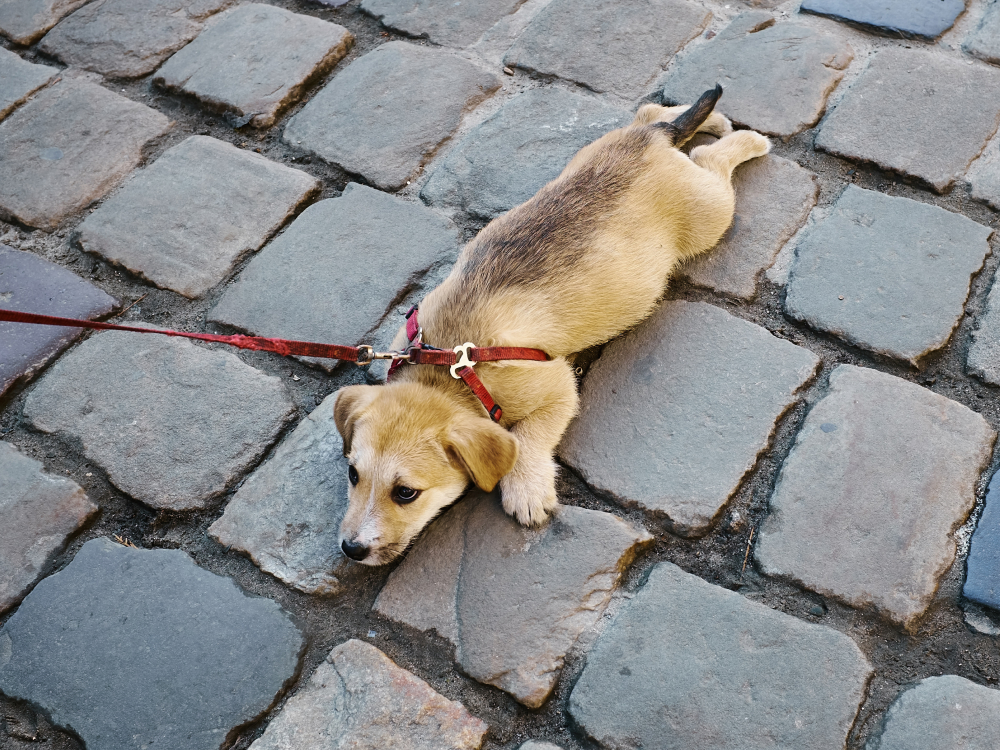
Image Source: images.ctfassets.net
Physical Ailments: The Silent Deterrent
The most critical reason for a dog’s aversion to walks often lies in their physical well-being. Dogs, like us, can experience pain or discomfort that makes any physical activity, especially walking, unpleasant. If your dog has recently changed their walking habits, a vet visit should be your very first port of call.
Joint and Musculoskeletal Issues
Arthritis is a common culprit, particularly in older dogs. It causes inflammation and stiffness in the joints, making movement painful. You might notice your dog limping, struggling to get up, or being hesitant to put weight on certain limbs.
- Hip Dysplasia: A condition where the hip joint doesn’t develop properly, leading to pain and lameness.
- Elbow Dysplasia: Similar to hip dysplasia, but affecting the elbow joint.
- Osteochondritis Dissecans (OCD): A condition affecting cartilage in joints, leading to pain and inflammation.
- Soft Tissue Injuries: Sprains, strains, or ligament tears can cause significant pain and reluctance to walk.
Foot and Paw Problems
The paws are in direct contact with the ground, making them susceptible to injury or discomfort.
- Cuts or Abrasions: Sharp objects on the ground can cause cuts.
- Bruises: Repeated impact or stepping on something hard can bruise paws.
- Thorns or Embedded Objects: Small objects lodged in the paw can be incredibly painful.
- Paw Pad Burns: Hot pavement, especially during summer, can cause severe burns.
- Ingrown Nails: Overgrown nails can alter gait and cause pain.
Underlying Health Conditions
Beyond joint issues, other health problems can manifest as a refusal to walk or increased lethargy.
- Cardiovascular Problems: Heart conditions can lead to fatigue and shortness of breath, making walks difficult.
- Respiratory Issues: Lung problems can also cause a dog to tire easily.
- Neurological Disorders: Conditions affecting the nervous system can impact coordination and mobility.
- Infections or Illness: General sickness can make any dog feel too unwell to exercise.
- Weight Issues: Overweight dogs experience more strain on their joints and get tired more quickly.
Interpreting Signs of Physical Discomfort:
- Limping or favoring a leg
- Stiffness when getting up or lying down
- Whining or yelping when touched or moved
- Hesitation to jump or use stairs
- Excessive licking or chewing of paws or joints
- Reluctance to change position
Environmental Triggers: The World Outside
Sometimes, the issue isn’t with your dog’s body, but with their perception of the world outside. The environment itself can be a source of fear, anxiety, or general unpleasantness.
Fear and Anxiety
A dog scared to walk might have had a negative experience in the past, or the current environment might be overwhelming.
- Loud Noises: Construction, traffic, fireworks, or even a barking neighbor can be terrifying.
- Unpleasant Encounters: Being startled by another dog, a person, or an animal can create lasting fear.
- New or Unfamiliar Environments: Dogs thrive on routine, and new places can be stressful.
- Changes in the Walking Route: Even small changes can make a dog uneasy if they are sensitive.
- Visual Stimuli: Scary objects, moving vehicles, or even certain people can trigger anxiety.
Weather and Temperature Extremes
Dogs are sensitive to their environment, and uncomfortable weather can make them unwilling participants.
- Extreme Heat: Pavement can get dangerously hot, burning paws. High humidity can also make it difficult for dogs to regulate their temperature, leading to heat exhaustion.
- Extreme Cold: Just as heat can be a problem, extreme cold can cause discomfort, especially for short-haired breeds or dogs with thin paw pads. Frostbite is a real risk.
- Heavy Rain or Snow: Some dogs simply dislike getting wet or the feeling of snow underfoot.
- Strong Winds: Can be disorienting and frightening for some dogs.
Sensory Overload
The world is a busy place, and for some dogs, it’s simply too much to process.
- Crowded Areas: Busy parks, busy streets, or areas with lots of people and other dogs can be overwhelming.
- Strong Smells: While dogs have amazing noses, an overload of strong or unpleasant smells can be off-putting.
Addressing Environmental Fears:
If you suspect your dog is dog anxious during walks, gradual desensitization and positive reinforcement are key.
- Start Small: Begin with very short outings in quiet areas.
- Positive Reinforcement: Offer high-value treats and praise when they exhibit calm behavior.
- Gradual Exposure: Slowly increase the duration and exposure to potentially triggering stimuli.
- Avoid Forcing: Never force a fearful dog into a situation they are clearly distressed by.
Behavioral Issues: The Mind Matters
Sometimes, the reasons for a dog’s reluctance to walk are behavioral. These can be learned, or they might stem from a more complex psychological state.
Lack of Socialization
Dogs who weren’t properly socialized as puppies may be wary of the outside world and anything new. This can lead to them being a dog reluctant to go outside due to general apprehension.
Boredom and Lack of Stimulation
If walks have become monotonous, your dog might lose interest. They are looking for mental and physical engagement.
- Repetitive Routes: Always walking the same path can become boring.
- Lack of New Experiences: Not introducing them to new sights, sounds, and smells.
Learned Helplessness or Apathy
If a dog has consistently been forced to do something they dislike or find distressing, they might develop a sense of helplessness and simply shut down.
Seeking Attention
In some cases, a dog might be using their reluctance to walk as a way to get your attention, especially if they feel they aren’t getting enough. While this is less common than other reasons, it’s worth considering if other explanations don’t fit.
Separation Anxiety Manifestations
While not directly related to walks themselves, a dog with separation anxiety might show reluctance to leave you, and this can extend to walks if they associate leaving the house with being left alone.
Age-Related Changes: The Golden Years and Beyond
As dogs age, their physical capabilities and their interest in strenuous activity can change significantly.
Decreased Energy Levels
Just like humans, older dogs tend to have less energy. What was once a brisk walk might now be too much.
Worsening of Chronic Conditions
Arthritis, heart conditions, and other age-related ailments tend to progress, making walks increasingly difficult and painful. This is a key reason for a dog lethargic on walks.
Sensory Decline
Hearing or vision loss can make dogs more cautious and less confident when navigating their environment, especially outdoors. They may feel more secure staying in a familiar, enclosed space like home.
Cognitive Dysfunction (Dementia)
Similar to Alzheimer’s in humans, canine cognitive dysfunction can lead to confusion, disorientation, and changes in behavior, including a reluctance to engage in familiar activities like walks.
When to Seek Professional Help
If you’ve ruled out obvious physical causes or if the behavioral issues are severe, it’s crucial to consult professionals.
Veterinary Professionals
- Diagnosis: A veterinarian can perform a thorough physical exam, run diagnostic tests, and identify any underlying dog health issues walking.
- Pain Management: If pain is identified, they can prescribe medication or recommend therapies.
Professional Dog Trainers and Behaviorists
- Behavioral Assessment: A certified trainer or behaviorist can assess your dog’s behavior, identify triggers for anxiety or fear, and develop a tailored training plan.
- Behavior Modification: They can guide you through techniques to build your dog’s confidence and positive associations with walks.
- Addressing Anxiety: For severe cases of dog anxiety during walks, professional intervention is often necessary.
Practical Steps to Re-engage Your Dog
Once you have a better idea of why your dog isn’t wanting to walk, you can start implementing strategies.
1. Health Check First
- Schedule a vet appointment to rule out any physical pain or illness. This is non-negotiable.
2. Reintroduce Walks Gradually
- Short & Sweet: Start with very short durations, perhaps just to the end of the driveway or around the block.
- Positive Association: Have tasty treats ready. When your dog shows willingness (even a tail wag or a step forward), reward them.
- Calm Demeanor: Be calm and patient. Your own anxiety can transfer to your dog.
3. Enhance the Walking Experience
- New Gear: A comfortable, well-fitting harness can make a big difference, especially if a collar is uncomfortable. Consider a front-clip harness if your dog pulls excessively, which can sometimes be a sign of discomfort or anxiety.
- Vary the Scenery: Try different routes, parks, or even just a different time of day.
- Incorporate Play: Bring a favorite toy or play short games during the walk.
- Sniff Safaris: Allow your dog ample time to sniff. This is incredibly important mental stimulation for them.
4. Address Environmental Triggers
- Desensitization: If loud noises are an issue, play recordings of those sounds at a low volume while giving your dog treats. Gradually increase the volume over time.
- Counter-Conditioning: Pair potentially scary things with positive experiences. For example, if your dog is wary of other dogs, give them a treat when another dog is at a distance, so they associate the sight with good things.
- Safe Spaces: Ensure your dog feels safe and secure at home.
5. Boost Confidence
- Obedience Training: Simple training exercises at home can build confidence and strengthen your bond.
- Puzzle Toys: Mental stimulation with puzzle feeders can improve overall well-being and confidence.
- Positive Reinforcement: Focus on rewarding desired behaviors.
6. Adapt for Age and Health
- Shorter, More Frequent Walks: Instead of one long walk, opt for several shorter ones throughout the day.
- Gentle Exercise: Consider swimming if your dog enjoys it and has joint issues, as it’s low-impact.
- Mobility Aids: For severely affected dogs, assistive devices like dog wheelchairs might be an option.
What to Avoid
- Punishment: Never punish your dog for not wanting to walk. This will only increase fear and anxiety.
- Forcing: Pushing a dog that is clearly stressed or in pain will exacerbate the problem.
- Ignoring the Issue: A sudden change in behavior is a signal. Ignoring it can lead to worsening health or behavioral problems.
Frequently Asked Questions (FAQ)
Q1: My dog used to love walks but now refuses to leave the house. What’s the first thing I should do?
A1: The very first step should be a comprehensive veterinary check-up to rule out any underlying medical conditions, pain, or illness that could be causing the change in behavior.
Q2: Can bad weather make my dog not want to walk?
A2: Yes, extreme heat, cold, heavy rain, or strong winds can all make dogs reluctant to go for a walk. Some dogs are also sensitive to loud weather-related noises like thunder.
Q3: My dog seems scared during walks. What can I do?
A3: If your dog is dog scared to walk, identify what scares them. Gradually expose them to triggers at a distance where they don’t react, pairing the experience with treats and praise (desensitization and counter-conditioning). Avoid overwhelming them. If the fear is severe, consult a professional dog trainer or behaviorist.
Q4: My dog is lethargic on walks. Is it just old age?
A4: While age can be a factor in a dog lethargic on walks, it’s not always the sole reason. Lethargy can indicate underlying health issues such as heart problems, anemia, or pain. A vet visit is crucial to determine the cause.
Q5: My dog is showing signs of dog anxiety during walks. What are common signs?
A5: Signs of dog anxiety during walks can include excessive panting, yawning, lip licking, whale eye (showing the whites of their eyes), tail tucked, trembling, attempting to escape, or being unusually clingy and seeking reassurance.
Q6: My dog has pain when walking. What are the common causes of dog pain when walking?
A6: Common causes of dog pain when walking include arthritis, hip dysplasia, elbow dysplasia, soft tissue injuries (sprains, strains), paw pad injuries (cuts, burns, foreign objects), or neurological issues.
Q7: My dog won’t leave the house for a walk. What behavioral problems might be at play?
A7: If your dog won’t leave the house, it could be due to fear, anxiety, lack of socialization, boredom, or a learned aversion to the outdoors stemming from past negative experiences. It can also be a sign of dog behavioral problems walking in general.
By systematically investigating these potential causes and working with your dog with patience and compassion, you can help them rediscover the joy of their daily walks.