
A dog chewing its nails can be a puzzling behavior for pet owners. Your dog might be chewing its nails due to a variety of reasons, including pain, discomfort, boredom, anxiety, or even a medical issue like allergies or infections. This article will delve into the common causes of dog nail biting and canine paw chewing, providing a comprehensive guide for concerned owners.
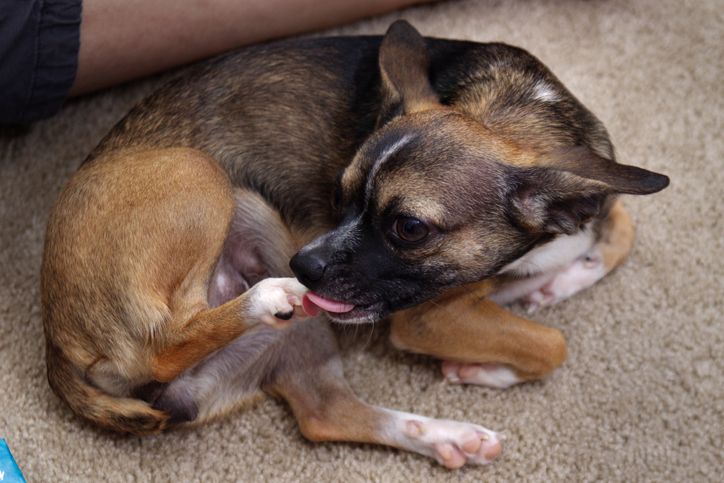
Image Source: cdn.whole-dog-journal.com
Deciphering the Behavior: What’s Behind Dog Nail Biting?
When your dog exhibits dog chewing feet or dog gnawing paws, it’s easy to feel a bit concerned. This behavior, while sometimes innocent, can indicate underlying problems that need attention. It’s not just about the nails themselves; it’s often a symptom of something more. Let’s explore the various facets of this common canine concern.
Physical Discomfort: A Painful Paw Problem
One of the most frequent reasons for dog chewing hind legs or focusing on their paws is physical discomfort. Dogs, like us, will try to alleviate pain.
Nail Overgrowth and Injury
- Long Nails: Overgrown nails can grow into the paw pads, causing pain and discomfort. They can also snag on surfaces, leading to tears or breaks. A dog will naturally try to relieve this irritation by chewing or licking.
- Injured Nails: A broken nail, a torn nail bed, or even a splinter lodged in the paw can cause significant pain. The dog’s instinct is to try and fix the problem themselves, leading to dog picking at paws.
- Ingrown Nails: Similar to overgrown nails, ingrown nails can press into the skin, creating sore spots and prompting chewing.
Paw Pad Issues
- Cuts and Abrasions: Walking on rough surfaces, hot pavement, or sharp objects can cause cuts or abrasions on a dog’s paw pads. The resulting pain and potential for infection can lead to excessive licking and chewing.
- Blisters: Certain conditions or even rough play can lead to blisters on the paw pads. These are sensitive and will draw the dog’s attention.
- Foreign Objects: Thorns, glass shards, or even small pebbles can get lodged in a dog’s paw. The dog will often focus on the area, trying to dislodge the irritant through chewing and licking.
Environmental Irritants: What’s on Their Paws?
Sometimes, the cause isn’t within the paw itself but from something the dog has come into contact with.
- Chemical Irritants: Walking on salted sidewalks in winter, lawn treatments, or even certain cleaning products can irritate a dog’s sensitive paw pads. The dog’s natural response is to lick the area to try and clean it, which can escalate to chewing if the irritation persists.
- Allergens: Environmental allergens like pollen, dust mites, or mold can cause itchy skin, and paws are a common target. This excessive paw licking can sometimes turn into dog chewing feet as the itch becomes unbearable.
Medical Conditions: When Health is the Culprit
Beyond immediate injury or irritation, several medical conditions can manifest as paw-chewing behavior.
Allergies: The Itchy Paw Predicament
Allergies are a significant cause of dog nail biting and related paw behaviors. Dogs can suffer from various types of allergies:
- Environmental Allergies (Atopy): These are the most common. Pollen, mold, dust, and other airborne irritants can cause widespread itching, with paws often being a primary site of reaction. The constant itching can lead to dog compulsive nail biting as they try to gain relief.
- Food Allergies: Sensitivities to certain ingredients in their diet, such as proteins like chicken, beef, or dairy, can also cause itchy skin and paws.
- Contact Allergies: While less common, a dog can develop an allergic reaction to something they touch, like a specific type of bedding material or carpet.
Signs of Allergies Leading to Paw Chewing:
- Seasonal Itching: Allergies are often worse during certain times of the year.
- Redness and Inflammation: The paws may appear red, swollen, and warm.
- Hair Loss: Chronic licking and chewing can lead to hair loss on the paws and legs.
- Secondary Infections: Open sores from chewing can become infected with bacteria or yeast, worsening the itch and discomfort.
Infections: Bacterial and Fungal Woes
The moist environment created by constant licking can be a breeding ground for infections.
- Bacterial Infections: Bacteria can enter the skin through small cuts or abrasions, leading to infections that cause pain, swelling, and itching.
- Yeast Infections: Yeast, naturally present on the skin, can overgrow, particularly in warm, moist areas like between the toes. This often results in a characteristic yeasty odor and intense itching, leading to dog licking paws raw.
Parasites: Tiny Troublesome Tenants
External parasites can cause significant discomfort.
- Fleas: While flea bites can occur anywhere on the body, fleas can infest a dog’s paws and legs, causing intense itching that prompts chewing.
- Mites: Certain types of mites, like demodex or sarcoptic mange, can affect the paws, causing intense itching, inflammation, and hair loss.
Neurological Issues
Although less common, neurological problems can sometimes lead to unusual behaviors, including paw chewing. This could be due to nerve pain or dysfunction.
Metabolic Diseases
Certain metabolic diseases can affect skin and nail health, potentially leading to irritation and subsequent chewing. This is usually a less direct cause and often accompanied by other symptoms.
Behavioral and Psychological Factors: The Mind Matters
Beyond physical ailments, a dog’s mental and emotional state plays a crucial role in their behavior.
Boredom and Lack of Stimulation
Dogs are intelligent creatures with energy to expend. If they are not provided with sufficient physical and mental stimulation, they can resort to self-soothing behaviors like chewing.
- Insufficient Exercise: A dog that doesn’t get enough walks or playtime can become restless and destructive.
- Lack of Mental Engagement: Puzzle toys, training sessions, and interactive play are vital for a dog’s mental well-being. Without these, they may seek their own amusement, often through chewing.
- Consequences of Boredom: This can lead to dog nibbling nails or more general canine paw chewing as a way to occupy themselves.
Anxiety and Stress
Anxiety is a common driver of repetitive behaviors in dogs, including paw chewing.
- Separation Anxiety: Dogs who are anxious when left alone may chew their paws as a coping mechanism.
- Fear and Phobias: Loud noises (fireworks, thunderstorms), new environments, or changes in routine can trigger anxiety, leading to dog chewing feet.
- Trauma or Past Experiences: Rescue dogs with a history of abuse or neglect may exhibit anxiety-related behaviors.
Obsessive-Compulsive Disorder (OCD)
In some cases, paw chewing can escalate into a compulsive behavior, similar to OCD in humans. This is often referred to as dog compulsive nail biting.
- Developing a Habit: A dog might initially chew its paws due to pain or anxiety, but the behavior can become ingrained, even after the original cause is resolved.
- Self-Reinforcing Behavior: The act of chewing itself can become a self-soothing mechanism, making it difficult for the dog to stop.
When to Seek Veterinary Advice
It’s important to recognize when dog nail biting crosses the line from a minor habit to a serious concern.
Red Flags Indicating a Need for Professional Help
- Sudden onset of the behavior: If your dog suddenly starts chewing its nails or paws, especially without any apparent cause.
- Obsessive or persistent chewing: If the chewing is constant, difficult to distract from, or lasts for extended periods.
- Signs of pain or distress: Limping, yelping, or showing reluctance to put weight on a paw.
- Visible injuries: Redness, swelling, bleeding, raw skin, or loss of fur around the paws.
- Changes in overall behavior: Lethargy, loss of appetite, or hiding.
- Chewing leading to secondary infections: Foul odor, discharge, or increased swelling.
The Veterinary Examination
A veterinarian can perform a thorough examination to identify the root cause of the paw-chewing behavior.
Diagnostic Tools
- Physical Examination: The vet will carefully inspect the paws, nails, and surrounding skin for any signs of injury, infection, or irritation.
- Dermatological Workup: This may include skin scrapings to check for mites, cytology to identify bacteria or yeast, and allergy testing (blood tests or intradermal skin testing).
- Blood Tests: To rule out underlying medical conditions or metabolic issues.
- X-rays: If a skeletal issue or foreign object is suspected.
Treatment Approaches
The treatment plan will depend entirely on the diagnosis.
- For Injuries: Cleaning and bandaging wounds, pain medication, and antibiotics if infection is present.
- For Allergies: Antihistamines, corticosteroids, immunotherapy (allergy shots), or dietary changes. Managing environmental factors is also crucial.
- For Infections: Antifungal or antibacterial medications, medicated shampoos, and topical treatments.
- For Parasites: Prescription antiparasitic medications.
- For Behavioral Issues: Environmental enrichment, increased exercise, behavior modification training, anxiety medication, or referral to a veterinary behaviorist.
Preventing Paw Problems and Associated Chewing
Prevention is always better than cure. Taking proactive steps can help keep your dog’s paws healthy and reduce the likelihood of them resorting to chewing.
Regular Nail Trimming
- Frequency: Nails should be trimmed every 3-6 weeks, or as needed. You should not hear your dog’s nails clicking on the floor when they walk.
- Tools: Use sharp, dog-specific nail clippers.
- Technique: Avoid cutting the quick (the pink part of the nail containing blood vessels and nerves). If you’re unsure, ask your vet or a groomer for a demonstration.
- Positive Association: Make nail trimming a positive experience by offering treats and praise.
Paw Care Routine
- Inspection: Regularly check your dog’s paws for cuts, scrapes, foreign objects, or signs of irritation.
- Cleaning: After walks, especially in areas where chemicals might be present, gently wipe your dog’s paws with a damp cloth or a pet-safe paw wipe.
- Moisturizing: If your dog has dry or cracked paw pads, use a pet-specific paw balm to keep them supple. Avoid human lotions, which can be harmful.
Environmental Management
- Avoid Hazards: Be mindful of where you walk your dog, especially during hot weather or when ice-melting chemicals are present.
- Allergy Control: If your dog has allergies, work with your vet to identify and manage triggers in the home and environment. Regular vacuuming and dusting can help reduce airborne allergens.
Providing Sufficient Stimulation
- Exercise: Ensure your dog gets adequate daily exercise tailored to its breed, age, and energy level.
- Mental Enrichment: Offer a variety of toys, engage in training sessions, play interactive games, and consider puzzle feeders to keep your dog mentally stimulated.
Frequently Asked Questions (FAQ)
Q1: Is it normal for my dog to lick its paws sometimes?
A1: Occasional licking is normal as dogs groom themselves. However, if you notice excessive paw licking that is persistent, intense, or leads to redness or irritation, it’s a sign that something is wrong.
Q2: Can my dog chew its nails so much that it bleeds?
A2: Yes, if the chewing is persistent and aggressive, a dog can indeed chew its nails and the surrounding skin until it bleeds. This can lead to pain, infection, and a cycle of further irritation and chewing. This is often a sign of dog compulsive nail biting.
Q3: What if I can’t tell if my dog’s paw chewing is due to boredom or an allergy?
A3: This is where a veterinarian’s expertise is invaluable. They can perform diagnostic tests to differentiate between behavioral and medical causes. If the behavior occurs primarily when the dog is left alone or seems under-stimulated, boredom might be a factor. If it’s accompanied by general itching, redness, or seasonal patterns, allergies are more likely.
Q4: How quickly should I see a veterinarian if I notice my dog chewing its paws?
A4: If the chewing is new, persistent, causing visible damage, or your dog seems distressed, seek veterinary advice promptly. For minor, occasional licking, you can monitor it for a few days, but any escalation warrants a professional opinion.
Q5: Are there any home remedies for paw chewing?
A5: While you can’t cure an underlying medical condition with home remedies, some things can help manage minor irritations or deter chewing temporarily. Bitter apple sprays can be applied to paws (ensure they are pet-safe and non-toxic). Keeping paws clean and dry is also important. However, these are not substitutes for veterinary care if a serious issue is suspected.
In conclusion, dog nail biting and related paw behaviors are complex and can stem from a wide array of sources. By carefully observing your dog, recognizing the warning signs, and seeking timely veterinary care when needed, you can help your canine companion live a more comfortable and healthy life, free from the distress that prompts them to chew their paws.