
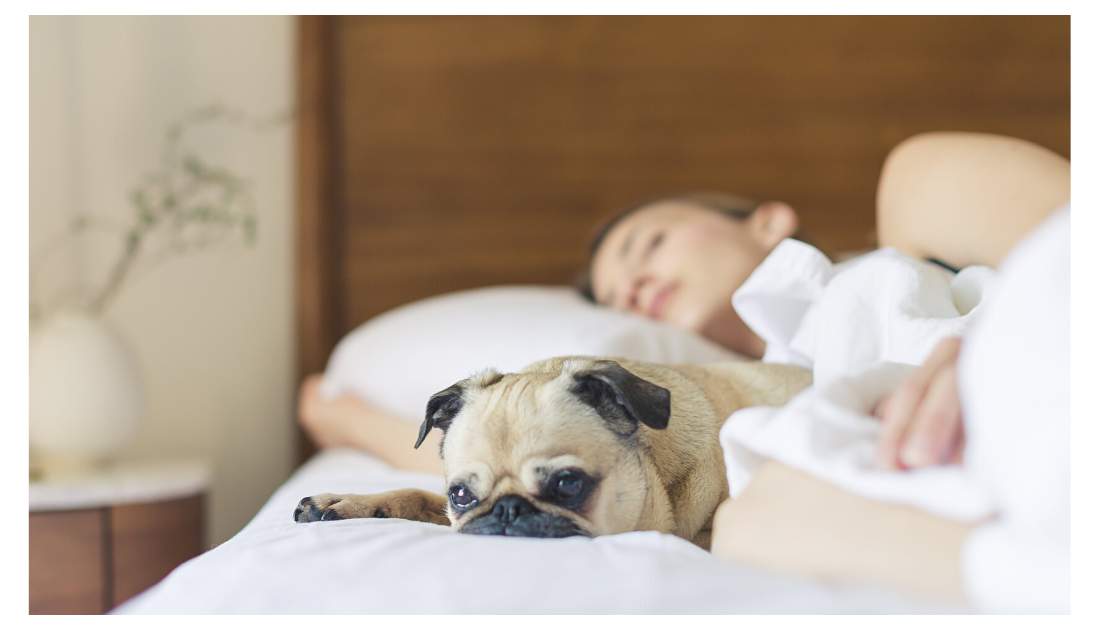
Image Source: rockykanaka.com
Why Does My Dog Sleep Facing Away From Me? Decoding Their Behavior
Does your dog turn their back to you when they sleep? This is a common question among dog owners, and the simple answer is that it’s usually a sign of comfort and trust. While it might feel like a rejection, dogs sleep facing away from their owners primarily as a display of feeling safe and relaxed in their environment. This behavior doesn’t necessarily mean they don’t want to be near you; it often indicates they feel secure enough to let their guard down in your presence.
The world of dog sleeping positions is fascinating, offering a window into their emotional state and physical comfort. When your dog chooses to sleep with their back to you, it’s a nuanced communication, a part of their intricate canine body language. This act can be interpreted through various lenses, from their innate instincts to their learned associations with you. Let’s dive deep into the reasons behind this seemingly peculiar habit.
Fathoming Canine Comfort Signals
Dogs communicate a wealth of information through their posture and actions, especially when they are in a relaxed state, like during sleep. Dog comfort signals are subtle yet telling. When a dog sleeps facing away, it often means they feel completely at ease. They don’t perceive you as a threat, nor do they feel the need to constantly monitor your movements. This allows them to dedicate their full energy to resting.
Think about it from a wild canine perspective. When a wolf pack rests, individuals might orient themselves in different directions. This isn’t because they dislike each other, but rather to allow for a more comprehensive awareness of their surroundings, ensuring no one is caught off guard. While domestic dogs have evolved, these primal instincts can still influence their behaviors.
Key Comfort Signals When Sleeping:
- Lying on their side: This is a classic sign of relaxation. Their limbs are extended, and their body is not tense.
- Curled into a ball: This position can offer a sense of security, protecting vital organs, but can also indicate they are feeling a bit chilly or simply prefer this cozy arrangement.
- Sprawled out: This is a strong indicator of feeling very safe and comfortable. They have no need to guard themselves.
- Stretched out on their back with paws in the air: This is the ultimate sign of trust and relaxation, as it exposes their most vulnerable areas.
When your dog sleeps facing away from you, and they are exhibiting other relaxed body language (soft eyes, relaxed jaw, gentle breathing), it’s a clear indication of dog comfort signals at play. They trust their surroundings, and they trust you.
The Influence of the Dog Sleeping Environment
The dog sleeping environment plays a crucial role in how a dog chooses to position themselves for rest. Factors like temperature, noise levels, and the presence of familiar scents all contribute to a dog’s sense of security and comfort. If your dog is facing away from you, it might be because they have found a more comfortable orientation in relation to other environmental elements.
For instance, your dog might be positioned to:
- Avoid a draft: If there’s a slight breeze from a window or door, they might turn their back to it to stay warm.
- Be closer to a heat source: A sunny spot on the floor or near a radiator might be their preferred sleeping locale, regardless of your position.
- Minimize noise disruption: They might be facing a wall or a quieter corner to block out sounds that could startle them.
- Optimize their view of their territory: Even while sleeping, some dogs like to maintain a sense of awareness of their immediate surroundings, particularly common in dog territorial behavior. Facing away from you might allow them to face a doorway or window that they instinctively monitor.
The bed or sleeping surface also matters. Some dogs prefer soft, plush beds that allow them to sink in, while others might prefer a cooler, harder surface. The orientation within their preferred sleeping spot can be dictated by these environmental factors.
Decoding Why Dogs Turn Their Back: A Deeper Dive
The act of why dogs turn their back on their owners while sleeping is multifaceted. It’s rarely a singular reason but often a combination of instinct, comfort, and learned behavior.
Instinctual Roots
In the wild, pack members often sleep in a communal den. While they are together for protection, individual positioning can vary. A dog might turn its back to another pack member if it feels safe enough not to need direct visual contact, allowing for a broader peripheral awareness of the den’s entrances. This instinctual behavior persists in our domestic companions.
- Sentinel Duty: While sleeping, a dog might still subconsciously assign a “sentinel” role to certain individuals (perhaps another dog or even a human in the house) who are more alert. By facing away, they are essentially entrusting their immediate blind spot to someone else.
Learned Associations and Trust
Your dog has likely developed a deep sense of trust in you. This trust is a powerful motivator behind their relaxed sleeping positions. If you have consistently provided them with safety, food, and comfort, they feel secure enough to turn their back. This is a significant indicator of dog trust signs.
- Association with Safety: They associate your presence with a safe environment. Therefore, they don’t need to be in a defensive posture towards you.
- Freedom to Relax: They can fully relax their muscles and enjoy deep sleep without the need to monitor your every move.
Sleeping Habits and Preferences
Just like humans, dogs have their own dog sleeping habits and preferences. Some dogs are simply more independent sleepers and don’t feel the need to be in constant physical proximity or visual contact with their humans.
- Personal Space: Some dogs, even when they love their owners dearly, appreciate their own personal space. Facing away might be their way of creating that subtle boundary while still being close.
- Comfort Positioning: They might have found that a particular position facing away from you is the most comfortable for their body, allowing them to stretch out or curl up in a way that minimizes discomfort.
Examining Dog Territorial Behavior in Sleep
While not always the primary driver, dog territorial behavior can subtly influence sleeping positions. A dog’s territory includes their home, their bed, and even the people they consider part of their pack.
- Awareness of Entrances: A dog might sleep facing away from you but positioned to have a clear line of sight towards a door or window, which are often perceived as key entry points into their territory. This is a primal instinct to be aware of potential intruders, even when relaxed.
- Dominance and Submission Cues: In some very specific contexts, facing away could be interpreted as a subtle assertion of independence or a lack of need for direct engagement, which might be misconstrued as dominance. However, for the vast majority of pets, this is not the case and is simply a matter of comfort and security. It’s crucial to look at the overall picture of canine body language.
Distinguishing Trust from Aversion Behavior
It’s important to differentiate between a dog sleeping facing away out of trust and a dog exhibiting dog aversion behavior. Aversion behavior is when a dog is trying to avoid something they dislike or fear.
Signs your dog might be exhibiting aversion behavior:
- Tense body: Muscles are stiff, not relaxed.
- Whale eye: The whites of their eyes are visible as they turn their head away.
- Lip licking or yawning (out of context): These can be stress signals.
- Ears pinned back: A clear sign of anxiety or fear.
- Tail tucked: Another strong indicator of fear or stress.
- Constant shifting: They can’t seem to get comfortable, indicating unease.
If your dog is facing away from you, but their body is otherwise relaxed, they are not showing any of these stress signals, and they are still close by, it is highly likely a sign of trust and comfort, not aversion.
The Role of Dog Social Cues
Dogs are highly social animals, and their interactions, even in sleep, are influenced by dog social cues. How they position themselves can be a way of managing their social environment.
- Group Dynamics: In a multi-dog household, dogs might orient themselves in relation to each other, sometimes facing away from one another. This allows for a mix of proximity and individual space.
- Relationship with You: If you are the primary caregiver and source of security, your dog feels safe enough to not constantly face you. They know you are there, and they can relax. They might still be aware of your presence through other senses like hearing and smell.
Common Dog Sleeping Positions and What They Mean
Let’s explore some common dog sleeping positions and how they might relate to your dog facing away from you.
| Sleeping Position | Interpretation | Relevance to Facing Away |
|---|---|---|
| The Curl | Often chosen for warmth and security, protecting vital organs. Can indicate a slight feeling of cold or a need for comfort. | Can be combined with facing away if they find a comfortable spot away from you. |
| The Side Sleeper | A classic sign of relaxation and comfort. Their limbs are extended, and they feel secure enough to expose their belly. | If they are side sleeping and facing away, it’s a strong sign of trust and comfort. |
| The Sprawled Out | The “superman” or “sploot.” This is a sign of extreme comfort and safety. They have no need to protect themselves and are completely at ease. | If they sprawl out facing away from you, it’s a powerful indicator of feeling very safe in your presence. |
| The Log Roll | Lying on their back with legs straight up in the air. This is the ultimate sign of trust and vulnerability, exposing their most sensitive areas. | While often done in the middle of the room, if they do this facing away from you in their bed, it’s a profound trust signal. |
| The Crescent Moon | Curled in a tight circle with their nose near their tail. This is a common position for many dogs and offers a sense of security. | If they choose this position facing away, they might be prioritizing warmth or a sense of enclosure. |
| The Chin Rest | Lying down with their chin resting on their paws. They are relaxed but still somewhat aware of their surroundings, perhaps not in deep sleep. | If they rest their chin on paws facing away from you, they are comfortable but still alert to what’s happening behind them. |
| The Paws-Up Position | Lying on their side or back with paws tucked or slightly extended upwards. This is a sign of relaxation and being warm. | If paws are up and they are facing away, it strongly signifies comfort and safety. |
When your dog sleeps facing away, they are likely in one of these relaxed positions. The key is to observe their overall demeanor.
Building and Maintaining Trust: Reinforcing Positive Sleeping Dynamics
The fact that your dog feels comfortable enough to sleep facing away from you is a testament to the bond you share. To further strengthen this dog trust signs, continue to provide a safe and nurturing environment.
- Consistent Routine: Predictable feeding times, walks, and play sessions create a sense of security.
- Positive Reinforcement: Reward calm behavior and good choices with praise and treats.
- Respect Their Space: Avoid disturbing your dog when they are sleeping, especially if they are in a deep sleep. Let them wake up naturally.
- Provide a Comfortable Sleeping Space: Ensure their bed or designated sleeping area is comfortable, clean, and in a location where they feel safe and secure. This contributes to a positive dog sleeping environment.
When to Be Concerned: Red Flags to Watch For
While facing away is usually positive, there are rare instances where it could signal a problem. If you notice a sudden change in your dog’s sleeping habits, or if the behavior is accompanied by other negative canine body language or dog aversion behavior, it’s worth investigating.
Potential Concerns:
- Sudden aversion to you: If your dog previously slept facing you and now consistently turns away with tense body language, it could indicate a shift in their feelings towards you, possibly due to a negative experience.
- Signs of pain: If your dog whines, yelps, or seems uncomfortable when changing positions, they might be experiencing pain.
- Anxiety or Fear: If they are facing away and also showing signs of stress (panting, trembling, ears back), they might be feeling anxious about something in the environment, or even your presence if there’s an underlying issue.
- Isolation: If your dog starts sleeping away from you and also avoids interaction during waking hours, this could be a sign of depression or illness.
If you observe any of these concerning signs, consult with your veterinarian or a certified professional dog trainer.
Conclusion: A Nod to Your Dog’s Comfort and Confidence
Ultimately, when your dog sleeps facing away from you, it’s a beautiful demonstration of their comfort, security, and trust in you. It’s a silent acknowledgment that they feel safe enough to let their guard down in your presence. By observing their overall canine body language and the context of their dog sleeping environment, you can confidently decipher these dog comfort signals and appreciate the deep bond you share.
Your dog is not rejecting you; they are simply resting in a way that feels best for them, a privilege earned through your consistent love and care. So, the next time your furry friend turns their back, give them a gentle smile and appreciate the quiet confidence they place in you.
Frequently Asked Questions (FAQ)
Q1: Is it bad if my dog sleeps with their back to me?
No, it’s generally not bad. In fact, it’s often a sign that your dog feels safe and trusts you enough to relax completely.
Q2: Why does my dog only sleep facing away from me now, but used to sleep facing me?
Changes in sleeping positions can sometimes indicate a shift in their comfort or environment. It could be they’ve found a new sleeping spot that’s more comfortable for them physically, or perhaps there’s a subtle change in the room’s temperature or noise that influences their orientation. If accompanied by other signs of anxiety, it might warrant attention, but often it’s just a preference.
Q3: Does it matter if my dog sleeps on my bed or on the floor?
Not inherently. What matters is whether your dog feels secure and comfortable in their chosen sleeping location. Some dogs prefer the closeness and warmth of sleeping with their owner, while others might prefer their own space on the floor.
Q4: Can my dog be trying to ignore me when they sleep facing away?
It’s highly unlikely. If your dog’s body is relaxed and they show no signs of stress, facing away is usually about comfort and security, not intentional avoidance. They are still aware of your presence.
Q5: How can I tell if my dog is truly comfortable when sleeping?
Look for relaxed body language: soft eyes, loose jaw, relaxed breathing, no tension in the muscles, and no signs of stress like tail tucking or excessive yawning. If they are facing away from you in this state, it’s a positive sign.