
Does your dog repeatedly paw at their bed, bedding, or even your couch before settling down? This common canine behavior, often referred to as “nesting” or “digging,” is perfectly normal for most dogs and stems from a variety of deeply ingrained instincts and needs. Your dog scratches her bed primarily due to instinctual behaviors like nesting, digging, and marking territory, or for comfort, anxiety relief, boredom reduction, or to prepare a den. This article will explore the fascinating reasons behind this behavior, offering insights into your dog’s world.
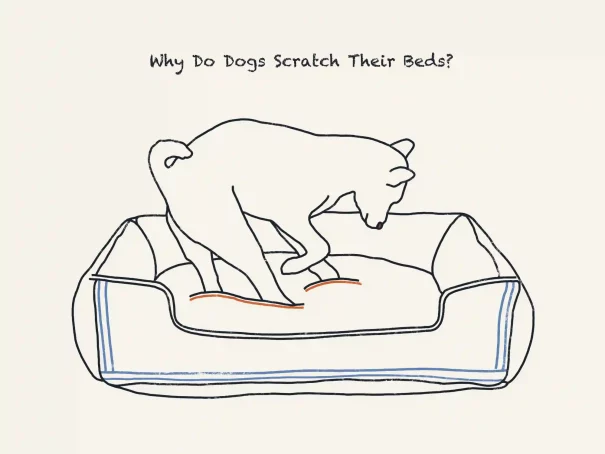
Image Source: www.dreamcloudsleep.com
The Instinctual Roots of Scratching
At its core, a dog scratching its bed is a throwback to its wild ancestors. In the wild, dogs and their wolf relatives would prepare a comfortable sleeping area by digging and pawing at the earth. This action served multiple purposes, from creating a sheltered den to ensuring a soft and warm place to rest. These ancient instincts haven’t disappeared; they’re simply expressed in different ways in our domesticated companions.
Nesting Behavior: A Primal Drive
Nesting behavior is one of the most significant drivers behind your dog’s bed-scratching. This instinct is particularly evident in female dogs who are pregnant or have recently given birth, but it’s not exclusive to them. In the wild, preparing a safe and comfortable space for pups is crucial for their survival. Dogs will paw, dig, and rearrange their surroundings to create a cozy “nest” that offers warmth and protection.
Even if your dog isn’t expecting puppies, this innate drive can still manifest. They might be mimicking the behaviors they would naturally perform to create a secure resting spot. This can involve:
- Shaping the bedding: Pawing and pushing the material around helps create contours and divots that mold to their body.
- Creating a sense of security: A well-prepared bed can make a dog feel safer and more protected, especially in an unfamiliar environment or when feeling vulnerable.
Digging Instinct: More Than Just Dirt
The digging instinct is another powerful force at play. Dogs have a natural urge to dig, whether it’s to bury bones, escape confinement, or create a cool resting spot in hot weather. When they scratch their bed, they are essentially engaging in a domesticated form of this digging behavior.
- Simulating a den: They are trying to “dig” into their bedding to create a more enclosed and secure feeling, much like their ancestors would dig a burrow.
- Reaching a cooler layer: In warmer environments, dogs might scratch to expose cooler layers of bedding or the surface beneath.
Marking Territory: Leaving Their Scent
Dogs also scratch their beds as a way of marking territory. Their paws contain scent glands, and by scratching, they deposit their unique scent onto the bedding. This act serves to:
- Establish ownership: It signals to other dogs (and even other pets in the household) that this bed, and by extension, this space, belongs to them.
- Create a familiar scent profile: The scent of their own territory can be comforting and help them feel more at ease in their environment. This establishing scent is a vital part of their communication and social structure.
Preparing a Den: The Ultimate Comfort Zone
Related to nesting and digging is the primal urge of preparing a den. A den is a safe haven, a place where a dog can retreat from the world, feel secure, and rest undisturbed. Even without a literal den, dogs will try to replicate this feeling with their bedding.
- Creating boundaries: Scratching and circling can help define the “walls” of their personal den.
- Ensuring comfort: They are ensuring that their sleeping area is as comfortable and inviting as possible.
Psychological and Emotional Reasons for Scratching
Beyond instinctual drives, a dog’s emotional state and psychological needs can also lead them to scratch their beds.
Comfort Seeking: The Pursuit of Coziness
One of the most straightforward reasons is simply comfort seeking. Dogs, like humans, want to be comfortable when they rest. Scratching and rearranging their bedding allows them to:
- Mold the bedding: They can create a perfectly shaped indentation that supports their body and minimizes pressure points.
- Fluff and soften: This can make the bed feel softer and more luxurious.
- Adjust for temperature: They might be fluffing the bedding to trap air for warmth or to create more airflow if they are feeling too hot.
Anxiety Relief: A Coping Mechanism
For some dogs, scratching their bed can be a way to manage anxiety relief. When a dog feels stressed, nervous, or uncertain, engaging in repetitive behaviors can be a self-soothing mechanism.
- Channeling nervous energy: The physical act of scratching can help release pent-up energy associated with anxiety.
- Creating a safe space: By preparing their bed, they are reinforcing their personal “safe zone,” which can be reassuring when they feel threatened.
- Separation anxiety: Dogs experiencing separation anxiety might exhibit increased nesting behaviors when left alone, as they try to comfort themselves in their owner’s absence.
Boredom Reduction: A Mental Escape
A dog that isn’t getting enough physical or mental stimulation may resort to behaviors like bed-scratching as a form of boredom reduction.
- Self-entertainment: If left with little else to do, a dog will find ways to entertain itself. Scratching can be a way to pass the time.
- Seeking interaction: Sometimes, if they know their owner reacts to this behavior, it can become a subtle way to solicit attention.
Overstimulation: Too Much of a Good Thing
Interestingly, overstimulation can also contribute to bed-scratching. If a dog has been exposed to too much excitement, noise, or activity, they may seek out their bed to decompress and regulate their sensory input.
- Creating a calmer environment: Scratching and nestling can help them create a more subdued and controlled space.
- Processing stimuli: The repetitive motion can be grounding when their senses have been overwhelmed.
Sensory Stimulation: Engaging Their Senses
In some instances, the act of scratching itself provides valuable sensory stimulation. Dogs explore the world through their senses, and the texture and feel of different bedding materials can be interesting.
- Tactile exploration: The feel of fabric under their paws can be a pleasurable sensation.
- Investigating the scent: They might also be smelling and interacting with the materials to gather information.
Age and Breed-Specific Considerations
While most dogs scratch their beds, certain factors can influence how often and why they do it.
Puppies and Young Dogs
Puppies are often more prone to vigorous bed-scratching. This can be due to:
- Exploration: They are still learning about their environment and experimenting with different behaviors.
- Teething: Some puppies might chew and scratch their bedding as a way to relieve discomfort from teething.
- Learning boundaries: They are still learning house rules and what is considered appropriate behavior.
Senior Dogs
Older dogs might scratch their beds more for comfort seeking. As dogs age, they may develop:
- Arthritis or joint pain: They might be trying to find the most comfortable position or soften their bed for easier lying down.
- Cognitive decline: In some cases, changes in behavior, including increased repetitive actions, can be linked to canine cognitive dysfunction.
Breed Predispositions
Certain breeds might have a stronger innate drive for behaviors that lead to bed-scratching:
- Terriers: Bred for digging, terriers often display a strong digging instinct.
- Herding breeds: These dogs are often keen to create their own comfortable space and may exhibit nesting behaviors.
- Working breeds: Many breeds historically used for burrowing or creating dens may show these tendencies.
When to Be Concerned About Bed Scratching
While generally a harmless behavior, there are instances when excessive or destructive bed-scratching might indicate a problem that needs attention.
Destructive Behavior
If your dog is tearing apart their bed, bedding, or furniture to an extreme degree, it could be a sign of:
- Extreme boredom: They need more mental and physical stimulation.
- Separation anxiety: They are experiencing significant distress when left alone.
- Compulsive disorder: In rare cases, it could be a sign of a compulsive behavior that requires professional intervention.
Persistent Scratching Without Settling
If your dog scratches incessantly and still appears agitated or unable to settle, it might point to underlying anxiety relief needs that aren’t being met.
Warning Signs to Monitor
| Behavior | Potential Underlying Cause | What to Do |
|---|---|---|
| Tearing beds apart aggressively | Extreme boredom, separation anxiety, destructive chewing | Increase exercise and mental stimulation, consult a trainer or vet about separation anxiety. |
| Scratching and then panting/whining | Anxiety, stress, discomfort | Identify and remove stressors, create a calm environment, seek professional guidance if persistent. |
| Scratching becomes obsessive, no resting | Compulsive disorder, severe anxiety | Consult a veterinary behaviorist immediately. |
| Scratching accompanied by other stress signals (lip licking, yawning, pacing) | General anxiety, feeling overwhelmed, overstimulation | Reduce environmental stressors, create a predictable routine, provide a safe, quiet space. |
How to Manage and Redirect Bed Scratching
For most owners, the goal isn’t to stop the behavior entirely but to manage it and ensure it’s not causing damage or distress.
Provide Appropriate Bedding
- Durable materials: Opt for beds made from tough, chew-resistant materials if your dog is a vigorous scratcher.
- Comfortable options: Ensure the bed is comfortable and supportive for your dog’s needs.
Increase Physical and Mental Exercise
A tired dog is less likely to engage in destructive or anxious behaviors.
- Daily walks: Aim for adequate exercise based on your dog’s breed, age, and energy level.
- Playtime: Engage in interactive games like fetch or tug-of-war.
- Puzzle toys: Provide mentally stimulating toys that require problem-solving.
- Training sessions: Short, positive reinforcement training sessions can tire a dog out mentally.
Address Anxiety and Stressors
If you suspect anxiety is the root cause:
- Create a safe space: Designate a quiet area in your home where your dog can retreat.
- Calming aids: Consider calming pheromone diffusers, natural supplements, or anxiety wraps, but always consult your veterinarian first.
- Desensitization and counter-conditioning: For separation anxiety or specific fears, work with a professional trainer.
Redirect the Behavior
If you catch your dog scratching inappropriately:
- Interrupt gently: Use a calm vocal cue or distraction.
- Redirect to an acceptable outlet: Offer a chew toy or a different activity.
- Positive reinforcement: Reward calm behavior and appropriate use of their bed.
Consider Environmental Enrichment
- Sensory toys: Introduce toys that engage their senses, offering a healthy alternative to destructive sensory stimulation.
- Interactive feeders: Make mealtime more engaging.
Frequently Asked Questions (FAQ)
Q1: Is it bad for my dog to scratch her bed?
No, it is generally not bad for your dog to scratch her bed. It’s a natural behavior rooted in instinct. It only becomes a concern if it leads to destructive damage of the bed or other items, or if it’s accompanied by signs of significant distress.
Q2: Can my dog’s age affect how much she scratches her bed?
Yes, puppies are more likely to scratch as they explore and learn, while senior dogs might scratch more for comfort due to age-related discomfort.
Q3: Should I get my dog a new bed if she scratches her old one?
If the old bed is significantly damaged or no longer comfortable, then yes, a new bed might be beneficial. However, if the scratching is the issue, simply replacing the bed might not solve the underlying reason for the behavior. Consider the material and durability of the new bed.
Q4: What if my dog scratches my furniture instead of her bed?
This indicates that the behavior is not being adequately channeled. Ensure your dog has an appealing and comfortable bed of her own. You can also try to make furniture less appealing (e.g., using deterrent sprays) and redirect her to her designated sleeping area.
Q5: How much exercise is enough to reduce boredom-related scratching?
This varies greatly by breed and individual dog. A general guideline is at least 30-60 minutes of vigorous exercise per day, plus mental stimulation. Consult your veterinarian or a professional trainer for advice specific to your dog.
Q6: Can scratching be a sign of a health problem?
While scratching is usually behavioral, persistent, frantic, or unusual scratching, especially if it leads to self-harm or is accompanied by other physical symptoms, could indicate an underlying health issue such as skin irritation, allergies, or even neurological problems. If you have any health concerns, always consult your veterinarian.
By taking the time to observe your dog and consider the reasons behind their bed-scratching, you can better meet their needs and ensure a happy, comfortable life for both of you. This often instinctual behavior is a window into your dog’s ancestral past and present emotional state.