
Can you remove dog smell from a rug? Yes, you can effectively eliminate dog odor from carpet using a variety of methods, from simple household cleaners to specialized pet odor neutralizers. This comprehensive guide will walk you through the best techniques to eliminate dog odor from carpet and restore freshness to your home.
Our furry friends bring boundless joy into our lives, but they can also leave behind unwelcome scents. Dog smell on rugs is a common problem for pet owners, but thankfully, it’s not an insurmountable one. Whether it’s an accident, general pet dander, or just that lingering “wet dog” aroma, this guide is your ultimate resource. We’ll cover everything from immediate cleanup to deep deodorizing, ensuring your rugs smell as fresh as the day you bought them.
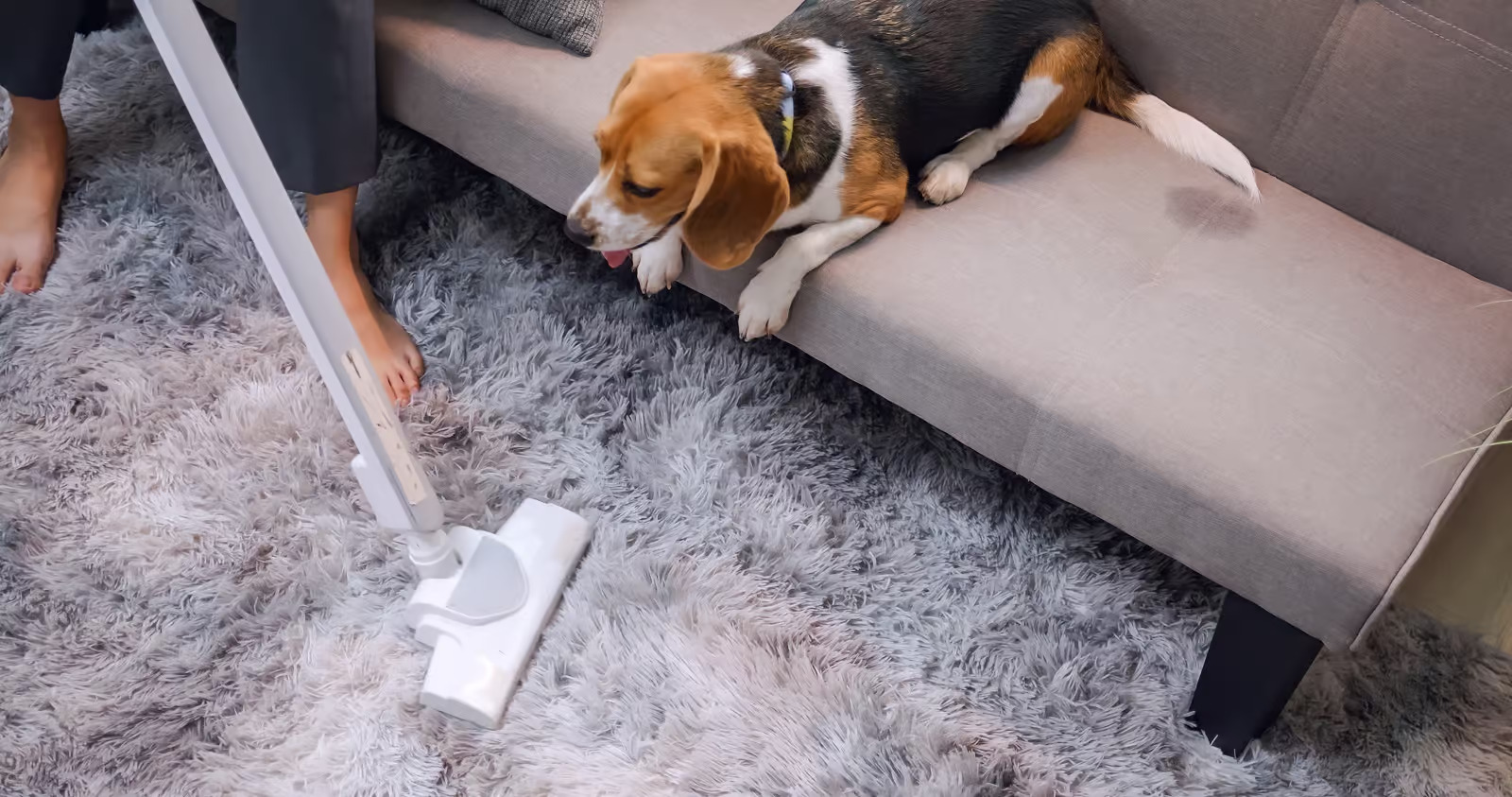
Image Source: www.loveyourrug.ca
Deciphering Dog Odor: Why Does it Happen?
Before we dive into the solutions, it’s helpful to understand why dogs can make rugs smell. Dog odors are primarily caused by:
- Urine and Feces: When dogs have accidents, their waste contains bacteria and volatile organic compounds (VOCs) that create strong, pungent odors. Even after cleaning, if the urine residue isn’t fully removed, the smell can return, especially in humid conditions.
- Dander and Saliva: Dogs shed skin cells (dander) and their saliva contains proteins. These microscopic particles settle into carpet fibers, acting as a food source for odor-causing bacteria.
- Oils and Secretions: Dogs naturally produce oils from their skin and glands. These oils can transfer to the carpet, contributing to a general “doggy” smell.
- Dirt and Grime: Dogs track in dirt, mud, and debris from outdoors, which can trap odors and bacteria within the carpet fibers.
- “Wet Dog” Smell: When a dog gets wet, the moisture releases trapped odor-causing compounds.
Immediate Action: Tackling Fresh Accidents
The key to preventing permanent dog smell in carpets is swift action. The sooner you address an accident, the easier it will be to remove the odor and stain.
For Urine and Feces Accidents:
- Act Fast: Don’t delay! The longer the mess sits, the deeper it penetrates the fibers and backing of your rug.
- Blot, Don’t Rub: Use clean, absorbent cloths or paper towels to soak up as much of the liquid or solid waste as possible. Press down firmly. Rubbing will only spread the mess and push it deeper into the carpet.
- Remove Solids: If there are solids, carefully scoop them up with a paper towel or a trowel.
- Rinse (if appropriate): For sturdy rugs and fresh urine, you can gently rinse the area with cool water. Blot thoroughly afterwards.
Your Toolkit: Essential Cleaning Supplies
Having the right supplies on hand makes the process much smoother. Here are some essentials for tackling dog smells:
- Absorbent Cloths/Paper Towels: For blotting up moisture.
- Clean Water: For rinsing and diluting cleaning solutions.
- White Vinegar: A natural disinfectant and odor neutralizer.
- Baking Soda: An excellent absorbent and deodorizer.
- Dish Soap (mild): For breaking down grease and dirt.
- Hydrogen Peroxide (3% solution): A disinfectant and stain remover (use with caution on colored carpets).
- Enzyme Cleaner: Specifically designed to break down organic matter like pet waste.
- Vacuum Cleaner: With good suction, preferably with a HEPA filter.
- Spray Bottles: For applying cleaning solutions.
- Stiff Brush (optional): For working cleaning solutions into fibers.
DIY Dog Stain Remover for Rugs and Homemade Remedies
For those who prefer to go the natural route or want cost-effective solutions, several DIY dog stain remover for rugs and homemade remedies for dog smell in carpet work wonders.
The Vinegar and Baking Soda Power Duo
This is a classic and highly effective combination.
How to:
- Blot: As mentioned, thoroughly blot up any excess moisture.
- Vinegar Solution: Mix equal parts white vinegar and cool water in a spray bottle.
- Spray: Lightly spray the affected area with the vinegar solution. Don’t saturate the rug.
- Blot Again: Gently blot the area with a clean cloth to help the solution penetrate.
- Baking Soda: Once the area is damp (not wet), sprinkle a generous amount of baking soda over the treated spot.
- Let it Sit: Allow the baking soda to sit for several hours, or preferably overnight. The baking soda will absorb moisture and odors.
- Vacuum: Thoroughly vacuum up the dried baking soda.
- Repeat if Necessary: For stubborn odors, you may need to repeat this process.
Why it Works: Vinegar is acidic, which helps neutralize alkaline odors from pet urine. Baking soda is alkaline and highly absorbent, pulling up both moisture and smells.
Baking Soda Only Method (for general odors and light dampness)
If the area isn’t particularly wet but just smells a bit “doggy,” baking soda alone can be a lifesaver.
How to:
- Sprinkle: Liberally sprinkle baking soda over the entire rug or the affected areas.
- Let it Sit: Leave it for at least 15-30 minutes for light deodorizing, or several hours for a deeper clean.
- Vacuum: Vacuum thoroughly. You might need to go over it a few times to pick up all the baking soda.
Hydrogen Peroxide and Baking Soda Paste (for tougher stains and odors)
Caution: Always test hydrogen peroxide on an inconspicuous area of your rug first, as it can lighten certain colors.
How to:
- Mix: Combine 1 tablespoon of hydrogen peroxide (3% solution), 1 tablespoon of baking soda, and a few drops of mild dish soap in a small bowl.
- Apply: Gently dab the paste onto the stained area using a clean cloth or sponge.
- Let it Work: Allow the paste to sit on the stain for about 10-15 minutes.
- Blot: Blot the area with a damp cloth to remove the paste.
- Rinse (Optional but Recommended): Lightly spray the area with plain water and blot again to remove any residue.
- Dry: Allow the area to air dry completely. You can place a fan nearby to speed up the process.
Specialized Solutions: Pet Odor Neutralizers and Enzyme Cleaners
While DIY methods are great, sometimes you need something more powerful, especially to deodorize dog urine from carpets. This is where specialized products shine.
Enzyme Cleaners: The Gold Standard for Pet Accidents
Enzyme cleaners are specifically formulated to break down the organic molecules in pet waste that cause odors. They are arguably the best carpet cleaner for pet accidents because they don’t just mask the smell; they eliminate it at its source.
How to Use Enzyme Cleaners:
- Blot Excess: Thoroughly blot up any urine or feces.
- Saturate the Area: Follow the product instructions, but generally, you’ll need to saturate the area with the enzyme cleaner. This is crucial because the enzymes need to reach all the affected fibers and padding.
- Let it Work: Enzyme cleaners require time to work. Some need to sit for a few hours, while others recommend covering the area with a damp cloth and letting it air dry over 24-48 hours. This allows the enzymes to break down the odor-causing molecules.
- Blot and Dry: Once dry, blot any remaining residue and allow the carpet to air dry completely.
- Repeat if Necessary: Persistent odors might require a second application.
Why They Are Effective: The enzymes in these cleaners are biological catalysts that break down uric acid crystals and other odor-causing components found in pet urine and feces into odorless substances.
Pet Odor Neutralizer Sprays
These are excellent for quick touch-ups and for general freshening. A good pet odor neutralizer for rugs can quickly combat that “doggy” smell.
How to Use:
- Spray Lightly: Hold the can about 6-12 inches away from the rug and spray a light, even mist.
- Allow to Dry: Let the rug air dry. Many formulations contain ingredients that encapsulate or neutralize odor molecules upon contact.
Deep Cleaning Your Rugs: For Persistent Smells
If DIY methods and spot treatments aren’t cutting it, or if you want to generally refresh dog-scented carpets, a deeper cleaning approach is necessary.
Carpet Shampoos and Machines
Using a carpet cleaning machine (either rented or owned) with a pet-specific shampoo can be very effective.
Tips for Using Carpet Cleaners:
- Pre-Treat: Treat any heavily soiled or odorous spots with an enzyme cleaner or a DIY solution before using the machine.
- Use Pet-Friendly Solutions: Ensure the shampoo you choose is specifically designed for pet messes and is safe for your rug type.
- Don’t Over-Wet: Follow the machine’s instructions carefully to avoid saturating the carpet, which can lead to mold and mildew, creating new odors.
- Rinse Well: Ensure you rinse the carpet thoroughly to remove all cleaning solution residue, which can attract dirt.
- Dry Thoroughly: Proper drying is essential. Open windows, use fans, or even a dehumidifier.
Steam Cleaning (Hot Water Extraction)
While often referred to as “steam cleaning,” most home carpet cleaning machines use hot water extraction. True steam cleaning can sometimes set protein-based stains (like urine) and odors.
- Consider the Rug Type: Wool and delicate rugs might not be suitable for hot water extraction. Always check the manufacturer’s care instructions.
- Use Appropriate Solutions: If using a professional service or a machine, ensure they use pet-safe cleaning solutions.
Tackling Puppy-Specific Odors
How to get rid of puppy smell on floor and rugs is similar to adult dogs, but puppies are notorious for accidents and a general “puppy scent.”
- Frequent Cleaning: Puppies have less control, so expect more frequent accidents. Immediate cleanup is paramount.
- Enzyme Cleaners are Key: Puppies’ urine can be particularly potent. Enzyme cleaners are your best friend here.
- Puppy Training Aids: While not for cleaning, using enzymatic cleaners in training areas can help deter repeat offenses.
Treating Specific Rug Types
Different rug materials require different care.
Synthetic Rugs (Nylon, Polyester, Olefin)
These are generally durable and can withstand most cleaning methods, including DIY solutions and enzyme cleaners.
Natural Fiber Rugs (Wool, Cotton, Sisal)
- Wool: Wool is naturally resistant to odors and stains, but harsh chemicals can damage it. Stick to mild solutions like diluted vinegar or baking soda. Avoid excessive moisture. Enzyme cleaners formulated for wool are available.
- Cotton: Can be sensitive to color bleeding. Test solutions in an inconspicuous area.
- Sisal/Jute: These natural fibers are highly absorbent and can be damaged by too much water. Blotting is crucial, and excessive moisture can lead to mildew and damage the fibers. Use dry methods like baking soda or very lightly dampened cloths.
Natural Dog Smell Removal from Upholstery and Rugs
When you’re looking for natural dog smell removal from upholstery and rugs, the focus is on gentle yet effective ingredients.
- Vinegar and Water: A fantastic all-purpose natural cleaner and deodorizer.
- Baking Soda: Your go-to for absorbing odors.
- Cornstarch: Similar to baking soda, it can absorb moisture and odors.
- Activated Charcoal: Known for its exceptional odor-absorbing properties. Place bowls of activated charcoal near the rug or sprinkle it (though this can be messy).
- Essential Oils (Diluted): A few drops of dog-safe essential oils like lavender or chamomile mixed with water can add a pleasant scent. Caution: Some essential oils are toxic to dogs. Always research and use with extreme care, and never let your dog ingest them.
Treating Dog Pee Smell on Area Rugs
Area rugs are a particular challenge because they can be moved, but also because the urine can soak through to the backing and even the floor beneath.
- Immediate Blotting: This is non-negotiable for area rugs.
- Enzyme Cleaner Saturation: You must saturate the area with an enzyme cleaner to reach all the urine. This often means the cleaner needs to go through the rug’s fibers and down to the backing.
- Flip and Treat (if possible): If it’s a smaller area rug, consider flipping it over after treating the top to allow the cleaner to work on the backing and any urine that has soaked through.
- Air Dry Completely: Ensure the entire rug is dry before placing it back down. Placing a damp rug back on a hard floor can trap moisture and lead to mildew.
- Consider Professional Cleaning: For valuable or delicate area rugs, or for stubborn pet pee smells, professional cleaning is often the best option to treat dog pee smell on area rugs.
Frequently Asked Questions (FAQ)
Q1: How can I prevent my rug from smelling like dog?
A1: Regular vacuuming, prompt cleanup of accidents, grooming your dog (brushing to reduce shedding, bathing when needed), and using air purifiers can all help prevent dog odors from accumulating.
Q2: Can I use a steam cleaner for dog urine on my rug?
A2: While steam cleaners (hot water extractors) can remove dirt and residue, the heat can sometimes “bake” the proteins in urine into the fibers, making the smell harder to remove and potentially setting the stain permanently. It’s often better to use an enzyme cleaner first.
Q3: How long does it take for a rug to dry after cleaning?
A3: Drying times vary depending on humidity, airflow, and how wet the rug got. It can range from a few hours to 24-48 hours. Using fans and good ventilation speeds up the process.
Q4: What is the best way to get rid of the “wet dog” smell?
A4: Once your dog is dry, the “wet dog” smell usually dissipates. However, if the smell lingers on the rug, it’s likely due to trapped oils and bacteria. Thorough vacuuming with baking soda sprinkled beforehand is a good first step. For persistent smells, a deep clean with an enzyme cleaner or a carpet cleaner is recommended.
Q5: How often should I deep clean my rugs if I have a dog?
A5: This depends on your dog and your lifestyle. For homes with dogs that spend a lot of time indoors, a deep clean every 3-6 months is a good general guideline. If you have puppies or dogs prone to accidents, you might need to clean more frequently.
Final Thoughts on Refreshed Carpets
Maintaining a fresh-smelling home with dogs is achievable. By understanding the sources of dog odor and employing the right cleaning strategies, you can effectively eliminate dog odor from carpet. Remember that consistency in cleaning, immediate action on accidents, and the use of appropriate products like enzyme cleaners are your most powerful allies in this battle. With these methods, you can confidently refresh dog-scented carpets and enjoy a clean, welcoming home for both you and your beloved canine companion.