
Can my dog suddenly stop eating from his bowl? Yes, a dog can suddenly stop eating from his bowl for many reasons, ranging from simple preferences to serious health issues. This article will explore those reasons and offer solutions to help you address this common, yet concerning, behavior.
When your beloved canine companion, who usually devours his meals with gusto, suddenly starts refusing food from his usual bowl, it can be a significant cause for concern. This behavior, often described as feeding refusal, can leave pet owners bewildered and worried. Is he a fussy eater or is something more serious at play? This comprehensive guide aims to decipher why your dog might be turning his nose up at his food bowl and, more importantly, what you can do about it.
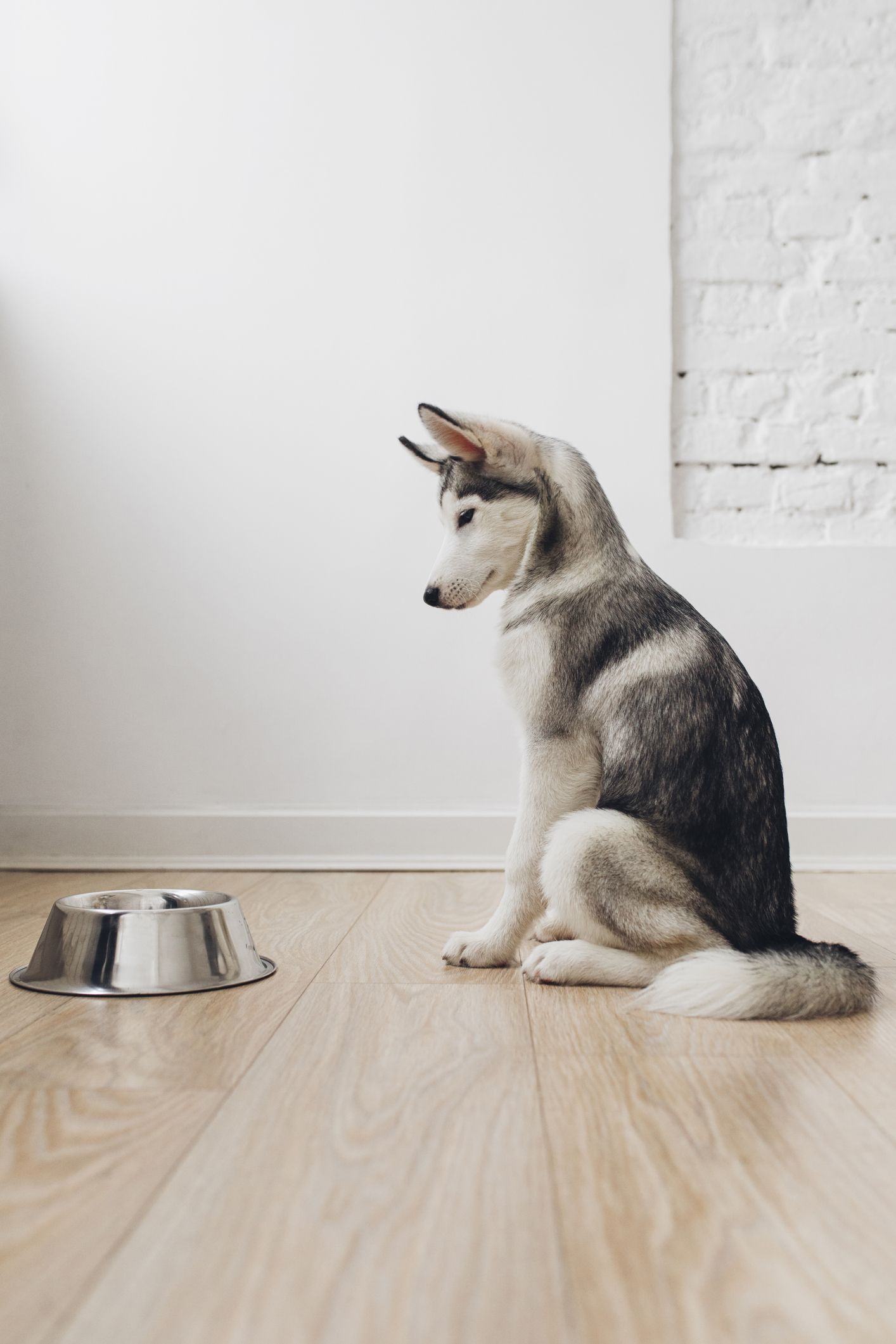
Image Source: cdn.whole-dog-journal.com
Deciphering Your Dog’s Eating Habits
Dogs are creatures of habit, and their eating habits are usually quite predictable. When this routine is disrupted, it’s a signal that something has changed. Identifying the root cause is the first step towards a solution.
Common Reasons for Bowl Aversion
Several factors can contribute to a dog avoiding their food bowl. These can be categorized into environmental, behavioral, and medical.
Environmental Factors
The environment where your dog eats plays a crucial role in their willingness to consume food.
- The Bowl Itself: This is often the most overlooked factor.
- Material: Some dogs dislike the feel or sound of certain bowl materials.
- Plastic bowls: Can retain odors, leading to food aversion. They can also scratch, harboring bacteria.
- Metal bowls: Can be too loud if bumped or scraped, or they can reflect light in a way that bothers some dogs. Some dogs also react to the metallic taste.
- Ceramic bowls: Generally a good option, but can chip, creating sharp edges. They are also heavier and less prone to sliding.
- Shape and Depth: A bowl that is too deep can cause discomfort for dogs with short snouts or those experiencing neck pain. A bowl that’s too wide might make them feel exposed while eating.
- Cleanliness: Even a seemingly clean bowl can harbor bacteria or residual soap that might deter your dog.
- Material: Some dogs dislike the feel or sound of certain bowl materials.
- Location of the Bowl: Where the food bowl is situated can significantly impact your dog’s comfort and willingness to eat.
- High-Traffic Areas: If the bowl is in a busy hallway or a place with constant foot traffic, your dog might feel unsafe or anxious to eat.
- Near Other Pets: Competition or past negative interactions with other animals during meal times can lead to a dog avoiding their bowl to prevent conflict.
- Noisy Environments: Proximity to loud appliances, a washing machine, or a constantly barking dog can create a stressful atmosphere for eating.
- Food Placement: Sometimes, it’s not just the bowl but where the food is placed within the bowl. If the food is piled high and spills over the edge, it can be off-putting.
Behavioral and Psychological Factors
A dog’s mental state and past experiences can heavily influence their eating behavior.
- Food Aversion: This is a learned behavior where a dog associates a particular food or feeding situation with a negative experience.
- Illness: If your dog has been sick after eating a certain food, they might develop a food aversion to that food or even the bowl it was served in. This is a survival mechanism to avoid something they perceive as harmful.
- Traumatic Experience: A scary event happening while they were eating (e.g., a loud bang, a sudden scare) can create a negative association with their food bowl.
- Spoiled Dog Syndrome: While not a formal diagnosis, some dogs can become accustomed to constant treats, table scraps, or highly palatable, human-grade food, leading them to become picky dog eaters who find their regular kibble less appealing.
- Anxiety and Stress: Dogs are sensitive creatures. Changes in the household, new people or pets, separation anxiety, or general stress can manifest as sudden appetite loss or feeding refusal.
- Boredom with Food: Sometimes, dogs simply get bored with the same food day after day, especially if they’ve had a varied diet or experienced more exciting meals previously.
- New Food Presentation: If you’ve recently switched food types or brands, your dog might simply be protesting the change.
Medical Reasons
It is crucial to rule out medical issues first, especially if the refusing food behavior is sudden or accompanied by other symptoms.
- Dental Problems: Pain in the mouth, such as toothaches, gum disease, or mouth sores, can make chewing and swallowing difficult and painful, leading to feeding refusal.
- Gastrointestinal Issues: Nausea, indigestion, or more serious conditions like pancreatitis, gastritis, or inflammatory bowel disease can cause your dog to lose their appetite or feel unwell when eating.
- Underlying Health Problems: A wide range of underlying health problems can affect a dog’s appetite, including kidney disease, liver disease, cancer, infections, and hormonal imbalances.
- Medication Side Effects: Some medications can cause nausea or a decreased appetite.
- Pain: General pain, perhaps from arthritis or an injury, can make the act of eating uncomfortable.
Identifying the Culprit: A Step-by-Step Approach
When your dog stops eating from his bowl, a systematic approach is key to finding the reason.
Step 1: Observe Your Dog Closely
Pay attention to your dog’s overall demeanor. Is he acting normal, playful, and energetic, or is he lethargic, withdrawn, or showing signs of pain?
- Appetite for Other Foods: Does he refuse all food, or only his regular kibble? Will he eat treats or wet food? If he readily eats other things, it points towards a preference or aversion rather than a general illness.
- Behavioral Changes: Look for any other changes: vomiting, diarrhea, increased thirst or urination, lethargy, coughing, sneezing, or limping.
- When Did It Start? Was the refusing food behavior sudden, or has it been gradual? Did it coincide with any changes in diet, environment, or routine?
Step 2: Examine the Bowl and Its Environment
Consider the physical aspects of the feeding setup.
- Bowl Inspection:
- Cleanliness: Wash the bowl thoroughly with unscented soap and rinse completely.
- Material: If you suspect the material, try switching to a different type (e.g., from plastic to stainless steel or ceramic).
- Damage: Check for any chips, cracks, or sharp edges, especially on ceramic bowls.
- Location Check:
- Peaceful Spot: Ensure the bowl is in a quiet, low-traffic area where your dog feels safe.
- Separate Feeding: If you have multiple pets, feed them separately to avoid competition or bullying.
- Noise Levels: Minimize noise and distractions during meal times.
Step 3: Evaluate the Food
Your dog’s food itself could be the issue.
- Freshness: Is the food fresh? Rancid or stale food can be unappetizing. Check the expiration date.
- Taste and Texture: Has the food formulation changed recently? Sometimes manufacturers tweak recipes, which can affect palatability.
- Additives: Have you recently added anything to the food that your dog might dislike?
Step 4: Consider Behavioral Factors
Think about recent changes or patterns in your dog’s life.
- Stressors: Identify any potential stressors in your dog’s environment or routine.
- Treats and Chews: Are you overfeeding treats or high-value chews, making regular meals seem bland?
- Routine: Has the feeding schedule or the person feeding them changed?
Practical Solutions for Picky Eaters and Bowl Averters
Once you have a better idea of the potential causes, you can implement targeted solutions.
Addressing Bowl Issues
If the bowl or its placement is the problem, simple changes can make a big difference.
- Switching Bowl Types:
- Try Ceramic or Stainless Steel: These are generally preferred by dogs over plastic. They are less prone to harboring odors and bacteria.
- Consider Bowl Height: For some dogs, especially larger breeds or those with neck issues, an elevated feeder might be more comfortable.
- Bowl Placement Strategy:
- Quiet Zone: Move the bowl to a calm, out-of-the-way location.
- Privacy: Some dogs feel more secure eating when their back is to a wall or in a corner.
- Separate Feeding: Ensure dogs are fed in separate areas, away from each other.
- Enhancing the Eating Experience:
- Add Toppers: A small amount of warm water, low-sodium chicken broth (ensure no onion or garlic), or a dollop of plain, unsweetened yogurt can make kibble more appealing.
- Interactive Feeders: Puzzle feeders or slow-feeder bowls can make mealtime more engaging and mentally stimulating, which can be helpful for dogs who get bored with plain eating.
Managing Picky Eaters
If your dog is a fussy eater, the key is to establish healthy eating habits without reinforcing pickiness.
- The “Hunger Strike” Method:
- Routine is Key: Offer food at set times. If your dog doesn’t eat within 15-20 minutes, take the bowl away.
- No Free-Feeding: Do not leave food down all day.
- Next Meal: Offer the same food at the next scheduled mealtime.
- Consistency: Be consistent. This method can take a few days, but it often helps reset a dog’s natural appetite.
- Dietary Adjustments:
- Moistening Kibble: Adding warm water to kibble can release aromas and make it softer and more palatable.
- Wet Food Mix-in: A small amount of high-quality wet food can be mixed with kibble to enhance flavor and texture. However, be mindful not to make this a habit that makes them reject kibble entirely.
- Gradual Transition: If switching foods, do it gradually over a week to avoid digestive upset and allow your dog to adapt.
- Limit Treats and Table Scraps: Ensure treats are only given as rewards for training or good behavior, and never as a replacement for meals. Avoid giving them table scraps, as this is a sure way to create a picky dog.
Addressing Food Aversion and Anxiety
These require a more nuanced approach, focusing on positive reinforcement and reducing stress.
- Desensitization and Counter-Conditioning:
- Positive Association: Pair the food bowl with pleasant experiences. Place high-value treats near the bowl while your dog is relaxed, without pressure to eat. Gradually move the treats closer until they are in the bowl.
- Short Sessions: Keep feeding sessions short and positive.
- Reduce Stressors: Identify and minimize any sources of anxiety for your dog. This might involve creating a safe space, using calming aids, or consulting with a professional dog trainer or behaviorist.
- Professional Guidance: For significant anxiety or deeply ingrained aversions, a veterinarian or a certified applied animal behaviorist can provide tailored strategies.
When to Seek Veterinary Advice
It’s imperative to consult your veterinarian if you suspect an underlying medical issue.
- Sudden Appetite Loss: If your dog stops eating entirely or for more than 24 hours, a vet visit is essential.
- Accompanying Symptoms: If the refusing food behavior is coupled with vomiting, diarrhea, lethargy, pain, or any other unusual signs, seek immediate veterinary attention.
- Weight Loss: Any unintentional weight loss is a red flag that warrants a veterinary check-up.
- Persistent Pickiness: If your attempts to address picky eating or bowl aversion don’t yield results or seem to worsen the problem, a medical evaluation is necessary to rule out underlying health problems.
Your vet will likely perform a physical examination, discuss your dog’s history, and may recommend diagnostic tests such as blood work, urinalysis, or dental X-rays to identify or rule out medical causes for the feeding refusal.
Frequently Asked Questions (FAQs)
Q1: Is it normal for my dog to suddenly stop eating from his bowl?
A1: While not ideal, a sudden change in eating behavior can occur. However, it’s important to investigate the cause, as it can signal underlying issues ranging from simple preferences to medical problems.
Q2: My dog eats treats but won’t eat his kibble from the bowl. What does this mean?
A2: This often indicates your dog is a fussy eater or has developed a preference for the higher-value treats. It could also mean the kibble is not appealing enough, or there’s a food aversion to the kibble or the bowl.
Q3: Can a dog be too picky?
A3: Yes, dogs can become very picky dog eaters if they are consistently given a variety of highly palatable foods or allowed to graze. This can make it challenging to ensure they receive balanced nutrition.
Q4: How long can a dog go without eating before it’s dangerous?
A4: Most healthy dogs can go about 24-48 hours without food before it becomes a serious concern. However, this can vary depending on the dog’s size, age, and overall health. Any prolonged period of refusing food should prompt a vet visit.
Q5: What are the signs of underlying health problems causing feeding refusal?
A5: Look for other symptoms like lethargy, vomiting, diarrhea, weight loss, changes in thirst or urination, dental pain, or signs of general discomfort. Any of these, combined with sudden appetite loss, warrant a veterinary check-up.
Q6: Should I try different foods if my dog is refusing his bowl?
A6: You can try introducing variety cautiously, perhaps by adding a small amount of wet food or a healthy topper. However, avoid constantly switching foods, as this can reinforce picky eating habits. If the refusal is sudden or accompanied by other symptoms, consult your vet first to rule out medical issues.
Q7: My dog seems scared of his food bowl. What could be causing this?
A7: This could be due to a past negative experience associated with the bowl or feeding time, or perhaps the bowl itself is causing discomfort (e.g., it’s too loud, reflects light strangely, or has a scent). A change in bowl material or location might help.
By understanding the multifaceted reasons behind your dog’s reluctance to eat from his bowl, you can systematically address the problem. Always prioritize ruling out medical issues with a thorough veterinary check-up, and then work through behavioral and environmental factors with patience and consistency. A happy, healthy dog is one that enjoys mealtimes!