
If your dog is sneezing and coughing, it can be worrying. What is causing these symptoms, and what can you do about it? Often, sneezing and coughing in dogs are signs of underlying issues ranging from simple irritations to more serious infections. Early detection and appropriate care are key to helping your furry friend feel better.
Dogs sneeze and cough for many reasons. They might be reacting to something in their environment, like dust or pollen, or they could have a cold. Sometimes, a cough might be a sign of something more serious, like heart problems or pneumonia. It’s important to watch for other dog respiratory infection symptoms that might accompany sneezing and coughing to get a better idea of what’s going on.
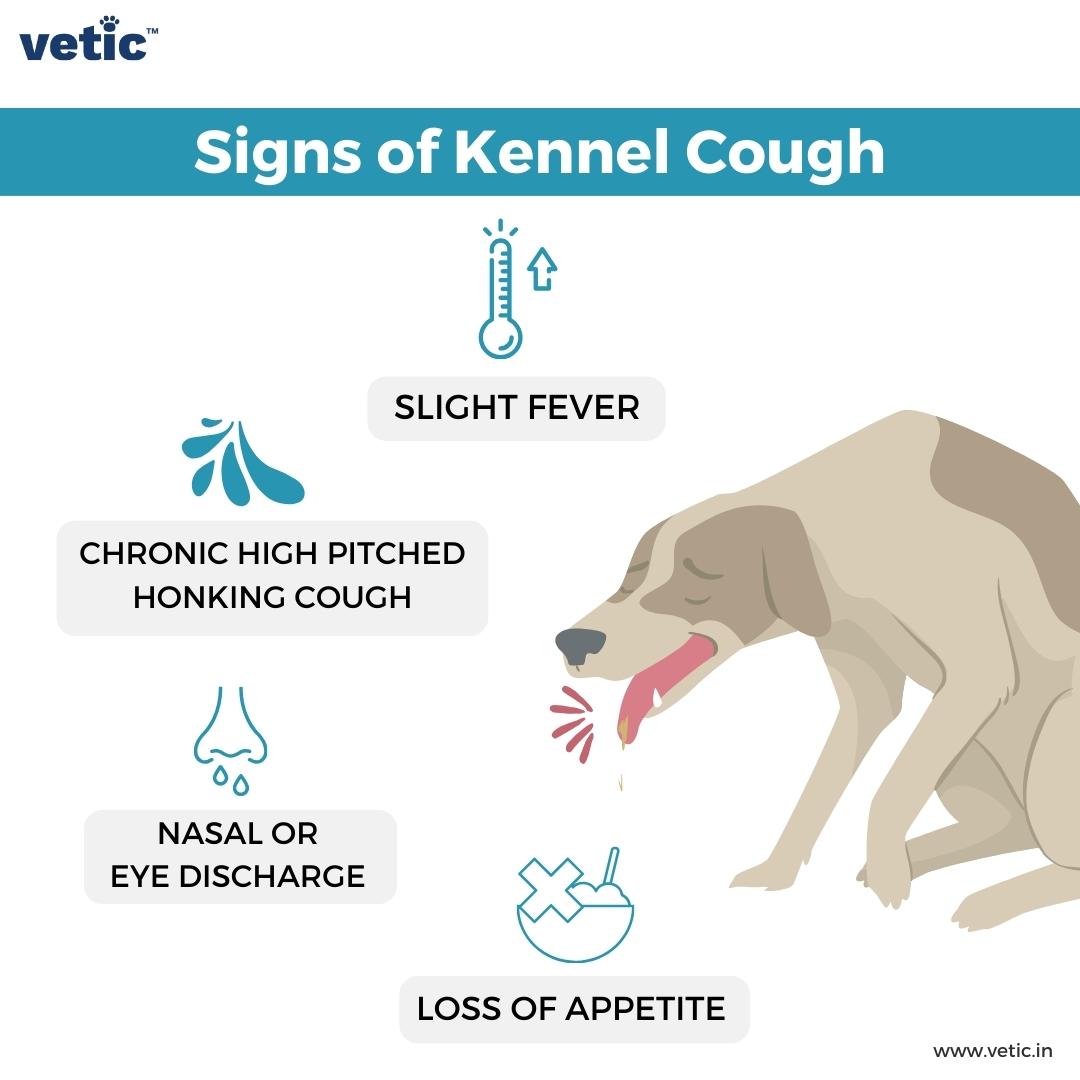
Image Source: vetic.in
Common Causes of Sneezing and Coughing in Dogs
Several factors can lead to your dog sneezing and coughing. Let’s explore the most frequent culprits.
Environmental Irritants
Just like humans, dogs can react to things in their surroundings that bother their nasal passages or throat.
- Dust and Pollen: Fine particles in the air can easily irritate a dog’s sensitive nose, triggering a sneeze to expel the irritant. Pollen, especially during allergy seasons, is a common trigger for dog allergies sneezing.
- Smoke and Fumes: Secondhand smoke from cigarettes or wood-burning fireplaces, as well as strong chemical fumes from cleaning products or air fresheners, can cause significant irritation and lead to coughing and sneezing.
- Perfumes and Scents: Strong artificial scents can be overwhelming for a dog’s powerful sense of smell and may cause a respiratory reaction.
- Mold and Mildew: Damp environments can harbor mold and mildew spores, which can be inhaled and cause respiratory distress.
Infections
Infections are a major cause of respiratory symptoms in dogs, and they can be viral or bacterial.
Dog Viral Infections
Several viruses can affect a dog’s respiratory system, often leading to symptoms similar to a human cold.
- Canine Influenza Virus (CIV): Also known as dog flu, CIV is highly contagious and can cause fever, coughing, sneezing, nasal discharge, and lethargy. There are two main strains of CIV in the US: H3N8 and H3N2.
- Canine Adenovirus Type 2 (CAV-2): This virus is a component of the DAPP (Distemper, Adenovirus, Parainfluenza, Parvovirus) vaccine and is a common cause of kennel cough. It primarily affects the upper respiratory tract.
- Canine Parainfluenza Virus (CPiV): Another common contributor to kennel cough, CPiV causes inflammation of the airways and can result in coughing and sneezing.
- Canine Respiratory Coronavirus: Different from the virus that causes COVID-19 in humans, this coronavirus specifically targets a dog’s respiratory system.
Dog Bacterial Infections
Bacteria often take advantage of a weakened respiratory system, sometimes complicating viral infections.
- Bordetella bronchiseptica: This bacterium is a primary cause of dog kennel cough causes. It attaches to the lining of the airways, causing inflammation and a characteristic hacking cough.
- Mycoplasma: This is a type of bacteria that can infect the respiratory tract, often leading to persistent coughing.
- Streptococcus zooepidemicus: While less common, this bacterium can cause severe pneumonia in dogs.
- Secondary Bacterial Infections: Viruses can damage the respiratory lining, making dogs more susceptible to bacterial invaders like Staphylococcus or Pasteurella. These secondary infections can worsen symptoms and lead to more serious issues like pneumonia.
Allergic Reactions
Dog allergies sneezing is a common symptom when a dog encounters an allergen. Their immune system overreacts, leading to inflammation in the nasal passages.
- Environmental Allergens: Pollen from grasses, trees, and weeds are seasonal culprits. Dust mites, mold spores, and even animal dander (from other pets or even humans) can also cause allergic reactions.
- Food Allergies: While less common for respiratory symptoms, some dogs can develop allergies to certain food ingredients, which might manifest in various ways, including sneezing.
Other Medical Conditions
Beyond irritants and infections, other health issues can manifest as sneezing and coughing.
- Canine Distemper: This serious and often fatal viral disease can cause a wide range of symptoms, including respiratory signs like coughing and sneezing, along with fever, eye and nasal discharge, vomiting, diarrhea, and neurological problems. Vaccinations are crucial for prevention.
- Heartworm Disease: While primarily a cardiovascular disease, heartworm can cause coughing, particularly after exercise. In later stages, fluid can build up in the lungs, leading to breathing difficulties.
- Tracheal Collapse: This condition, common in small breeds, involves the weakening of the cartilage rings that support the trachea (windpipe). It can lead to a characteristic “goose-honk” cough, often triggered by excitement, exercise, or pressure on the neck.
- Pneumonia: This is an inflammation of the lungs, which can be caused by bacteria, viruses, fungi, or aspiration (inhaling foreign material). Symptoms include persistent coughing, fever, lethargy, and difficulty breathing.
- Brachycephalic Obstructive Airway Syndrome (BOAS): Breeds with short muzzles, like Pugs and Bulldogs, are prone to breathing issues due to their facial structure. This can lead to snoring, snorting, coughing, and difficulty breathing, especially when excited or overheated.
- Nasal Mites: These tiny parasites live in a dog’s nasal passages and can cause sneezing, itching, and a discharge from the nose.
- Foreign Objects: Aspiration of a foreign object, like a blade of grass or a small toy piece, into the nasal passages or airways can cause sudden, violent sneezing and coughing.
Recognizing the Symptoms: What to Look For
It’s important to observe your dog closely for specific signs that accompany sneezing and coughing. These can help pinpoint the cause.
Dog Respiratory Infection Symptoms
When a dog has a respiratory infection, you might notice:
- Coughing: This can vary from a dry, hacking cough to a moist, productive one. It might be worse at night or after exercise.
- Sneezing: Frequent sneezing, sometimes in bouts.
- Nasal Discharge: This can be clear and watery initially, but may become thicker and colored (yellow or green) if a secondary bacterial infection develops.
- Eye Discharge: Similar to nasal discharge, the eyes might be watery or have a colored discharge.
- Fever: A dog’s normal temperature is between 101°F and 102.5°F (38.3°C to 39.2°C). A higher temperature indicates a fever.
- Lethargy: The dog may seem tired, less interested in playing, and sleep more than usual.
- Loss of Appetite: A decreased interest in food is common with illness.
- Wheezing: A high-pitched whistling sound when breathing, which can indicate narrowed airways. This is a sign of dog wheezing and sneezing.
- Difficulty Breathing: Panting heavily, even at rest, or exhibiting rapid, shallow breaths can be a sign of dog respiratory distress signs.
Dog Throat Irritation Symptoms
If your dog’s throat is irritated, you might observe:
- Gagging: A sensation of choking or trying to vomit.
- Choking: Sudden coughing fits, sometimes accompanied by gagging.
- Swallowing Difficulty: Reluctance to eat or drink, or seeming to struggle when swallowing.
- Excessive Drooling: Due to discomfort or irritation in the mouth and throat.
- Paw-to-Mouth Motion: Some dogs will paw at their mouth or face when their throat is irritated.
Puppy Coughing and Sneezing
Puppy coughing and sneezing are particularly concerning because young puppies have less developed immune systems and are more vulnerable to serious infections. They are also more susceptible to things like kennel cough if they haven’t been fully vaccinated or are exposed in a high-risk environment like a shelter or boarding facility before vaccination is complete.
Diagnosing the Cause
A veterinarian is essential for diagnosing the exact cause of your dog’s sneezing and coughing. They will perform a thorough examination and may recommend several diagnostic tests.
Veterinary Examination
Your vet will:
- Ask about your dog’s history: This includes vaccination status, diet, lifestyle, recent exposures (e.g., to other dogs, new environments), and the onset and progression of symptoms.
- Perform a physical exam: Listening to the heart and lungs with a stethoscope, checking the temperature, examining the eyes, nose, and throat, and assessing overall health.
- Palpate lymph nodes: Enlarged lymph nodes can indicate infection or inflammation.
Diagnostic Tests
Depending on the initial assessment, your vet might suggest:
- Blood Tests (CBC and Chemistry Panel): These can reveal signs of infection, inflammation, or organ dysfunction.
- X-rays of the Chest and Lungs: These are crucial for evaluating the lungs for pneumonia, fluid buildup, or other abnormalities. They can also help detect issues like heart enlargement or tracheal collapse.
- Nasal Swabs or Washes: Samples can be collected from the nasal passages to test for specific viruses (like CIV) or bacteria using PCR (Polymerase Chain Reaction) or culture.
- Bronchoscopy: A procedure where a small camera is inserted into the airways to visualize the trachea and bronchi, allowing for direct inspection and the collection of samples.
- Heartworm Test: This is a standard test, especially if coughing is a prominent symptom.
- Allergy Testing: If allergies are suspected, intradermal skin testing or blood tests can help identify specific allergens.
- Barium Swallow or Esophagram: If swallowing difficulties are a concern, these tests can help identify esophageal issues.
Treatment Options and Home Care
Treatment will depend entirely on the diagnosed cause.
Veterinary Treatments
- Antibiotics: Prescribed for bacterial infections. It’s crucial to complete the entire course of antibiotics, even if your dog seems to be improving, to prevent the infection from returning or becoming resistant.
- Antivirals: In some cases, antiviral medications may be used to treat specific viral infections like canine influenza, although supportive care is often the primary approach.
- Anti-inflammatories/Steroids: Used to reduce inflammation in the airways, especially in cases of allergies or severe respiratory irritation.
- Cough Suppressants: In cases of a dry, hacking cough that is disrupting sleep or causing significant discomfort, your vet may prescribe a cough suppressant.
- Nebulization Therapy: Inhaling fine mist medications can help deliver them directly to the lungs, easing congestion and inflammation.
- Oxygen Therapy: For dogs experiencing significant dog respiratory distress signs, oxygen therapy in a veterinary clinic can be life-saving.
- Surgery: In cases of tracheal collapse or foreign body removal, surgery might be necessary.
Canine Cold Remedies and Home Care
While there aren’t specific “cures” for viral colds in dogs in the same way humans have flu medicine, supportive care is vital.
- Rest: Ensure your dog gets plenty of rest and avoid strenuous activity.
- Hydration: Encourage your dog to drink plenty of water. Adding a little low-sodium chicken or beef broth to their water can make it more appealing.
- Humidifier: Using a humidifier in the room where your dog sleeps can help loosen mucus in their nasal passages and chest, making it easier to breathe and cough. You can also run a hot shower in the bathroom and let your dog sit in the steamy room for 10-15 minutes a few times a day.
- Nutritious Food: Offer palatable, high-quality food. Warming up canned food slightly can enhance its aroma and appeal.
- Honey: A teaspoon of raw honey can sometimes help soothe a sore throat and suppress a cough. Always consult your vet before giving honey to your dog, especially if they have diabetes or other health conditions.
- Gentle Nose Wiping: If there’s nasal discharge, gently wipe your dog’s nose with a soft, damp cloth to prevent crusting and discomfort.
- Avoid Irritants: Keep your home free of smoke, strong perfumes, and chemical cleaners.
Important Note:
Never give human medications, including cough and cold remedies, to your dog without explicit instruction from your veterinarian. Many human medications are toxic to dogs and can cause serious harm or even death.
Prevention is Key
Preventing respiratory issues is always better than treating them.
- Vaccinations: Ensure your dog is up-to-date on all recommended vaccinations, including those for kennel cough, canine influenza, and distemper.
- Avoid Overcrowded Areas: During peak seasons for respiratory illnesses, try to avoid dog parks or other places where many dogs congregate, especially if your dog is young, old, or has a compromised immune system.
- Good Hygiene: Wash your hands after interacting with other dogs, and ensure your dog’s living environment is clean.
- Balanced Diet and Exercise: A strong immune system, supported by good nutrition and regular exercise, helps dogs fight off infections.
- Minimize Exposure to Irritants: Keep your home clean and free from smoke and harsh chemicals.
- Regular Vet Check-ups: Routine veterinary visits can help catch potential problems early.
When to Seek Immediate Veterinary Care
While mild sneezing and coughing can sometimes be managed at home with supportive care, certain signs warrant an immediate trip to the veterinarian.
- Severe difficulty breathing: Gasping for air, excessive panting, blue or pale gums. These are dog respiratory distress signs and require emergency care.
- High fever: A temperature significantly above normal.
- Lethargy and weakness: Your dog is unresponsive or extremely weak.
- Coughing up blood: Any blood in the sputum is a serious concern.
- Vomiting or diarrhea accompanying respiratory symptoms: This could indicate a more systemic illness.
- Worsening symptoms: If your dog’s condition deteriorates despite home care.
- Suspected foreign object: If you suspect your dog inhaled something.
Frequently Asked Questions (FAQ)
Q1: Can I give my dog over-the-counter cough medicine?
A1: No, you should never give your dog human over-the-counter cough medicine without consulting your veterinarian. Many ingredients in human medications are toxic to dogs.
Q2: How long does kennel cough last?
A2: The typical course for kennel cough is 7-14 days, though some dogs may have a lingering cough for up to 3-6 weeks, especially if it progresses or is complicated by other factors.
Q3: My puppy is sneezing and coughing. Should I be worried?
A3: Yes, it’s important to take puppy coughing and sneezing seriously. Puppies have developing immune systems and are more susceptible to infections. Schedule a veterinary visit promptly to determine the cause and appropriate treatment.
Q4: My dog sneezes a lot but doesn’t cough. What could it be?
A4: Frequent sneezing without a cough is often indicative of nasal irritation or dog allergies sneezing. This could be due to environmental allergens like pollen or dust, or a foreign object in the nasal passage.
Q5: My dog’s cough sounds like a goose honk. What does that mean?
A5: A “goose-honk” cough is a classic sign of tracheal collapse, a condition where the cartilage rings supporting the trachea weaken. It’s more common in small breeds and often exacerbated by excitement or pressure on the neck.
Q6: Can dog respiratory infections be transmitted to humans?
A6: Generally, dog viral infections and dog bacterial infections that cause respiratory symptoms like kennel cough are not transmissible to humans. However, good hygiene practices are always recommended when caring for a sick pet.
Q7: My dog is wheezing and sneezing. Is this serious?
A7: Dog wheezing and sneezing can be a sign of airway narrowing or inflammation, which could be due to allergies, asthma, or other respiratory conditions. It’s advisable to consult your veterinarian to get a diagnosis.
By staying vigilant and working closely with your veterinarian, you can help your dog overcome sneezing and coughing and ensure they lead a healthy, happy life.