
When your dog suddenly can’t stand up, it’s a frightening experience for any pet parent. This inability to bear weight, often manifesting as hind leg weakness, hindquarters paralysis, or a general inability to walk, requires immediate attention. Can a dog recover if they can’t stand up? Yes, many dogs can recover with prompt veterinary care and appropriate treatment, but the prognosis depends heavily on the underlying cause.
Watching your furry friend struggle to rise or seeing them collapse can trigger panic. It’s natural to worry about your dog’s well-being, especially when they appear unable to support themselves. This comprehensive guide aims to shed light on the myriad reasons why your dog might be experiencing this distressing symptom, covering everything from common ailments to more serious conditions. We’ll explore what might be causing your dog’s difficulty standing, the signs to look out for, and the crucial steps you need to take to help your beloved companion.
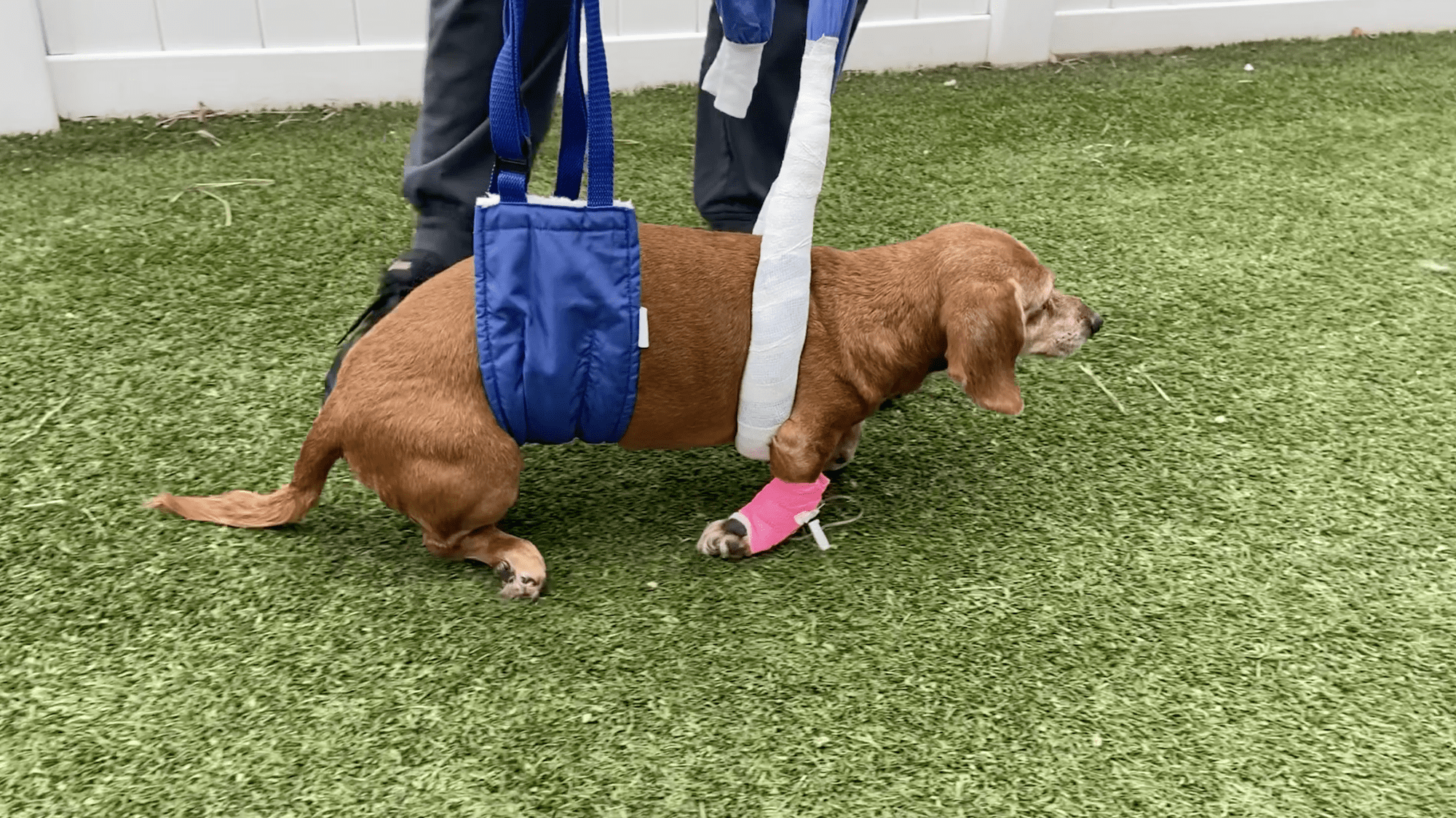
Image Source: sevneurology.com
Deciphering the Reasons for a Dog Unable to Walk
A dog unable to walk or stand is a serious welfare concern. The inability to bear weight on their legs can stem from a wide range of issues, affecting muscles, bones, nerves, or even internal organs. It’s crucial to identify the cause to provide the right treatment.
Pain as a Primary Indicator
Pain is a significant factor in a dog’s reluctance or inability to stand. If your dog is experiencing dog hind leg pain, they will naturally avoid putting pressure on the affected limb(s). This pain can be acute, like from an injury, or chronic, as seen with degenerative conditions.
Common Sources of Pain Leading to Inability to Stand:
- Injuries: Sprains, strains, fractures, dislocations, or deep cuts can cause intense pain, making it impossible for a dog to stand.
- Arthritis: This degenerative joint disease is incredibly common in older dogs and even younger ones of certain breeds. It causes inflammation and pain in the joints, leading to stiffness and dog arthritis symptoms that can worsen over time, making it difficult to stand.
- Soft Tissue Damage: Torn ligaments (like the ACL), muscle tears, or bruised tissues can all result in severe pain and hind leg weakness.
- Bruises or Lacerations: Even superficial wounds can be painful enough to prevent weight-bearing.
Neurological Issues: When the Signals Go Wrong
When a dog’s nervous system is affected, it can disrupt the signals between the brain, spinal cord, and muscles, leading to weakness or paralysis. These dog neurological problems can manifest in various ways.
Understanding Dog Neurological Problems:
- Intervertebral Disc Disease (IVDD): This is a common condition, especially in breeds like Dachshunds, Beagles, and Bulldogs. The discs between the vertebrae can rupture or herniate, pressing on the spinal cord. This can cause anything from subtle hind leg weakness to complete hindquarters paralysis.
- Degenerative Myelopathy (DM): A progressive, incurable disease affecting the spinal cord, DM typically starts with dog back legs weak and progresses to paralysis. It’s more common in German Shepherds and other large breeds.
- Neuropathy: Damage to the nerves themselves can impair muscle function and sensation. This can be caused by infections, toxins, metabolic disorders, or even be idiopathic (unknown cause).
- Brain or Spinal Cord Tumors: Tumors can press on or invade nervous tissue, disrupting nerve signals and leading to loss of mobility.
- Inflammatory Conditions: Diseases like meningitis or encephalitis (inflammation of the brain or spinal cord) can cause neurological deficits, including an inability to stand.
- Tick Paralysis: Certain ticks, when attached for a period, can release a neurotoxin that causes ascending paralysis, starting in the hind legs.
Musculoskeletal Conditions: Problems with the Body’s Framework
The muscles, bones, and joints form the structural support system for your dog. Issues within this system can directly impact their ability to stand.
Common Musculoskeletal Causes:
- Hip Dysplasia: A malformation of the hip joint, particularly common in large breeds, causes pain and instability in the hindquarters. This can lead to dog falling over or being unable to stand comfortably.
- Elbow Dysplasia: While affecting the front legs, severe cases can cause a dog to shift weight back, leading to apparent hind leg weakness.
- Osteochondritis Dissecans (OCD): A condition where cartilage in a joint doesn’t develop properly, leading to pain and lameness.
- Bone Cancer (Osteosarcoma): This aggressive cancer often affects the long bones and can cause severe pain and pathological fractures, making weight-bearing impossible.
- Muscle Atrophy: Loss of muscle mass due to disuse (from injury or illness), malnutrition, or certain diseases can lead to profound weakness.
- Saddle Thrombosis (Aortic Thromboembolism): This is a sudden blockage of blood flow to the hind limbs, usually due to heart disease. It causes sudden paralysis, pain, and coldness in the hind legs.
Systemic Illnesses and Other Factors
Sometimes, the inability to stand isn’t directly related to the legs themselves but to a more widespread bodily issue.
Other Contributing Factors:
- Severe Infections: Systemic infections like sepsis can cause weakness and collapse.
- Heart Disease: Congestive heart failure can lead to reduced oxygen delivery to muscles, causing weakness, especially after exertion.
- Electrolyte Imbalances: Low potassium or calcium levels can affect muscle function.
- Toxicity/Poisoning: Ingesting certain toxins can cause neurological symptoms, including paralysis.
- Heatstroke: Severe overheating can lead to muscle damage and collapse.
- Hypoglycemia (Low Blood Sugar): Can cause weakness, tremors, and collapse, particularly in puppies or diabetic dogs.
- Obesity: While not a direct cause of sudden inability to stand, extreme obesity puts immense strain on joints and can exacerbate underlying conditions like arthritis, making it harder to rise.
- Anemia: A low red blood cell count means less oxygen is delivered to the muscles, leading to fatigue and weakness.
Identifying the Signs: What to Observe in Your Dog
When your dog is struggling to stand, observing specific symptoms can help your veterinarian pinpoint the problem.
Key Signs to Look For:
- Sudden onset of weakness: Did it happen all at once, or has it been gradual?
- Limping: Is there a specific leg that seems more affected, or is it general dog limping?
- Stiffness: Does your dog seem stiff when they try to move?
- Reluctance to move: Does your dog seem unwilling to get up or walk?
- Vocalization: Does your dog cry out in pain when touched or when trying to stand?
- Trembling or shaking: This can indicate pain, weakness, or neurological issues.
- Loss of coordination: Does your dog stumble or wobble?
- Palsy or paralysis: Are one or more legs completely limp and unresponsive?
- Changes in tail carriage or sensation: This can be a sign of dog spinal issues.
- Incontinence: Loss of bladder or bowel control can indicate spinal cord damage.
- Appetite and thirst changes: General malaise can accompany many underlying illnesses.
- Panting or rapid breathing: Can indicate pain, stress, or underlying cardiac/respiratory issues.
When to Seek Immediate Veterinary Care
Any situation where your dog cannot stand is a medical emergency. You should contact your veterinarian or an emergency animal hospital immediately.
Emergency Situations Include:
- Sudden paralysis: Especially if it affects all four legs.
- Severe pain: If your dog is yelping or shows extreme distress.
- Signs of shock: Pale gums, rapid heart rate, weakness, and lethargy.
- Difficulty breathing: This is always an emergency.
- Known trauma: If your dog has been hit by a car or suffered a significant fall.
- Inability to urinate or defecate: This can be a sign of severe spinal cord compression.
The Veterinary Diagnostic Process
To effectively treat your dog, a veterinarian must first accurately diagnose the problem. This typically involves a thorough history, physical examination, and often further diagnostic tests.
The Diagnostic Journey:
- History Taking: Your vet will ask detailed questions about your dog’s symptoms, when they started, any known injuries, breed, age, diet, and vaccination status.
- Physical Examination: This includes checking your dog’s vital signs, assessing their overall condition, and performing a neurological exam. The vet will look for signs of pain, assess range of motion in joints, check reflexes, and test for proprioception (awareness of where their limbs are in space). They will also palpate the spine and limbs.
- Orthopedic Examination: This focuses on evaluating the bones, joints, and muscles for signs of injury, arthritis, or instability. They will check for lameness, swelling, and pain responses.
- Neurological Examination: This is critical for identifying dog neurological problems. It assesses nerve function, reflexes, coordination, and balance.
- Diagnostic Imaging:
- X-rays (Radiographs): These are essential for visualizing bones and joints. They can reveal fractures, dislocations, signs of dog arthritis symptoms, hip dysplasia, and sometimes evidence of IVDD (like disc calcification).
- CT Scan or MRI: These advanced imaging techniques provide detailed cross-sectional views of the spine, brain, and soft tissues. They are the gold standard for diagnosing IVDD, spinal cord compression, tumors, and other neurological conditions.
- Ultrasound: Can be useful for evaluating soft tissues, organs, and looking for fluid accumulation.
- Blood Tests:
- Complete Blood Count (CBC): Can detect infection or anemia.
- Chemistry Panel: Assesses organ function and electrolyte levels, which can indicate underlying systemic illness or metabolic disorders.
- Specific Tests: Depending on suspected causes, tests for tick-borne diseases, metabolic diseases, or genetic conditions might be performed.
- Urinalysis: Helps assess kidney function and detect urinary tract infections.
- Cerebrospinal Fluid (CSF) Tap: In cases of suspected inflammatory or infectious neurological diseases, a sample of the fluid surrounding the brain and spinal cord may be collected for analysis.
Treatment Strategies: Addressing the Root Cause
Treatment will entirely depend on the diagnosed cause. Here are common approaches for various conditions that can lead to a dog unable to stand.
Treatment Approaches:
-
For IVDD and Spinal Issues:
- Strict Rest: Crate rest is paramount to prevent further damage to the spinal cord.
- Pain Management: Non-steroidal anti-inflammatory drugs (NSAIDs) and other pain relievers are crucial.
- Steroids: Corticosteroids may be used to reduce inflammation around the spinal cord.
- Surgery: Laminectomy or hemilaminectomy can be performed to remove pressure on the spinal cord, offering the best chance of recovery for severe cases.
- Physical Therapy: After the acute phase, rehabilitation is vital for regaining strength and mobility.
-
For Arthritis and Joint Pain:
- Pain Management: NSAIDs, gabapentin, or other pain medications.
- Joint Supplements: Glucosamine, chondroitin, and omega-3 fatty acids can help support joint health.
- Weight Management: Reducing excess weight is critical to minimize stress on joints.
- Physical Therapy/Hydrotherapy: Gentle exercise helps maintain muscle mass and joint mobility.
- Injections: Corticosteroids or hyaluronic acid injections can provide temporary relief.
-
For Traumatic Injuries (Fractures, Dislocations):
- Surgery: To repair broken bones or re-align dislocated joints.
- Splinting or Casting: For certain types of fractures.
- Pain Management: Essential during the healing process.
-
For Neuropathies and Degenerative Myelopathy:
- Supportive Care: There is often no cure, so management focuses on maintaining quality of life.
- Physical Therapy: To slow muscle loss and maintain function.
- Assistive Devices: Slings, wheelchairs, or harnesses can help dogs move.
- Pain Management: To address any discomfort.
-
For Aortic Thromboembolism (Saddle Thrombus):
- Emergency Care: Focuses on pain management and improving blood flow.
- Addressing Underlying Heart Disease: Treatment for the primary cardiac condition is vital.
- Prognosis: Often guarded, as recurrence is common.
-
For Infections or Toxicities:
- Specific Antidotes or Treatments: Depending on the toxin.
- Antibiotics or Antivirals: For infectious causes.
- Supportive Care: IV fluids, nutritional support.
Rehabilitation and Support: Helping Your Dog Recover
Recovery often involves more than just medical treatment. Supportive care and rehabilitation play a huge role in a dog’s return to mobility.
Key Aspects of Rehabilitation:
- Physical Therapy: This is crucial for strengthening weakened muscles, improving range of motion, and retraining the body to walk. It can include:
- Passive Range of Motion (PROM): Gently moving the dog’s limbs to prevent stiffness.
- Therapeutic Exercises: Specific movements designed to build strength and balance.
- Massage: To improve circulation and reduce muscle tension.
- Hydrotherapy: Walking on an underwater treadmill can be excellent for building strength with reduced impact.
- Assistive Devices:
- Slings and Harnesses: Help support your dog’s weight when walking or getting up.
- Wheelchairs/Carts: Allow dogs with hindquarters paralysis to move around and enjoy life.
- Home Modifications:
- Non-slip surfaces: Rugs or mats can prevent slipping on hard floors.
- Ramps: For getting into cars or onto furniture.
- Elevated food and water bowls: Can be easier for dogs to use if they have trouble bending.
- Diet and Nutrition: A balanced diet is essential for healing and maintaining overall health. If your dog is less mobile, calorie intake may need adjustment to prevent weight gain.
Frequently Asked Questions (FAQ)
Q1: My dog can’t stand up, what’s the first thing I should do?
A1: Immediately contact your veterinarian or an emergency animal hospital. Do not try to force your dog to stand, as this could worsen an injury. Keep your dog comfortable and quiet until you can get professional help.
Q2: How long does it take for a dog to recover from hind leg weakness?
A2: Recovery time varies greatly depending on the cause and severity of the condition. Some dogs may recover in days or weeks with proper treatment, while others may have long-term mobility issues requiring ongoing management.
Q3: Can my dog walk again if they have hindquarters paralysis?
A3: In some cases, yes, especially if the paralysis is due to temporary nerve compression or reversible conditions. However, for irreversible nerve damage or severe spinal cord injuries, recovery of full function may not be possible. Assistive devices like wheelchairs can significantly improve quality of life.
Q4: Is arthritis the only reason a dog might have hind leg weakness?
A4: No, arthritis is just one of many potential causes. Dog neurological problems, injuries, tumors, infections, and systemic illnesses can all lead to hind leg weakness.
Q5: My dog is old and seems to have trouble standing. Is it just old age?
A5: While older dogs are more prone to conditions like arthritis and degenerative diseases that cause weakness, it’s essential not to dismiss these symptoms as “just old age.” A veterinary diagnosis is crucial to rule out treatable conditions or manage pain effectively.
Q6: How can I tell if my dog has spinal issues?
A6: Signs of dog spinal issues can include hind leg weakness, incoordination, pain when the back is touched, dragging paws, and changes in bladder or bowel control. A thorough veterinary examination and imaging are necessary for diagnosis.
Q7: My dog keeps falling over. What could be causing this?
A7: A dog falling over can be due to a variety of reasons including weakness in the hind legs, neurological problems affecting balance, joint pain from dog arthritis symptoms, or even inner ear infections. A vet visit is necessary to determine the cause.
Q8: What are the common symptoms of dog arthritis?
A8: Common dog arthritis symptoms include stiffness, especially after rest, limping, reluctance to exercise, difficulty jumping or climbing stairs, and sometimes vocalizing in pain when moving.
Q9: What should I do if I suspect my dog has a neurological problem?
A9: If you suspect your dog has dog neurological problems, seek veterinary attention immediately. Neurological issues can progress quickly and require prompt diagnosis and treatment to improve the chances of a positive outcome.
By staying informed and acting quickly, you can provide your dog with the best possible chance of recovery and a good quality of life, even when faced with the daunting challenge of them being unable to stand.