
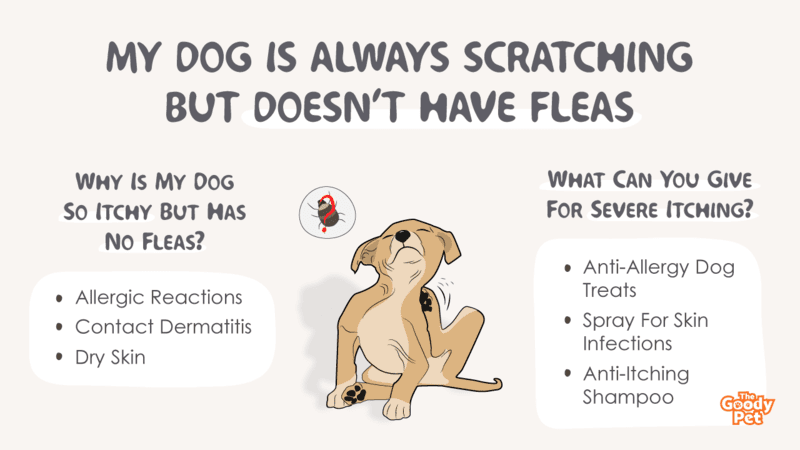
Image Source: www.thegoodypet.com
Why Is My Dog So Itchy But Has No Fleas? Your Guide
If your dog is constantly scratching, biting, or licking itself, but you can’t find any fleas, it can be frustrating and worrying. Many dogs experience persistent itching without any visible external parasites. This common issue, often referred to as dog skin irritation, can stem from a variety of underlying causes. Fathoming why your dog is so itchy when fleas are absent requires a closer look at their environment, diet, and overall health.
What causes a dog to be itchy without fleas? A dog can be itchy without fleas due to a range of factors including environmental allergies, food sensitivities, skin infections, behavioral issues, grooming problems, and underlying medical conditions like atopic dermatitis.
Exploring the Roots of Your Dog’s Itchiness
When the usual suspect, fleas, has been ruled out, it’s time to investigate other culprits. The persistent dog skin irritation can significantly impact your dog’s quality of life, leading to discomfort, skin damage, and even behavioral changes. Let’s delve into the most common reasons why your furry friend might be scratching up a storm.
Canine Allergies: A Common Culprit
Canine allergies are a prevalent cause of itchiness in dogs. These allergies occur when a dog’s immune system overreacts to a substance that is normally harmless. This overreaction triggers an inflammatory response, leading to itching, redness, and other skin issues.
Environmental Allergens for Dogs
Just like humans, dogs can develop allergies to things in their surroundings. Environmental allergens for dogs are a significant category of irritants. These can include:
- Pollen: From trees, grasses, and weeds, especially prevalent during certain seasons.
- Dust Mites: Tiny creatures found in carpets, upholstery, and bedding.
- Mold Spores: Often found in damp environments.
- Animal Dander: Even dander from other pets or humans can trigger a reaction.
- Certain Fabrics or Cleaning Products: Chemicals used in your home can also cause skin sensitivity.
When a dog inhales or comes into contact with these allergens, their immune system can go into overdrive, resulting in itchy skin. This type of allergy is often seasonal, meaning your dog might be itchier during specific times of the year when certain pollens are high in the air.
Dog Food Sensitivities and Allergies
Another major area to consider is dog food sensitivities. While true food allergies are less common than environmental allergies, food intolerances and sensitivities can also cause significant itchiness. These reactions happen when a dog’s digestive system or immune system has a negative response to a particular ingredient in their food.
Common food allergens in dogs include:
- Proteins: Beef, chicken, dairy, and eggs are frequent offenders.
- Grains: Wheat, corn, and soy can also be problematic for some dogs.
- Additives and Preservatives: Some dogs may react to artificial colors or flavors in their food.
Symptoms of food sensitivities can include itching, particularly around the paws, ears, and rear end, as well as digestive upset like vomiting or diarrhea. Identifying the offending ingredient often involves a strict elimination diet under veterinary guidance.
Atopic Dermatitis in Dogs
A more complex allergic condition is atopic dermatitis in dogs. This is a chronic, inherited condition characterized by an overactive immune response to environmental allergens, leading to persistent itching and inflammation. Dogs with atopic dermatitis are often sensitive to a combination of allergens, making diagnosis and management challenging.
Key characteristics of atopic dermatitis include:
- Genetics: Certain breeds are predisposed, such as Golden Retrievers, Labrador Retrievers, German Shepherds, and Bulldogs.
- Chronic Nature: It’s a lifelong condition that requires ongoing management.
- Symptom Progression: Itching often starts mildly and can worsen over time, leading to secondary infections.
- Location of Itching: Commonly affects the paws, face, ears, armpits, and groin area.
Veterinary diagnosis of atopic dermatitis typically involves ruling out other causes of itchiness and may include allergy testing (intradermal skin testing or serum allergy testing).
Skin Infections in Dogs: Secondary Invaders
When a dog’s skin barrier is compromised, perhaps due to allergies or scratching, it becomes more susceptible to infections. Skin infections in dogs are often secondary to an underlying problem, but they can also be a primary cause of itchiness.
- Bacterial Infections (Pyoderma): Staphylococcal bacteria are common culprits. These infections can manifest as red, inflamed skin, pustules, crusting, and hair loss.
- Yeast Infections (Malassezia Dermatitis): Yeast naturally lives on the skin, but an overgrowth can occur, especially in warm, moist areas like ears and between toes. This often leads to greasy skin, a distinct odor, and intense itching.
- Fungal Infections (Ringworm): While not a worm, ringworm is a fungal infection that can cause circular, crusty lesions and hair loss, accompanied by itchiness.
Diagnosing and treating skin infections requires veterinary intervention. Your vet may perform skin scrapings, cytology (examining skin cells under a microscope), or fungal cultures to identify the specific pathogen and prescribe appropriate medications, such as antibiotics, antifungals, or medicated shampoos.
Behavioral Scratching in Dogs: Psychological Triggers
Sometimes, the urge to scratch isn’t solely a physical response to an irritant. Behavioral scratching in dogs can be a sign of stress, anxiety, boredom, or compulsive disorder.
- Anxiety and Stress: Changes in routine, new pets, moving, or separation anxiety can lead dogs to self-soothe through licking or scratching.
- Boredom: Dogs that lack sufficient mental and physical stimulation may develop obsessive grooming habits as a way to pass the time.
- Compulsive Disorder: In some cases, scratching can become a compulsive behavior, similar to obsessive-compulsive disorder in humans. This can be triggered by stress or other underlying issues.
It’s important to differentiate between scratching due to a medical cause and scratching that is purely behavioral. If you suspect behavioral scratching, focus on increasing exercise, providing mental enrichment (puzzle toys, training sessions), and addressing any potential stressors in your dog’s life. If the behavior is extreme or persistent, consult your veterinarian or a veterinary behaviorist.
Hot Spots on Dogs: The Itch-Scratch Cycle
Hot spots on dogs, also known as acute moist dermatitis, are a common and frustrating condition. They are essentially areas of inflamed, infected, and raw skin caused by intense self-trauma from biting and scratching. A hot spot can develop very rapidly, sometimes appearing overnight.
The cycle of a hot spot:
- Initial Irritation: An allergen, insect bite, or minor skin injury triggers an itch.
- Scratching/Biting: The dog excessively scratches or bites the area.
- Skin Damage: This trauma breaks down the skin barrier.
- Secondary Infection: Bacteria (often Staphylococcus) and sometimes yeast invade the damaged skin.
- Inflammation and Pain: The area becomes red, swollen, hot to the touch, and painful.
- Intensified Itching: The inflammation and infection cause intense itching, leading to more scratching and a vicious cycle.
Hot spots are often found on the head, neck, chest, hips, or paws. Prompt veterinary attention is crucial to break the itch-scratch cycle and heal the wound.
Dog Grooming Issues and Their Impact
Proper dog grooming issues can sometimes contribute to or exacerbate itchiness.
- Infrequent Brushing: Matted fur can trap moisture and debris, creating an environment where skin irritations and infections can thrive. It can also pull on the skin, causing discomfort.
- Over-Bathing or Under-Bathing: Bathing too frequently can strip the skin of its natural oils, leading to dryness and irritation. Conversely, not bathing enough can allow dirt, allergens, and irritants to accumulate on the coat and skin.
- Harsh Shampoos or Conditioners: Using products not designed for dogs, or using those with harsh chemicals, can strip the skin’s natural protective barrier and cause dryness or allergic reactions.
- Improperly Trimmed Fur: For certain breeds, especially those with dense undercoats, improper trimming can interfere with natural shedding and ventilation, leading to skin problems.
Regular, appropriate grooming is essential for maintaining healthy skin and coat. If you’re unsure about the best grooming routine for your dog’s breed and coat type, consult a professional groomer or your veterinarian.
Deciphering the Cause: When to Seek Veterinary Help
It can be challenging to pinpoint the exact reason for your dog’s itchiness. However, some signs indicate it’s time to consult your veterinarian:
- Intense or Persistent Itching: If your dog is constantly scratching and it’s affecting their sleep or daily activities.
- Visible Skin Changes: Redness, rashes, pustules, scabs, hair loss, or thickened skin.
- Lethargy or Loss of Appetite: These can be signs of a systemic infection or severe discomfort.
- Hot Spots: If you notice any rapidly developing, inflamed, and moist skin lesions.
- Ear Infections or Paw Licking: These can be indicators of underlying allergies or infections.
- No Improvement: If home remedies or over-the-counter treatments aren’t providing relief.
Your veterinarian is the best resource for diagnosing the cause of your dog’s itchiness. They will perform a thorough physical examination, ask detailed questions about your dog’s history and environment, and may recommend diagnostic tests.
Diagnostic Approaches for Itchy Dogs
To get to the bottom of the itch, your vet might employ several diagnostic tools:
- Physical Examination: A thorough visual inspection of your dog’s skin, coat, ears, and paws.
- Skin Scrapings: To check for mites like Sarcoptes (scabies) or Demodex.
- Cytology: Examining skin cells and debris under a microscope to identify bacteria, yeast, or inflammatory cells.
- Fungal Culture: To diagnose ringworm.
- Allergy Testing:
- Intradermal Allergy Testing (IDAT): Considered the gold standard for diagnosing environmental allergies. Small amounts of allergens are injected into the skin, and reactions are measured.
- Serum Allergy Testing (Blood Tests): Measures antibodies (IgE) to various allergens in the blood. While useful, it’s generally considered less accurate than IDAT.
- Food Elimination Diet Trial: This is the most reliable way to diagnose food sensitivities. It involves feeding a novel protein and carbohydrate source or a hydrolyzed protein diet for 6-8 weeks, strictly avoiding all other foods, treats, and flavored medications. If symptoms improve, the original food is reintroduced to confirm the diagnosis.
- Biopsy: In complex cases, a skin biopsy may be taken for microscopic examination by a pathologist.
Managing Your Dog’s Itchiness: Treatment Strategies
Once a diagnosis is made, your veterinarian will develop a tailored treatment plan. Management often involves a multi-faceted approach.
Treating Environmental Allergies
- Medications:
- Antihistamines: Can provide mild relief for some dogs, though their effectiveness varies greatly.
- Corticosteroids: Powerful anti-inflammatories that quickly reduce itching and inflammation but have potential side effects with long-term use.
- Immunomodulators (e.g., Cyclosporine, Oclacitinib, Lokivetmab): These newer medications target specific immune pathways involved in allergic reactions, offering effective relief with fewer side effects than steroids.
- Apoquel (Oclacitinib): A Janus kinase (JAK) inhibitor that rapidly reduces itch.
- Cytopoint (Lokivetmab): A monoclonal antibody that targets a specific protein involved in the itch signal.
- Allergen-Specific Immunotherapy (ASIT): Also known as allergy shots or sublingual immunotherapy. After allergy testing, a customized serum containing small amounts of the allergens your dog reacts to is administered over time. The goal is to retrain the immune system to become less reactive.
- Environmental Control:
- Regular cleaning: Vacuuming frequently, washing bedding in hot water.
- Air purifiers: To reduce airborne allergens.
- Wiping paws: After walks to remove pollen and other environmental irritants.
- Avoiding peak allergen times: Keeping your dog indoors during periods of high pollen count.
- Medicated Baths and Wipes: Antiseptic, anti-itch, or hypoallergenic shampoos and wipes can help soothe the skin and remove allergens.
Managing Food Sensitivities
- Strict Diet Trial: As mentioned, this is crucial. Once the offending ingredient is identified, your dog will need to be fed a specialized diet long-term.
- Novel Protein Diets: Containing protein sources your dog has never eaten before.
- Hydrolyzed Protein Diets: Proteins are broken down into very small molecules that the immune system is less likely to recognize as allergens.
Treating Skin Infections
- Antibiotics: For bacterial infections, usually given orally or topically.
- Antifungals: For yeast or fungal infections, available as oral medications, shampoos, sprays, or wipes.
- Antiseptic Washes: To cleanse the skin and reduce bacterial and yeast populations.
Addressing Behavioral Scratching
- Environmental Enrichment: More toys, puzzle feeders, and interactive play.
- Increased Exercise: Regular walks, runs, and playtime.
- Training: Positive reinforcement training can build confidence and reduce anxiety.
- Calming Aids: Pheromone diffusers, supplements, or in severe cases, anxiety medication prescribed by your vet.
- Behavioral Consultation: Seeking professional help from a certified applied animal behaviorist or veterinary behaviorist.
Healing Hot Spots
- Veterinary Treatment: This is critical. The area needs to be cleaned, often with an antiseptic solution, and the dog must be prevented from licking or scratching it. This may involve an Elizabethan collar (cone) or a protective garment.
- Medication: Antibiotics and anti-inflammatories are usually prescribed. Topical ointments or sprays can also be used.
The Importance of Consistent Parasite Control for Dogs
Even when you don’t see fleas, maintaining effective parasite control for dogs is fundamental. Flea bites, even from a small number of fleas, can trigger severe allergic reactions (flea allergy dermatitis) in sensitive dogs, leading to intense itching. Furthermore, other external parasites like mites (e.g., Sarcoptes, Demodex) can cause significant itchiness without being easily visible to the naked eye.
- Year-Round Flea and Tick Prevention: Use a high-quality, vet-recommended preventative consistently.
- Internal Parasite Control: Regular deworming is also important for overall health.
Grooming for Healthy Skin
Good grooming practices are essential for preventing and managing itchy skin:
- Regular Brushing: Removes loose hair, dirt, and debris, and distributes natural skin oils. The frequency depends on your dog’s coat type.
- Appropriate Bathing: Use a gentle, dog-specific shampoo. The frequency depends on your dog’s skin condition and activity level, but generally, bathing too often can be detrimental. Your vet can advise on the best shampoo and bathing schedule.
- Paw Care: Regularly check and clean your dog’s paws, especially after walks, to remove potential irritants and allergens. Trim nails to prevent them from digging into the skin when scratching.
- Ear Cleaning: Regular ear cleaning with a vet-approved solution can prevent yeast and bacterial infections, which often contribute to itching.
Frequently Asked Questions (FAQ)
Q: How can I tell if my dog’s itching is a serious problem?
A: If your dog’s itching is persistent, intense, causing skin damage (redness, sores, hair loss), or if your dog seems generally unwell, it’s time to see a veterinarian.
Q: Can I give my dog human allergy medication?
A: It’s generally not recommended. Human medications can have different dosages and side effects in dogs. Always consult your veterinarian before administering any medication.
Q: How long does an elimination diet for food allergies take?
A: A strict elimination diet typically needs to be maintained for at least 6-8 weeks to see if symptoms improve. It’s crucial to follow your vet’s guidance precisely during this period.
Q: Are there natural remedies for dog itchiness?
A: While some natural remedies like oatmeal baths or coconut oil can provide temporary relief for mild irritation, they are not a substitute for veterinary diagnosis and treatment for underlying allergies or infections. Always discuss natural remedies with your vet.
Q: Can stress make my dog itch more?
A: Yes, stress and anxiety can exacerbate existing itchiness or lead to behavioral scratching in dogs. Identifying and managing stressors is an important part of treatment.
Conclusion
While the absence of fleas might seem like a relief, persistent itchiness in dogs points to a range of other potential causes that require attention. From environmental and food allergies to skin infections and behavioral issues, deciphering the root cause is the first step towards providing your canine companion with much-needed relief. By working closely with your veterinarian, you can navigate the complexities of dog skin irritation and help your dog live a more comfortable, itch-free life. Consistent parasite control for dogs, appropriate dog grooming issues, and a keen eye for changes in your dog’s skin and behavior are all vital components of their overall well-being.