
Can I keep my dog entertained while I work? Yes, you absolutely can! Keeping your dog happy and occupied while you’re busy is crucial for their well-being and can prevent destructive behaviors stemming from boredom. Leaving your dog alone doesn’t have to be a stressful experience for either of you. With the right strategies, you can ensure your furry friend stays engaged and content. This comprehensive guide explores effective ways to provide dog enrichment activities, combat dog boredom, and even assist with dog separation anxiety solutions. We’ll delve into interactive dog toys, puzzle toys for dogs, the importance of mental stimulation for dogs, and how to implement training dogs while working, alongside DIY dog enrichment ideas and choosing safe dog toys while unsupervised.
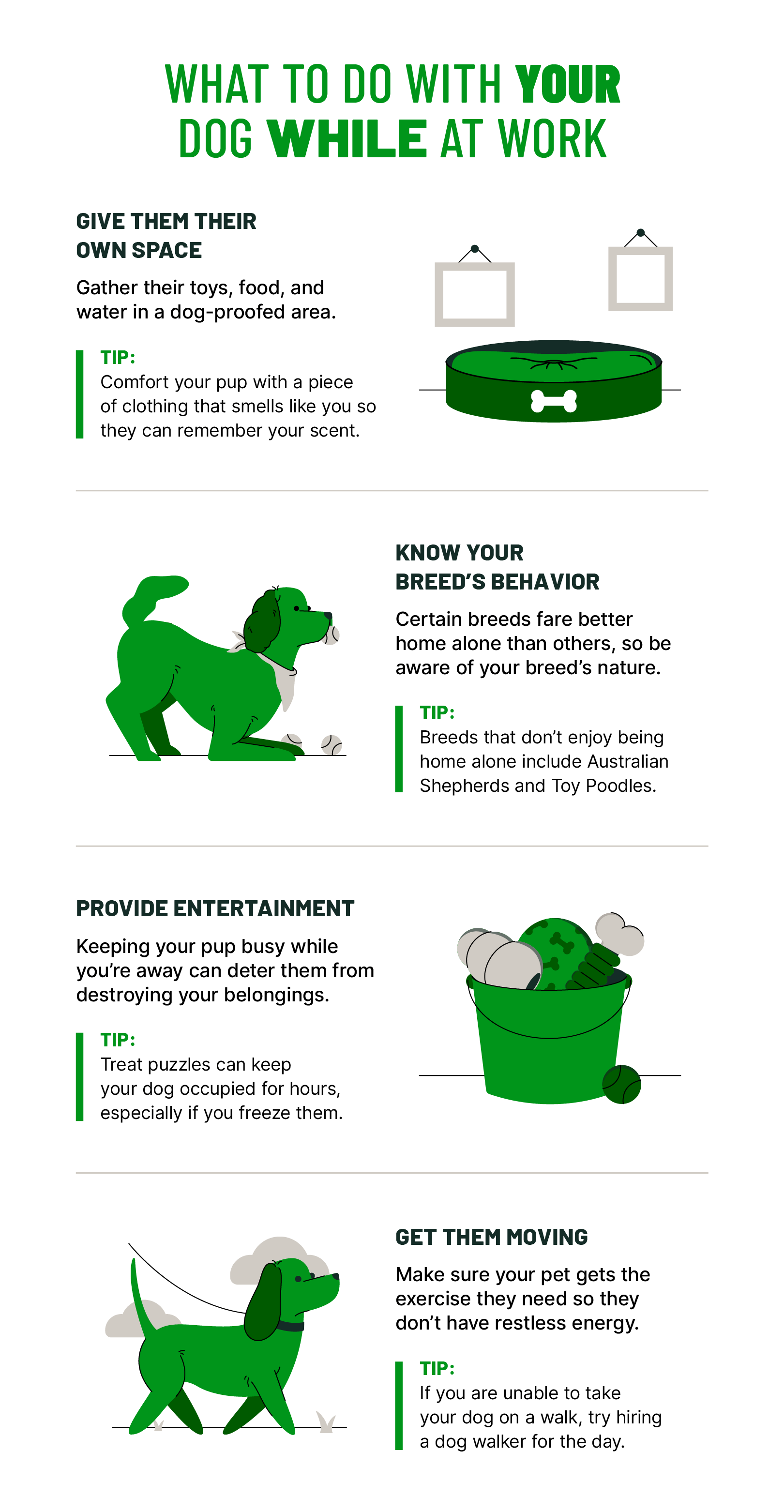
Image Source: www.hippo.com
The Importance of Mental Stimulation for Dogs
Just like humans, dogs need mental exercise to stay healthy and happy. A lack of mental stimulation can lead to a variety of behavioral issues, including chewing, excessive barking, digging, and even anxiety. Providing your dog with consistent mental stimulation for dogs is as important as physical exercise. It helps them burn energy, reduces stress, and can improve their overall temperament. When you’re working, your dog is likely alone for extended periods. Without engaging activities, they can quickly become bored and frustrated. This is where proactive planning comes in.
Why Dogs Get Bored While You Work
Several factors contribute to a dog’s boredom when left alone during work hours:
- Lack of Activity: Without their primary caregiver (you!) providing interaction and exercise, dogs are left to their own devices.
- Predictable Routine: If every day is the same, with no new experiences or challenges, dogs can become uninspired.
- Unmet Needs: Dogs have instinctual needs, like sniffing, chewing, and problem-solving. If these aren’t met, they’ll find their own (often undesirable) ways to fulfill them.
- Separation Anxiety: While not directly boredom, separation anxiety can manifest as destructive behavior due to stress, which is often exacerbated by a lack of engagement.
Essential Dog Enrichment Activities to Combat Boredom
Providing a variety of dog enrichment activities is key to keeping your dog stimulated and happy. Enrichment focuses on engaging a dog’s natural instincts and senses in positive ways.
Puzzle Toys for Dogs: The Ultimate Brain Boosters
Puzzle toys for dogs are fantastic tools for mental stimulation. They require your dog to think, problem-solve, and work to get a reward (usually treats or kibble). This mimics natural foraging behaviors.
- How They Work: These toys often have compartments that release food as the dog manipulates them through pushing, nudging, or pawing.
- Benefits: They slow down eating, prevent gulping, and provide a satisfying challenge that keeps your dog occupied.
- Popular Options:
- KONGs: Fill a KONG with kibble, peanut butter, yogurt, or a mix of treats and freeze it for a longer-lasting challenge.
- Treat Balls: These balls dispense treats as they roll and are nudged.
- Licking Mats: Spreading wet food or yogurt on a textured mat can be very calming and engaging.
- Snuffle Mats: These mats have fabric strips that hide kibble, encouraging natural sniffing and foraging behaviors.
Interactive Dog Toys: Engaging Play Without You
Interactive dog toys are designed to encourage play and engagement, even when you’re not directly involved.
- Automatic Ball Launchers: These machines can provide hours of fetch fun for energetic dogs, especially if they can learn to operate them themselves.
- Tug Toys (with caution): While tug-of-war is a great bonding activity, ensure your dog has a durable tug toy they can enjoy on their own. Supervise initially to ensure they don’t get frustrated if they can’t “win.”
- Disc/Frisbee Toys: Some dogs enjoy chasing and catching discs, which can be left out for them to interact with.
Safe Dog Toys While Unsupervised: What to Look For
When leaving your dog alone, it’s paramount to choose safe dog toys while unsupervised. This means avoiding anything that could be easily destroyed and swallowed, leading to choking or intestinal blockages.
- Durability: Opt for toys made from tough, non-toxic materials like reinforced rubber or hard plastic.
- Size Appropriateness: The toy should be too large to be swallowed or lodged in your dog’s throat.
- No Small Parts: Avoid toys with loose squeakers, buttons, or stuffing that can be easily removed and ingested.
- Simple Designs: Complex toys with many small pieces can become hazards if broken.
- Rotate Toys: Keep your dog excited by rotating toys regularly. Store some away and bring them out after a few weeks. This keeps them novel and interesting.
DIY Dog Enrichment: Budget-Friendly Fun
You don’t need expensive gadgets to provide great DIY dog enrichment. Simple household items can be transformed into engaging activities.
Creating Your Own Puzzle Toys
- The Muffin Tin Game: Place treats or kibble in a few cups of a muffin tin and cover each cup with a tennis ball or a rolled-up piece of cardboard. Your dog has to remove the covers to get the treats.
- The Towel Roll Treat Dispenser: Lay a towel flat, sprinkle kibble or small treats along it, then roll it up tightly. Fold the ends in. Your dog will have to unroll the towel to find their reward.
- The Cardboard Box Surprise: Get a small cardboard box (like a shoebox). Cut a few holes in it, just large enough for your dog to get their nose or paws in. Place treats or kibble inside and let your dog figure out how to get them out. Supervise initial use to ensure they don’t eat the box.
Sensory Enrichment Ideas
- Hide-and-Seek Treats: Hide small amounts of kibble or treats around a safe room. This encourages sniffing and exploration.
- The Water Bottle Treat Dispenser: Empty and clean a sturdy plastic water bottle. Poke a few holes in it, just large enough for kibble to fall out. Fill with kibble and screw the cap on tightly. Your dog will have to roll and nudge the bottle to dispense food. Ensure the cap is secure.
Preparing Your Dog for a Workday Alone
Setting up your dog for success before you leave is crucial. This involves a few key preparations.
Pre-Workday Routine
- Morning Exercise: A good walk or play session before you leave can tire your dog out physically and mentally, making them more likely to rest while you’re gone.
- Potty Break: Ensure your dog has had a chance to relieve themselves right before you depart.
- Calm Departure: Avoid overly emotional goodbyes. A calm, matter-of-fact departure can help reduce anxiety.
Creating a Safe and Stimulating Environment
Designate a safe space for your dog while you’re working. This could be a crate, a dog-proofed room, or a specific area of your home.
- Comfort is Key: Ensure their space is comfortable with a soft bed, blankets, and fresh water.
- Strategic Toy Placement: Place their puzzle toys for dogs and interactive dog toys in their designated space. This makes their area a fun, rewarding place to be.
- Chew Time: Provide a long-lasting chew appropriate for unsupervised chewing. This can be a dental chew or a sturdy bully stick.
Training Dogs While Working: Incorporating Learning into Their Day
Even when you’re not actively training, you can incorporate learning into your dog’s daily routine. This adds another layer of mental stimulation.
Self-Training with Technology
- Smart Pet Feeders: Some feeders can dispense treats remotely or on a schedule, often with a camera so you can check in. You can pair treat dispensing with verbal cues or sounds to reinforce training.
- Interactive Cameras: You can speak to your dog through some pet cameras, offering praise or gentle commands.
Reinforcing Existing Training
- “Go to Place” Reinforcement: If your dog has a designated bed or mat, you can set up a system where they get a treat or a puzzle toy only when they are on their bed. This reinforces a calm behavior while you’re working.
- Treat Puzzles as Rewards: Using puzzle toys for dogs that dispense treats can be a form of self-reinforcement for your dog’s problem-solving efforts.
Addressing Dog Separation Anxiety Solutions
If your dog exhibits signs of distress when left alone, such as excessive barking, howling, destructive chewing, or house soiling, they may be suffering from separation anxiety. While dog boredom can contribute, separation anxiety requires a more focused approach.
Gradual Desensitization
- Short Departures: Start by leaving your dog for very short periods (a few minutes) and gradually increase the duration as they become more comfortable.
- Practice Departures: Make short trips out of the house without your dog, even if it’s just to the mailbox or the end of the driveway. This helps them learn that your absence is temporary.
- Calm Returns: Avoid making a big fuss when you return. Wait until your dog has calmed down before greeting them.
Creating a Predictable Routine
- Consistent Schedule: Maintain a regular schedule for feeding, walks, and playtime. This predictability can reduce a dog’s anxiety.
- Pre-Departure Rituals: Avoid creating obvious departure cues, like picking up keys or putting on shoes, until you are actually leaving.
Utilizing Calming Aids
- Pheromone Diffusers: Products like Adaptil release synthetic calming pheromones that mimic those produced by a nursing mother dog, creating a soothing environment.
- Calming Music: Dog-specific music or classical music can have a calming effect on some dogs.
- Professional Help: For severe cases of separation anxiety, consult a veterinarian or a certified professional dog trainer/behaviorist. They can provide tailored advice and, if necessary, discuss medication options.
Keeping Track of Your Dog’s Well-being
When you’re engrossed in work, it’s easy to lose track of your dog’s activity.
Monitoring Tools
- Pet Cameras: These allow you to check in on your dog remotely, see what they’re doing, and sometimes even interact with them.
- Activity Trackers: Some collars have activity trackers that can give you insights into your dog’s movement and rest patterns throughout the day.
Recognizing Signs of Overwhelm or Boredom
- Excessive Sleeping: While some rest is good, if your dog is sleeping all day, they might not be stimulated enough.
- Destructive Chewing: This is a classic sign that a dog is bored, anxious, or both.
- Pacing or Restlessness: If your dog can’t settle, they may need more engaging activities.
- Excessive Barking/Howling: This can indicate boredom or anxiety.
Sample Weekly Enrichment Schedule for a Working Dog Owner
Here’s a sample schedule to illustrate how to integrate dog enrichment activities throughout the week. This is just a template; adjust it based on your dog’s breed, age, energy level, and personal preferences.
| Day | Morning (Pre-Work) | Mid-day (During Work) | Afternoon/Evening (Post-Work) |
|---|---|---|---|
| Monday | Brisk walk (30 min), potty break | KONG filled with frozen yogurt and peanut butter, snuffle mat | Longer walk (45 min), fetch, training session |
| Tuesday | Jog (20 min), potty break | Muffin tin game with kibble, durable chew toy | Park visit or dog park (if applicable), cuddle time |
| Wednesday | Obedience practice (15 min), potty break | Treat ball filled with kibble, lick mat with wet food | Slow-paced walk, scent work game, grooming |
| Thursday | Long fetch session (20 min), potty break | Cardboard box treat dispenser (supervised initially), puzzle toy | Teach a new trick (5-10 min), relaxed walk |
| Friday | Energetic play session (20 min), potty break | Towel roll treat dispenser, various safe dog toys while unsupervised | Socialization with friends/family, vigorous play |
| Saturday | Hike or longer outdoor activity | Relaxed day at home, self-directed play, maybe a new toy | Advanced training, dog sports, or agility practice |
| Sunday | Gentle walk and sniffari | Puzzle toy with a special treat, rest period | Family fun, prep for the week ahead |
Table 1: Sample Weekly Enrichment Schedule
This table provides a framework for integrating various dog enrichment activities and mental stimulation for dogs into your week. Remember to observe your dog’s reactions and adjust accordingly.
Frequently Asked Questions (FAQ)
Q1: How many hours can I realistically leave my dog alone while I work?
A1: Generally, most adult dogs can be left alone for 6-8 hours. However, this varies significantly by breed, age, temperament, and training. Puppies and senior dogs require more frequent potty breaks and interaction. If your workday exceeds this, consider a dog walker, pet sitter, or doggy daycare.
Q2: What if my dog destroys their toys when I’m not around?
A2: This is a common issue, often linked to boredom, anxiety, or teething in younger dogs. Ensure you are providing only safe dog toys while unsupervised. Rotate toys frequently to maintain novelty. If destruction is persistent, it might indicate a deeper need for more mental or physical stimulation, or it could be a sign of separation anxiety. Consulting a professional can help identify the root cause.
Q3: Should I leave the TV or radio on for my dog?
A3: Some dogs find background noise comforting, while others are indifferent. Dog-specific TV channels or calming music can be more beneficial than human programs. Observe your dog’s reaction to determine if it helps or hinders their relaxation.
Q4: How often should I rotate my dog’s toys?
A4: Rotating toys every week or two can keep them novel and exciting. If a toy loses its appeal, put it away for a few weeks and reintroduce it later; your dog might see it as new again.
Q5: Is it safe to leave my dog alone with a bully stick or dental chew?
A5: Many dogs can safely enjoy these when supervised initially. Choose appropriate sizes and monitor your dog. If your dog tends to aggressively chew and break off large pieces, it’s best to reserve these for times when you are present to supervise. Always ensure they are digestible and appropriate for your dog’s chewing habits.
Conclusion
Keeping your dog entertained and mentally stimulated while you work is not just about preventing mischief; it’s about ensuring their overall happiness and health. By incorporating a variety of dog enrichment activities, puzzle toys for dogs, and interactive dog toys, you can significantly improve your dog’s quality of life during your absence. Remember to prioritize mental stimulation for dogs, choose safe dog toys while unsupervised, and be mindful of dog separation anxiety solutions. With a little planning and creativity, you can transform your dog’s solo time into an engaging and rewarding experience, fostering a stronger bond and a more content companion. Happy working, and happy dog-tending!