
So, how long does dry dog food last once opened? Typically, once a bag of dry dog food is opened, its optimal freshness and nutritional value decline within 4 to 6 weeks. However, this timeframe can be shorter or longer depending on how it’s stored and the ingredients in the food itself.
This guide will delve deep into the shelf life of opened dry dog food, offering practical advice on storage life opened dry dog food, how to maintain dry kibble shelf life after opening, and what to do about opened dog food expiration. We’ll explore the best practices for opened dog food storage, answer the question of how long can dry dog food sit out, and explain the best way to store opened dry dog food to preserve its quality and prevent opened dog food spoilage. We’ll also touch on opened dog food bacteria growth and when opened dog food disposal is necessary.
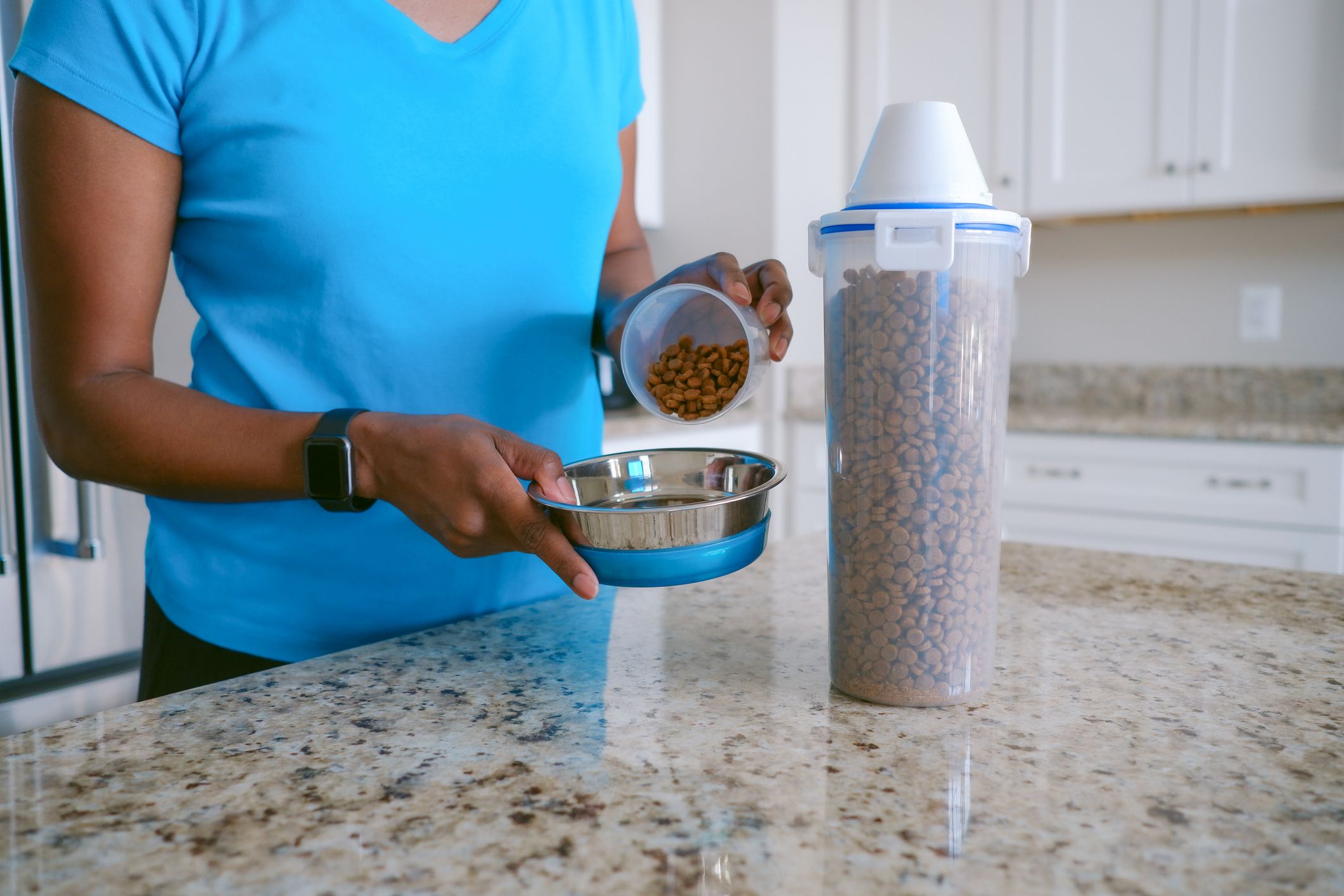
Image Source: cdn.whole-dog-journal.com
The Clock Starts Ticking: Why Opening Matters
When you purchase a bag of dry dog food, it’s sealed in an airtight package. This packaging is designed to protect the kibble from the elements that degrade its quality: air, moisture, light, and pests. Once you break that seal, a gradual process of oxidation and nutrient loss begins.
Think of it like opening a bag of chips. Fresh out of the bag, they’re crispy. Leave them open on the counter, and they quickly become stale and lose their appeal. Dry dog food, while more resilient, undergoes a similar, albeit slower, decline.
Factors Influencing Opened Dry Dog Food Freshness
Several factors play a crucial role in determining how long your opened dog food remains good to eat.
Fat Content and Oxidation
The fats in dog food are vital for energy and nutrient absorption, but they are also the most susceptible to rancidity. Fats are prone to oxidation when exposed to oxygen. This process can alter the taste and smell of the food, making it less appealing to your dog, and can also lead to the degradation of fat-soluble vitamins.
- Higher Fat Content: Foods with a higher fat percentage, often found in performance or breed-specific formulas, may have a shorter optimal shelf life once opened.
- Type of Fats: The type of fats used also matters. Some fats are more stable than others.
Ingredient Quality and Preservatives
The quality of ingredients used in your dog’s food can impact its longevity.
- Natural Preservatives: Many premium dog foods use natural preservatives like mixed tocopherols (a form of Vitamin E), rosemary extract, and citric acid. While effective, these may break down faster than artificial preservatives.
- Artificial Preservatives: Some foods may contain artificial preservatives like BHA, BHT, or ethoxyquin. These tend to be more stable but are a concern for some pet owners.
- Fresh Ingredients: Foods with high levels of fresh meat or produce, while highly nutritious, can sometimes have a shorter shelf life due to the natural moisture and oils present.
Environmental Conditions
Where you store the opened food significantly impacts its freshness.
- Temperature: Warmer temperatures accelerate the oxidation process and can encourage bacterial growth.
- Humidity: High humidity can lead to moisture absorption by the kibble, promoting mold growth and spoilage.
- Light: Direct sunlight can degrade nutrients and fats in the food.
How Long Does Dry Dog Food Last Once Opened? A Closer Look
While the general guideline is 4 to 6 weeks, let’s break down what influences this.
The 4-6 Week Rule of Thumb
This is the most commonly cited timeframe for opened dry dog food freshness. It’s a good average for well-stored food that doesn’t have exceptionally high fat content or is prone to rapid spoilage. Within this period, the food is generally considered to retain most of its nutritional value and palatability.
Beyond 6 Weeks: What Happens?
After 6 weeks, the quality starts to degrade more noticeably.
- Nutrient Loss: Vitamins and essential fatty acids may begin to break down, reducing the nutritional completeness of the food.
- Palatability Issues: The taste and smell can change due to fat oxidation, making your dog less likely to eat it.
- Increased Risk of Spoilage: While not always visible, the risk of mold or bacterial contamination increases over time, especially if storage conditions aren’t ideal.
Signs of Opened Dog Food Spoilage
It’s crucial to be able to identify when your dog’s food is no longer safe or palatable. Recognizing opened dog food spoilage is key.
Visual Cues
- Mold: Any sign of fuzzy growth, often white, green, or black, is a clear indication of mold and that the food should be discarded immediately.
- Clumping: Kibble that has become unusually clumpy or sticky might indicate moisture absorption.
- Discoloration: While some ingredients can naturally cause color variations, significant or unusual discoloration could be a warning sign.
Olfactory Cues (Smell)
- Rancidity: The most common smell associated with spoiled dry dog food is a rancid or “off” odor, similar to stale cooking oil.
- Musty or Earthy Smells: These can indicate mold growth.
- Unpleasant Odors: If the food smells strongly unpleasant or “sour,” it’s best to err on the side of caution.
Textural Cues
- Staleness: Kibble might feel softer or less crunchy than usual.
- Oily Residue: An oily sheen on the kibble can indicate fat breakdown.
Preventing Opened Dog Food Spoilage: The Best Way to Store Opened Dry Dog Food
Proper opened dog food storage is paramount to extending the storage life opened dry dog food. Here’s how to do it right:
1. Airtight Containers are Key
This is the single most important step. The original bag is often not truly airtight once opened, and the plastic can be permeable to oxygen.
- Material Matters: Opt for food-grade plastic containers, glass jars, or stainless steel bins specifically designed for pet food storage. These materials are generally non-porous and durable.
- Size Appropriately: Choose containers that are just large enough for the amount of food you typically go through in 3-4 weeks. This minimizes the amount of air trapped above the kibble.
- Cleanliness: Always ensure the container is clean and completely dry before refilling. Residual moisture can promote mold.
2. Seal the Original Bag (If Not Using a Container)
If you choose to keep the food in its original bag, it’s critical to seal it as tightly as possible.
- Roll and Clip: Roll the bag down tightly from the top, expelling as much air as possible. Then, use a strong chip clip, a dedicated pet food bag clip, or a vacuum sealer to create a tight seal.
- Secondary Container: For added protection, you can place the tightly sealed original bag inside another airtight container.
3. Cool, Dark, and Dry
The ideal storage location is crucial for maintaining opened dog food freshness.
- Cool Temperatures: Store the food in a cool place, ideally below 70°F (21°C). A pantry or cupboard away from heat sources is better than a garage or shed, which can experience wider temperature fluctuations.
- Darkness: Light can degrade nutrients. Keep containers or bags in a dark environment.
- Dry Environment: Avoid damp areas like basements or near dishwashers, as excess humidity can lead to spoilage.
4. Avoid the Refrigerator or Freezer (Generally)
While it might seem intuitive, refrigerating or freezing opened dry dog food can sometimes cause more harm than good.
- Condensation: Opening and closing a refrigerator or freezer creates temperature changes that can lead to condensation. This moisture can be absorbed by the kibble, promoting mold and bacterial growth, and can also affect the texture and palatability.
- Odor Absorption: Kibble can absorb odors from other foods in the refrigerator or freezer, making it less appealing to your dog.
- Freezer Burn: While freezing can preserve food, it can also lead to freezer burn, which alters the texture and taste. If you must freeze, ensure the food is in a truly airtight, freezer-safe container and is used within a few months.
5. Buy Smaller Bags
If your dog is a picky eater or you have a small dog, consider buying smaller bags of food more frequently. This way, you’re less likely to have a large amount of opened food sitting around for extended periods. This is a practical way to manage opened dog food expiration.
6. Transfer Entire Bag to a Container
Once you open a new bag, some owners prefer to pour the entire contents into their clean, airtight storage container. This ensures that the food is protected from the moment of opening and avoids the hassle of repeatedly sealing the original bag.
How Long Can Dry Dog Food Sit Out?
This question usually refers to how long kibble can be left in the dog’s bowl. This is a different scenario than proper storage in a sealed container.
- In the Bowl: Once dry kibble is placed in a dog’s bowl, it’s exposed to air, humidity, and potentially bacteria from the dog’s mouth. It’s best to remove any uneaten food after 12-24 hours to prevent spoilage.
- Factors Affecting Bowl Time: Warm, humid weather will accelerate spoilage in the bowl much faster than cool, dry conditions. If your dog only eats a small amount at a time, you might need to remove uneaten food sooner.
Leaving kibble in the bowl all day can lead to moisture absorption from the air, fat oxidation, and the introduction of bacteria. This can make the food unappealing or even unsafe for your dog to consume later. Always clean the food bowl thoroughly between feedings.
Opened Dog Food Bacteria Growth
Bacteria are microscopic organisms that are naturally present in the environment. While some bacteria are harmless, others can cause spoilage and illness.
- Source of Bacteria: Bacteria can be introduced to the kibble from the air, surfaces, or even the dog’s saliva.
- Growth Conditions: Bacteria thrive in warm, moist environments. This is why proper storage is so important. When kibble absorbs moisture from the air or humidity, it creates a more favorable environment for opened dog food bacteria growth.
- Impact on Health: Consuming food contaminated with harmful bacteria can lead to gastrointestinal upset in dogs, including vomiting and diarrhea.
What About Opened Dog Food Expiration?
The “expiration date” or “best by date” on a dog food bag refers to the unopened product. Once opened, that date is no longer a reliable indicator of freshness. Instead, you should adhere to the 4-6 week guideline and the spoilage indicators mentioned earlier.
If your dog food is nearing its “best by” date when you open it, it’s wise to consume it even more quickly. Conversely, if the food is well within its unopened expiration period, but you’ve opened it, the 4-6 week rule still applies.
Is It Safe to Feed Opened Dog Food Past 6 Weeks?
While it’s not an immediate danger, feeding opened dog food beyond the recommended 4-6 week period means you’re likely feeding your dog food that has lost significant nutritional value and is at a higher risk of spoilage.
- Nutritional Deficiencies: Over time, vitamins can degrade, potentially leading to deficiencies if your dog relies solely on that food.
- Digestive Upset: Even if there are no visible signs of spoilage, changes in the food due to oxidation could make it harder to digest or cause mild stomach upset.
- Best Practice: It is always best to discard food that is significantly past the 4-6 week mark or shows any signs of spoilage to ensure your dog receives optimal nutrition and stays healthy. This relates directly to opened dog food disposal.
Opened Dog Food Disposal: When in Doubt, Throw it Out!
The decision of opened dog food disposal is often a difficult one for pet owners. We want to be economical, but our pet’s health comes first.
- Clear Signs of Spoilage: If you see mold, smell rancidity or mustiness, or notice any other unpleasant odors or textures, the food should be disposed of immediately.
- Past the 4-6 Week Window: If the opened bag is significantly older than 6 weeks and you haven’t stored it perfectly, it’s probably time to consider disposal.
- Pet Refusal: If your dog consistently refuses to eat the food, even when it previously loved it, it could be a sign that the food has gone off.
- Proper Disposal: Seal the spoiled food in a bag before placing it in the trash to prevent attracting pests.
Summary Table: Opened Dry Dog Food Shelf Life
| Factor | Impact on Shelf Life |
|---|---|
| Time Opened | Degradation begins immediately. 4-6 weeks optimal. |
| Fat Content | Higher fat = faster oxidation/rancidity. |
| Preservatives | Natural may break down faster than artificial. |
| Storage Temperature | Warmer = faster spoilage. |
| Humidity | Higher humidity = moisture absorption, mold risk. |
| Light Exposure | Degrades nutrients and fats. |
| Storage Method | Airtight containers prolong freshness. |
| Original Bag Sealing | Crucial if not using a separate container. |
| Food Bowl Exposure | Limited to 12-24 hours before spoilage risk increases. |
Frequently Asked Questions (FAQ)
Q1: Can I feed my dog dry food that is past its “best by” date but still sealed?
A1: While the food might not be harmful, its nutritional value will have decreased. Many manufacturers recommend using opened food within 4-6 weeks, regardless of the printed date. If the bag is still sealed and well past the date, it’s less ideal but might still be palatable. However, once opened, the 4-6 week rule is the primary guideline.
Q2: What happens if my dog eats spoiled dry dog food?
A2: Your dog may experience gastrointestinal upset, such as vomiting, diarrhea, or an upset stomach. In rare cases, severe bacterial contamination could lead to more serious health issues.
Q3: Do all dry dog foods have the same shelf life once opened?
A3: No. Factors like fat content, type of preservatives, and ingredient quality can influence the exact shelf life. Foods with higher fat content or natural preservatives might have a slightly shorter optimal period.
Q4: Should I store my opened dry dog food in the original bag?
A4: It’s best to transfer it to an airtight container. The original bags are often not truly airtight once opened and can allow air and moisture to penetrate, leading to quicker spoilage. If you must use the bag, seal it as tightly as possible.
Q5: Is it safe to mix old opened kibble with new kibble?
A5: It’s generally not recommended. The older kibble’s nutritional value will have degraded, and it could be close to spoiling. It’s best to finish one bag before opening a new one, or at least ensure that any opened kibble is well within its freshness period.
By following these guidelines, you can ensure your dog enjoys fresh, nutritious kibble for as long as possible after opening the bag. Always prioritize your dog’s health and well-being by storing their food properly and discarding it if you have any doubts about its quality.