
The most common question for pet parents is: “How many grams are in a cup of dog food?” The answer is generally between 80 and 120 grams for dry kibble, but this can vary significantly based on the kibble’s density and the specific brand. This guide will help you accurately measure your dog’s food to ensure they get the right nutrition.
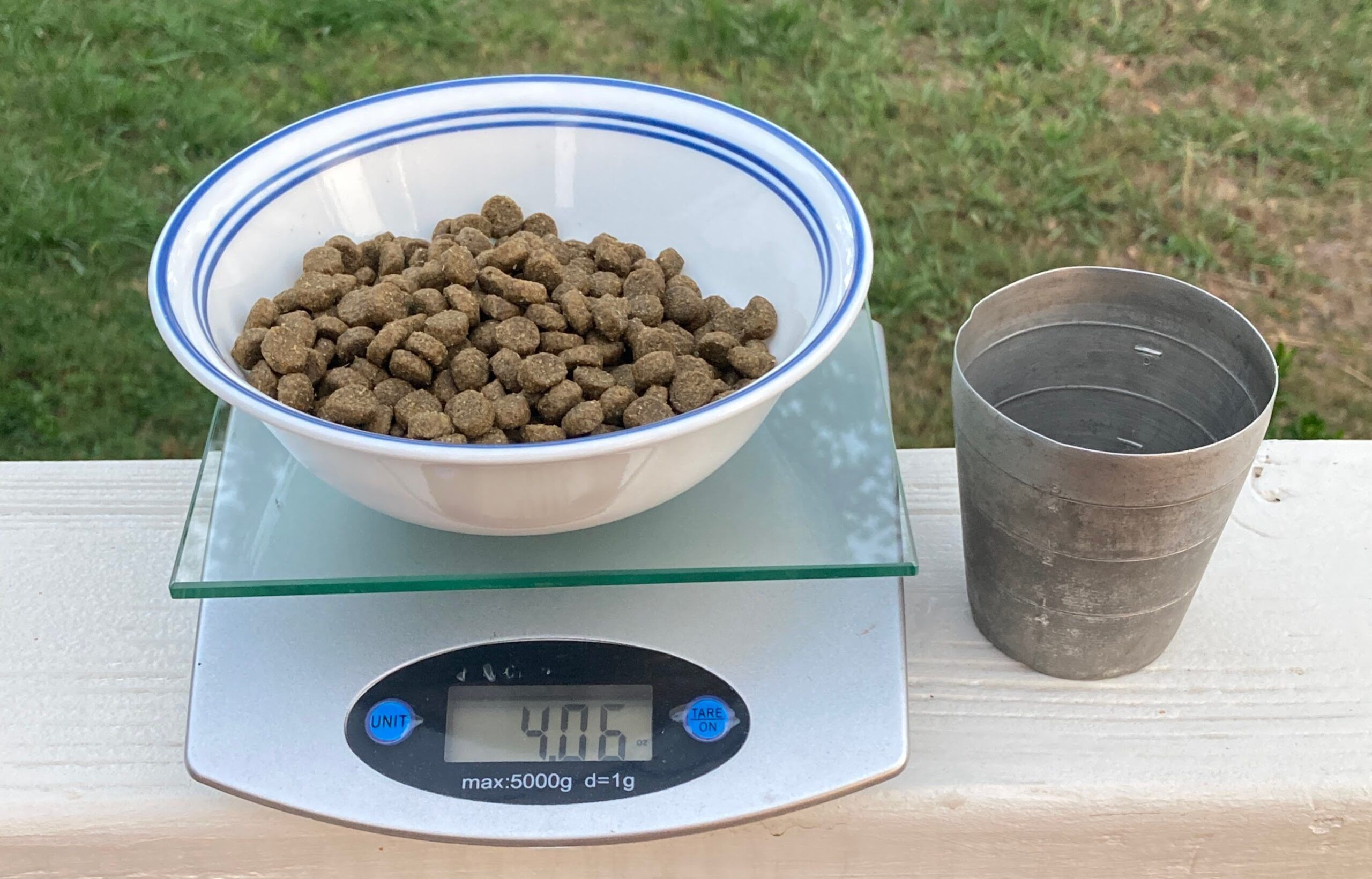
Image Source: www.whole-dog-journal.com
Why Accurate Measurement Matters
Feeding your dog the correct amount of food is crucial for their health and well-being. Too little food can lead to malnutrition and weight loss, while too much can cause obesity, which is linked to serious health problems like diabetes, heart disease, and joint issues. Understanding dog food weight by cup is the first step in proper portion control.
Nutritional Balance and Health
Dog food is formulated with a specific balance of proteins, fats, carbohydrates, vitamins, and minerals. Deviating from the recommended feeding guidelines, even by a small amount, can disrupt this balance over time. For example, consistently overfeeding can lead to your dog gaining weight, straining their joints and increasing their risk of chronic diseases. Conversely, underfeeding can leave them deficient in essential nutrients, impacting their energy levels, immune system, and overall health.
Weight Management
Achieving and maintaining a healthy weight is one of the most significant factors in a dog’s longevity and quality of life. Knowing the precise weight of your dog’s food servings helps you manage their intake accurately. This is especially important if your dog has specific dietary needs, such as being a picky eater, having a sensitive stomach, or requiring a weight management diet.
Cost-Effectiveness
While not a direct health concern, accurate measurement also impacts your wallet. By feeding the correct portion, you avoid wasting food and ensure you’re getting the most value from your dog food purchase. This might seem minor, but over months and years, it can add up.
Deciphering Dog Kibble Density: The Key to Grams Per Cup
The primary reason for the variability in dry dog food grams in a cup is kibble density. Kibble pieces come in different shapes, sizes, and textures, and these variations directly affect how much a standard measuring cup can hold by weight.
What Influences Kibble Density?
- Ingredient Composition: Foods with a higher protein or fat content, or those made with lighter ingredients, tend to be less dense.
- Kibble Size and Shape: Larger, puffier kibbles will occupy more volume than smaller, denser kibbles, meaning fewer grams will fit into the same cup.
- Manufacturing Process: How the kibble is extruded and processed can also affect its density.
- Moisture Content: While most dry foods have low moisture, slight variations can also influence weight.
The Standard Cup Size for Dog Food
When we talk about “a cup” of dog food, we’re typically referring to a standard cup size for dog food. This is usually a US standard dry measuring cup, which has a volume of 236.59 milliliters (ml). However, the weight a cup of food holds is not standardized across all brands and formulas.
How to Accurately Weigh Dog Food: Practical Methods
While the measuring cup is a convenient tool, relying solely on volume can lead to inconsistent feeding. For the most accurate portioning, especially for dogs with specific health needs or those on weight-loss/gain programs, measuring dog food in grams is the gold standard.
Using a Kitchen Scale
The most precise method is using a digital kitchen scale. Here’s how to do it:
- Zero Out Your Container: Place a clean bowl or container on the scale and press the “tare” or “zero” button. This ensures the scale only measures the food, not the bowl.
- Measure the Food: Pour the recommended amount of dog food in grams directly into the container.
- Portion Accordingly: Divide the total daily amount into the number of meals you feed your dog.
This method eliminates the guesswork associated with volume measurements and guarantees you are feeding the exact portion recommended by your veterinarian or the food manufacturer.
Converting Volume to Weight: The Challenge
Many dog owners are accustomed to using measuring cups. While it’s important to know that this isn’t always precise, understanding how to get closer to accuracy is helpful.
- Check Your Dog Food Bag: Many reputable dog food brands will list the dog kibble ounces per cup or grams per cup on their packaging. This is the best starting point.
- Manufacturer Websites: If the information isn’t on the bag, check the brand’s website. They often provide detailed feeding charts and product specifications.
- Consult Your Veterinarian: Your vet can provide personalized advice on your dog’s specific dietary needs and can help you determine the appropriate food weight.
Sample Dog Food Conversion Chart (Grams to Cups)
This table provides a general idea of dog food conversion chart grams to cups. Remember, these are estimates, and you should always refer to your specific dog food brand’s guidelines.
| Dry Dog Food Type | Approximate Grams Per Cup (US Standard Measuring Cup) | Notes |
|---|---|---|
| Small, Dense Kibble | 110-120 grams | Often smaller, harder kibbles. |
| Medium, Standard Kibble | 90-105 grams | Most common kibble sizes. |
| Large, Puffy Kibble | 80-90 grams | Larger, airier kibbles. |
| Grain-Free Kibble | 90-115 grams | Can vary widely based on ingredients. |
| Puppy Kibble | 85-100 grams | Often formulated for higher energy, can affect density. |
| Senior Kibble | 95-110 grams | May have different ingredient profiles affecting density. |
Important Note: This chart is for illustrative purposes only. Always check your specific dog food packaging for the most accurate information.
Wet Dog Food: A Different Ballgame
The question “How many grams in a cup of dog food?” also applies to wet food, but the variability is much less pronounced. Wet dog food is typically sold in cans or pouches with a consistent density.
- Standard Can Sizes: Wet food is often sold in 3 oz, 5.5 oz, or 13 oz cans. These weights are usually clearly marked.
- Measuring by Volume: For wet food, using a measuring cup is generally more accurate than with dry kibble. A standard 8-ounce measuring cup (which refers to liquid volume) typically holds around 225-250 grams of wet dog food, depending on its texture and moisture content.
- Checking Packaging: Always look at the can or pouch for the exact weight of the product and the manufacturer’s recommended feeding guidelines.
Using a Dog Food Serving Size Calculator
Many online dog food serving size calculator tools can help you determine your dog’s daily caloric needs and then translate that into the correct amount of their specific food. These calculators often ask for:
- Your dog’s current weight
- Your dog’s age
- Your dog’s activity level (e.g., sedentary, moderately active, very active)
- Whether you are trying to maintain, lose, or gain weight
- The specific brand and formula of dog food you are using (some calculators have databases of food calorie content)
These tools are excellent resources for getting a starting point for portioning, but always cross-reference the results with your veterinarian’s recommendations and your dog’s physical condition.
Factors Influencing Your Dog’s Food Needs
Beyond the dog food weight by cup, several factors dictate how much food your dog actually needs:
Age
- Puppies: Need more calories and nutrients for growth. They typically eat more frequently.
- Adults: Require maintenance calories.
- Seniors: May need fewer calories due to decreased activity but might benefit from specific nutrients to support joint health and cognitive function.
Activity Level
A highly active dog that runs, hikes, or works will burn significantly more calories than a couch potato. Adjust food portions to match their energy expenditure.
Breed and Size
Larger breeds generally require more food than smaller breeds, but metabolism can vary. Some breeds are prone to weight gain and need careful portion control.
Health Conditions
Dogs with medical issues like diabetes, kidney disease, or hypothyroidism may require special diets and precisely measured food amounts as prescribed by a veterinarian.
Spayed or Neutered Status
Spayed or neutered dogs often have a slightly lower metabolic rate and may require fewer calories to maintain a healthy weight.
Metabolism
Just like people, dogs have individual metabolic rates. Some dogs naturally burn calories faster than others.
Practical Tips for Measuring Dog Food
Here are some actionable tips to ensure you’re feeding your dog the right amount:
1. Get a Digital Kitchen Scale
This is the most important piece of advice. Invest in an inexpensive digital kitchen scale. It’s the easiest way to accurately measure dog food grams.
2. Read the Feeding Guidelines Carefully
Every dog food bag has a feeding chart. This chart usually provides recommendations based on your dog’s weight. It’s a good starting point, but remember it’s a guideline.
3. Use the Same Measuring Cup
If you must use a measuring cup, commit to using the same one for every measurement. Different cups can have slightly different volumes.
4. Don’t Pack the Cup
When measuring dry kibble, gently spoon the food into the measuring cup and level it off with a straight edge (like the back of a knife). Don’t press the food down, as this will lead to overfeeding.
5. Weigh Your First Few Cups and Note It
If you’re transitioning from volume to weight, weigh your first few cups of kibble from your chosen brand. Write down the approximate grams per cup for that specific food. This creates your personal dog food conversion chart grams to cups.
6. Monitor Your Dog’s Body Condition
Regularly check your dog’s body condition. You should be able to feel their ribs without pressing too hard, see a defined waist when viewed from above, and notice an abdominal tuck when viewed from the side. If you can’t feel their ribs easily, they are likely overweight. If their ribs are very prominent, they may be underweight.
7. Adjust as Needed
Your dog’s food needs can change throughout their life. As they age, become less or more active, or if their health status changes, you may need to adjust their food portions.
The Pitfalls of Using Volume Measurements
While convenient, relying solely on volume (cups) for measuring dry dog food can lead to significant inaccuracies.
Variability in Kibble Size and Shape
As mentioned earlier, this is the biggest culprit. Imagine trying to fill a cup with marbles versus cotton balls. Both take up the same volume, but the cotton balls weigh much less. Similarly, small, dense kibble will weigh more per cup than large, airy kibble of the same brand.
Inconsistent “Scooping” Technique
Even with the same kibble, how you scoop can change the amount. A loosely filled cup will have fewer grams than a tightly packed cup. This inconsistency makes it difficult to feed the same amount day after day.
Puffiness and Air Pockets
Many kibbles are extruded with air to create their texture and shape. This air takes up volume but contributes no weight, leading to a lower gram-per-cup measurement.
When to Consult a Professional
Your veterinarian is your best resource for determining your dog’s ideal diet and portion size.
Health Concerns
If your dog has any underlying health issues, or if you notice sudden changes in their weight, appetite, or energy levels, consult your vet immediately. They can rule out medical problems and provide tailored dietary advice.
Weight Management Programs
If you’re embarking on a weight loss or gain program for your dog, your vet’s guidance is essential. They can help you calculate the precise caloric intake and recommend the best foods.
Dietary Changes
When switching dog food brands or formulas, it’s important to do so gradually and monitor your dog’s reaction. Your vet can advise on the best approach and portion sizes for the new food.
Frequently Asked Questions (FAQ)
Q1: How many grams are in a standard measuring cup of dog food?
A1: There is no single answer as it varies by brand and kibble density. However, for dry kibble, it typically ranges from 80 to 120 grams. Always check your dog food packaging or use a kitchen scale for precision.
Q2: Is it better to measure dog food by cup or by weight?
A2: Measuring by weight using a kitchen scale is significantly more accurate than measuring by cup, especially for dry dog food, due to variations in kibble density.
Q3: My dog food bag doesn’t say how many grams are in a cup. What should I do?
A3: You can check the manufacturer’s website, contact their customer service, or weigh a cup of the food yourself using a digital kitchen scale. This will help you establish your own dog kibble ounces per cup or grams per cup measurement.
Q4: Can I use the same measuring cup for dry and wet dog food?
A4: While technically you can, it’s best to use separate cups or, ideally, a scale. Wet food is more consistent, but dry kibble’s density changes it. If using cups, ensure they are clean between uses.
Q5: How do I know if I’m feeding my dog too much or too little?
A5: Monitor your dog’s body condition score. You should be able to feel their ribs easily without pressing hard, see a waistline from above, and an abdominal tuck from the side. If you’re unsure, consult your veterinarian.
Q6: What is a “standard cup size for dog food”?
A6: In the US, this typically refers to a standard US dry measuring cup, which has a volume of 236.59 milliliters. However, the weight it holds varies greatly with dog food.
By investing a little time in accurately measuring your dog’s food, you are investing in their long-term health, happiness, and well-being. Remember, precision in feeding leads to optimal nutrition and a healthier, happier companion.