
Does your furry friend have a penchant for your footwear? Your dog bites your shoes primarily because chewing is a natural and essential behavior for dogs, driven by a variety of developmental, emotional, and environmental factors. This blog post will delve deep into the reasons behind this common canine behavior, from puppyhood explorations to adult doggy anxieties. We’ll explore how chewing fulfills various needs, why shoes become particularly tempting targets, and what you can do to redirect this behavior effectively.
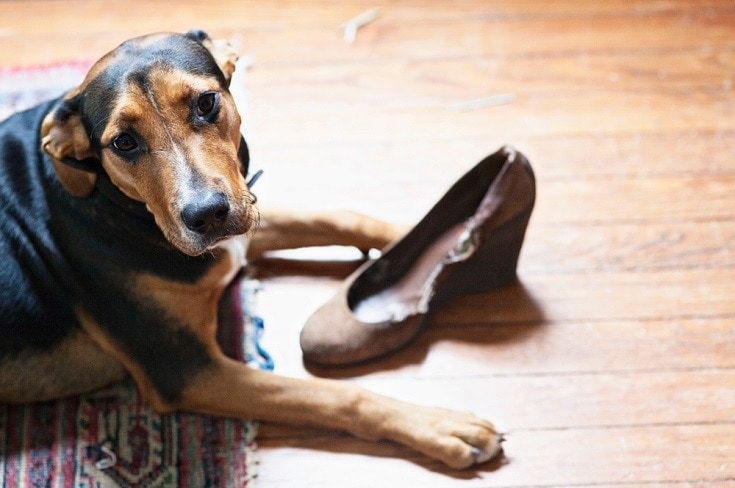
Image Source: www.hepper.com
The Innate Drive: Why Dogs Chew
Chewing is not just a pastime for dogs; it’s a fundamental part of their being. It’s how they explore their world, especially when they are young. Think of it as their version of touching, tasting, and learning.
Puppy Exploration and Teething
For puppies, chewing is an integral part of their development. When puppies are around 3-6 months old, they go through a phase known as teething. Just like human babies, puppies experience discomfort as their baby teeth fall out and their adult teeth emerge. The pressure of chewing can provide much-needed teething relief. Your puppy might instinctively seek out softer, more yielding textures, and guess what? Your shoes, with their leather or fabric materials, often fit the bill perfectly. This is a crucial period for learning and can lead to persistent puppy biting habits if not managed correctly.
Adult Dog Chewing Needs
Even after their adult teeth are in, dogs continue to chew. This is because chewing is a natural stress reliever and an excellent way for them to keep their jaws strong and their teeth clean. Without sufficient outlets for this natural behavior, dogs can resort to destructive chewing, and your shoes are often unfortunate casualties.
The Allure of Your Shoes: Why Your Footwear is a Target
Your shoes are not just random objects for your dog to chew; they often hold a special, albeit frustrating, appeal.
A Symphony of Scents
Your shoes are saturated with your scent. For your dog, who relies heavily on their sense of smell, your shoes are like little scent-filled treasures. They represent your presence, your closeness, and your emotional state. Chewing on them can be a way for your dog to feel closer to you, especially when you’re not around. It’s a form of self-soothing, a way to keep you near.
The Perfect Texture
Shoes come in a delightful variety of textures – leathers, rubber, canvas, laces. These materials offer different chewing experiences. Some are satisfyingly tough, providing a good resistance for a vigorous chew. Others are softer and more pliable, offering a different kind of sensory pleasure. The combination of your scent and these appealing textures makes your shoes an irresistible temptation.
Accessible and Available
Let’s face it, shoes are often left within easy reach of our canine companions. They might be by the door, in a closet left ajar, or even in a bedroom. This accessibility, combined with their appealing scent and texture, makes them an easy target when a dog feels the urge to chew.
Reasons Behind the Shoe-Chewing Habit
Several underlying reasons can contribute to your dog chewing on your shoes. Identifying the root cause is key to addressing the behavior effectively.
1. Boredom and Lack of Mental Stimulation
Boredom is a major culprit behind many behavioral issues in dogs, and shoe-chewing is no exception. Dogs are intelligent creatures with a need for mental and physical engagement. If a dog is left alone for long periods without adequate exercise or stimulation, they will find ways to entertain themselves. Your shoes, being readily available and interesting, become a prime target for a bored dog seeking something to do. This can lead to destructive chewing that leaves you with damaged footwear and a frustrated pup.
- Signs of Boredom:
- Restlessness and pacing
- Excessive barking or whining
- Destructive behaviors like chewing furniture, shoes, or digging
- Attention-seeking behaviors
2. Anxiety and Stress
Anxiety is another significant factor. Dogs can experience separation anxiety, noise phobias, or general stress that manifests as destructive behavior. Chewing can be a self-soothing mechanism for an anxious dog, helping them cope with overwhelming emotions. If your dog chews your shoes primarily when you leave the house or during stressful events (like thunderstorms), anxiety is likely at play. This can escalate into severe shoe destruction.
- Types of Dog Anxiety:
- Separation Anxiety: Distress when left alone.
- General Anxiety: Fear or nervousness in various situations.
- Noise Phobias: Fear of loud noises like fireworks or thunder.
3. Puppy Biting Habits and Exploration
As mentioned earlier, puppy biting is a natural phase. Puppies explore the world with their mouths. They learn about textures, tastes, and boundaries through chewing. During this time, it’s crucial to guide them towards appropriate chew toys. If puppy biting habits are not addressed early, they can persist into adulthood.
- Teething Relief: Puppies gnaw on objects to soothe their sore gums.
4. Seeking Attention
Sometimes, dogs learn that chewing on your shoes gets a reaction from you. Even negative attention, like yelling or chasing them, can be perceived as attention by a dog who craves interaction. If your dog is consistently ignored or feels lonely, they might resort to chewing your shoes simply to get you to notice them.
5. Lack of Appropriate Chew Toys
If your dog doesn’t have a sufficient variety of interesting and durable chew toys, they will find alternatives. Your shoes might be the most enticing option available when their natural urge to chew needs fulfilling. Providing a range of textures and types of chew toys is essential for directing their chewing behavior.
Addressing Shoe-Chewing Behavior: A Practical Guide
Now that we’ve explored why dogs chew shoes, let’s look at practical solutions to curb this behavior. Effective dog training is key, focusing on redirection and providing alternatives.
1. Provide Appropriate Chew Toys
This is perhaps the most crucial step. Ensure your dog has a variety of safe and engaging chew toys.
- Variety is Key: Offer toys with different textures, shapes, and sizes. Some dogs prefer soft plush toys, while others like hard rubber or durable nylon options.
- Interactive Toys: Puzzle toys that dispense treats can keep your dog mentally stimulated and engaged.
- Rotate Toys: Keep a selection of toys available and rotate them regularly to maintain novelty and interest. This helps prevent boredom and encourages them to focus on their own toys.
2. Dog-Proof Your Home
Until your dog learns appropriate chewing habits, it’s essential to prevent access to your shoes.
- Store Shoes Securely: Keep shoes in closets with doors that close or in shoe racks that are out of your dog’s reach.
- Use Gates: If your dog has free roam of the house, consider using baby gates to block off areas where shoes are kept.
3. Increase Exercise and Mental Stimulation
A tired dog is a good dog. Ensuring your dog gets enough physical and mental exercise can significantly reduce their need to chew destructively.
- Physical Exercise: Daily walks, runs, games of fetch, or agility training can help burn off excess energy.
- Mental Stimulation: Puzzle toys, scent games, obedience training sessions, and learning new tricks provide mental engagement and prevent boredom. A good 15-20 minute training session can be as tiring for a dog as a long walk.
4. Positive Reinforcement Training
When you catch your dog chewing a shoe, redirect them immediately.
- Interrupt and Redirect: Calmly take the shoe away and offer them an appropriate chew toy instead. When they start chewing the toy, praise them enthusiastically.
- Reward Good Behavior: Praise and reward your dog when you see them chewing their own toys. This reinforces the desired behavior.
5. Address Anxiety and Boredom
If you suspect your dog’s shoe-chewing is due to anxiety or severe boredom, you may need to address the underlying issue.
- For Separation Anxiety: Consult a professional dog trainer or a veterinary behaviorist. Desensitization exercises, counter-conditioning, and sometimes medication may be necessary.
- For Boredom: Increase the frequency and duration of walks, introduce new puzzle toys, or consider doggy daycare if your schedule doesn’t permit enough interaction.
6. Use Deterrents (With Caution)
Bitter sprays can be used on shoes to make them unappealing. However, this should be a temporary measure and not a substitute for training and providing alternatives.
- Test First: Always test deterrent sprays on an inconspicuous area of the shoe first to ensure they don’t damage the material.
- Apply Consistently: Reapply as needed, as the scent can fade.
7. Crate Training
Crate training can be a lifesaver for preventing shoe destruction when you can’t supervise your dog. A crate, when used correctly, becomes a safe den for your dog. Ensure the crate is the right size and that your dog associates it with positive experiences.
8. Manage Chewing During Teething
For puppies, provide plenty of appropriate teething toys.
- Frozen Toys: For extra teething relief, try freezing a wet washcloth or specially designed teething toys. The cold can soothe sore gums.
- Supervise Closely: Keep a close eye on your puppy and redirect any chewing on forbidden items.
What NOT to Do
- Punish After the Fact: Punishing your dog hours after they chewed a shoe is ineffective because they won’t associate the punishment with the action. They will only learn to fear you.
- Chase Your Dog: If your dog grabs a shoe, don’t chase them. This can turn it into a fun game of keep-away, reinforcing the behavior. Instead, try trading them for a high-value treat or toy.
- Give Old Shoes as Toys: This sends mixed messages. Your dog cannot differentiate between “old” shoes and “new” shoes; they just know they are shoes and are allowed to chew them.
Can I Prevent My Dog from Chewing My Shoes?
Yes, you can prevent your dog from chewing your shoes through consistent dog training, providing adequate outlets for their chewing needs, managing their environment, and addressing any underlying issues like anxiety or boredom.
My Dog is an Adult, Why is He Still Chewing Shoes?
Adult dogs may continue to chew shoes for reasons other than teething. Boredom, anxiety, lack of exercise, stress, or simply an ingrained habit can all contribute to adult dogs chewing on footwear. It’s important to identify the specific trigger for your adult dog.
Frequently Asked Questions (FAQ)
Q1: My puppy chews everything. Is this normal?
A1: Yes, for puppies, chewing is a normal part of their development. They use their mouths to explore their environment, and they are also experiencing teething, which can cause discomfort. Providing appropriate chew toys and redirecting their chewing is crucial during this stage.
Q2: My dog only chews my shoes when I’m not home. What does this mean?
A2: This behavior strongly suggests separation anxiety or extreme boredom. Chewing your scent-laden shoes can be a way for your dog to cope with being alone or to self-soothe. It’s important to address the underlying anxiety or boredom with professional guidance.
Q3: How can I stop my dog from chewing my shoes without yelling?
A3: Focus on positive reinforcement and redirection. When you catch your dog in the act, calmly take the shoe away and immediately offer them a favorite chew toy. When they chew the toy, praise them. This teaches them what is acceptable to chew. Also, ensure they have plenty of exercise and mental stimulation to prevent boredom.
Q4: Should I give my dog old shoes to chew?
A4: No, this is generally not recommended. Dogs don’t differentiate between old and new shoes. Giving them old shoes can confuse them and reinforce the idea that chewing shoes is acceptable behavior. It’s better to provide them with designated dog chew toys.
Q5: My dog is destructive when he chews. What can I do?
A5: This indicates a need for more structured dog training and environmental management. Increase exercise, provide mentally stimulating activities, and ensure all tempting items like shoes are out of reach. If the destructive chewing is severe or persistent, consult a professional dog trainer or a veterinary behaviorist to identify and address the root cause.
Conclusion
Shoe destruction by our canine companions is a common problem, but one that can be effectively managed with patience, consistency, and a good understanding of your dog’s needs. By providing appropriate outlets for chewing, managing their environment, increasing exercise and mental stimulation, and addressing any underlying anxiety or boredom, you can redirect your dog’s chewing behavior away from your favorite pair of loafers and towards their own toy collection. Remember, training is a journey, and with the right approach, you and your dog can enjoy a harmonious relationship.