
When a dog is throwing up blood, it can be a frightening experience for any pet owner. What is happening when a dog vomits blood? This condition, known as hematemesis, signifies blood in your dog’s vomit. It can appear as bright red fluid, resembling coffee grounds, or a mix of blood and food. Can I handle this situation at home? Generally, no. Vomiting blood is a serious symptom that warrants immediate veterinary attention. Who is most at risk? While any dog can experience this, puppies and senior dogs, as well as those with pre-existing health conditions, are often more vulnerable. This blog post will delve into the various causes of blood in dog vomit, what to look for, and what steps to take.
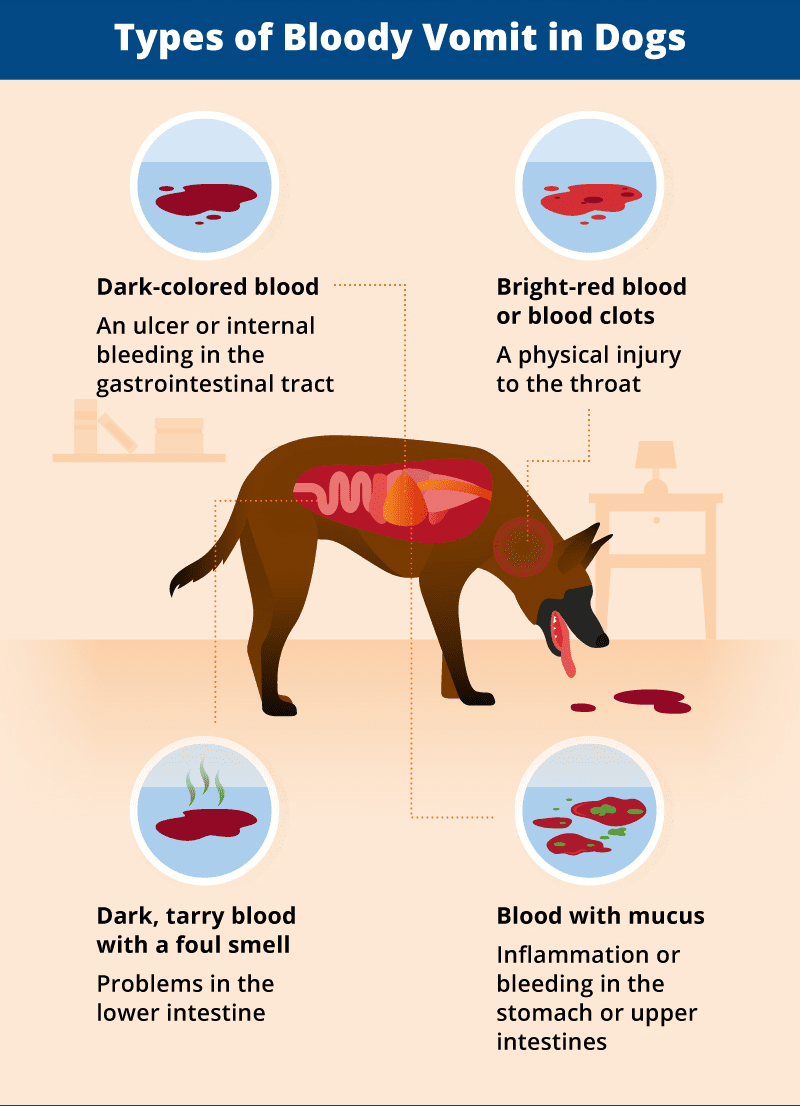
Image Source: cdn-ilbfemn.nitrocdn.com
Deciphering Blood in Dog Vomit: Common Culprits
Blood in dog vomit, or hematemesis, is a symptom, not a disease itself. It indicates that there’s an issue somewhere in your dog’s upper gastrointestinal tract, which includes the esophagus, stomach, and the first part of the small intestine. The appearance of the blood can offer clues. Bright red blood suggests fresh bleeding, while darker, coffee-ground-like vomit indicates that the blood has been in the stomach for a while and has been digested by stomach acids.
Canine Gastrointestinal Bleeding: More Than Just a Tummy Ache
Dog digestive issues are widespread, but when they involve blood, the stakes are considerably higher. Vomiting red fluid or a dark, granular substance points towards significant irritation or damage within the digestive system. It’s crucial to recognize that dog internal bleeding can stem from a variety of sources, ranging from minor irritations to life-threatening emergencies.
The Spectrum of Causes for Bloody Vomit in Dogs
Several factors can lead to a dog throwing up blood. It’s important to consider the dog’s age, diet, environment, and any recent changes in their life.
1. Ingesting Irritating Substances
Sometimes, dogs eat things they shouldn’t. This is particularly true for puppy health problems, as young dogs explore the world with their mouths.
- Foreign Objects: Sharp objects like bones, glass shards, or plastic pieces can tear the lining of the esophagus, stomach, or intestines, causing bleeding.
- Toxic Plants and Chemicals: Certain plants, household cleaners, pesticides, or even spoiled food can irritate the gastrointestinal lining, leading to inflammation and bleeding.
- Medications: Non-steroidal anti-inflammatory drugs (NSAIDs) like ibuprofen and naproxen, if accidentally ingested by a dog, are highly toxic and can cause severe gastric ulcers and bleeding. Even some prescribed medications for dogs, if given at the wrong dosage or for too long, can cause gastrointestinal upset.
2. Gastric Ulcers and Inflammatory Conditions
Ulcers are sores that develop in the lining of the stomach or small intestine. They are a significant cause of gastric hemorrhage.
- Gastric Ulcers: These can be caused by stress, certain medications (especially NSAIDs), or underlying diseases. The eroded lining bleeds, and the blood is often vomited.
- Gastritis: This is inflammation of the stomach lining. It can be caused by infections, dietary indiscretion, or irritants. Severe gastritis can lead to bleeding.
- Inflammatory Bowel Disease (IBD): This chronic condition causes inflammation throughout the digestive tract, which can manifest as vomiting blood, along with diarrhea and weight loss.
3. Infections
Various infections can target the gastrointestinal system, leading to bleeding.
- Viral Infections: Diseases like canine parvovirus, especially in puppies, can cause severe damage to the intestinal lining, leading to bloody vomit and diarrhea.
- Bacterial Infections: Certain bacteria can infect the stomach or intestines, causing inflammation and bleeding.
- Parasites: Intestinal parasites like hookworms can attach to the intestinal wall and feed on blood, leading to anemia and sometimes blood in the vomit or stool.
4. Tumors and Cancers
Unfortunately, cancer can also be a cause of gastrointestinal bleeding.
- Gastrointestinal Tumors: Tumors in the esophagus, stomach, or intestines can bleed, especially as they grow. These can be benign or malignant.
- Hemangiosarcoma: This is a type of cancer that affects blood vessels and can occur in the spleen, liver, or stomach, leading to internal bleeding that might eventually present as vomiting blood.
5. Organ Damage and Other Systemic Issues
Problems with other organs can indirectly cause canine gastrointestinal bleeding.
- Liver Disease: Severe liver disease can impair blood clotting, making a dog more prone to bleeding in the digestive tract.
- Kidney Disease: Advanced kidney disease can also affect blood clotting and cause gastrointestinal issues.
- Pancreatitis: Inflammation of the pancreas can cause severe abdominal pain and vomiting, and in some cases, may be associated with gastrointestinal bleeding.
- Coagulation Disorders: Conditions that affect the blood’s ability to clot, either inherited or acquired (like rat poison ingestion), can lead to bleeding anywhere in the body, including the digestive system.
6. Severe Vomiting Episodes
While less common as a primary cause of significant blood, very forceful or prolonged vomiting can cause small tears in the esophagus or stomach lining, resulting in streaks of blood or a small amount of red fluid in the vomit. This is still a sign of irritation and should be monitored.
What to Observe: Signs to Note for Your Vet
When your dog is vomiting blood, gathering as much information as possible before your veterinary visit is crucial. This will help your vet diagnose the problem more efficiently.
Visual Clues: Describing the Vomit
Pay close attention to the appearance of the vomit:
- Color of the Blood:
- Bright Red: Indicates fresh bleeding, likely in the upper digestive tract (esophagus or stomach).
- Dark Red or Brown (Coffee Grounds): Suggests blood that has been digested by stomach acids, meaning it’s been in the stomach for a while.
- Amount of Blood: Is it a few streaks, a small amount, or is the vomit primarily blood?
- Consistency: Is it mixed with food, bile, or just blood?
- Frequency: How many times has your dog vomited blood?
Associated Symptoms
Look for other signs your dog might be exhibiting:
- Lethargy or Weakness: A common sign of blood loss.
- Pale Gums: Indicative of anemia due to blood loss.
- Abdominal Pain: Your dog may cry out, act restless, or tense their abdomen when touched.
- Diarrhea: Can also contain blood (hematochezia) if the bleeding is in the lower digestive tract, or it can be a general sign of gastrointestinal distress.
- Loss of Appetite: Dogs that are feeling unwell often refuse food.
- Dehydration: Signs include dry gums, sunken eyes, and loss of skin elasticity.
- Vomiting: Persistent vomiting, even if it’s not bloody, can be a sign of an underlying issue.
Actions to Take: When Your Dog Vomits Blood
Seeing blood in your dog’s vomit is an emergency. Here’s what you should do:
Immediate Steps: Prioritize Veterinary Care
- Contact Your Veterinarian Immediately: Call your vet or an emergency animal hospital. Describe the symptoms in detail, including the appearance of the vomit, frequency, and any other observed signs. Follow their instructions precisely.
- Do Not Induce Vomiting: Unless specifically instructed by a veterinarian, do not try to make your dog vomit again. This can worsen the bleeding.
- Withhold Food and Water (Temporarily): Your vet may advise you to withhold food and water for a short period to rest the stomach, but only do this if directed.
- Gather Information: As mentioned, note down all symptoms, any potential ingestions (new foods, plants, medications, toxins), and the dog’s medical history.
Veterinary Diagnosis: Pinpointing the Problem
At the clinic, your veterinarian will perform a thorough examination and may recommend several diagnostic tests to determine the cause of the hematemesis.
Diagnostic Tools
- Physical Examination: Your vet will assess your dog’s overall condition, check their vital signs, examine their mouth for any injuries, palpate their abdomen for pain or masses, and check their gum color.
- Blood Work:
- Complete Blood Count (CBC): This can reveal anemia (low red blood cell count) due to blood loss, or signs of infection or inflammation.
- Biochemistry Panel: This assesses organ function (liver, kidneys), electrolyte levels, and blood sugar. It can help identify underlying systemic diseases.
- Coagulation Profile: This checks for clotting disorders.
- Fecal Examination: To rule out parasitic infections.
- Urinalysis: To assess kidney function and detect any abnormalities.
- Radiographs (X-rays): Can help identify foreign objects, tumors, or signs of gastrointestinal obstruction.
- Ultrasound: Provides detailed images of the abdominal organs, allowing for better visualization of the stomach, intestines, liver, spleen, and pancreas. It can detect masses, ulcers, inflammation, and fluid accumulation.
- Endoscopy: A procedure where a flexible camera is inserted into the esophagus, stomach, and upper small intestine. This allows for direct visualization of the lining, identification of ulcers or lesions, and the collection of tissue samples (biopsies) for further analysis.
- Biopsy and Histopathology: Tissue samples obtained through endoscopy or surgery are examined under a microscope to identify cellular changes, infections, inflammation, or cancer.
Treatment Strategies: Tailored to the Cause
The treatment for vomiting blood will depend entirely on the underlying cause.
- Fluid Therapy: Intravenous (IV) fluids are essential to correct dehydration and maintain blood pressure, especially if there has been significant blood loss.
- Medications:
- Anti-nausea Medications: To control vomiting.
- Gastroprotectants: Medications like sucralfate or H2 blockers (e.g., famotidine) can help protect the stomach lining and reduce acid production, aiding in ulcer healing.
- Antibiotics: If a bacterial infection is suspected.
- Dewormers: If parasites are identified.
- Blood Transfusion: In severe cases of anemia due to significant blood loss, a blood transfusion may be necessary.
- Chemotherapy or Radiation: If cancer is diagnosed.
- Surgery: May be required to remove foreign objects, excise tumors, or repair damaged tissue.
- Dietary Management: Once the acute episode is controlled, a bland, easily digestible diet may be recommended. In some cases, a specialized veterinary diet may be needed long-term.
Factors Influencing Prognosis
The outcome for a dog vomiting blood depends on several factors:
- The Underlying Cause: Minor irritations have a better prognosis than aggressive cancers or severe organ damage.
- The Severity of Blood Loss: Significant anemia can be life-threatening.
- The Dog’s Overall Health: Younger, healthier dogs generally recover better than those with pre-existing conditions.
- Timeliness of Veterinary Care: Prompt diagnosis and treatment significantly improve the chances of recovery.
Frequently Asked Questions (FAQ)
Q1: Is vomiting blood in dogs always an emergency?
A1: Yes, vomiting blood is always considered a serious symptom and requires immediate veterinary attention.
Q2: Can stress cause a dog to vomit blood?
A2: Yes, extreme stress can contribute to gastric ulcers and inflammation, which can lead to vomiting blood.
Q3: My puppy ate a small amount of chocolate. Could this cause bloody vomit?
A3: While chocolate toxicity is dangerous, it typically causes vomiting and diarrhea but not usually bloody vomit unless there’s a severe gastrointestinal reaction or the chocolate contained other harmful ingredients. However, any vomiting in a puppy warrants a vet visit.
Q4: Can I give my dog human medication for vomiting blood?
A4: Never give your dog human medication without explicit veterinary instruction. Many human medications are toxic to dogs.
Q5: If my dog has blood in their vomit, should I stop giving them their regular food?
A5: Your veterinarian will advise you on diet. Usually, food is withheld temporarily, and then a bland diet is introduced once the dog is stable.
Conclusion
Witnessing your dog throw up blood is undoubtedly alarming. It signals a problem within their upper digestive system, and the causes are varied, ranging from the ingestion of foreign or toxic items to more serious conditions like ulcers, infections, or tumors. Early recognition of symptoms, prompt communication with your veterinarian, and adherence to diagnostic and treatment protocols are paramount. By acting quickly and providing your vet with accurate information, you give your beloved canine companion the best possible chance for a full recovery. Always remember, your veterinarian is your most valuable resource when it comes to your dog’s health.