
Can you stop your dog from peeing on your carpet? Yes, you absolutely can, and with the right approach, consistent effort, and a bit of patience, you can help your furry friend become reliably house-trained.
Accidents happen, especially when you’re dealing with a new puppy or a dog with a history of behavioral issues. Peeing on the carpet is a common problem for many dog owners, but it’s not an insurmountable one. This comprehensive guide will delve into the reasons behind this unwelcome behavior and provide practical, effective strategies to get your dog’s potty habits back on track. We’ll cover everything from basic house training principles to addressing more complex dog behavior issues that might be contributing to the problem.
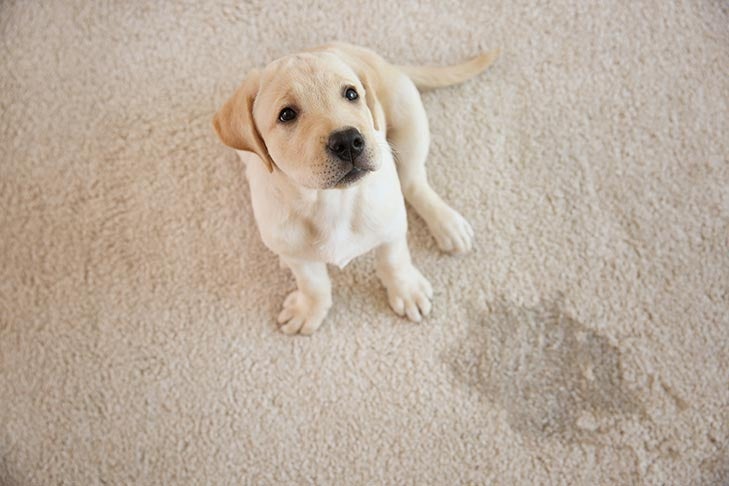
Image Source: www.akc.org
Why Is My Dog Peeing on the Carpet?
Before we dive into solutions, it’s crucial to grasp why your dog might be choosing your carpet as their toilet. There isn’t a single answer, and often, it’s a combination of factors. Identifying the root cause is the first step toward solving it.
Medical Issues
Sometimes, a dog’s inappropriate urination isn’t about dog behavior at all. It can be a sign of an underlying medical condition. Urinary tract infections (UTIs), bladder stones, kidney disease, diabetes, and even cognitive dysfunction in older dogs can all lead to a sudden increase in accidents.
- Urinary Tract Infections (UTIs): These can cause discomfort and a frequent urge to urinate, leading to accidents.
- Diabetes: Increased thirst and urination are common symptoms.
- Kidney Disease: Impaired kidney function can affect bladder control.
- Cognitive Dysfunction Syndrome (CDS): Older dogs may lose their house-training, similar to dementia in humans.
- Incontinence: Some dogs, particularly certain breeds or older dogs, may experience incontinence.
Actionable Advice: If your dog has suddenly started peeing indoors after being reliably house-trained, or if they seem to be struggling with urination (straining, frequent attempts), consult your veterinarian immediately. Ruling out medical causes is paramount.
Incomplete House Training
For puppies and newly adopted dogs, house-training is a learning process. They might still be mastering the concept of where it’s acceptable to relieve themselves.
- Puppies: Young puppies have small bladders and limited control. They need frequent opportunities to go outside.
- Newly Adopted Dogs: Dogs from shelters or previous homes might not have had consistent housebreaking or potty training. They may have developed habits that need to be unlearned.
Anxiety and Stress
Dogs can pee indoors due to emotional distress. This is a common form of marking behavior or a response to fear.
- Separation Anxiety: When left alone, some dogs become so anxious they urinate or defecate inside.
- Fear: Loud noises (thunderstorms, fireworks), new people or pets, or significant changes in the household can trigger fear-based urination.
- Changes in Routine: Moving to a new home, a change in work schedule, or a new family member can be stressful.
Submissive Urination
Some dogs, particularly those who are naturally timid or have been through negative experiences, may urinate when they are excited, fearful, or being greeted by people or other dogs. This is an involuntary response.
Excitement Urination
Similar to submissive urination, some dogs pee when they are overly excited, like when you arrive home or when playing a vigorous game.
Marking Behavior
Intact male dogs are most prone to marking behavior, which involves urinating small amounts to scent-mark their territory. However, neutered males and even some females can also mark indoors, especially if there are new animals in the house or if they feel insecure about their territory.
- Territorial Marking: Marking is often done on vertical surfaces like furniture legs or walls.
- Stress-Related Marking: Can occur due to changes or perceived threats.
Lack of Supervision
If you’re not actively supervising your dog, they can have an accident without you knowing. This prevents you from interrupting the behavior and redirecting them to the appropriate spot.
Strategies to Stop Carpet Peeing
Now that we’ve explored the potential reasons, let’s get to the solutions. Success in house training requires a multi-pronged approach that addresses the cause and reinforces desired behavior.
1. Establish a Consistent Potty Schedule
Consistency is king in house training. A predictable schedule helps your dog learn when and where to go.
-
For Puppies:
- Immediately after waking up.
- After meals and drinking.
- After playing or strenuous activity.
- Before bedtime.
- Every 1-2 hours initially, gradually increasing the time between outings.
-
For Adult Dogs:
- Establish a schedule based on their usual eating and sleeping patterns.
- Take them out first thing in the morning and last thing at night.
- Take them out after meals and significant play sessions.
- When in doubt, take them out more frequently.
Key Element: Always take your dog to the same designated spot outside. The scent of previous successful potty breaks can encourage them to go there again.
2. Supervise, Supervise, Supervise!
When you can’t actively watch your dog, they should be in a safe, confined space where accidents are less likely to be a problem.
- Use a Leash Indoors: Keep your dog on a leash attached to you. This allows you to monitor them closely and immediately redirect them if they start to squat or sniff around excessively indoors.
- Confine When Unsupervised: Use a crate training approach or a dog-proofed room (like a kitchen with a baby gate) when you can’t give them your full attention. This prevents them from having accidents in unsupervised areas.
3. The Art of Interruption and Redirection
If you catch your dog in the act of peeing indoors:
- Interrupt, Don’t Punish: Make a noise to startle them (e.g., a clap of your hands, a sharp “Ah-ah!”). The goal is to interrupt the behavior, not to scare them.
- Immediately Take Them Outside: Grab their leash and take them to their designated potty spot.
- Praise and Reward: If they finish urinating outside, offer enthusiastic praise, a favorite treat, and maybe a quick game. This positive reinforcement is crucial.
What NOT to Do:
* Rubbing their nose in it: This is ineffective and can make your dog fearful of you, hindering the housebreaking process.
* Yelling or physical punishment: This can lead to anxiety and make them hide when they need to pee, making accidents harder to catch.
4. Mastering Crate Training
Crate training is an invaluable tool for housebreaking. Dogs are naturally den animals and are reluctant to soil their sleeping area.
- Positive Association: Make the crate a positive place. Feed meals in the crate, toss treats inside, and provide comfortable bedding.
- Duration: Start with short periods and gradually increase the time your dog spends in the crate.
- Never Use as Punishment: The crate should be a safe haven, not a punishment.
- Proper Size: The crate should be large enough for your dog to stand up, turn around, and lie down comfortably, but not so large that they can use one end as a bathroom and sleep in the other.
5. Reinforce with High-Value Rewards
Positive reinforcement is key to successful potty training.
- Timing is Everything: Reward your dog immediately after they finish peeing or pooping in the correct spot. The reward should be given while they are still in the act of eliminating or immediately after they finish.
- What are High-Value Rewards? These are treats your dog absolutely loves and doesn’t get at other times. Think small pieces of cooked chicken, cheese, or special training treats.
- Verbal Praise: Combine treats with enthusiastic verbal praise like “Good potty!” or “Yes, good boy/girl!”
6. Thoroughly Clean Accidents
Residual urine odor is a major trigger for dogs to pee in the same spot again. They can smell it even if you can’t.
- Enzymatic Cleaners: These are essential. They break down the organic molecules in pet stains, completely eliminating the odor. Regular household cleaners might mask the smell temporarily but won’t neutralize it effectively for a dog’s sensitive nose.
- How to Use:
- Blot up as much of the urine as possible with paper towels.
- Saturate the area with an enzymatic cleaner. Make sure it penetrates the carpet backing and padding.
- Allow the cleaner to air dry completely.
- For persistent odors or older stains, you may need multiple treatments.
Cleaning Pet Stains:
* Act Fast: The sooner you clean up an accident, the better.
* Test First: Always test cleaning products on an inconspicuous area of the carpet to ensure they don’t cause discoloration.
* Avoid Ammonia: Cleaning products containing ammonia can actually smell like urine to dogs, potentially encouraging them to pee there again.
7. Address Marking Behavior Specifically
If you suspect marking behavior, you need to address the underlying cause.
- Neutering/Spaying: This can significantly reduce or eliminate marking behavior in many dogs. Consult your veterinarian about the right age for this procedure.
- Identify Triggers: If your dog marks in response to new animals, people, or changes in the environment, work on desensitization and counter-conditioning.
- Clean Thoroughly: Ensure all previous marking spots are meticulously cleaned with an enzymatic cleaner.
- Restrict Access: Until the behavior is controlled, prevent your dog from accessing areas where they tend to mark.
8. Managing Anxiety and Fear
If anxiety is the culprit, focus on building your dog’s confidence and reducing their stress.
- Separation Anxiety: This is a complex issue that often requires professional help from a certified dog trainer or veterinary behaviorist. Gradual departures, providing enrichment when alone, and creating a safe space can help.
- Fear Triggers:
- Desensitization and Counter-Conditioning: Gradually expose your dog to the trigger at a low intensity while pairing it with positive experiences (treats, praise).
- Create a Safe Space: Provide a den-like area where your dog feels secure during stressful times.
- Calming Aids: Consider pheromone diffusers, calming supplements, or Thundershirts, but always consult your vet first.
9. When to Seek Professional Help
While many potty training issues can be resolved with consistent effort, some situations warrant professional intervention.
- Persistent Accidents: If you’ve tried various methods for weeks or months without improvement.
- Sudden Behavioral Changes: Especially if accompanied by other concerning symptoms.
- Aggression or Severe Anxiety: If the urination is linked to fear, aggression, or extreme anxiety.
- Suspected Medical Issues: Always the first step if the behavior is sudden.
A qualified professional, such as a certified professional dog trainer (CPDT) or a veterinary behaviorist, can help diagnose the root cause and develop a tailored training plan.
Puppy Training Specifics for Carpet Accidents
Puppy training is a rewarding but sometimes messy process. Puppies are born without bladder control and need to be taught everything.
What to Expect with Puppies:
- Frequent Potty Breaks: Puppies need to go out much more often than adult dogs.
- Accidents are Normal: Don’t get discouraged by accidents. They are part of the learning curve.
- Patience is Key: Housebreaking takes time. Some puppies are quick learners, while others take longer.
Effective Puppy Training Techniques:
- Establish a Strict Schedule: Adhere to the puppy schedule religiously.
- Supervise Constantly: Never leave a puppy unsupervised. Use a leash indoors or confine them to a playpen or appropriately sized crate.
- Learn the Signals: Watch for signs like circling, sniffing the ground intensely, or heading towards a door.
- Positive Reinforcement: Lavish praise and high-value treats for successful potty breaks.
- Accident Protocol: If you catch them in the act, a sharp, startling noise (like a clap) followed by immediate transport outside to their potty spot. Reward any success there.
- Cleaning is Crucial: Use enzymatic cleaners to completely remove urine odor.
Adult Dog Housebreaking
Housebreaking an adult dog, especially one with a history of accidents or from a rescue situation, can present unique challenges.
Considerations for Adult Dogs:
- Past Habits: Adult dogs may have established habits that need to be unlearned.
- Underlying Reasons: Medical issues, anxiety, or lack of previous training are common factors.
- More Independence: Adult dogs might be less reliant on you for cues than puppies.
Strategies for Adult Dog Housebreaking:
- Veterinary Check-Up: Always start with a vet visit to rule out medical causes.
- Assess Training History: Try to find out if the dog has any prior house training.
- Implement a Strict Schedule: Even if the dog seems house-trained, stick to a consistent schedule.
- Intensify Supervision and Confinement: Be vigilant. Use confinement methods like crates or dog-proofed rooms when you cannot directly supervise.
- Positive Reinforcement: Reward successes generously.
- Address Anxiety: If anxiety is suspected, work on management and behavior modification strategies.
- Clean Thoroughly: Enzyme cleaners are non-negotiable for adult dogs with a history of accidents.
Table: Common Puppy Training Scenarios and Solutions
| Scenario | Problem | Solution |
|---|---|---|
| Puppy pees right after waking up. | Puppy’s bladder is full from sleeping. | Take puppy outside immediately upon waking. Praise and reward success. |
| Puppy pees shortly after eating/drinking. | Digestion stimulates the urge to go. | Take puppy out 15-20 minutes after meals and after significant water intake. |
| Puppy pees inside while you’re playing. | Puppy gets too excited or forgets to hold it. | Take a short potty break midway through play sessions. Praise and reward. |
| Puppy has an accident when you’re away. | Puppy was not supervised or did not get enough breaks. | Increase supervision. If unsupervised, use a crate or dog-proofed room. Extend the frequency of potty breaks. |
| Puppy pees on the carpet after being outside. | Puppy may not have fully emptied or was distracted. | Stay outside with your puppy for a few extra minutes. Ensure they are truly finished before going back inside. Praise any successful elimination. |
Frequently Asked Questions (FAQ)
Q1: How long does it take to house-train a dog?
A1: This varies greatly depending on the dog’s age, breed, personality, and past experiences. Puppies typically take 3-6 months. Adult dogs may take less time if they have prior training, or longer if they have ingrained habits or underlying issues. Consistency and patience are key.
Q2: My dog was house-trained but is now having accidents. What should I do?
A2: First, rule out medical issues with your veterinarian. If it’s not medical, consider changes in your routine, stress, or anxiety triggers. Re-evaluate your potty training methods, increase supervision, and ensure thorough cleaning of all accidents with enzymatic cleaners.
Q3: Can I punish my dog for peeing on the carpet?
A3: No, punishment is not recommended. It can create fear and anxiety, leading to your dog hiding their accidents and becoming more reluctant to go to the bathroom in front of you, which hinders the housebreaking process. Focus on positive reinforcement for desired behavior and interrupting and redirecting accidents.
Q4: My dog marks in the same spot on the carpet. What’s the best way to clean it?
A4: You absolutely must use an enzymatic cleaner specifically designed for pet urine odor. These cleaners break down the urine molecules that your dog can still smell. Thoroughly saturate the affected area, allow it to air dry, and repeat if necessary. Regular cleaners often aren’t enough to eliminate the scent for a dog’s sensitive nose.
Q5: Is crate training cruel?
A5: When done correctly and positively, crate training is not cruel. It provides a safe, den-like space for your dog. It’s a tool to aid housebreaking and prevent destructive behavior when unsupervised. Never use the crate as a form of punishment, and ensure your dog has ample time outside the crate for exercise and social interaction.
Q6: My dog is a puppy and pees a lot. Is this normal?
A6: Yes, for puppies, frequent urination is completely normal. They have small bladders and developing muscle control. You’ll need to take them out very frequently, often every 1-2 hours initially, especially after waking, eating, or playing. This is a critical part of puppy training.
Q7: I’ve tried everything, and my dog still pees on the carpet. What else can I do?
A7: If you’ve been consistent and diligent with house training, cleaning, and supervision, and the problem persists, it’s time to seek professional help. Consult your veterinarian to ensure there are no underlying medical issues, and then consider a certified professional dog trainer or a veterinary behaviorist. They can assess your dog’s specific situation and provide tailored strategies.
By approaching your dog’s carpet peeing issue with a combination of consistent training, positive reinforcement, thorough cleaning, and a willingness to identify underlying causes, you can successfully achieve a house-trained and happy companion. Remember, every dog is an individual, and patience is your greatest asset in this process.