
Does your dog sniff you more than usual? Yes, this can happen for several reasons related to their incredible sense of smell, emotional state, or changes in your life.
Your dog’s nose is a marvel of nature. It’s not just for smelling treats or interesting outdoor scents; it’s their primary tool for interacting with the world. When your dog starts sniffing you more than usual, it’s their way of communicating, investigating, or reacting to something they perceive. This heightened attention to your scent can be puzzling, but it’s usually rooted in their biology and their bond with you. Let’s dive into the various reasons behind this behavior.
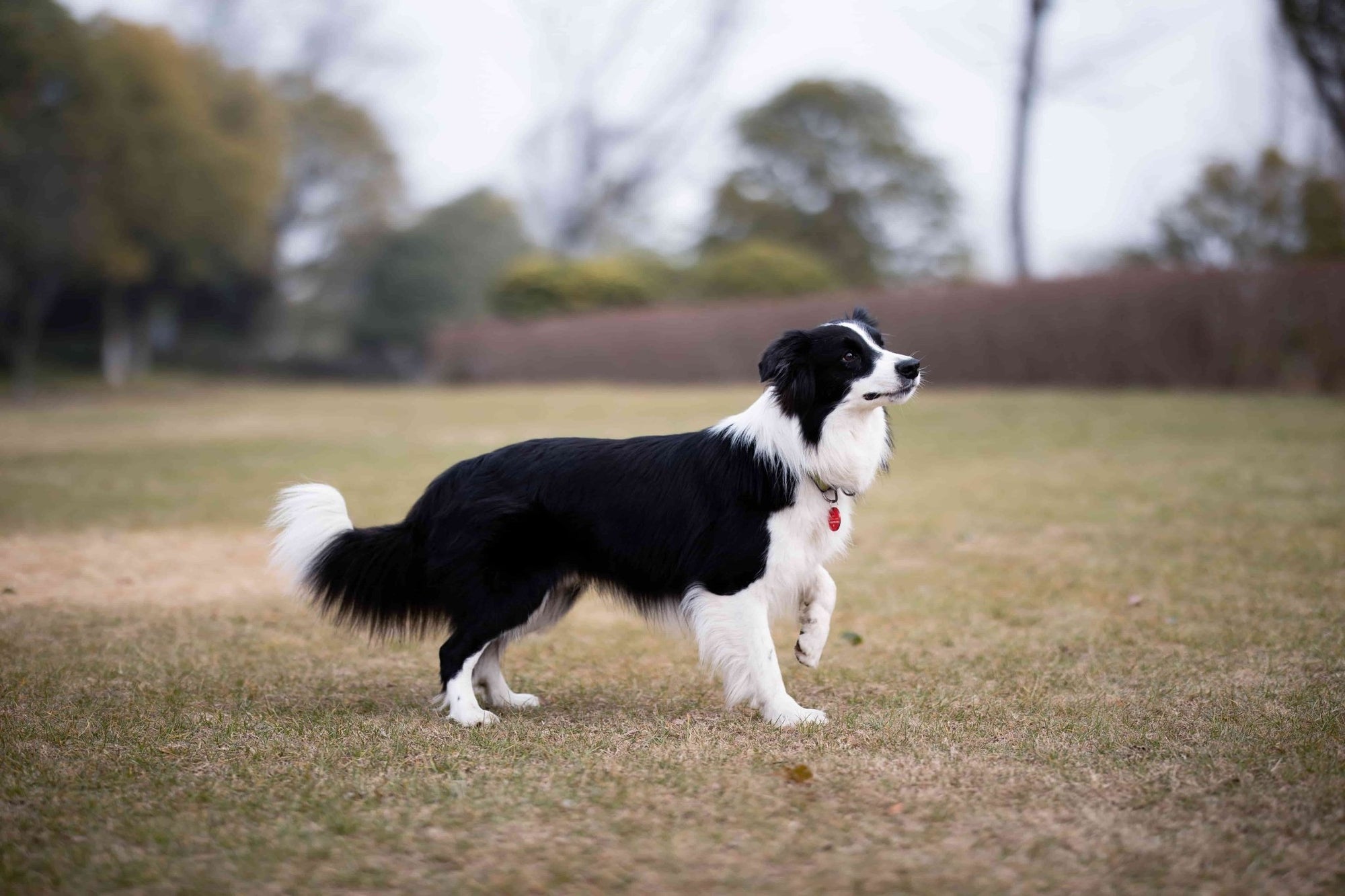
Image Source: dope.dog
The Power of the Canine Nose
Before exploring the specific reasons for increased sniffing, it’s vital to appreciate the sheer power of a dog’s canine heightened sense of smell. While humans have about 5 million olfactory receptors, dogs can have up to 300 million! This means they can detect odors at concentrations up to 100,000 times lower than what we can. Their world is a rich tapestry of smells, and you, their beloved human, are a significant part of that tapestry.
A dog’s nose is also divided into two pathways. One pathway is for breathing, and the other, located higher up, is specifically for smelling. When a dog inhales, air is separated; some goes to the lungs for breathing, and some is diverted to the olfactory area. This allows them to sniff continuously without disrupting their breathing. Furthermore, the vomeronasal organ (or Jacobson’s organ) in their mouth detects pheromones, chemical signals that convey information about emotions, reproductive status, and more. This organ is particularly sensitive to scents you emit.
Reasons for Dog Sniffing Owner: Decoding the Behavior
When you notice your dog sniffing you a lot, it’s a signal. Interpreting what that signal means requires looking at various aspects of their life and your interactions.
1. Detecting Subtle Changes in Your Scent
Your body is a dynamic chemical factory. Every day, we emit a unique scent profile influenced by diet, hormones, stress levels, and even emotions. A dog’s extraordinary sense of smell allows them to pick up on incredibly subtle changes that we are completely unaware of.
- Hormonal Shifts: Hormones play a significant role in our scent. If your mood changes, if you’re experiencing stress, excitement, or illness, your body might release different hormones that alter your natural scent. Your dog is picking up on these minute chemical signals. For example, a dog might sniff you more intensely if you’re feeling anxious because your sweat glands release different compounds.
- Dietary Changes: Even what you eat can alter your scent. If you’ve recently consumed a new food or supplement, your dog might be investigating the resulting changes in your body odor.
- Medications and Supplements: Human medications and supplements can also affect our scent. Dogs are highly attuned to these chemical inputs and may sniff you more as they process this new information.
- Illness: Early signs of illness in humans can sometimes manifest as subtle changes in body odor. Dogs, with their acute sense of smell, have been known to detect diseases like cancer or diabetes in humans before medical professionals can. If your dog is suddenly sniffing you intensely, especially in specific areas, it could be their way of alerting you to an underlying health issue.
2. Seeking Comfort and Reassurance
Dogs form deep emotional bonds with their owners. Sniffing you can be a way for them to seek comfort, reassurance, and connection, especially if they are feeling a bit anxious or insecure.
- Separation Anxiety or Reunion: If you’ve been away for a while, even a short period, your dog will likely greet you with enthusiastic sniffing. They are reacquainting themselves with your familiar scent, confirming you are home, and processing where you’ve been. This is a natural and affectionate behavior.
- Your Emotional State: If you’re feeling down, stressed, or upset, your dog will sense it through your scent and body language. They might sniff you more as they try to understand your emotional state and offer comfort. They might nuzzle you, lick you, or simply stay close, using their nose to gather more information.
- Novelty in Your Environment: If you’ve been somewhere new, met new people, or encountered new animals, your scent will carry traces of those experiences. Your dog might sniff you more to gather details about where you’ve been and who you’ve interacted with.
3. Information Gathering and Exploration
For a dog, sniffing is akin to reading. They are constantly gathering information about their environment and the beings within it. You are their primary source of information and security.
- Exploring Your Day: Dogs are curious creatures. When you return home or after you’ve been in a different part of the house, your dog might sniff you to “read” about your activities. What smells did you encounter? Who did you interact with? This is their way of catching up on your life.
- Novel Stimuli: If you’ve been handling new objects, using new cleaning products, or even wearing a new perfume, your dog’s nose will investigate the unfamiliar scents on you. They are trying to categorize and understand these new olfactory inputs.
- Dog Scent Marking Me: While dogs don’t typically “scent mark” their owners in the same way they might mark territory, there can be instances where their interactions might be interpreted similarly. If your dog licks you excessively after sniffing, they might be trying to imprint their scent on you, reinforcing their bond and claiming you as part of their social group. This is more about affiliation than territorial marking.
4. Health and Well-being Concerns
Sometimes, an increase in sniffing can be a subtle indicator of a health concern for your dog.
- Digestive Issues: If your dog is experiencing digestive upset, they might be more interested in your scent, especially if you have recently eaten something that might be causing them discomfort or if they are looking for something to help them feel better.
- Anxiety or Stress: Beyond seeking comfort, an anxious dog might sniff you more as a displacement behavior, a way to cope with their feelings. This can be coupled with other signs like panting, yawning, or pacing.
- Behavioral Changes: A sudden and persistent change in your dog’s sniffing behavior, especially if accompanied by other unusual behaviors like lethargy, appetite changes, or aggression, warrants a veterinary check-up. It’s crucial to rule out any underlying medical issues that might be causing the behavioral shift.
5. Investigating Your Scent and Exploring My Scent
This is a fundamental aspect of canine behavior. Your scent is a complex chemical language that your dog is fluent in.
- A Familiar and Comforting Scent: Your scent is likely the most familiar and comforting smell to your dog. They may sniff you simply because they love your smell and it brings them a sense of security and happiness. It’s like a warm hug for their nose.
- Reinforcing the Bond: Regular sniffing and interaction with you reinforces your bond. It’s a positive feedback loop where they receive your attention, and you receive their affection.
- Curiosity and Learning: Dogs are naturally curious. They are always learning about their world, and you are a central part of that world. Exploring your scent is a form of learning and engagement.
6. Dog’s Attention to My Scent and Dog Overly Sniffing Owner
When a dog is paying a lot of attention to your scent, or is overly sniffing you, it’s a sign that something has piqued their interest. This can be subtle or overt.
- Your Recent Activities: Did you just finish a workout? Your dog will likely sniff you to detect the scent of exertion and sweat. Did you just come in from the garden? They’ll be interested in the smell of soil and plants on you.
- Changes in Your Routine: If your routine changes – for example, you start a new job that requires you to be out of the house for longer periods, or you begin a new exercise regime – your dog will likely be more attentive to your scent as they adjust to these changes.
- New People or Places: If you’ve had visitors, been to a vet appointment, or spent time in a dog park, your scent will carry the traces of these experiences. Your dog will sniff you intently to gather information about these new elements.
7. Dog Exploring My Scent and Dog’s Curious Sniffing
This is all about your dog’s innate desire to gather information.
- Uncertainty or Confusion: If your dog seems confused about something, they might sniff you more to try and get a clear signal from you. This can happen if you’ve made sudden changes in their environment or routine.
- Seeking Guidance: Sniffing your face or hands can be a way for your dog to seek reassurance or guidance from you. They are looking for cues on how to react or what to do next.
- Playfulness: Sometimes, increased sniffing can be part of playful interaction. A dog might playfully nose and sniff you as part of a game or an invitation to play.
Factors Influencing Sniffing Behavior
Several factors can influence how much and why your dog sniffs you.
- Breed: Some breeds are naturally more scent-oriented than others. Scent hounds, for example, have an exceptionally developed sense of smell and may be more inclined to investigate scents on their owners.
- Age: Puppies are naturally more curious and explorative, so their sniffing might be more frequent as they learn about their world, including you. Senior dogs may experience changes in their senses or health, which could also alter their sniffing behavior.
- Training and Socialization: A well-socialized and trained dog is generally more confident and may sniff you more out of affection and curiosity rather than anxiety.
- Environment: Changes in the home environment, such as a new pet, a new person, or even moving house, can lead to increased sniffing as your dog tries to make sense of the new olfactory information.
When to Be Concerned
While increased sniffing is usually a normal and often affectionate behavior, there are times when it might signal a problem.
- Sudden, Obsessive Sniffing: If your dog’s sniffing becomes obsessive, frantic, or accompanied by other distress signals like excessive vocalization, pacing, or self-harm, it could indicate a more serious anxiety issue or an underlying medical problem.
- Sniffing with Aggression: If the increased sniffing is coupled with growling, baring teeth, or snapping, this is a clear sign of aggression and requires immediate professional intervention from a certified dog trainer or veterinary behaviorist.
- Sniffing Followed by Other Unusual Behaviors: Any significant change in your dog’s overall behavior, including their sniffing habits, should be discussed with your veterinarian. They can help rule out any medical conditions.
What You Can Do
If your dog’s increased sniffing is concerning you or if you simply want to understand it better, here are a few things you can do:
- Observe Context: Pay attention to when the sniffing occurs. Does it happen after you return home? When you’re feeling stressed? After you’ve eaten something new? The context is key to deciphering the reason.
- Rule Out Medical Issues: If you have any doubts about your dog’s health, a vet visit is always the first step.
- Provide Enrichment: Ensure your dog is getting enough physical exercise and mental stimulation. Boredom can sometimes manifest in unusual behaviors.
- Positive Reinforcement: If the sniffing is a sign of affection or seeking comfort, respond with gentle praise and petting.
- Consult Professionals: For persistent or concerning behaviors, don’t hesitate to consult a veterinarian or a certified professional dog trainer or behaviorist.
Frequently Asked Questions (FAQ)
Q1: Why is my dog sniffing my private parts more than usual?
A: Dogs are naturally drawn to scents, and certain areas of your body may emit stronger or different odors due to hormones, sweat, or other natural bodily functions. This can be more pronounced if there are subtle changes in your health or hormonal balance. It’s generally a sign of their heightened sense of smell and curiosity, rather than anything inappropriate.
Q2: Can my dog smell if I’m sick?
A: Yes, dogs have an incredible ability to detect subtle changes in body odor associated with various illnesses, including some cancers, diabetes, and even viral infections. Their sniffing might increase as they try to identify these changes.
Q3: Is it okay if my dog sniffs me constantly?
A: A certain amount of sniffing is normal and a sign of your dog’s interest and affection. However, if the sniffing is obsessive, frantic, or accompanied by other signs of distress (like excessive panting, pacing, or vocalization), it might be worth investigating further with a veterinarian or a behaviorist.
Q4: Why does my dog sniff my mouth?
A: Dogs often sniff mouths because that’s where we eat, drink, and often exhale from, carrying a rich array of scents. It can be a sign of affection, curiosity, or even an attempt to gather information about what you’ve recently consumed or who you’ve been talking to.
Q5: My dog is sniffing me after I come home from work. What does this mean?
A: This is very common! When you return home, your dog is eager to catch up on your day. They’ll sniff you to gather information about where you’ve been, who you’ve interacted with, and what smells you might have encountered. It’s their way of reacquainting themselves with you and processing your absence.
In conclusion, your dog sniffing you more than usual is a multifaceted behavior deeply rooted in their biology and their profound connection with you. By observing the context and considering the various reasons, you can better interpret these olfactory communications from your loyal companion.