
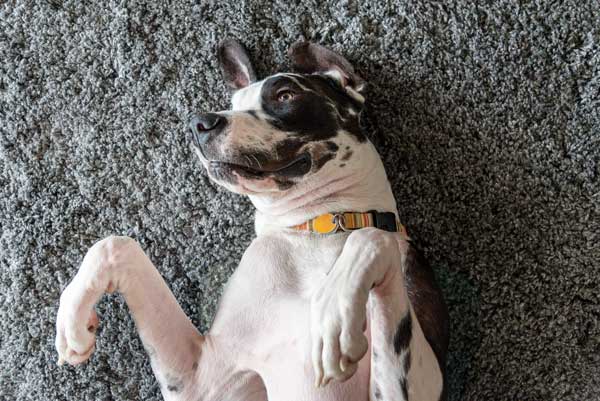
Image Source: aromacaresolutions.co.uk
Easy Ways How To Get Rid Of Old Dog Smell
What is old dog smell? Old dog smell refers to a persistent, often unpleasant odor that can emanate from a dog and its environment. This scent can be attributed to various factors, including natural body oils, saliva, shedding hair, and environmental residues. Can I get rid of old dog smell completely? Yes, with consistent effort and the right cleaning strategies, you can significantly reduce and often eliminate old dog smell from your home and your pet.
That distinct aroma, sometimes affectionately called “eau de canine,” can be a challenge for even the most devoted dog owners. While a clean dog usually smells neutral, over time, their natural oils, combined with environmental factors, can create a lingering scent that permeates your home. This guide will walk you through effective methods to tackle dog odor removal and eliminate dog smell from your living space, ensuring a fresher, more pleasant environment for everyone. We’ll cover everything from dog dander removal to dealing with house training odor and pet urine smell, offering a comprehensive approach to a fresher home.
The Science Behind the Scent: Why Do Dogs Smell?
Before we dive into solutions, it’s helpful to understand what causes that characteristic doggy odor. It’s not just one thing; it’s a combination of factors:
- Sebaceous Glands: Dogs have sebaceous glands all over their bodies, particularly in their skin and hair follicles. These glands produce an oily substance called sebum. Sebum helps to lubricate the skin and coat, keeping it healthy and waterproof. However, this oil can also trap dirt, bacteria, and dead skin cells, contributing to odor.
- Bacteria and Yeast: Your dog’s skin is a natural habitat for various bacteria and yeast. These microorganisms break down sebum and other organic matter, releasing volatile compounds that cause odor. Yeast, in particular, can thrive in warm, moist areas like ears and between toes, leading to a distinct “corn chip” or “cheesy” smell.
- Ear Infections: Infected ears are a common culprit for strong dog odors. The discharge and inflammation associated with ear infections can produce a very pungent smell.
- Skin Conditions: Allergies, fungal infections, and other skin issues can disrupt the natural balance of the skin, leading to increased bacterial or yeast growth and, consequently, a stronger odor.
- Dental Issues: Bad breath from dental problems like gingivitis or tartar buildup can certainly contribute to the overall smell of your dog and, by extension, your home.
- Anal Glands: Dogs have anal glands that release a strong-smelling fluid to mark their territory. If these glands become impacted or infected, they can leak, causing a potent and unpleasant odor.
- Diet and Health: What your dog eats can influence their scent. Certain foods or digestive issues can lead to gas and body odor. Underlying health problems can also manifest as changes in smell.
- Environmental Factors: Dogs pick up scents from their environment – grass, dirt, other animals, and even moisture. These external odors can cling to their fur and contribute to the overall smell.
Tackling the Source: Grooming for Odor Control
The most effective way to combat old dog smell is to start with your furry friend. Regular and proper grooming is paramount.
Regular Baths: The Cornerstone of Cleanliness
Bathing your dog is a direct way to remove accumulated dirt, oils, and odor-causing bacteria.
- Frequency: The ideal bathing frequency varies depending on your dog’s breed, coat type, activity level, and skin condition. For most dogs, a bath every 4-8 weeks is sufficient. Over-bathing can strip their skin of natural oils, leading to dryness and irritation, which can paradoxically worsen odor.
- Shampoo Choice:
- Oatmeal Shampoos: Soothing and moisturizing, good for dogs with dry or sensitive skin.
- Deodorizing Shampoos: Specifically formulated with ingredients to neutralize odors. Look for those with natural odor-fighting agents.
- Veterinary Shampoos: If your dog has a specific skin condition causing odor, your vet may recommend a medicated shampoo.
- Technique:
- Brush First: Always brush your dog thoroughly before bathing to remove loose hair and debris. This also helps prevent mats from tightening when wet.
- Lukewarm Water: Use lukewarm water. Too hot can be uncomfortable, and too cold can be a shock.
- Avoid Eyes and Ears: Be careful not to get water or shampoo in your dog’s eyes or ears. You can use cotton balls gently placed in their ears for protection.
- Lather Thoroughly: Work the shampoo into a rich lather, paying special attention to areas prone to odor like the tail, paws, and under the chin.
- Rinse Completely: This is crucial. Any leftover shampoo residue can irritate the skin and attract more dirt. Rinse until the water runs clear and there are no suds.
- Towel Dry: Use absorbent towels to dry your dog. For long-haired breeds, a hairdryer on a low, cool setting can be helpful, but ensure it doesn’t frighten your dog.
Brushing: More Than Just a Pretty Coat
Brushing is a daily or near-daily activity that significantly impacts odor.
- Removes Loose Hair: Shedding is natural, but loose, dead hair traps odors and dander. Regular brushing removes this before it can spread throughout your home.
- Distributes Natural Oils: Brushing helps to spread the natural, healthy oils produced by the skin and coat, which can improve coat health and reduce the build-up of “stale” oils.
- Reduces Dander: By removing loose hair and skin flakes, brushing helps with dog dander removal, which is a common allergen and contributor to house dust and smell.
- Tools: Choose the right brush for your dog’s coat type: slicker brushes, bristle brushes, pin brushes, and deshedding tools are all options.
Ear Cleaning: A Critical Step
Many dog odors originate from the ears.
- Regular Checks: Check your dog’s ears weekly for redness, discharge, or a foul smell.
- Use a Dog-Specific Ear Cleaner: Never use water or alcohol, as these can be irritating. Your veterinarian can recommend a suitable ear cleaning solution.
- How to Clean:
- Gently lift the ear flap.
- Apply a few drops of the ear cleaner into the ear canal.
- Gently massage the base of the ear for about 20-30 seconds. You might hear a squishing sound, which means the cleaner is working its way down.
- Let your dog shake their head. This helps to dislodge debris.
- Use a cotton ball or a soft cloth to gently wipe away any visible dirt and excess cleaner from the outer ear and the ear flap. Do not insert anything into the ear canal itself.
Paw and Mouth Care
- Paw Cleaning: After walks, wipe your dog’s paws with a damp cloth to remove dirt and debris. Check between their toes for any trapped moisture or debris that could lead to infections or odors.
- Dental Hygiene: Regular teeth brushing with dog-specific toothpaste is essential. Dental chews and toys can also help. Bad breath can be a sign of underlying dental issues that require veterinary attention.
Deep Cleaning Your Home: Eradicating Odors from the Environment
Even with a clean dog, odors can cling to fabrics, carpets, and surfaces. This is where deep clean dog areas becomes essential.
Deodorize Dog Bedding and Toys
Your dog’s bed is a prime location for odor absorption.
- Wash Frequently: Aim to wash dog bedding, blankets, and washable toys at least once a week, or more often if needed.
- Pre-Soak: For stubborn odors, pre-soak the bedding in a solution of water and white vinegar or a pet-safe enzymatic cleaner before washing.
- Baking Soda Boost: Add a cup of baking soda to the wash cycle along with your regular detergent to help neutralize odors.
- Air Out: Whenever possible, air out dog beds and blankets outdoors on a sunny day. UV rays and fresh air are natural deodorizers.
- Toys: Wash or wipe down hard toys regularly. For plush toys, follow the washing instructions.
Carpets and Upholstery: The Odor Magnets
Carpets and fabric furniture are notorious for trapping smells.
- Vacuum Regularly: Vacuuming daily or every other day is crucial for removing dog dander removal, hair, and surface dirt. Use a vacuum with a HEPA filter for better allergen capture.
- Baking Soda Treatment: Sprinkle baking soda liberally over carpets and upholstered furniture. Let it sit for at least 15-30 minutes (or longer for intense odors) before vacuuming it up. Baking soda is a fantastic natural odor absorber.
- Enzymatic Cleaners: These are your best friends for dealing with pet urine smell and other organic stains and odors. Enzymatic cleaners break down odor-causing molecules at their source. Follow the product instructions carefully, ensuring the area stays moist for the recommended time to allow the enzymes to work.
- Spot Cleaning: For minor accidents or spills, clean them up immediately. Blot the area to absorb as much moisture as possible, then use an enzymatic cleaner. Avoid rubbing, which can spread the stain and odor.
- Steam Cleaning: Periodically steam cleaning your carpets and upholstery can provide a deeper clean and help eliminate dog smell. You can rent a steam cleaner or hire a professional service. Add a pet-safe deodorizing solution to the water tank.
Floors and Hard Surfaces
- Mop Regularly: Mop hard floors (tile, laminate, hardwood) with a solution of warm water and a mild, pet-safe disinfectant or a mixture of water and white vinegar. Vinegar is excellent for neutralizing odors.
- Wipe Down Surfaces: Don’t forget walls, baseboards, and furniture. Wipe them down with a damp cloth and a pet-safe cleaner.
Air Quality: Freshening the Atmosphere
Even after cleaning, residual odors can linger in the air.
- Ventilation: Open windows regularly to allow fresh air to circulate. This is one of the simplest and most effective ways to clear out stale air and odors.
- Air Purifiers: High-quality air purifiers with HEPA filters and activated carbon filters are excellent for trapping airborne particles, including dander, allergens, and odor molecules.
- Natural Deodorizers:
- Baking Soda: Place open boxes of baking soda in inconspicuous areas (e.g., behind furniture, in closets) to absorb odors.
- White Vinegar: Simmering a pot of water with a cup of white vinegar on the stove can help neutralize strong odors in the air.
- Activated Charcoal: Activated charcoal bags or filters are highly effective at absorbing odors without adding a scent.
- Avoid Overpowering Air Fresheners: While tempting, synthetic air fresheners often just mask odors and can contain chemicals that may be irritating to pets and humans. Opt for natural solutions or those specifically designed for pet owners. Look for air fresheners for dogs that use natural essential oils known to be safe for pets in very diluted forms or enzymatic odor neutralizers.
Addressing Specific Odor Challenges
Sometimes, a specific issue requires targeted solutions.
Dealing with House Training Odor and Pet Urine Smell
House training odor and lingering pet urine smell are common challenges. Urine contains ammonia and other compounds that, when broken down by bacteria, produce a strong, persistent odor.
- Immediate Cleanup: The key is to clean up accidents as quickly as possible.
- Blot, Don’t Rub: Absorb as much urine as you can with paper towels or a clean cloth.
- Enzymatic Cleaners are Key: Apply a high-quality enzymatic cleaner generously to the affected area. These cleaners contain enzymes that break down urine molecules into odorless compounds.
- Follow Product Instructions: Most enzymatic cleaners require the treated area to remain damp for a period to allow the enzymes to work effectively. Cover with a damp cloth or plastic wrap if necessary.
- Avoid Ammonia-Based Cleaners: Using ammonia-based cleaners can actually attract your dog back to the spot to re-mark, as urine also contains ammonia.
- Check for Hidden Spots: Use a black light (UV light) in a darkened room to detect old urine stains. Urine residue glows under a black light, allowing you to treat any missed spots.
Tackling “Wet Dog Smell”
That characteristic smell after your dog gets wet is due to bacteria and yeast on their skin.
- Thorough Drying: Dry your dog as thoroughly as possible after they get wet.
- Dry Shampoo/Wipes: For a quick refresh between baths, consider pet-safe dry shampoos or grooming wipes. These can help remove surface oils and odors.
Natural Dog Odor Solutions
Many people prefer natural dog odor solutions that avoid harsh chemicals.
- White Vinegar: As mentioned, white vinegar is a powerful natural deodorizer and disinfectant. Use it diluted in water for cleaning floors and surfaces.
- Baking Soda: A miracle worker for absorbing odors. Use it for carpets, bedding, and even in the washing machine.
- Lemon Juice: The citric acid in lemon juice can help cut through grease and neutralize odors. Dilute fresh lemon juice in water for a natural cleaning spray.
- Hydrogen Peroxide (3% Solution): Diluted hydrogen peroxide can be used for spot cleaning tough stains and odors, but always test it on an inconspicuous area first, as it can sometimes bleach fabrics.
Maintenance and Prevention: Staying Ahead of the Smell
Consistency is key to maintaining a fresh-smelling home.
- Regular Grooming Schedule: Stick to a grooming routine that works for your dog.
- Frequent Vacuuming: Make vacuuming a daily habit, especially in high-traffic areas.
- Wash Bedding Weekly: Keep up with washing your dog’s bedding and favorite blankets.
- Address Accidents Promptly: Never let pet accidents sit.
- Ventilate Your Home: Open windows whenever the weather permits.
- Dietary Review: Ensure your dog is on a high-quality diet. Poor digestion can contribute to body odor. Consult your vet if you suspect dietary issues.
Creating a Fresher Home: A Step-by-Step Approach
Here’s a simple plan to get your home smelling fresh again:
- Groom Your Dog: Start with a clean dog. Bathe them, brush them, clean their ears.
- Wash All Dog Items: Launder all bedding, blankets, and washable toys.
- Vacuum Thoroughly: Vacuum all carpets, rugs, and upholstered furniture.
- Treat Carpets and Upholstery: Apply baking soda, then vacuum. Use enzymatic cleaners for any accident areas.
- Clean Hard Surfaces: Mop floors and wipe down walls and furniture.
- Freshen the Air: Use natural methods like open windows, baking soda, or air purifiers.
By implementing these strategies, you can effectively tackle dog odor removal and enjoy a cleaner, fresher home, free from that persistent old dog smell.
Frequently Asked Questions (FAQ)
Q1: How often should I bathe my dog to prevent odor?
A1: The frequency depends on your dog’s breed, coat, and activity level. For most dogs, bathing every 4-8 weeks is appropriate. Over-bathing can strip natural oils and lead to skin issues.
Q2: What are the best natural solutions for dog odor?
A2: Natural solutions include white vinegar (diluted for cleaning), baking soda (for absorbing odors), and fresh lemon juice (diluted for cleaning).
Q3: My dog has a strong “wet dog smell” even after drying. What can I do?
A3: Ensure you’re drying your dog as thoroughly as possible. For persistent smells, a deodorizing pet shampoo or a pet-safe dry shampoo can help between baths. Regular grooming is key.
Q4: How do I get rid of pet urine smell from my carpets?
A4: The most effective method is to use a high-quality enzymatic cleaner specifically designed for pet urine. Blot up as much urine as possible immediately, then saturate the area with the enzymatic cleaner and let it work according to the product’s instructions.
Q5: Can air fresheners help with dog odor?
A5: While some air fresheners can temporarily mask odors, many use synthetic fragrances that can be irritating to pets. It’s better to address the source of the odor through cleaning and use natural deodorizers or air purifiers with activated carbon filters. If using air fresheners, look for pet-safe options designed to neutralize odors rather than just mask them.
Q6: How do I clean dog dander from my furniture?
A6: Regular vacuuming with a vacuum equipped with a HEPA filter is essential. For fabric furniture, consider using a damp cloth or a lint roller to pick up dander. Upholstery cleaners or steam cleaners can also be effective for deeper cleaning.