
Can you get dog pee out of a sofa? Yes, you absolutely can! Removing dog pee from your sofa is achievable with the right approach and products. The key is to act quickly and use effective cleaning agents that break down the urine crystals and neutralize the odor. This guide will walk you through the steps for successful sofa stain removal and pet odor elimination.
Dealing with dog accidents on your sofa can be frustrating, but it’s a common challenge for pet owners. The good news is that with prompt action and the right cleaning methods, you can effectively tackle these messes. This detailed guide will cover everything you need to know about cleaning pet accidents from your couch, ensuring your furniture looks and smells fresh again. We’ll explore various cleaning techniques, from simple DIY solutions to specialized products, and offer practical couch cleaning tips to prevent future incidents.
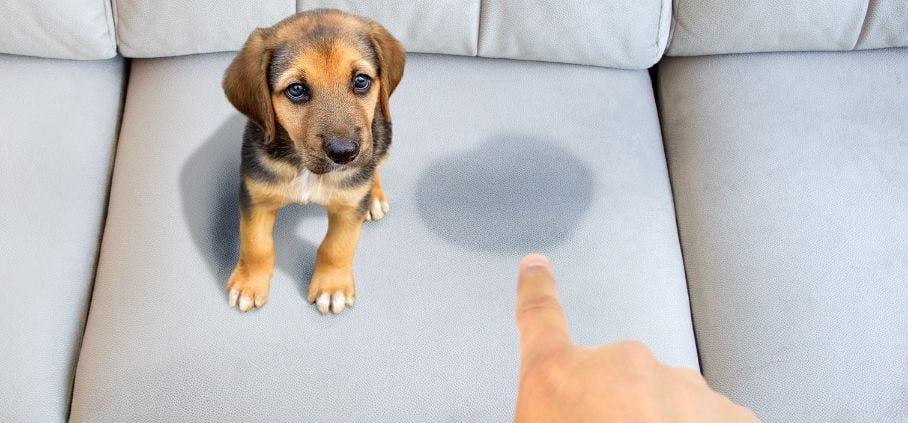
Image Source: fantasticservicesgroup.com.au
The Science Behind Dog Urine and Sofa Stains
Before diving into cleaning methods, it’s helpful to grasp why dog urine is so persistent. Dog urine contains uric acid crystals, which don’t dissolve easily in water. If not properly removed, these crystals can remain in the fabric fibers, reactivating with humidity and causing that lingering dog urine smell. This is where specialized cleaning products, particularly enzyme cleaners, become essential.
Why Uric Acid is Tricky
- Crystallization: Uric acid forms into crystals that stick to fabric.
- Reactivation: Moisture in the air can reactivate these crystals, releasing the odor.
- Color Stains: The pigments in urine can also cause color changes on your sofa fabric.
Immediate Action: The First Line of Defense
When a dog urinates on your sofa, swift action is crucial for effective sofa stain removal. The longer the urine sits, the deeper it penetrates the fabric and padding, making it harder to eliminate the stain and odor completely.
The Blotting Method: Your Best Friend
The most important immediate step is blotting. Do not rub! Rubbing pushes the urine deeper into the upholstery and can spread the stain.
- Gather Supplies: You’ll need clean, white absorbent cloths or paper towels.
- Blot Gently: Press the cloths firmly onto the wet area.
- Replace Cloths: Continue blotting with fresh cloths until no more moisture is absorbed. Work from the outside of the stain inwards to prevent spreading.
- Avoid Over-Wetting: While you want to absorb as much liquid as possible, don’t saturate the sofa with water, as this can also cause damage or spread the stain.
Choosing Your Cleaning Arsenal: From DIY to Professional
Selecting the right fabric cleaner is key to successful upholstery cleaning. You have a range of options, each with its own strengths.
Natural Cleaning Solutions: Gentle and Effective
Many homeowners prefer natural cleaning solutions due to their safety and availability. These can be surprisingly effective for tackling fresh stains.
Vinegar Solution: A Common Household Hero
White vinegar is acidic and can help break down the uric acid crystals.
How to make:
Mix one part white vinegar with one part cool water in a spray bottle.
How to use:
1. Lightly spray the stained area with the vinegar solution.
2. Let it sit for 5-10 minutes.
3. Blot thoroughly with clean cloths until dry.
4. Allow the area to air dry completely. The vinegar smell will dissipate as it dries.
Baking Soda: The Odor Absorber
Baking soda is excellent at absorbing odors and can be used after the vinegar treatment or on its own.
How to use:
1. After blotting up as much urine as possible, generously sprinkle baking soda over the damp area.
2. Let it sit for several hours, or preferably overnight.
3. Vacuum up the baking soda thoroughly.
4. If the odor persists, you can repeat this step.
Commercial Fabric Cleaners: Targeted Solutions
For tougher stains or when natural solutions don’t quite cut it, commercial fabric cleaners designed for upholstery are a good choice.
Enzyme Cleaners: The Ultimate Pet Odor Elimination
Enzyme cleaners are specifically formulated to break down organic matter, including urine. They contain active enzymes that digest the uric acid crystals and other odor-causing compounds, offering superior pet odor elimination.
Key benefits of enzyme cleaners:
* Breaks Down Uric Acid: Targets the source of the odor.
* Eliminates Stains: Effectively removes discoloration.
* Safe for Most Fabrics: Generally safe, but always test in an inconspicuous area.
How to use enzyme cleaners:
1. Read the Label: Always follow the manufacturer’s instructions.
2. Test First: Apply a small amount to a hidden spot on your sofa to check for colorfastness.
3. Apply Generously: Saturate the stained area, ensuring the cleaner penetrates as deeply as the urine did. You might need to use a little more than you think.
4. Let it Work: Enzyme cleaners need time to activate. Allow it to air dry naturally, which can take several hours or even a day or two, depending on the product and humidity. Avoid using heat, as this can kill the enzymes.
5. Blot (if instructed): Some products may require blotting after a certain dwell time.
Other Commercial Cleaners
There are many upholstery cleaning sprays on the market. Look for those specifically designed for pet stains or that claim to neutralize odors.
Tips for using commercial cleaners:
* Ventilation: Ensure the room is well-ventilated.
* Follow Instructions: Adhere strictly to the product’s usage guidelines.
* Rinse (if necessary): Some cleaners may require a light rinse with a damp cloth afterward to remove residue.
Tackling Stubborn Stains and Lingering Odors
Sometimes, even with immediate action, a stain or dog urine smell can persist. This is where a more thorough approach to couch cleaning tips comes in.
Deep Cleaning Techniques
If the initial cleaning isn’t sufficient, you might need to consider deeper cleaning methods.
Upholstery Cleaning Machines
For very soiled sofas or if you frequently deal with pet accidents, renting or purchasing an upholstery cleaning machine can be a worthwhile investment. These machines use water and cleaning solutions to extract dirt and stains.
Important considerations:
* Fabric Compatibility: Ensure your sofa’s fabric is suitable for steam or wet cleaning. Check the manufacturer’s care label.
* Cleaning Solution: Use a cleaning solution recommended for upholstery and pet stains.
* Thorough Drying: Proper drying is crucial to prevent mold and mildew. Open windows and use fans to aid drying.
Dealing with Set-In Stains
Set-in stains are more challenging because the urine has had more time to bond with the fabric fibers.
- Pre-treatment: Apply an enzyme cleaner directly to the stain and let it sit for the recommended time (often several hours or overnight) to begin breaking down the uric acid.
- Blotting and Rinsing: After the pre-treatment, blot the area thoroughly. You might need to gently rinse with a clean, damp cloth to remove loosened residue.
- Repeat if Necessary: Stubborn stains may require multiple treatments.
Eliminating the Dog Urine Smell
Even if a stain is gone, the smell can linger. This is the trickiest part of cleaning pet accidents.
- Enzyme Cleaners are Key: As mentioned, enzyme cleaners are your best bet for true pet odor elimination. They break down the odor-causing molecules rather than just masking them.
- Activated Charcoal: Placing bowls of activated charcoal near the sofa can help absorb lingering odors from the air.
- Sunlight and Fresh Air: If possible, move the sofa or cushions to a sunny spot outdoors for a few hours. Sunlight and fresh air can naturally help neutralize odors.
What About Different Sofa Materials?
The type of fabric your sofa is made from will influence the cleaning methods you can use. Always check the care tag for specific instructions.
Synthetic Fabrics (Polyester, Nylon, Acrylic)
These fabrics are generally more durable and easier to clean.
- Cleaning Codes: Look for “W” (water-based cleaner), “S” (solvent-based cleaner), “W/S” (both), or “X” (vacuum only).
- Water-Based Cleaning: For “W” coded fabrics, water-based solutions like the vinegar mix or commercial upholstery cleaners are usually safe.
- Solvent-Based Cleaning: For “S” coded fabrics, use a dry cleaning solvent. Test thoroughly.
Natural Fabrics (Cotton, Linen, Wool, Silk)
These fabrics can be more delicate and prone to water stains or shrinkage.
- Cotton and Linen: Can usually handle water-based cleaning, but test for colorfastness first. Avoid harsh scrubbing.
- Wool: Often requires a solvent-based cleaner or professional cleaning. Water can cause felting.
- Silk: Extremely delicate. Professional cleaning is almost always recommended for silk upholstery, especially for pet accidents.
Leather Sofas
Leather requires a different approach.
- Immediate Blotting: Absorb as much liquid as possible with a soft cloth.
- Mild Soap and Water: For minor stains, a solution of mild soap (like saddle soap or a very mild dish soap) and water can be used. Wipe with a damp cloth, then dry immediately with a clean, dry cloth.
- Leather Cleaner: Use a specialized leather cleaner for tougher stains or odors.
- Conditioning: After cleaning, condition the leather to restore moisture and prevent cracking.
- Enzyme Cleaners on Leather? Be cautious. Some enzyme cleaners might be too harsh for certain leather finishes. Always test in a hidden area and ensure it’s specifically labeled as safe for leather.
Preventative Measures: Keeping Your Sofa Clean
The best defense is a good offense. Here are some ways to prevent future accidents and protect your sofa.
Training and Supervision
- Consistent Potty Training: Reinforce your dog’s potty training routine.
- Supervision: Keep a close eye on your dog, especially when they are indoors. Look for signs they need to go out.
- Crate Training: A crate can be a safe space for your dog and prevent accidents when unsupervised.
Physical Barriers and Protection
- Waterproof Covers: Invest in high-quality, waterproof sofa covers or throws. These are washable and provide an excellent barrier against accidents.
- Pet Beds: Encourage your dog to use their own comfortable bed, which can help redirect them from the sofa.
- Bitter Sprays: Some dogs are deterred by the taste of bitter sprays. You can lightly spray the areas where accidents tend to happen (after cleaning), but always test this on a small area of the fabric first.
Common Mistakes to Avoid When Cleaning Dog Pee
- Using Ammonia-Based Cleaners: Ammonia is a component of urine, so using ammonia-based cleaners can actually attract your dog back to the same spot to urinate again.
- Using Heat: Avoid using steam cleaners or hot water unless the product specifically advises it. Heat can set protein stains and odors, making them permanent.
- Rubbing the Stain: As emphasized, always blot, never rub.
- Not Testing First: Always test any cleaning product on an inconspicuous area of your sofa before applying it to the main stain.
- Over-Wetting: Excessive moisture can damage sofa padding and cause mildew.
Frequently Asked Questions (FAQ)
Q1: How quickly should I clean up dog pee from the sofa?
A1: As soon as you notice it. The sooner you act, the easier it will be to remove the stain and odor.
Q2: Can I use a regular carpet cleaner on my sofa?
A2: It depends on the carpet cleaner and your sofa’s fabric. Always check the label of the carpet cleaner to see if it’s suitable for upholstery. It’s best to use products specifically designed for upholstery or pet stains.
Q3: How do I know if my sofa fabric can be cleaned with water?
A3: Look for the manufacturer’s care tag on your sofa. It will have a cleaning code (e.g., W, S, W/S, X). ‘W’ means water-based cleaners are safe.
Q4: Will baking soda and vinegar completely remove the dog urine smell?
A4: They can significantly reduce the odor, especially for fresh stains. For persistent or old odors, an enzyme cleaner is generally more effective as it breaks down the odor-causing molecules.
Q5: How long does an enzyme cleaner need to work?
A5: This varies by product. Many require several hours, or even overnight, to allow the enzymes to break down the organic matter. Always follow the specific product instructions.
Q6: My dog peed on a leather sofa. What should I do?
A6: Blot up the excess immediately. Then, use a cleaner specifically designed for leather or a very mild soap and water solution. Dry thoroughly and consider conditioning the leather afterward. Always test in a hidden spot first.
By following these detailed steps and tips, you can effectively tackle dog pee stains and odors, restoring your sofa to its clean and fresh state. Remember that consistency in cleaning and proactive prevention are key to a happy, healthy, and clean home for both you and your furry friend.