
How long does it take a dog to digest food? Generally, it takes a dog between 4 to 12 hours for food to pass through its stomach and enter the small intestine. The entire digestive process, from ingestion to elimination, can take anywhere from 12 to 36 hours.
The journey of food through your dog’s body is a fascinating and vital process. Understanding dog digestion times is crucial for pet parents to ensure their furry companions are healthy and happy. Several factors influence how efficiently and quickly your dog’s canine digestive system works. This article will delve into the intricacies of canine digestion, exploring what influences the speed, what to expect, and when to consult a veterinarian.
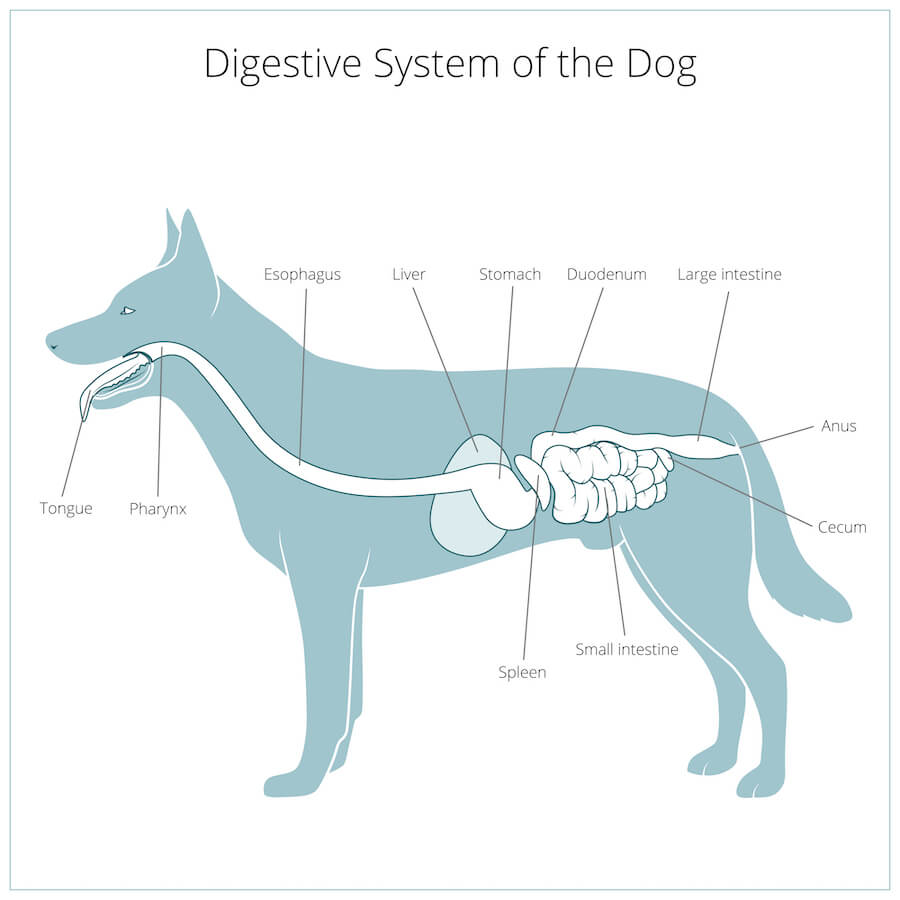
Image Source: blog.myollie.com
Deciphering the Canine Digestive Pathway
The canine digestive system is remarkably efficient, designed to break down food and extract essential nutrients. This complex system involves several organs working in harmony.
The Mouth: The Starting Point
Digestion begins the moment food enters the mouth. Chewing, or mastication, breaks down food into smaller pieces, increasing the surface area for enzymes to act upon. Saliva plays a role too, moistening the food and containing initial digestive enzymes, though its role is less significant than in humans.
The Esophagus: The Food Highway
Once swallowed, food travels down the esophagus via a process called peristalsis – wave-like muscle contractions. This is a quick journey, typically taking only a few seconds.
The Stomach: The Holding Tank and Blender
The stomach is where a significant portion of digestion occurs. Food can spend a considerable amount of time here, depending on its composition. The stomach secretes gastric juices, including acids and enzymes like pepsin, to break down proteins. Muscular contractions churn the food, creating a semi-liquid mixture called chyme. This is where we can ask: how long does dog food stay in the stomach? This varies greatly, but as a general guideline, food can remain in the stomach for 2 to 6 hours.
The Small Intestine: Nutrient Absorption Central
From the stomach, chyme moves into the small intestine, a long, coiled tube where most nutrient absorption takes place. Here, enzymes from the pancreas and the intestinal walls, along with bile from the liver, further break down carbohydrates, fats, and proteins. The inner lining of the small intestine has folds and villi, which vastly increase the surface area for efficient absorption of nutrients into the bloodstream. This stage can last from 1 to 4 hours.
The Large Intestine: Water Absorption and Waste Formation
Undigested material then moves into the large intestine. Its primary role is to absorb water and electrolytes from the remaining indigestible food matter and transmit the useless waste material from the body. Bacteria in the large intestine also play a role, fermenting some of the remaining carbohydrates and synthesizing certain vitamins. This phase can take several hours.
The Rectum and Anus: The Exit Route
Finally, the waste material, now known as feces, is stored in the rectum before being eliminated from the body through the anus. The timing of dog bowel movements is a key indicator of digestive health.
Factors Influencing Dog Digestion Times
Several elements can affect dog digestion time, making it a variable process for each individual dog.
Type of Food
The composition of the food plays a significant role in how long dog food stays in the stomach and the overall digestion speed.
- Dog Kibble Digestion: Kibble, being dry and often containing carbohydrates and fiber, can take longer to break down compared to wet food. The size and density of kibble pieces can also influence digestion speed.
- Dog Wet Food Digestion: Wet food, with its higher moisture content and often smaller particle size, can sometimes be digested more quickly. However, the fat and protein content in wet food also matters. High-fat meals generally take longer to digest.
Age of the Dog
- Puppy Digestion Speed: Puppies have developing digestive systems and may process food at a different rate than adult dogs. Their systems are still maturing, and they might have more frequent bowel movements. Puppy digestion speed can be influenced by their diet and activity levels.
- Senior Dog Digestion: Older dogs may experience a slowing of their digestive processes due to age-related changes in metabolism and organ function.
Breed and Size
While not as significant as diet, some studies suggest breed and size can have minor impacts on digestion. Larger breeds may have longer intestinal tracts, potentially affecting transit times, but this is not a definitive rule.
Activity Level
A highly active dog will generally have a faster metabolism and a more efficient digestive system, potentially leading to quicker food processing. Conversely, a sedentary dog might experience slower digestion.
Health Status
Underlying health conditions can significantly impact digestion. Illnesses affecting the stomach, intestines, pancreas, or liver can alter dog stomach emptying time and overall digestive transit.
Hydration
Adequate water intake is crucial for proper digestion. Water helps to soften food, facilitate the movement of waste through the intestines, and prevent constipation.
Stress and Environment
Just like in humans, stress can affect a dog’s digestive system. Changes in routine, environment, or anxiety can lead to digestive upset or altered transit times.
Typical Dog Digestion Timelines
Let’s break down the general timelines for different stages of digestion:
Stomach Emptying Time
Dog stomach emptying time is a crucial part of the overall digestion process. As mentioned, this can range from 2 to 6 hours. Factors like the fat content of the meal heavily influence this. A high-fat meal will take longer to leave the stomach compared to a lean protein meal.
Small Intestine Transit Time
After leaving the stomach, food spends approximately 1 to 4 hours in the small intestine for nutrient absorption.
Large Intestine Transit Time
The large intestine is where the final absorption of water occurs and waste is formed. This stage can take anywhere from 6 to 12 hours, sometimes longer.
Total Digestion Time
Combining these stages, the total time it takes for food to be digested and eliminated can range from 12 to 36 hours.
What to Expect: Normal Bowel Movements and Stool Consistency
Observing your dog’s dog bowel movements and dog poop consistency is one of the easiest ways to gauge their digestive health.
Frequency of Bowel Movements
For most adult dogs, one to three bowel movements per day are considered normal, often occurring after meals. Puppies may have more frequent movements due to their faster metabolism and smaller size.
Ideal Stool Consistency
A healthy stool should be firm, well-formed, and easy to pick up. It should have a chocolate-brown color.
Here’s a quick guide to dog poop consistency:
| Consistency | Description | Potential Cause |
|---|---|---|
| Ideal (Log-like) | Firm, moist, holds its shape, with slight indentations from the ground. | Balanced diet, healthy digestion. |
| Soft (Muddy/Messy) | Lacks firm shape, may be mushy or leave residue on the ground. | Too much moisture, rapid transit, mild digestive upset, dietary change. |
| Loose/Watery (Diarrhea) | Liquidy or watery, may be accompanied by straining or urgency. | Bacterial or viral infection, parasites, dietary indiscretion, stress, food allergies. |
| Hard/Dry (Constipated) | Small, hard, pebble-like stools. May require straining to pass. | Dehydration, lack of fiber, blockages, underlying medical issues. |
| Mucus Present | Small amount of clear or white mucus might be normal, but excessive amounts are not. | Irritation in the intestines, infection, parasites, stress. |
| Blood Present | Bright red blood indicates fresh bleeding, dark or tarry blood indicates digested. | Internal bleeding, ulcers, parasites, inflammation, foreign body. |
Optimizing Your Dog’s Digestion: Dietary Considerations
Proper nutrition is paramount for a healthy digestive system and optimal dog digestion time. Understanding your dog’s dog dietary needs is the first step.
Choosing the Right Food
- High-Quality Ingredients: Opt for dog foods with high-quality protein sources, digestible carbohydrates, and healthy fats. Avoid foods with excessive fillers, artificial colors, and preservatives.
- Appropriate Fiber Content: Fiber aids in digestion and helps maintain regular bowel movements. However, too much fiber can also cause issues. The right balance is key.
- Probiotics and Prebiotics: These beneficial bacteria and fibers can support a healthy gut microbiome, improving nutrient absorption and digestion.
Feeding Practices
- Portion Control: Overfeeding can lead to digestive upset and obesity. Follow feeding guidelines on the food packaging or consult your veterinarian for tailored recommendations.
- Regular Feeding Schedule: Feeding your dog at consistent times each day can help regulate their digestive system.
- Avoid Sudden Diet Changes: If you need to switch your dog’s food, do so gradually over a week to allow their digestive system to adjust.
Hydration
Always ensure your dog has access to fresh, clean water. This is especially important for dogs eating dry kibble.
When to Seek Veterinary Advice
While a healthy digestive system is robust, certain signs warrant a visit to your veterinarian.
- Persistent Vomiting or Diarrhea: If your dog is vomiting or has diarrhea for more than 24-48 hours, or if there is blood present, seek veterinary care immediately.
- Changes in Appetite: A significant loss of appetite or an excessive increase in appetite can indicate digestive issues.
- Weight Loss or Gain: Unexplained changes in weight can be a symptom of underlying digestive or metabolic problems.
- Lethargy or Weakness: A dog that is unusually tired or weak may be suffering from a digestive ailment affecting nutrient absorption.
- Abdominal Pain or Bloating: If your dog shows signs of discomfort when their abdomen is touched, or if they appear bloated, it’s a cause for concern.
- Changes in Stool Consistency or Color: While minor fluctuations can occur, persistent changes in dog poop consistency or the presence of blood or mucus should be evaluated by a vet.
Frequently Asked Questions (FAQ)
Q1: Can my dog’s digestion speed change?
A1: Yes, your dog’s digestion speed can change based on factors like age, diet, activity level, and health status.
Q2: How does stress affect my dog’s digestion?
A2: Stress can disrupt the normal functioning of the canine digestive system, sometimes leading to faster or slower digestion, diarrhea, or constipation.
Q3: Is it normal for my dog to poop after every meal?
A3: It is common for dogs to have dog bowel movements within a few hours of eating, especially puppies. However, if it happens immediately after every single meal, it’s worth discussing with your vet to rule out rapid transit.
Q4: What are the signs of poor digestion in dogs?
A4: Signs of poor digestion include vomiting, diarrhea, constipation, changes in appetite, lethargy, unexplained weight loss or gain, and changes in dog poop consistency.
Q5: How long does it take for a dog to digest chicken?
A5: The digestion time for specific foods like chicken can vary. Generally, lean proteins are digested relatively quickly. A meal of primarily chicken might be processed faster than a meal high in fat or complex carbohydrates. However, the exact timing depends on the overall diet and the individual dog.
Q6: What is the role of fiber in a dog’s diet?
A6: Fiber is crucial for promoting regular dog bowel movements, adding bulk to the stool, and supporting a healthy gut environment. It helps prevent both constipation and diarrhea.
Q7: Can I feed my dog human food?
A7: While some human foods are safe in moderation, many can be harmful or difficult for dogs to digest. It’s best to stick to high-quality dog food formulated to meet their specific dog dietary needs. If you do offer human food, ensure it is plain, cooked, and non-toxic.
By paying attention to your dog’s eating habits, stool consistency, and overall behavior, you can better monitor their digestive health and ensure they are thriving. Always consult with your veterinarian if you have any concerns about your dog’s digestion or health.