
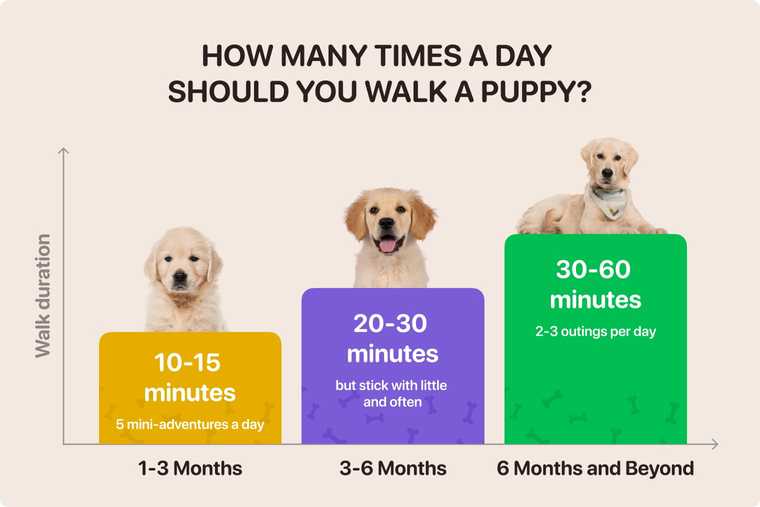
Image Source: www.woofz.com
How Often Should You Take A Dog Out? Your Ultimate Guide to Dog Potty Schedules
The fundamental question of how often you should take your dog out for potty breaks is primarily answered by their age, breed, health, and individual bladder control. Generally, puppies need more frequent trips outside than adult dogs.
Establishing a consistent dog potty schedule is crucial for a happy, well-behaved dog and a clean home. Whether you’re bringing home a new puppy or have a senior dog with changing needs, this guide will help you master the art of timing those essential dog outdoor bathroom times. We’ll delve into puppy bladder control, senior dog bathroom breaks, and general dog elimination needs to ensure your furry friend stays comfortable and accidents are kept to a minimum.
The Essentials of a Dog Potty Schedule
A well-structured dog house training routine isn’t just about preventing accidents; it’s about building trust and reinforcing good habits. Consistency is king. Dogs thrive on routine, and knowing when to expect their potty breaks can significantly reduce anxiety and improve their overall well-being. This predictability helps them understand what’s expected of them, making the entire process smoother for both you and your canine companion.
Factors Influencing Potty Break Frequency
Several key factors dictate how often your dog needs to relieve themselves:
- Age: This is the most significant factor. Puppies have small bladders and limited control, while senior dogs may experience a decline in bladder control.
- Breed and Size: Smaller breeds often have smaller bladders and need to go out more frequently than larger breeds.
- Diet and Hydration: What and how much your dog eats and drinks directly impacts their need to urinate.
- Health Status: Certain medical conditions can increase urination or cause incontinence.
- Activity Level: A more active dog might need more frequent breaks.
- Environment: Temperature, stress, and excitement can all influence dog pee breaks.
Decoding Puppy Potty Training Frequency
Puppy potty training frequency is a marathon, not a sprint. Their tiny bladders are still developing, and they haven’t learned to hold it yet. Expect to be outside a lot in the early stages.
The Age-Based Rule of Thumb
A common guideline for puppy potty training frequency is to take them out every hour for every month of their age, plus one hour.
- 8-week-old puppy: Potentially every 1-2 hours.
- 12-week-old puppy (3 months): Potentially every 3-4 hours.
- 6-month-old puppy: Potentially every 5-6 hours.
However, this is a general rule. Some puppies can hold it longer, and others will need even more frequent trips. The key is observation and vigilance.
Key Times for Puppy Potty Breaks
Beyond the age-based rule, specific times are critical for taking your puppy out:
- First thing in the morning: As soon as they wake up.
- Last thing at night: Before you go to bed.
- After waking from naps: They often need to go immediately after waking.
- After playing or excitement: Physical activity stimulates their bladder.
- After eating or drinking: Digestion also triggers the need to eliminate.
- After being crated: They will likely need to go as soon as they are released.
- Before bedtime: To minimize overnight accidents.
Creating a Puppy Potty Schedule
A sample puppy potty training schedule might look like this:
| Time | Activity | Potty Break? | Notes |
|---|---|---|---|
| 7:00 AM | Wake up, immediately go outside with puppy | Yes | Praise and reward success! |
| 7:30 AM | Breakfast | ||
| 8:00 AM | Playtime | Yes | After play, out they go. |
| 9:00 AM | Short nap | ||
| 10:00 AM | Wake up from nap, immediately go outside | Yes | |
| 10:30 AM | Crate time or quiet play | ||
| 11:30 AM | Lunch | ||
| 12:00 PM | Go outside after eating | Yes | |
| 1:00 PM | Playtime/Training | Yes | After training session, out they go. |
| 2:00 PM | Nap | ||
| 3:00 PM | Wake up, immediately go outside | Yes | |
| 3:30 PM | Free time/Walk | ||
| 4:30 PM | Go outside before dinner | Yes | Especially if they had water. |
| 5:00 PM | Dinner | ||
| 5:30 PM | Go outside after eating | Yes | |
| 6:30 PM | Evening play | Yes | Before settling down. |
| 8:00 PM | Last chance before bedtime | Yes | Make it a calm, rewarding experience. |
| 10:00 PM | Overnight – potential middle-of-night break | Maybe | Depending on age and bladder control. |
This is just a template. Adjust it based on your puppy’s cues and needs.
Recognizing Potty Cues
Puppies will often signal when they need to go. Look out for:
- Whining or barking.
- Pacing.
- Circling.
- Sniffing the ground intently.
- Going towards the door.
- Suddenly stopping play.
When you see these signs, grab your leash and head outside immediately!
Adult Dog Bathroom Breaks: Finding the Right Rhythm
Once your dog is past the puppy stage and house training routine is established, the frequency of dog pee breaks can increase. Most adult dogs can hold their bladder for 4-6 hours, but this can vary.
The 4-6 Hour Guideline
A good general rule for adult dogs is to take them out every 4 to 6 hours. However, this is not a rigid rule. Factors like breed, activity, and even weather can influence this.
- Smaller Breeds: Might need to go out every 3-4 hours.
- Larger Breeds: May be able to go 6-8 hours, but regular breaks are still recommended.
- High Activity Dogs: Those who exercise intensely may need more frequent breaks to prevent discomfort.
Establishing an Adult Dog Potty Schedule
A typical adult dog potty schedule often includes:
- Morning: First thing upon waking.
- Mid-morning: Before leaving for work, if applicable.
- Lunchtime: If someone is home or a dog walker is used.
- Afternoon: Upon returning home.
- Evening: Before dinner.
- After Dinner: To aid digestion.
- Late Evening: Before bed.
This typically adds up to 4-6 trips outside per day, but it’s essential to remain observant.
What Affects Adult Dog Elimination Needs?
- Water Intake: Dogs who drink more water will naturally need to urinate more often. Don’t restrict water unless advised by your vet, but be mindful of their intake.
- Diet: High-fiber diets can sometimes lead to more frequent bowel movements.
- Exercise: A good walk can stimulate the bowels and bladder.
- Stress/Anxiety: Some dogs may urinate more when stressed or anxious.
- Weather: Cold weather can sometimes make dogs need to go more often, as their bodies work to stay warm.
Senior Dog Bathroom Breaks: Adapting to Age
As dogs age, their bodies change, and so do their dog elimination needs. Senior dog bathroom breaks require a compassionate and flexible approach.
Common Changes in Senior Dogs
- Reduced Bladder Control: Muscles that control the bladder can weaken with age, leading to accidents.
- Increased Urination: Certain health conditions common in senior dogs, like kidney disease or diabetes, can cause increased thirst and urination.
- Mobility Issues: Arthritis or other painful conditions can make it difficult for older dogs to signal they need to go or to get outside quickly.
- Cognitive Decline: Some senior dogs may experience confusion or forget their dog toilet training habits.
Adjusting the Schedule for Seniors
For senior dog bathroom breaks, you’ll likely need to increase the frequency of potty trips.
- More Frequent Trips: Consider taking your senior dog out every 2-3 hours, even if they haven’t shown signs of needing to go.
- Easier Access: Ensure they can easily get outside. If they have mobility issues, consider ramps or help them up and down stairs.
- Nighttime Breaks: Many senior dogs will need at least one, and sometimes more, middle-of-the-night potty breaks.
- Calm Environment: Keep potty breaks calm and reassuring, especially if they have accidents. Avoid punishment, which can increase anxiety.
Tips for Senior Dog Potty Breaks
- Consistent Routine: Stick to a regular schedule as much as possible.
- Designated Potty Spot: Always take them to the same spot to help them focus.
- Positive Reinforcement: Continue to praise and reward successful potty breaks.
- Potty Pads/Doggy Doors: Consider using potty pads indoors or installing a doggy door for easier access if needed.
- Consult Your Vet: Discuss any sudden changes in urination or accidents with your veterinarian to rule out underlying health issues.
When to Worry: Signs of Potential Issues
While a consistent dog potty schedule is the goal, sometimes changes can indicate a problem. Be aware of:
- Sudden Increases in Frequency: If your dog suddenly needs to go out much more often than usual.
- Straining or Difficulty Urinating/Defecating: This could signal a urinary tract infection (UTI), blockages, or constipation.
- Blood in Urine or Stool: Always a cause for concern.
- Accidents After Being House-Trained: If a well-trained dog suddenly starts having accidents indoors.
- Loss of Interest in Going Outside: This could indicate pain or discomfort.
- Increased Drinking: Excessive thirst can be a symptom of several serious conditions.
If you notice any of these signs, contact your veterinarian immediately. They can diagnose any underlying medical issues and offer solutions.
Mastering Dog Poop Frequency
While urine breaks are about frequency, dog poop frequency is also an important indicator of health.
What’s Normal for Dog Poop Frequency?
Most adult dogs will defecate once to twice a day. This can vary based on diet and activity.
- Puppies: May have more frequent bowel movements as they are still developing their digestive systems and processing food.
- Diet Changes: A sudden change in food can temporarily alter dog poop frequency.
- Exercise: Regular walks can stimulate bowel movements.
When to Consult a Vet About Poop
- No Bowel Movements for 24-48 Hours: This could indicate constipation.
- Diarrhea: Especially if it’s persistent, contains blood, or is accompanied by lethargy.
- Pale or Clay-Colored Stool: Can indicate liver or gallbladder issues.
- Black, Tarry Stool: Suggests bleeding in the upper digestive tract.
- Hard, Small, Dry Stools: Signs of constipation.
- Mucus or Foreign Objects: In the stool.
A healthy stool is usually firm, moist, and log-shaped, typically chocolate brown.
The Art of Reading Your Dog’s Cues
Regardless of age or breed, the best way to perfect your dog potty schedule is to become a keen observer of your dog’s individual cues. Every dog is different, and what works for one might not work for another.
Observing Body Language
Pay close attention to your dog’s subtle signals. These can include:
- Restlessness: Pacing or fidgeting.
- Mounting a specific spot: They might repeatedly sniff or stand over a particular patch of floor.
- A sudden pause in activity: They might stop playing or eating abruptly.
- Circling: A classic sign many dogs use.
- Staring at you intently: Some dogs will just stare until you figure it out.
Listening to Vocalizations
- Whining: A common sign of needing to go out.
- Barking: Some dogs will bark specifically to indicate they need a potty break.
Timing is Everything
When you observe these cues, act fast! Take your dog outside immediately to their designated potty spot. A quick, positive experience outside can prevent a mess indoors and reinforce their dog toilet training habits.
Traveling and Potty Breaks
Traveling can disrupt even the most established dog potty schedule. Here’s how to manage:
- Frequent Stops: Plan for frequent stops every 2-3 hours during car travel.
- Leashed Walks: Always keep your dog on a leash during stops, even in unfamiliar areas, as they may be disoriented or attracted by new scents.
- Designated Potty Areas: Look for rest stops with designated pet areas if available.
- Familiar Scents: Bring a familiar blanket or toy to help your dog feel more secure in new environments.
- Potty Pads in the Car: For puppies or senior dogs, consider using potty pads in the car or in their crate during travel for added protection.
Frequently Asked Questions About Dog Potty Schedules
Q1: My puppy has accidents even though I take them out frequently. What am I doing wrong?
It’s common for puppies to have accidents, especially during puppy potty training. Ensure you’re taking them out before they have a chance to signal or go inside. Be proactive. Also, make sure you’re using positive reinforcement (praise and treats) immediately after they eliminate outside. Clean up accidents thoroughly with an enzymatic cleaner to eliminate odors that might attract them back to the same spot.
Q2: Can I leave my adult dog alone for 8 hours while I work?
Most adult dogs can hold their bladder for 6-8 hours, but it’s not ideal for them to go that long every day. If you must be gone for 8 hours, consider hiring a dog walker for a midday break or arranging for a family member or friend to let them out. If your dog has been trained to use potty pads, that can be an option, though outdoor breaks are generally preferred for a complete dog toilet training habits reinforcement.
Q3: My senior dog is having more accidents. Should I go back to puppy training methods?
To some extent, yes. You’ll need to increase the frequency of senior dog bathroom breaks and be more vigilant about their cues. However, instead of strict house training routine enforcement, focus on making potty times as easy and stress-free as possible. Keep a consistent schedule and provide plenty of positive reinforcement for successful outings. Consult your vet to rule out any medical reasons for the increased accidents.
Q4: How do I handle dog poop frequency when my dog eats a new food?
When changing your dog’s food, do so gradually over 7-10 days. Mix a small amount of the new food with the old, slowly increasing the new food and decreasing the old. This transition period should help minimize digestive upset and changes in dog poop frequency. If problems persist, consult your vet.
Q5: What are the most important times for puppy potty training frequency?
The most critical times are: immediately upon waking, after eating or drinking, after playing, after waking from a nap, and right before bedtime. These moments are when their bladders are most likely to be full or stimulated.
Q6: How often should I take my dog out in the heat?
In hot weather, it’s wise to take your dog out more frequently for shorter periods. Avoid peak heat hours. Ensure they have access to water before and after their breaks. Always watch for signs of overheating, such as excessive panting or lethargy.
Q7: My dog always eliminates in the same spot indoors. What’s the solution?
This usually means the area wasn’t cleaned thoroughly enough with an enzymatic cleaner designed to break down pet waste. Residual odors can encourage them to go there again. Purchase a good enzymatic cleaner and soak the affected area completely. For dog house training routine, it’s also important to interrupt them if you catch them about to go indoors and immediately take them outside.
Q8: Can my dog’s breed affect their potty schedule?
Yes, absolutely. Smaller breeds, like Chihuahuas or Yorkshire Terriers, have smaller bladders and tend to need more frequent dog pee breaks. Larger breeds, like Great Danes or Mastiffs, often have better bladder control and can go longer between breaks.
By following these guidelines and paying close attention to your dog’s individual needs, you can establish a successful dog potty schedule that promotes a clean home and a happy, healthy pet. Remember, patience, consistency, and positive reinforcement are your best tools.