
Image Source: lirp.cdn-website.com
Dog Behavior: Why Does a Dog Sit On Another Dog?
A dog sits on another dog primarily for a combination of social signaling, comfort, and play, rather than solely indicating “dog dominance behavior.” While it might appear as a display of canine social hierarchy, this action is rarely a straightforward assertion of being the alpha dog behavior in the way humans often interpret it. Instead, it’s a nuanced aspect of dog to dog interaction that can stem from several underlying motivations.
Deciphering the Piling Phenomenon
The act of one dog resting on another, often referred to as “puppy piling behavior” when it involves multiple dogs or younger ones, is a fascinating display of canine communication. It’s not always about establishing dominance, though that can be a component in some instances. Let’s delve deeper into the various reasons why dogs might choose to use their canine companions as living furniture.
Social Dynamics and Hierarchy
While the idea of a strict, rigid pack mentality dogs adhere to with a single alpha is largely outdated in modern canine behavioral science, social dynamics still play a significant role. Dogs are inherently social creatures, and their interactions are governed by a complex web of cues and responses.
Establishing Position in the Group
In some situations, a dog might sit on another to signal its current perceived position within the social dynamic. This isn’t necessarily about exerting absolute control but about defining space and asserting a level of confidence. The dog being sat upon might display dog submissive postures if it feels less secure or is indeed lower in the immediate social pecking order.
- Subtle Assertions: These aren’t usually aggressive acts. They can be as simple as a brief press or a more prolonged resting. The receiving dog’s reaction is key to interpreting the intent.
- Resource Guarding Tendencies: In rarer cases, this behavior can be linked to subtle resource guarding. If the dominant dog feels another dog is too close to a valued resource (like a favorite toy or a prime resting spot), they might sit on them to subtly move them away.
Pack Mentality Nuances
The concept of a “pack” in domestic dogs differs from that of wolves. Domestic dogs often form fluid social groups with shifting dynamics. Understanding these nuances helps us interpret actions like one dog sitting on another. It’s less about a constant power struggle and more about maintaining equilibrium and clear communication within their social unit.
Comfort and Security
One of the most common and often overlooked reasons for dogs sitting on each other is simply comfort and a feeling of security. Dogs, especially puppies, are highly attuned to physical closeness and warmth.
Seeking Warmth
When dogs pile together, they are effectively creating a shared heat source. This is particularly evident in puppies or in colder environments. The physical contact helps regulate their body temperature, mimicking the warmth they received from their mother and littermates.
- Littermate Closeness: Puppies naturally pile on top of each other for warmth and security. This behavior often carries over into adulthood, especially with dogs who have a strong bond.
- Shared Resting Spots: If a dog finds a particularly comfortable or sunny spot, they might try to occupy it fully, which can involve resting on a nearby companion.
Feeling Safe and Secure
The presence of another familiar and trusted dog can provide a sense of security. By physically leaning on or sitting on a companion, a dog might be seeking reassurance and a feeling of being grounded. This is especially true for dogs who may have anxieties or insecurities.
- Anxiety Reduction: Physical contact can be incredibly calming for dogs. Having another dog present and being in close physical contact can help alleviate stress.
- Bond Reinforcement: This close proximity and physical contact also reinforce the bond between the dogs. It’s a way of saying, “You are my friend, and I feel safe with you.”
Play and Exploration
Dogs use their bodies extensively during play, and sitting or leaning on each other is a common part of this. It’s a form of interaction that allows them to explore boundaries and engage with each other.
Play Bows and Body Slamming
While not strictly “sitting,” a dog might playfully lean, nudge, or even briefly sit on another dog as part of a game. This is usually accompanied by clear play dog body language, such as a play bow, wagging tails held high, and relaxed, open-mouthed expressions.
- Initiating or Continuing Play: A dog might sit on another to invite them to play or to keep a game going. The dog underneath will typically respond by wiggling out and re-engaging in play.
- Wrestling and Tumbling: In play wrestling, dogs often end up on top of each other. This can manifest as brief periods of sitting or lying on one another.
Exploring Personal Space
For younger dogs, and even some adults, learning about each other’s boundaries is part of their social development. Sitting on another dog might be a way of testing reactions and understanding how their companion responds to physical pressure.
Reasons for Dog Piling: A Closer Look
Let’s break down the specific motivations behind this common canine behavior.
Social Bonding
The physical contact involved in one dog sitting on another is a powerful tool for social bonding. It’s a non-verbal way of expressing affiliation and strengthening relationships.
- Affectionate Touch: For many dogs, this is simply an act of affection, akin to a hug or cuddling between humans.
- Group Cohesion: In multi-dog households, behaviors like piling can contribute to a sense of group cohesion and belonging.
Comfort Seeking Behavior
Dogs are masters of comfort. If a particular spot is warm, soft, or feels secure, they will gravitate towards it. If that spot happens to be occupied by a willing canine companion, they might decide to share it, with one dog ending up on top.
- Nap Time Tactics: During naps, dogs often seek out the coziest positions. If one dog is already settled, another might try to snuggle in, sometimes resulting in one resting on the other.
- Preference for Body Heat: Dogs are naturally drawn to the warmth of other bodies. Sitting on a companion is an efficient way to absorb their body heat.
Playful Antics
As mentioned earlier, play is a huge driver of dog behavior. The physical interactions during play can often result in one dog temporarily sitting on another.
- Chase and Capture Games: In games of chase or tag, a dog might briefly pin or sit on another as part of the playful pursuit.
- Mouthiness and Wrestling: Playful mouthing and wrestling often involve dogs ending up in various positions relative to each other, including one on top.
When to Be Concerned
While generally a benign behavior, there are instances where one dog sitting on another might warrant closer observation. It’s important to distinguish between playful or comforting behavior and potential signs of aggression or discomfort.
Signs of Distress in the Dog Being Sat On
If the dog underneath is showing signs of stress or discomfort, the behavior is problematic.
- Whining or Yelping: If the dog being sat on cries out or makes distressed noises.
- Stiffening Body: A tense, rigid body indicates the dog is unhappy with the situation.
- Repeated Attempts to Escape: If the dog consistently tries to get away without success.
- Lip Licking or Yawning: These can be signs of anxiety in dogs.
- Growling or Snapping: Obvious signs that the dog has reached its limit.
Signs of Dominance Escalation
While dominance isn’t always the culprit, certain behaviors could indicate it’s a factor to monitor.
- Holding Down Aggressively: If the dog on top is actively preventing the other dog from moving with significant force, not just gentle pressure.
- Staring Intensely: A hard stare can be a precursor to conflict.
- Lack of Reciprocity: If the dog being sat on never gets a chance to sit on the other dog in return, and appears submissive.
- Resource Guarding: If the sitting behavior occurs near valuable resources.
Interpreting Dog Body Language
Observing dog body language is crucial for correctly interpreting why a dog sits on another. The overall demeanor of both dogs provides vital clues.
Relaxed Body Language
- Wagging Tails: A loose, wagging tail (not stiff and high) is usually a positive sign.
- Soft Eyes: Relaxed eyelids and a generally soft gaze.
- Loose Jaws: Open mouths with relaxed panting.
- Play Bows: The classic invitation to play, where the front end is lowered and the rear end is raised.
Tense or Fearful Body Language
- Stiff Body: Rigid posture with tense muscles.
- Tucked Tail: Tail held low or between the legs.
- Whale Eye: Showing the whites of the eyes.
- Ears Pinned Back: Ears held flat against the head.
- Lip Curling/Snarling: Bare teeth displayed.
- Frozen Stance: Sudden stillness can indicate apprehension.
Case Studies: Common Scenarios
Let’s consider some typical situations where you might see one dog sitting on another.
Scenario 1: The Cozy Couch Nap
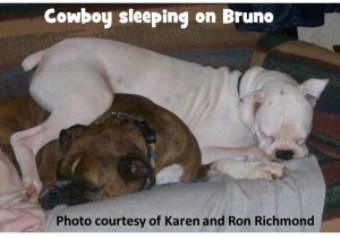
Two dogs, a Labrador and a Beagle, are sharing a soft dog bed. The Beagle, smaller and perhaps feeling a bit chilly, snuggles up to the Labrador. As they settle in, the Beagle ends up partially on top of the Labrador. The Labrador remains relaxed, occasionally sighing contentedly.
- Interpretation: Primarily comfort seeking and social bonding. The Beagle is seeking warmth and proximity, and the Labrador is accepting the closeness.
Scenario 2: The Playful Puppy Pile
Several puppies are tumbling and playing in the yard. One puppy playfully tackles another, ending up in a brief sitting position on its playmate. The puppy underneath immediately wriggles free and continues the chase.
- Interpretation: Playful interaction. This is a normal part of developing social skills and is part of the rough-and-tumble play that puppies engage in.
Scenario 3: The Assertive Adolescent
A younger, more boisterous German Shepherd puppy starts to assert itself around an older, more laid-back Golden Retriever. The German Shepherd might occasionally try to sit on the Golden Retriever, especially when they are both near a desirable toy. The Golden Retriever might initially tolerate it but will eventually move away or give a gentle warning.
- Interpretation: This could be a subtle display of developing dog dominance behavior or testing boundaries. The older dog’s response will be crucial in determining the dynamic. If the Golden Retriever consistently submits without protest, it reinforces the German Shepherd’s assertiveness. If the Golden Retriever sets boundaries, it’s a healthy dog to dog interaction.
Factors Influencing the Behavior
Several factors contribute to whether and how this behavior manifests.
Age
- Puppies: More prone to piling due to warmth, security, and developing social skills. Puppy piling behavior is very common.
- Adult Dogs: Still engage in it, but often for more nuanced social or comfort reasons.
Breed Tendencies
While not absolute, some breeds might exhibit this more than others due to their inherent temperament and social needs. Dogs bred for close companionship or working in groups might be more inclined to physical closeness.
Temperament
Anxious or insecure dogs may seek out physical contact more frequently. Confident dogs might initiate it as a subtle assertion of their place.
Socialization History
Dogs that were well-socialized from a young age are generally better at navigating these interactions and understanding dog body language. Poor socialization can lead to misinterpretations or overly assertive behaviors.
Environment and Resources
The availability of comfortable resting spots, the temperature, and the presence of high-value resources can all influence the likelihood of this behavior occurring.
What Can You Do?
If you have a multi-dog household, observing these interactions is key.
Allow Natural Interactions (Within Reason)
For the most part, if both dogs are comfortable and the interactions are not aggressive, allow them to interact naturally.
Provide Ample Space and Resources
Ensure there are enough comfortable resting spots and resources (toys, food bowls) to minimize potential competition or insecurity.
Intervene If Necessary
If you notice signs of distress, aggression, or persistent unwanted behavior, it’s time to intervene.
- Gentle Redirection: Calmly interrupt the behavior and redirect the dogs to separate activities.
- Positive Reinforcement: Reward both dogs for calm, appropriate interactions.
- Consult a Professional: If you are concerned about aggressive behavior or complex social dynamics, consult a certified professional dog trainer or veterinary behaviorist.
Frequently Asked Questions (FAQ)
Q1: Is it always a sign of dominance when one dog sits on another?
A1: No, it’s rarely a straightforward sign of dog dominance behavior. While social hierarchy can be a factor, it’s more often about comfort, social bonding, or play.
Q2: My puppy likes to pile on my older dog. Is this normal?
A2: Yes, puppy piling behavior is very common. Puppies seek warmth and security from their littermates and will often do this with other dogs in the household. It’s a sign of them feeling comfortable and connected.
Q3: My dog always tries to sit on my other dog’s favorite bed. What does this mean?
A3: This could indicate subtle resource guarding or a desire to claim the most desirable spot. It’s important to observe the dog to dog interaction closely. If the older dog seems bothered, you may need to provide separate, equally appealing beds.
Q4: What is the difference between playful piling and aggressive pinning?
A4: Playful piling usually involves relaxed dog body language, wagging tails, and the dog being sat on can easily get up or play along. Aggressive pinning involves tension, a stiff body, growling, or preventing the other dog from moving against its will.
Q5: How can I stop my dog from sitting on my other dog if I don’t like it?
A5: You can redirect the behavior by calling your dog away and rewarding them for coming to you. Ensure they have their own comfortable resting spots. If the behavior is persistent or causes conflict, seek advice from a dog behaviorist.
In conclusion, the act of one dog sitting on another is a complex behavior with multiple potential meanings, rooted in the natural social instincts and comfort-seeking tendencies of dogs. By carefully observing dog body language and the context of the interaction, you can better interpret these behaviors and ensure a harmonious relationship between your canine companions.