
Does your dog’s cough sound like they are trying to hack up a hairball, similar to what a cat might do? This common canine cough, often described as a “goose honk” or a hacking sound, usually points to irritation or obstruction in the throat or airway. What is this peculiar cough, and what does it mean for your dog’s health? Let’s dive into the reasons behind this sound and what you can do to help your furry friend.
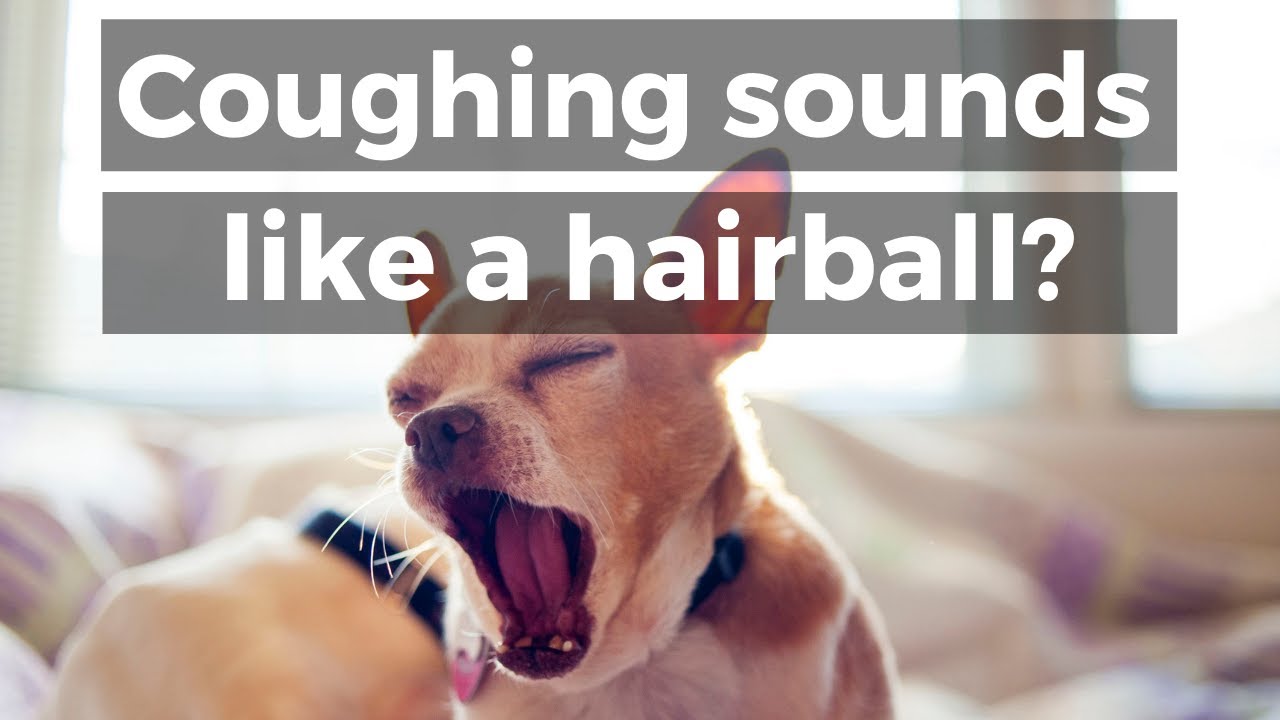
Image Source: i.ytimg.com
Deciphering the Honking Cough
The sound your dog makes isn’t actually a hairball issue, as dogs don’t typically cough up hairballs like cats. Instead, this distinct, honking cough is often a sign of inflammation or a physical abnormality in the dog’s upper airway. The trachea, or windpipe, is a crucial tube that carries air to your dog’s lungs. When this tube is irritated, narrowed, or compressed, it can lead to the characteristic coughing sound.
Kennel Cough: A Common Culprit
One of the most frequent reasons for this honking cough is kennel cough, also known as infectious tracheobronchitis. This highly contagious respiratory disease affects the upper airways and is caused by a variety of viruses and bacteria. Dogs often contract it in places where they are in close contact with other dogs, such as kennels, dog parks, or grooming facilities.
-
Symptoms of Kennel Cough:
- A dry, hacking cough, often described as a “goose honk.”
- The cough may worsen with excitement, exercise, or pressure on the throat (like a collar).
- Sometimes, dogs may gag or retch after coughing.
- Other symptoms can include a runny nose, sneezing, and sometimes a mild fever.
- Most dogs remain otherwise active and alert.
-
Causes:
- Viruses: Parainfluenza virus, Adenovirus types 1 and 2, Canine herpesvirus, Canine respiratory coronavirus.
- Bacteria: Bordetella bronchiseptica is a major contributor.
- Other contributing factors can include stress and poor ventilation.
-
Treatment: Kennel cough is usually self-limiting, meaning it often resolves on its own within a few weeks. However, supportive care is important:
- Rest: Limit strenuous activity.
- Hydration: Ensure your dog drinks plenty of water.
- Humidifier: A humidifier can help soothe irritated airways.
- Medication: In some cases, your veterinarian may prescribe cough suppressants, antibiotics (if a bacterial infection is severe or suspected), or anti-inflammatory medications.
Prevention: Vaccination is a key preventive measure. Vaccines for Bordetella, Parainfluenza, and Adenovirus can significantly reduce the risk and severity of kennel cough.
Collapsing Trachea: A Structural Concern
Another significant cause, especially in smaller breeds, is collapsing trachea. This is a progressive condition where the C-shaped cartilaginous rings that support the trachea weaken and flatten. When the rings lose their rigidity, the trachea can partially or completely collapse, obstructing airflow and leading to a characteristic honking cough.
-
Breeds Prone to Collapsing Trachea:
- Yorkshire Terriers
- Pomeranians
- Poodles (Toy and Miniature)
- Chihuahuas
- Shih Tzus
- Shetland Sheepdogs
-
Contributing Factors:
- Genetics: Some dogs are predisposed to weaker tracheal cartilage.
- Age: The condition often worsens with age.
- Obesity: Excess weight puts extra pressure on the airways.
- Environmental Irritants: Smoke, dust, and strong perfumes can exacerbate coughing.
- Excitement or Exercise: These activities can increase breathing rate and pressure, triggering coughing fits.
- Dental Disease: Severe dental issues can sometimes contribute to tracheal collapse.
-
Diagnosis: A veterinarian can diagnose collapsing trachea through a physical exam, often confirmed by X-rays that show the flattened trachea during inhalation and exhalation. Bronchoscopy is the most definitive diagnostic tool, allowing visualization of the trachea’s structure.
-
Management: While collapsing trachea is generally irreversible, management focuses on minimizing symptoms and preventing progression:
- Weight Management: Keeping your dog at a healthy weight is crucial.
- Harnesses, Not Collars: Use a harness instead of a neck collar to avoid pressure on the trachea.
- Environmental Control: Minimize exposure to smoke, dust, and other irritants.
- Cough Suppressants: Medications can help manage the cough.
- Antibiotics: May be used if a secondary infection develops.
- Steroids: Can reduce inflammation in the airways.
- Surgery: In severe cases, surgical interventions like tracheal stents can be considered to hold the trachea open.
Other Potential Causes of Honking Coughs
While kennel cough and collapsing trachea are common, other respiratory issues can also manifest as a honking cough. It’s important to consider these possibilities with your veterinarian.
Heartworm Disease: A Serious Threat
Heartworm disease is a life-threatening illness transmitted by mosquitoes. While it primarily affects the heart and lungs, it can also cause respiratory symptoms, including a cough that might sound similar to a hairball cough.
- How it Affects Dogs: Heartworms (Dirofilaria immitis) mature in the heart and pulmonary arteries, damaging the lungs and circulatory system.
- Symptoms: Coughing is a common symptom, but others include lethargy, weight loss, difficulty breathing, and exercise intolerance.
- Prevention is Key: Regular heartworm preventatives (monthly medication) are the most effective way to protect your dog.
- Diagnosis and Treatment: Diagnosis involves blood tests. Treatment is available but can be lengthy and carries risks.
Bronchitis: Inflammation of the Airways
Bronchitis is inflammation of the bronchial tubes, which carry air to the lungs. This inflammation can cause a persistent cough, which might be dry and hacking, mimicking the sound of a hairball cough.
-
Types:
- Acute Bronchitis: Often caused by infection or irritation, can appear suddenly.
- Chronic Bronchitis: A long-term condition, often seen in certain breeds, characterized by persistent inflammation.
-
Causes:
- Infections (viral, bacterial, fungal)
- Environmental irritants (smoke, dust, allergens)
- Allergies
- Heart disease (leading to fluid buildup in lungs)
-
Symptoms: Chronic coughing, sometimes with mucus, gagging, and shortness of breath.
-
Treatment: Treatment depends on the cause and may include antibiotics, anti-inflammatories, bronchodilators, and cough suppressants.
Pneumonia: Infection in the Lungs
Pneumonia is an infection that inflames the air sacs in one or both lungs. While the cough associated with pneumonia is often described as moist or productive, in its early stages or with certain types of pathogens, it can present as a dry, hacking cough.
-
Causes:
- Bacterial infections
- Viral infections
- Fungal infections
- Aspiration of foreign material (e.g., food, vomit)
-
Symptoms: Coughing, fever, lethargy, difficulty breathing, loss of appetite, and nasal discharge.
-
Treatment: Pneumonia requires prompt veterinary attention and typically involves antibiotics (for bacterial pneumonia), supportive care (fluids, oxygen), and rest.
Reverse Sneeze: A Misleading Sound
The reverse sneeze is a fascinating and often alarming phenomenon that can be mistaken for a cough. Instead of expelling air forcefully through the nose, the dog takes in air rapidly and repeatedly through the nose. This can sound like choking, gagging, or even a honking cough.
- What it Looks Like: The dog stands still, often with its head extended, and makes rapid, snorting, or honking sounds.
- Triggers:
- Excitement
- Allergens (pollen, dust)
- Irritants in the air (perfumes, smoke)
- Pulling on the leash
- Post-exercise
- Sometimes, no clear trigger is identified.
- Is it Harmful? While alarming, reverse sneezing is generally considered harmless and usually stops on its own.
- What to Do: Gently stroking your dog’s throat or gently covering their nostrils for a moment can sometimes help them stop the episode.
- When to Worry: If it becomes very frequent, prolonged, or is accompanied by other concerning respiratory signs, consult your veterinarian to rule out other conditions.
Laryngeal Paralysis: Impaired Airflow
Laryngeal paralysis is a condition where the larynx (voice box) doesn’t function correctly. The vocal folds, which normally open to allow airflow into the lungs, become paralyzed and remain partially closed. This significantly restricts air intake.
-
Symptoms:
- A characteristic honking or raspy cough, especially with exercise.
- Difficulty breathing, particularly during exertion.
- Voice changes (hoarseness).
- Gagging when eating or drinking.
- Increased respiratory rate.
-
Causes:
- Genetics: Common in breeds like the German Shepherd, Labrador Retriever, and Siberian Husky.
- Age: Often develops in older dogs.
- Neurological disorders: Can be a sign of a wider nerve issue.
- Trauma to the neck.
-
Diagnosis: Diagnosis involves a physical exam and often a sedated laryngeal exam, where the vet can directly visualize the larynx.
-
Treatment: Surgical intervention, such as a tie-back procedure to permanently open one of the vocal folds, is often the most effective treatment. Medical management may include steroids to reduce inflammation.
Allergies: An Inflammatory Response
Allergies can manifest in various ways in dogs, including respiratory symptoms. While not typically causing a honking cough directly, severe allergic reactions or secondary inflammation due to allergies can lead to airway irritation and coughing.
- Common Allergens: Pollen, dust mites, mold spores, certain foods, flea bites.
- Respiratory Symptoms: Sneezing, itchy skin, watery eyes, and sometimes a cough.
- Treatment: Identifying and avoiding allergens, antihistamines, steroid medications, and immunotherapy (allergy shots) may be recommended.
Fungal and Parasitic Infections: Internal Invaders
Less commonly, fungal infections (like blastomycosis or coccidioidomycosis) or certain parasitic infections that affect the lungs can cause coughing. These can sometimes lead to inflammation and irritation that results in a cough similar to the described sound.
- Fungal Infections: Often acquired by inhaling spores from the environment. Symptoms can include coughing, lethargy, fever, and weight loss. Diagnosis involves specific blood tests, urine tests, or biopsies. Treatment involves long-term antifungal medications.
- Parasitic Infections: While heartworm is the most common parasitic cause of coughing, other parasites can affect the lungs. Diagnosis and treatment depend on the specific parasite.
When to See a Veterinarian
It’s crucial to seek veterinary advice if your dog exhibits a persistent or worsening cough. While some causes are mild, others can be serious and require prompt treatment.
Consider consulting your veterinarian if your dog:
- Has a cough that lasts longer than a week or two.
- Shows other symptoms like lethargy, loss of appetite, or fever.
- Has difficulty breathing or is wheezing.
- The cough is accompanied by gagging or vomiting.
- Is a brachycephalic (flat-faced) breed, as they are more prone to airway issues.
- Is very young or very old, as they are more vulnerable.
Diagnostic Process: What to Expect at the Vet
Your veterinarian will conduct a thorough examination to determine the cause of your dog’s cough. This may include:
- Medical History: Discussing the onset, duration, frequency, and triggers of the cough.
- Physical Examination: Listening to the heart and lungs, checking for any abnormalities in the throat or trachea.
- Diagnostic Tests:
- X-rays: To visualize the lungs, trachea, and heart.
- Blood Work: To check for infection, inflammation, and organ function.
- Heartworm Test: Essential for ruling out heartworm disease.
- Tracheal Wash or Bronchoscopy: To obtain samples from the airways for culture or cytology, particularly if suspecting infection or significant inflammation.
- Laryngeal Exam: To assess the function of the voice box.
- Allergy Testing: If allergies are suspected.
Conclusion: Keeping Your Dog’s Airway Clear
The honking cough in dogs, while often sounding like a hairball attempt, is a signal that something is amiss in their respiratory system. From common infections like kennel cough to structural issues like collapsing trachea, or more serious conditions like heartworm and pneumonia, the reasons are varied. Early diagnosis and appropriate treatment are vital for your dog’s health and comfort. Regular veterinary check-ups, vaccinations, and preventative measures can help keep your canine companion breathing easy and free from this distinctive, concerning cough.
Frequently Asked Questions (FAQ)
Q1: Can my dog have a hairball?
A1: Dogs do not typically cough up hairballs in the same way cats do. When a dog coughs in a way that sounds like it’s trying to dislodge a hairball, it’s usually an indication of an issue in their throat or airway, such as irritation, inflammation, or a structural problem.
Q2: How can I tell if my dog’s cough is serious?
A2: You should be concerned if the cough is persistent (lasting more than a week or two), worsening, or if your dog shows other symptoms like lethargy, difficulty breathing, fever, loss of appetite, or nasal discharge. If you notice any of these accompanying signs, contact your veterinarian immediately.
Q3: Is kennel cough contagious to humans?
A3: No, kennel cough is generally not contagious to humans. It is a disease that affects dogs and other canines.
Q4: Can I treat my dog’s cough at home?
A4: For mild, infrequent coughs that resolve quickly, supportive care like rest and ensuring good hydration might be sufficient. However, for persistent, severe, or concerning coughs, it is essential to consult a veterinarian for diagnosis and treatment. Home remedies should not replace professional veterinary care.
Q5: My dog has a collapsing trachea. What are the long-term implications?
A5: Collapsing trachea is a progressive condition. While it can often be managed with lifestyle changes and medication to control symptoms, it can worsen over time, potentially leading to more severe breathing difficulties. Regular monitoring by a veterinarian is important to manage the condition effectively and improve your dog’s quality of life.