
When a younger dog repeatedly attacks an older dog, what are the primary reasons and how can this dangerous behavior be corrected? The root causes are often multifaceted, stemming from issues like dog aggression, lack of proper puppy socialization, resource guarding, or misunderstandings of canine behavior signals. Addressing this requires patience, consistency, and a thorough approach to dog training and management.
The dynamic between a boisterous young dog and a more settled senior can be challenging. It’s a common concern for multi-dog households, and thankfully, there are effective strategies to promote harmony and safety. This guide will delve into the reasons behind this inter-dog conflict and provide practical, research-backed solutions.
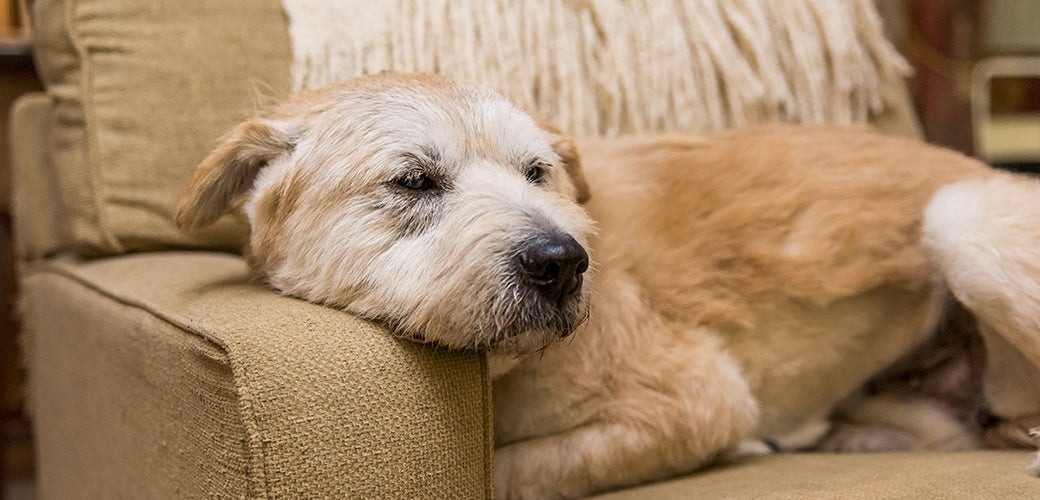
Image Source: www.aspca.org
Deciphering the Roots of Younger Dog Aggression
Before we can implement solutions, it’s crucial to grasp why a younger dog might be exhibiting aggressive tendencies towards an older one. This isn’t always about “dominance aggression” in the simplistic sense often portrayed, but rather a complex interplay of learned behaviors, unmet needs, and environmental triggers.
Age-Related Dynamics and Canine Behavior
A puppy or adolescent dog is naturally energetic, curious, and still learning social cues. An older dog, on the other hand, may have reduced mobility, a lower tolerance for rough play, or sensory impairments (like hearing or vision loss) that make them more vulnerable.
- Puppy/Adolescent Stage: This is a critical period for puppy socialization, where dogs learn how to interact appropriately with other dogs and people. Inadequate or improper socialization can lead to fear-based aggression or a lack of understanding of social boundaries. Young dogs often don’t “read” appeasement behaviors from older dogs effectively, mistaking subtle signals for invitations to play more roughly.
- Senior Dog Stage: Senior dog care involves recognizing that older dogs may experience pain, cognitive decline, or changes in their temperament. They might become more easily startled, less tolerant of annoying behavior, or react defensively if they feel cornered or threatened. What might be a playful nudge from a young dog could be perceived as harassment by a senior.
Common Triggers for Inter-Dog Conflict
Several factors can escalate tension between dogs of different ages:
- Play Overstimulation: Young dogs can become overly excited during play, pushing boundaries with their older companions. This can lead to a senior dog feeling overwhelmed and reacting defensively.
- Resource Guarding: This is a significant factor in dog aggression. The younger dog might guard food, toys, favorite resting spots, or even human attention, leading to aggressive displays towards the older dog if they approach these resources.
- Lack of Individual Space: If dogs don’t have enough personal space or “escape routes” to retreat when they feel overwhelmed, conflict is more likely to arise.
- Fear or Anxiety: The younger dog might be fearful of the older dog, or vice-versa, leading to defensive aggression. This can be a result of past negative experiences or poor puppy socialization.
- Misinterpretation of Signals: Young dogs may not accurately interpret the subtle appeasement behaviors (like lip licking, yawning, or averted gaze) that an older dog might be offering, signaling discomfort or a desire to disengage.
- Boredom and Pent-Up Energy: A young dog with insufficient physical and mental stimulation may direct their excess energy towards the older dog in inappropriate ways, escalating to aggression.
Strategies for Intervention and Prevention
Successfully managing and stopping aggressive behavior requires a multifaceted approach, focusing on management, training, and environmental enrichment. The goal is to create a safe and predictable environment for both dogs.
Management: Preventing Incidents
The most immediate step is to prevent further aggressive encounters. This involves careful supervision and creating separate spaces.
- Supervised Interactions: Always supervise your dogs when they are together, especially during the initial stages of implementing new strategies.
- Crate Training and Separate Spaces: Provide each dog with their own safe space where they can retreat and will not be bothered. This could be a crate, a separate room with a baby gate, or comfortable beds in different areas of the house.
- Leash Management: When supervised, you can keep the younger dog on a leash, allowing you to control their proximity and interaction with the older dog. This also allows you to interrupt unwanted behaviors before they escalate.
- Environmental Separation: When you cannot directly supervise, keep the dogs in separate areas. This prevents accidental altercations and allows both dogs to relax without the stress of potential conflict.
Introducing Dogs Safely and Effectively
If the dogs are new to each other or if incidents have occurred, a structured re-introduction process is vital. This is part of proper introducing dogs protocols.
Initial Introduction Steps:
- Scent Swapping: Allow the dogs to investigate each other’s scents without direct contact. Swap bedding or toys between their areas.
- Parallel Walks: Walk the dogs on leashes on opposite sides of the street or a pathway, allowing them to see each other at a distance without pressure. Gradually decrease the distance if both dogs remain calm.
- Controlled Meetings: Once they are comfortable at a distance, arrange short, supervised meetings in a neutral, calm environment. Keep these encounters brief and positive, ending on a good note before any signs of stress appear.
Behavior Modification Techniques
Once management is in place, you can begin working on changing the underlying behaviors.
Positive Reinforcement for Calmness
Reward desired behaviors, such as the younger dog being calm in the presence of the older dog, or disengaging from potential conflict.
- “Look at That” Game: When the younger dog notices the older dog, and before they react negatively, mark the behavior with a clicker or a verbal cue (“yes!”) and immediately offer a high-value treat. This helps create a positive association.
- Rewarding Distance: If the younger dog is showing signs of stress or fixation, and then voluntarily looks away or moves away from the older dog, reward that de-escalation.
Counter-Conditioning and Desensitization
These techniques aim to change the emotional response of the younger dog towards the older dog from negative to positive.
- Desensitization: Gradually expose the younger dog to the presence of the older dog at a distance where they can remain calm. Slowly decrease the distance over many sessions as the dog shows no signs of aggression.
- Counter-Conditioning: Pair the sight of the older dog (at a safe distance) with something highly rewarding, like delicious food or a favorite toy. The goal is for the younger dog to associate the older dog’s presence with good things.
Addressing Specific Aggressive Behaviors
- Resource Guarding:
- Management: Remove valuable resources from the environment when both dogs are present.
- Trade-Up Game: Teach the younger dog to trade a less desirable item for a more desirable one, or to drop something when offered a treat. This helps build a positive association with giving things up.
- “Leave It” Command: This is crucial for teaching the dog to disengage from a resource upon cue.
- Play Aggression:
- Interrupt and Redirect: If play becomes too rough, use a calm, firm interrupter (like a clap or a “too bad”) to stop the behavior. Immediately redirect the younger dog to an appropriate toy or activity.
- Time-Outs: If the younger dog consistently escalates play inappropriately, a brief time-out (removing them from the situation for 30-60 seconds) can help them learn impulse control.
- Fear or Anxiety Aggression:
- Respect Space: Ensure the older dog has ample opportunities to retreat and is never forced into interaction.
- Build Confidence: Engage the younger dog in activities that build their confidence, such as obedience training or puzzle toys.
Essential Dog Training Principles
Consistent dog training is the bedrock of managing inter-dog conflict.
- Obedience Training: A well-trained dog is more responsive to commands, making management and intervention easier. Focus on cues like “sit,” “stay,” “come,” and “leave it.”
- Impulse Control: Teach the younger dog to wait, to not grab, and to control their excitement. Games like “wait for your food bowl” or “wait at the door” are excellent for this.
- Leash Manners: A dog that pulls on the leash or is reactive on leash can be more challenging to manage around another dog.
The Role of Professional Help
If the aggression is severe, persistent, or you feel unsafe managing the situation, it’s essential to seek professional guidance.
- Veterinary Consultation: Rule out any underlying medical conditions that might be contributing to the aggressive behavior, especially in the older dog. Pain or discomfort can significantly alter a dog’s temperament.
- Certified Professional Dog Trainer (CPDT-KA/SA): Look for trainers with experience in aggression and canine behavior modification. They can assess the specific situation and develop a tailored training plan.
- Veterinary Behaviorist (DACVB): For complex or severe cases, a veterinary behaviorist can provide diagnosis and treatment, often including medication if appropriate.
A Structured Approach to Re-Establishing Harmony
Implementing a structured plan is key. This isn’t a quick fix; it’s a process that requires dedication.
Phase 1: Safety and Management
- Goal: Prevent all aggressive incidents.
- Actions: Strict separation when unsupervised, leashed interactions, identification of triggers.
- Duration: Until confident that incidents can be managed reliably.
Phase 2: Behavior Modification
- Goal: Change the younger dog’s emotional response and teach appropriate behaviors.
- Actions: Desensitization, counter-conditioning, positive reinforcement for calm behavior, teaching impulse control.
- Duration: Ongoing, with gradual increases in interaction time and decreased management.
Phase 3: Integration and Maintenance
- Goal: Achieve a peaceful coexistence and maintain low-stress interactions.
- Actions: Gradual introduction to more freedom together, continued positive reinforcement for good behavior, ongoing observation.
- Duration: Lifelong vigilance and reinforcement of good habits.
Case Study Example: Buster and Daisy
- The Dogs: Buster, a sprightly 1-year-old Labrador, and Daisy, a dignified 12-year-old Golden Retriever.
- The Problem: Buster would constantly pester Daisy, play-bowing aggressively, nipping at her heels, and even barking if she didn’t engage in rough play. Daisy would respond with growls and snaps, and eventually started to retreat into a corner of the house, clearly stressed.
- The Cause: Buster, being young and full of energy, lacked the social cues to recognize Daisy’s increasing discomfort. He also showed signs of resource guarding over his favorite squeaky toy, growling if Daisy came too close. Daisy was showing appeasement behaviors like lip licking and yawning, which Buster ignored.
- The Solution:
- Management: When unsupervised, Buster was confined to the living room with his toys, while Daisy had free roam of the rest of the house. All high-value toys were put away when they were in the same room.
- Controlled Introductions:
- They started with parallel walks, where Buster was kept on a leash and they walked on opposite sides of the park. Daisy was rewarded with treats for remaining calm.
- Short, supervised meetings in the living room were initiated. Buster was on a long leash. If he started to pester Daisy, a gentle “ah-ah” and redirecting him with a treat from the trainer. If he was calm, he received praise and treats.
- Behavior Modification:
- The “Look at That” game was used. When Buster saw Daisy and didn’t react negatively, he got a high-value treat.
- Daisy was also rewarded for calm behavior when Buster was around.
- Buster was taught “leave it” for his toys. When he guarded his squeaky toy, he was asked to “leave it,” and if he complied, he received a better treat.
- Training: Buster received additional training in impulse control, specifically delaying gratification.
- The Outcome: Over several weeks, Buster learned to respect Daisy’s space. He began to offer play-bows that were less intense, and if Daisy showed any sign of discomfort, he would back off. Daisy, in turn, seemed more relaxed and was no longer showing constant stress signals. They could now share the same room without incident, with supervised play being occasional and mutually enjoyed.
Frequently Asked Questions (FAQ)
What if the younger dog has a history of serious aggression?
If the younger dog has a documented history of serious aggression, including biting or causing injury, it is paramount to seek professional help from a certified professional dog trainer or a veterinary behaviorist immediately. Do not attempt to manage severe aggression without expert guidance, as this can put both dogs and people at risk.
Can I ever leave the dogs unsupervised?
The decision to leave the dogs unsupervised should only be made when you are absolutely confident, through consistent positive interactions and management, that the younger dog will not exhibit aggressive behavior. This confidence is built over a significant period of successful, supervised coexistence. Start with short absences and gradually increase the time, always observing their behavior upon your return.
Is dominance aggression the primary reason for this behavior?
While “dominance” is a term often used, modern canine behavior science suggests that most aggressive behaviors are rooted in fear, anxiety, resource guarding, territoriality, or learned responses to specific triggers, rather than a simple desire to “dominate.” Focusing on the specific triggers and emotions driving the behavior is more productive than adhering to outdated dominance theories.
How important is consistent daily routine?
A consistent daily routine is incredibly important for all dogs, especially those experiencing stress or behavioral challenges. Predictable feeding times, exercise schedules, and training sessions help reduce anxiety and provide a sense of security, which can mitigate aggressive tendencies.
What if the older dog is the aggressor?
While this article focuses on the younger dog being the aggressor, it’s important to note that older dogs can also instigate conflict, often due to pain, fear, or a declining tolerance for boisterous behavior. In such cases, the focus shifts to managing the older dog’s environment, addressing any underlying medical issues, and ensuring the younger dog respects the senior’s boundaries and space. The principles of management and positive reinforcement still apply, but the roles are reversed.
How can I improve my younger dog’s impulse control?
Impulse control can be trained through various games:
* “Wait” for food: Don’t let the dog eat until you give a release cue.
* “Leave It”: Teach the dog to ignore tempting items on command.
* Fetch and “Drop It”: Train them to release a toy on cue.
* Controlled Greetings: Teach them to wait politely for permission to greet another dog or person.
What are the signs of “appeasement behaviors” in dogs?
Appeasement behaviors are signals a dog uses to signal they are not a threat and want to avoid conflict. These include:
* Lip licking (when not eating or thirsty)
* Yawning (when not tired)
* Turning head away
* Averted gaze
* Lowering body posture or rolling onto their back
* Tail tucked
* Whale eye (showing the whites of their eyes)
* Freezing or becoming very still
Recognizing and respecting these signals from your older dog is crucial for de-escalating potential conflict with the younger dog.
By employing these strategies with patience and consistency, you can significantly improve the relationship between your younger and older dogs, fostering a harmonious and safe environment for all. Remember that every dog is an individual, and progress may vary. If you are ever in doubt or the situation seems unmanageable, always consult with a qualified professional.