
Does your dog love to stretch out in the brightest, warmest spot of the yard, even when the sun is beating down? This common dog basking behavior often leaves owners wondering, “Why does my dog lay in the hot sun?” Dogs love the sun for a variety of reasons, including the feeling of warmth and potential vitamin D production, though it’s crucial to be aware of the risks of dogs overheating in sun and to ensure appropriate sun exposure for dogs.
It might seem counterintuitive, but many dogs actively seek out the sun’s rays. This dog heat seeking behavior is rooted in their biology and can be quite beneficial when managed correctly. Let’s delve into the fascinating world of why dogs enjoy the warmth of the sun.
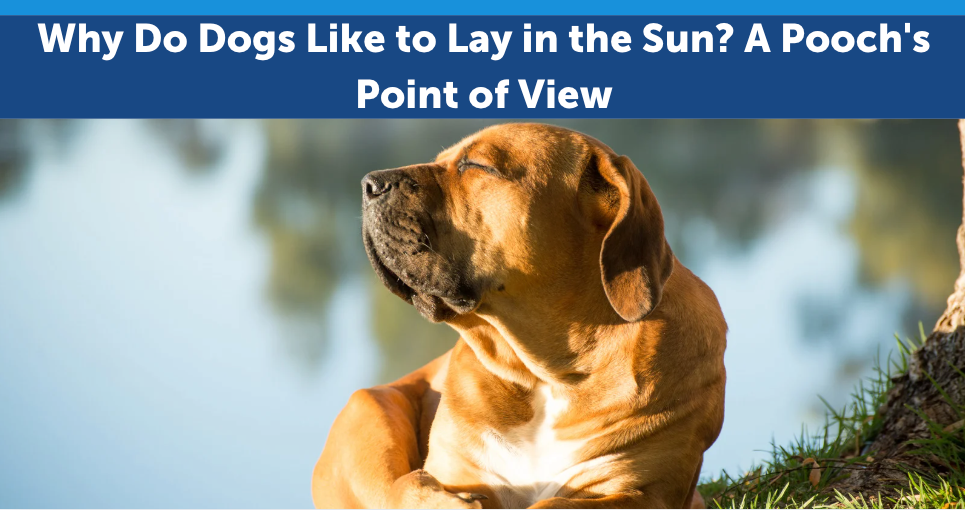
Image Source: www.adaptil.co.uk
The Warmth Factor: A Primitive Drive
At its core, the desire for warmth is a primal instinct for many animals, including our canine companions.
Evolutionary Roots
Dogs, even with their domestication, retain many ancestral traits. Their wild ancestors, wolves, lived in environments where basking in sunny spots was essential for regulating body temperature, especially after periods of activity or during colder months. This ingrained dog heat seeking behavior persists even in our modern, pampered pets.
Comfort and Relaxation
For many dogs, lying in the sun is simply incredibly comfortable. The warmth can relax their muscles, soothe aches and pains (especially in older dogs), and provide a general sense of well-being. Think of it like a warm hug from nature. This is one of the primary reasons dogs love sun.
A Sense of Security
Sunny spots often provide a clear view of their surroundings, which can contribute to a dog’s feeling of security. They can monitor their territory and observe any comings and goings while simultaneously enjoying the pleasant warmth.
Vitamin D and Beyond: The Biological Benefits of Sun for Dogs
While humans are well-known for synthesizing vitamin D from sunlight, the jury is still out on how much dogs benefit from this process. However, there are other potential advantages to careful sun exposure for dogs.
Vitamin D Production (Potential)
The prevailing scientific understanding is that dogs can produce vitamin D when their skin is exposed to ultraviolet B (UVB) radiation. This vitamin is crucial for bone health, immune function, and calcium absorption. However, dogs also get vitamin D from their diet, and the amount synthesized from sun exposure is not fully understood. Unlike humans who can absorb large amounts through their skin, dogs’ coats may limit this process.
Mood Enhancement
Just as sunlight can boost mood in humans, it’s believed that sunbathing pets can experience a similar effect. The warmth and light can stimulate the production of serotonin, a neurotransmitter associated with happiness and well-being. A dog lounging contentedly in the sun often appears blissful.
Temperature Regulation
While it seems contradictory, lying in the sun can actually help some dogs regulate their body temperature, especially on cooler days. By absorbing external heat, they can reduce the energy their body needs to expend to stay warm. This is a key aspect of dog basking behavior.
Why Dogs Seek Heat: Interpreting the Behavior
There are several specific reasons why your dog might be drawn to the hottest spots available.
Feeling Cold
The most obvious reason is that your dog feels chilly. Even on a warm day, a dog might seek out direct sunlight if the ambient temperature isn’t quite to their liking. This is a direct manifestation of why dogs seek heat.
Post-Activity Warm-up
After a vigorous play session or a long walk, a dog’s body temperature may have risen significantly. Once they cool down, they might seek out the sun to warm up their muscles and restore their core temperature.
Soothing Aches and Pains
Arthritis and other joint issues can be exacerbated by cold. Warmth from the sun can provide significant relief for dogs suffering from these conditions. Many owners notice their older dogs spending more time basking.
Simple Enjoyment
Sometimes, there’s no deeper reason than pure enjoyment. The feeling of the sun on their fur and skin can be incredibly pleasant and relaxing for a dog. This is a fundamental aspect of reasons dogs love sun.
Different Strokes for Different Pups: Canine Sun Tolerance Varies
It’s important to note that not all dogs are created equal when it comes to canine sun tolerance. Several factors influence how well a dog can handle sun exposure.
Breed and Coat Type
- Short-haired or thin-coated breeds: Dogs like Greyhounds, Boxers, and Chihuahuas have less natural protection against the sun and are more prone to sunburn, especially on their ears, nose, and belly.
- Dark-coated breeds: Dogs with dark fur absorb more heat and can overheat more quickly than those with lighter coats.
- Double-coated breeds: Breeds like Huskies, German Shepherds, and Golden Retrievers have dense undercoats that can trap heat, making them more susceptible to overheating in prolonged direct sun.
- Hairless breeds: These dogs are extremely vulnerable to sunburn and require significant protection.
Age and Health Status
- Puppies and senior dogs: Their thermoregulation systems may not be as efficient, making them more sensitive to extreme temperatures, both hot and cold.
- Dogs with medical conditions: Dogs with heart conditions, respiratory issues, or obesity may have a lower canine sun tolerance and are at a higher risk of heatstroke.
- Brachycephalic (flat-faced) breeds: Bulldogs, Pugs, and Boston Terriers have compromised airways and struggle to cool themselves efficiently through panting, making them highly susceptible to dogs overheating in sun.
Environmental Factors
- Ambient Temperature: The hotter the air, the higher the risk of overheating.
- Humidity: High humidity makes it harder for dogs to dissipate heat through panting.
- Surface Temperature: Pavement, sand, and even some artificial turf can become incredibly hot, burning paw pads and increasing body temperature.
The Risks: When Sunbathing Becomes Dangerous
While dog basking behavior can be harmless and even beneficial, dogs lying in direct sunlight for extended periods, especially during peak heat, can lead to serious health issues.
Heatstroke
This is the most significant danger associated with excessive sun exposure. Heatstroke occurs when a dog’s body temperature rises to dangerous levels, and they cannot cool themselves down effectively. Symptoms include:
- Excessive panting
- Drooling
- Red gums and tongue
- Vomiting and diarrhea
- Dizziness or disorientation
- Collapse
Heatstroke is a medical emergency and requires immediate veterinary attention.
Sunburn
Just like humans, dogs can get sunburned. Areas with less fur, such as the nose, ears, and belly, are particularly vulnerable. Sunburn can be painful and increase the risk of skin cancer over time.
Dehydration
When dogs are in the sun, they lose fluids through panting. If they don’t have access to fresh water or aren’t drinking enough, they can become dehydrated.
Responsible Sun Exposure: Ensuring Your Dog’s Safety
The goal is to allow your dog to enjoy the sun safely. This means being a vigilant owner and providing appropriate measures.
Providing Shade
Always ensure your dog has access to a shaded area where they can retreat from the direct sun. This could be a shaded porch, a tree, or a dog house.
Fresh Water Access
Make sure fresh, cool water is always available. Consider portable water bowls for walks or times spent outdoors.
Limiting Sun Time During Peak Hours
During the hottest parts of the day (typically between 10 AM and 4 PM), it’s best to limit your dog’s time in direct sunlight. Opt for early morning or late afternoon walks and playtime.
Monitoring Your Dog
Pay close attention to your dog’s behavior. If they are panting excessively, seeking shade, or showing signs of distress, it’s time to bring them inside or to a cooler spot.
Sunscreen for Dogs
For dogs with light or thin fur, consider using a pet-specific sunscreen on sensitive areas like their nose, ear tips, and belly. Never use human sunscreen, as it can contain ingredients toxic to dogs.
Never Leave Dogs in Cars
This cannot be stressed enough. A car’s interior temperature can rise rapidly, even on a mild day, creating a deadly environment for a dog.
When to Worry: Recognizing Signs of Overheating
It’s crucial to be able to distinguish between a dog enjoying the sun and a dog in distress.
Table: Recognizing Signs of Overheating
| Symptom | Mild Overheating | Severe Overheating (Heatstroke) |
|---|---|---|
| Panting | Increased, but still manageable | Rapid, excessive, distressed |
| Drooling | Slightly more than usual | Thick, ropey saliva |
| Gums/Tongue Color | Pink to slightly darker pink | Bright red, brick red, or pale/bluish |
| Apparent Energy | Still alert and moving | Lethargic, weak, stumbling, uncoordinated |
| Vomiting/Diarrhea | Not typically present | May be present, sometimes bloody |
| Behavior | Seeking shade, panting heavily | Disoriented, unresponsive, collapsing |
| Body Temperature | Elevated but not critical | Critically high (above 104°F / 40°C) |
If you suspect your dog is suffering from heatstroke, immediately move them to a cooler environment, apply cool (not ice-cold) water to their body, and offer small amounts of cool water to drink. Contact your veterinarian immediately.
Other Factors Contributing to Heat Seeking
Beyond the basic drive for warmth, other subtle factors might influence why dogs seek heat.
Boredom and Stimulation
Sometimes, lying in the sun can be a simple way for a dog to pass the time. If they lack sufficient mental or physical stimulation, the warmth and a sunny spot might be the most appealing option available.
Comfort and Security
A warm, sunny patch can be a very comforting and safe-feeling spot for a dog. It’s often a familiar and predictable place, which can reduce anxiety.
Socialization
If you are spending time in the sun, your dog will likely want to be near you. This social aspect can override their need to seek shade.
Common Misconceptions About Dogs and Sun
It’s easy to anthropomorphize our pets, but it’s important to have a realistic view of their needs regarding sunlight.
“My dog loves the sun, so it must be good for him.”
While enjoyment is a factor, it doesn’t negate the potential risks. Dogs, like humans, can enjoy things that aren’t always in their best interest if not managed.
“All dogs can handle the sun just fine.”
As discussed, canine sun tolerance varies significantly. Assuming all dogs have the same capacity for sun exposure is a dangerous generalization.
FAQ: Your Burning Questions Answered
Q1: Is it okay for my dog to lay in the hot sun all day?
A1: No, it is not recommended for your dog to lay in the hot sun all day. While dogs enjoy basking, prolonged exposure to direct sunlight, especially during peak heat hours, can lead to overheating, heatstroke, sunburn, and dehydration. Always ensure they have access to shade and fresh water.
Q2: My dog always seeks out the sunniest spot. Does this mean he’s cold?
A2: It’s possible your dog is seeking the sun to warm up, especially if the ambient temperature isn’t to their liking or if they’ve recently been active. However, it can also simply be for comfort, relaxation, or due to instinctual dog heat seeking behavior. Observe other cues like panting, lethargy, or shivering to gauge if they are truly cold or just enjoying the warmth.
Q3: Can my dog get sunburned?
A3: Yes, dogs can get sunburned, particularly on areas with less fur like their nose, ears, and belly. Dogs with thin coats, light-colored fur, or white fur are more susceptible. Using pet-specific sunscreen on these areas can help prevent sunburn during extended outdoor activities.
Q4: How much sun is too much for my dog?
A4: The amount of sun that is “too much” depends on several factors, including the dog’s breed, coat, age, health, and the ambient temperature and humidity. Generally, limiting direct sun exposure during the hottest parts of the day (10 AM to 4 PM) and ensuring constant access to shade and water is a good practice for all dogs. Watch for signs of overheating like excessive panting, drooling, or lethargy.
Q5: Are there any benefits of sun exposure for dogs?
A5: Yes, there are potential benefits of sun exposure for dogs. These include aiding in Vitamin D production (though the extent is debated), providing warmth for comfort and soothing muscles, potentially boosting mood, and aiding in temperature regulation on cooler days. However, these benefits must be balanced against the risks of overheating and sunburn.
Conclusion
The sight of your dog blissfully sunbathing is a common and often heartwarming one. This dog basking behavior is a natural instinct driven by comfort, warmth, and potentially some health benefits. Understanding the reasons dogs love sun and the varying degrees of canine sun tolerance is key to ensuring your furry friend can enjoy these sunny moments safely. By providing shade, fresh water, and being mindful of peak heat hours, you can allow your dog to revel in the warmth without succumbing to the dangers of overheating. Responsible sun exposure for dogs ensures that this simple pleasure remains a positive experience for your beloved pet.