
Can you remove dog urine smell from wood floors? Yes, it is absolutely possible to remove dog urine smell from wood floors, and the key is to act quickly and use the right cleaning agents. The longer urine sits on wood, the deeper it penetrates, making removal more challenging.
Dealing with dog urine on wood floors can be a persistent problem for pet owners. The distinctive, unpleasant odor can linger, affecting the ambiance of your home. This guide provides a comprehensive approach to tackling those unwelcome smells, from immediate cleanup to deeper treatments for stubborn odors. Whether you’re dealing with a puppy still mastering house training or an older dog with an accident, these methods are designed to restore your wood floors to their former freshness.
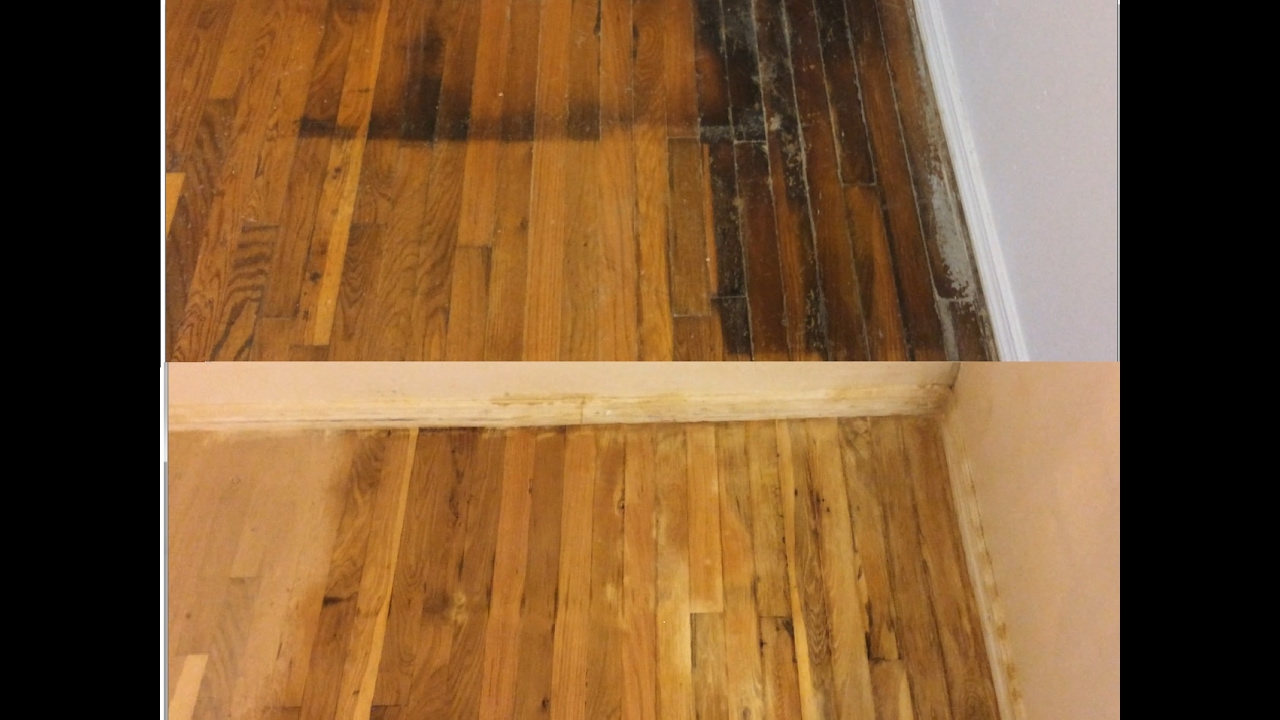
Image Source: i.ytimg.com
Immediate Actions for Fresh Accidents
When a pet accident occurs, prompt action is crucial for preventing the urine from seeping into the wood and causing lasting damage and odor.
Blotting Up Excess Moisture
The first step in dealing with a fresh dog urine spot is to absorb as much liquid as possible.
- Use absorbent materials: Paper towels are ideal for this. Lay several layers down and press firmly. Avoid rubbing, as this can spread the urine and push it deeper into the wood grain.
- Repeat as needed: Continue blotting with fresh paper towels until no more moisture is being absorbed. You want to get the surface as dry as possible.
Initial Rinse
After blotting, a gentle rinse can help dilute any remaining surface urine.
- Water and a clean cloth: Dampen a clean cloth with plain water. Gently wipe the affected area. Again, avoid excessive rubbing.
- Blot dry: Immediately blot the area dry with clean towels to remove the rinse water.
Deeper Cleaning for Lingering Odors
If the smell persists after the initial cleanup, or if you’re dealing with older, dried-in stains, more intensive cleaning methods are necessary.
The Power of Enzymatic Cleaners
Enzymatic cleaners are specifically formulated to break down organic matter, including the odor-causing components in pet urine. These cleaners contain live enzymes that “eat” the urine molecules, effectively neutralizing the smell at its source.
How Enzymatic Cleaners Work
- Biological breakdown: Enzymes in the cleaner target the uric acid crystals in urine, which are the primary source of persistent odor.
- Targeted action: Unlike regular cleaners that might mask smells, enzymatic cleaners eliminate the odor-causing compounds.
Choosing the Right Enzymatic Cleaner
When selecting an enzymatic cleaner, look for products specifically labeled for pet stains and odors. Many are safe for various wood finishes, but it’s always wise to test in an inconspicuous area first.
Application Steps
- Saturate the area: Apply the enzymatic cleaner liberally to the stained and odor-causing area. Ensure it covers the entire spot and a little beyond.
- Allow dwell time: Follow the product instructions carefully for how long the cleaner needs to sit. This can range from a few minutes to several hours, depending on the product and the severity of the stain. The enzymes need time to work.
- Blot or wipe: After the dwell time, blot up any excess cleaner with a clean cloth or paper towels.
- Air dry: Allow the area to air dry completely. Some products may recommend a second application if the odor persists.
Vinegar Solution: A Natural Neutralizer
White vinegar is a common household item that can be effective in neutralizing pet odors due to its acidic nature.
Preparing a Vinegar Solution
- The classic mix: Combine equal parts white vinegar and water in a spray bottle.
- Test first: Always test this vinegar solution on a small, hidden area of your wood floor to ensure it doesn’t damage the finish.
Using Vinegar on Wood Floors
- Spray the affected area: Lightly mist the area with the vinegar and water solution. Do not drench the floor.
- Let it sit: Allow the solution to sit for about 5-10 minutes to allow the vinegar to work.
- Wipe clean: Use a clean, damp cloth to wipe away the vinegar solution.
- Dry thoroughly: Immediately dry the area with a clean towel. The vinegar smell will dissipate as it dries, taking the urine odor with it.
Baking Soda: The Odor Absorber
Baking soda is a fantastic natural deodorizer that can absorb lingering smells.
Applying Baking Soda
- Sprinkle liberally: Once the floor is dry after cleaning, sprinkle a generous amount of baking soda over the affected area.
- Let it work: Leave the baking soda on the floor for several hours, or preferably overnight. This allows it to absorb odors effectively.
- Vacuum up: Use your vacuum cleaner to remove all the baking soda. You may need to go over it a few times to ensure all particles are gone.
Combining Methods for Maximum Impact
For tough odors, you might consider a multi-step approach.
- Enzyme cleaner followed by baking soda: After cleaning with an enzymatic cleaner and letting it dry, you can apply baking soda overnight to absorb any residual odor.
- Vinegar treatment before enzyme cleaner: Some find that a light vinegar wipe-down before applying an enzymatic cleaner helps break down initial odor components, allowing the enzyme cleaner to work more effectively.
Dealing with Deeply Penetrated Urine
If urine has had time to soak deep into the wood, especially if the finish is worn or the wood is unfinished, the odor can be extremely stubborn.
Identifying the Source of Persistent Odors
Sometimes, the smell might seem to be everywhere, but it’s often concentrated in a specific spot.
- Blacklight test: Urine stains often glow under a blacklight, helping you pinpoint the exact location of past accidents.
- Sniff test: Get down on your hands and knees and sniff the floor in different areas. The odor will be strongest at the source.
Cleaning Unfinished or Damaged Wood
Unfinished or damaged wood floors are more porous and absorbent, requiring more careful treatment.
- Consider a wood floor cleaner designed for pets: Look for wood floor cleaner products that specifically mention pet odor removal.
- Deep cleaning with diluted solutions: For severely affected areas, you might need to use a slightly more concentrated solution of your chosen cleaner, but always be mindful of wood’s sensitivity to moisture.
Specific Product Recommendations
While homemade solutions can be effective, specialized products are often formulated for maximum potency.
Top Pet Odor Removers
When searching for a pet odor remover, prioritize those that are specifically designed for pet accidents.
- Enzymatic cleaners: As mentioned, these are top-tier. Brands like Nature’s Miracle, Rocco & Roxie, and Simple Solution are popular choices.
- Odor neutralizers: Some products use activated charcoal or other technologies to neutralize odors without enzymes.
What About Upholstery Cleaner on Wood?
Generally, an upholstery cleaner is not recommended for wood floors. Upholstery cleaners are designed for fabric and can contain ingredients that are too harsh or leave residue on wood finishes. They are not formulated to penetrate wood grain or safely interact with wood sealants. This is similar to how a carpet stain remover is not suitable for wood floors; different materials require different cleaning agents.
Preventing Future Accidents: Puppy Training Tips
The best way to deal with dog urine smells on wood floors is to prevent the accidents from happening in the first place. Implementing effective puppy training tips is essential.
Establishing a Routine
- Frequent potty breaks: Take puppies out very frequently, especially after waking up, after playing, and after eating.
- Consistent schedule: Stick to a regular potty schedule to help your puppy learn when and where to go.
Positive Reinforcement
- Praise and treats: When your puppy successfully goes to the bathroom outside, offer immediate praise and a small, tasty treat.
- Avoid punishment: Punishing accidents after they’ve happened is ineffective. Puppies don’t associate punishment with an event that occurred minutes or hours ago.
Supervision and Confinement
- Watch for signals: Learn your puppy’s cues for needing to go (e.g., sniffing, circling, whining).
- Crate training: Crate training can be very helpful, as dogs generally avoid soiling their sleeping area. Use the crate for short periods when you can’t supervise directly.
Restoring Your Wood Floors
In severe cases, or if urine has caused significant damage to the wood’s color or finish, more drastic measures might be necessary.
Deep Cleaning and Sanitizing
Even after odor removal, some microscopic bacteria might remain. Ensuring the area is thoroughly clean is important.
When to Consider Wood Floor Refinishing
If the urine has penetrated the finish and stained or damaged the wood itself, odor removal might not be enough.
- Signs of damage: Look for discoloration, warping, or a dulling of the wood’s finish in the affected area.
- The process: Wood floor refinishing involves sanding down the existing finish and a thin layer of wood to remove stains and damage, then applying a new sealant. This is a more involved process and may require professional help.
Table: Common Cleaning Solutions for Dog Urine Odors
| Cleaning Solution | Pros | Cons | Best For |
|---|---|---|---|
| Enzymatic Cleaner | Highly effective at breaking down odor molecules. | Can be more expensive. Requires proper dwell time. | All types of pet stains and odors, especially stubborn ones. |
| Vinegar Solution | Natural, readily available, effective neutralizer. | Lingering vinegar smell initially. Can affect some finishes. | Fresh stains and moderate odors. Good for neutralizing after initial cleanup. |
| Baking Soda | Excellent natural odor absorber. Safe and non-toxic. | Only absorbs, doesn’t break down odor molecules. Can be messy. | Absorbing residual odors after other cleaning methods. |
| Mild Soap and Water | Gentle cleaning for surface spills. | Not effective against deep odor-causing molecules. | Very fresh, surface-level accidents only. |
| Specialized Wood Floor Cleaner | Formulated for wood, often with odor-neutralizing properties. | Effectiveness varies by brand and specific odor issue. | Routine cleaning and light odor management on sealed wood floors. |
Frequently Asked Questions (FAQ)
Q1: How long does it take for a wood floor to dry after cleaning dog urine?
The drying time depends on the amount of liquid used, the humidity, and the ventilation in the room. Generally, allow at least 24-48 hours for the floor to dry completely, especially if the urine has penetrated deeply. Ensure good airflow by opening windows or using fans.
Q2: Can hydrogen peroxide be used to clean dog urine on wood floors?
While hydrogen peroxide can be an effective stain and odor remover for many surfaces, it can also bleach or lighten wood finishes. It’s best to avoid it on wood floors unless you’ve tested it in an inconspicuous area and confirmed it doesn’t damage the finish. If you do use it, dilute it significantly.
Q3: My dog keeps peeing in the same spot on my wood floor. What should I do?
This indicates that the odor is still present in that spot, attracting your dog back. Thoroughly clean the area using an enzymatic cleaner, ensuring you saturate it completely. If the odor persists even after rigorous cleaning, you may need to consider wood floor refinishing for that specific area. Also, review your puppy training tips and consider a vet check to rule out any medical issues if it’s a recurring problem with an otherwise house-trained dog.
Q4: What is the best way to remove the smell of old, dried dog urine from wood floors?
For old, dried urine, an enzymatic cleaner is your best bet. You’ll likely need to apply it liberally and allow it to soak for an extended period, possibly overnight, to break down the deeply embedded uric acid crystals. Multiple applications may be necessary. Following up with baking soda to absorb any remaining odors is also recommended.
Q5: Can I use my regular wood floor cleaner to tackle dog urine smells?
A standard wood floor cleaner might help with the visible mess of a fresh accident, but it is unlikely to effectively neutralize the deep-seated odor-causing molecules in dog urine. These cleaners are typically designed for general maintenance and surface dirt, not for breaking down biological waste. For pet odors, specialized cleaners like enzymatic solutions are far more effective.
Q6: What if the urine has stained the wood itself, not just the finish?
If the urine has penetrated the finish and discolored the wood fibers, you will likely see a dark or amber stain. In such cases, odor removal may not be sufficient. You might need to attempt to bleach the stain out of the wood with a diluted hydrogen peroxide solution (test carefully first!) or, in more severe instances, consider sanding down the affected area and refinishing it.
Q7: Is there a way to mask the smell temporarily if I can’t clean it immediately?
While not a long-term solution, you can temporarily mask the smell with natural deodorizers like baking soda sprinkled on the spot or by using a mild vinegar solution wipe-down. However, it’s crucial to follow up with a proper cleaning method to eliminate the odor at its source. Masking agents often don’t neutralize the urine components.