
Image Source: www.dogster.com
How To Grow Dog Hair Back Fast: Natural & Safe Solutions
Can I grow my dog’s hair back naturally? Yes, you can help promote dog hair regrowth naturally and safely by addressing the underlying causes of hair loss and supporting your dog’s overall health.
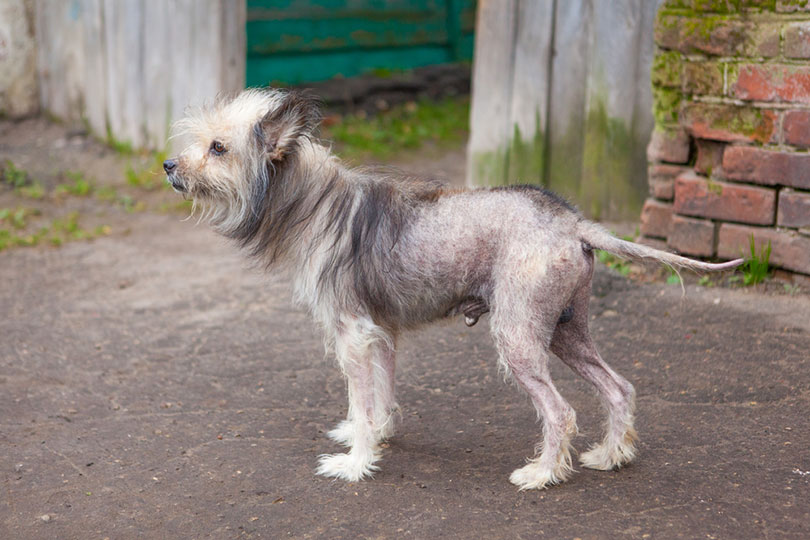
Experiencing sudden or significant hair loss in your beloved canine companion can be a concerning sight. A patchy dog coat or visibly thinning fur can indicate a range of issues, from minor environmental irritations to more serious health concerns. Fortunately, for many dogs, dog hair regrowth is achievable with the right approach. This comprehensive guide will delve into the various reasons behind canine alopecia causes, explore effective dog shedding remedies, and highlight natural and safe dog hair loss treatments to encourage fast dog hair growth and achieve dog fur restoration.
Deciphering the Roots of Hair Loss
Before we can effectively tackle hair loss, it’s crucial to understand why it happens. Canine alopecia causes are diverse and can stem from a variety of factors. Identifying the specific reason for your dog’s thinning coat is the first and most critical step towards successful dog hair regrowth.
Common Causes of Canine Alopecia
- Parasites: Fleas, mites (like Sarcoptes scabiei causing mange, or Demodex mites), and ticks are notorious culprits. These external invaders can cause intense itching, leading to excessive scratching and subsequent hair loss.
- Allergies: Dogs can be allergic to a multitude of things, including environmental factors (pollen, dust mites), food ingredients, or even flea saliva. Allergies often manifest as itchy skin, which, when scratched, damages hair follicles and inhibits dog hair growth.
- Infections: Bacterial or fungal infections of the skin, such as ringworm (a fungal infection), can cause circular patches of hair loss and inflamed skin.
- Hormonal Imbalances: Conditions like hypothyroidism (underactive thyroid) or Cushing’s disease can significantly impact a dog’s coat, leading to thinning hair, dullness, and hair loss, often in symmetrical patterns.
- Nutritional Deficiencies: A diet lacking essential vitamins, minerals, and fatty acids can weaken the hair follicles and contribute to a dull, brittle coat and hair loss.
- Genetics: Some breeds are predisposed to certain types of hair loss, such as seasonal flank alopecia or pattern baldness.
- Stress and Anxiety: Just like humans, dogs can experience hair loss due to stress, anxiety, or significant environmental changes. This can lead to over-grooming or a general decline in coat health.
- Medication Side Effects: Certain medications can have hair loss as a side effect.
- Trauma or Injury: Physical trauma to the skin, such as burns, cuts, or even prolonged pressure from lying on a hard surface, can damage hair follicles and prevent regrowth.
Natural Approaches for Dog Hair Growth
Once you have a clearer idea of what might be causing your dog’s hair loss, you can explore natural and safe solutions to promote fast dog hair growth and dog fur restoration. These methods focus on supporting your dog’s overall health from the inside out.
Nutritional Powerhouses for a Healthy Coat
A balanced and nutrient-rich diet is the cornerstone of healthy hair growth. Ensuring your dog receives the right building blocks is paramount for dog hair regrowth.
Key Nutrients for Hair Health:
- Omega-3 and Omega-6 Fatty Acids: These are vital for skin and coat health. They help reduce inflammation, keep the skin moisturized, and strengthen hair follicles.
- Sources: Salmon oil, flaxseed oil, sardines, mackerel.
- Biotin (Vitamin B7): Biotin plays a crucial role in keratin production, the primary protein that makes up hair.
- Sources: Eggs, sweet potatoes, brewer’s yeast.
- Zinc: Zinc is essential for cell growth and repair, including hair follicle development.
- Sources: Lean meats, pumpkin seeds.
- Vitamin E: A powerful antioxidant that protects hair follicles from damage.
- Sources: Nuts, seeds, leafy green vegetables.
- Protein: Hair is made of protein, so adequate protein intake is essential for new hair growth.
- Sources: High-quality animal proteins like chicken, beef, lamb, and fish.
Diet Customization:
- High-Quality Dog Food: Opt for premium dog food brands that list a quality protein source as the first ingredient.
- Supplements: If you’re concerned about your dog’s diet or if the vet recommends it, consider high-quality supplements. Always consult your veterinarian before introducing any new supplements. They can help you choose the right dosage and type for your dog.
Topical Treatments for a Soothing Scalp
Directly applying treatments to the skin can provide targeted relief and promote dog hair regrowth.
Natural Oil Treatments:
- Coconut Oil: Rich in fatty acids, coconut oil can moisturize the skin and coat, reducing dryness and irritation. It can also have anti-inflammatory properties. Gently massage a small amount into affected areas.
- Olive Oil: Similar to coconut oil, olive oil can help moisturize and nourish the skin.
- Rosehip Oil: Known for its regenerative properties, rosehip oil can aid in skin repair and promote hair growth. Ensure it’s pure and organic.
- Aloe Vera: Pure aloe vera gel (from the plant or a veterinarian-approved product) has soothing and healing properties. It can calm irritated skin and create a more favorable environment for dog hair growth.
Herbal Solutions:
- Chamomile: Brewed chamomile tea can be used as a soothing rinse for irritated skin, helping to reduce inflammation and itching.
- Calendula: Calendula oil or cream can be applied topically to aid skin healing and reduce inflammation.
Managing Environmental Factors and Irritants
Sometimes, the solution to dog hair thinning solutions lies in minimizing exposure to things that irritate the skin.
Flea and Tick Prevention:
- Natural Preventatives: Consider natural flea and tick repellents made with essential oils like lavender, cedarwood, or peppermint (ensure they are safe for dogs and used in diluted forms).
- Regular Grooming: Frequent brushing helps remove fleas and ticks and distributes natural skin oils, which is beneficial for dog hair growth.
Bathing Practices:
- Gentle Shampoos: Use mild, natural, or hypoallergenic shampoos specifically formulated for dogs. Avoid harsh chemicals that can strip the skin of its natural oils.
- Bathing Frequency: Over-bathing can dry out the skin and hinder dog hair growth. Bathe your dog only when necessary.
- Lukewarm Water: Use lukewarm water for baths to avoid shocking or irritating the skin.
Addressing Underlying Health Issues
It is imperative to remember that dog hair loss treatments must often address the root cause. If parasites, infections, or hormonal issues are the culprit, natural remedies alone may not be sufficient.
When to Seek Veterinary Advice
This is where professional guidance becomes indispensable. Consulting your veterinarian is the most critical step in diagnosing and treating dog hair loss.
Signs Warranting a Vet Visit:
- Sudden or Widespread Hair Loss: If your dog loses a significant amount of hair quickly or in large patches.
- Skin Irritation: Redness, sores, pustules, scabs, or excessive scratching.
- Lethargy or Changes in Behavior: If the hair loss is accompanied by other signs of illness.
- No Improvement: If natural remedies haven’t shown any improvement after a reasonable period.
Veterinary Diagnostic Tools:
- Skin Scrapings: To check for mites.
- Fungal Cultures: To detect ringworm.
- Blood Tests: To assess hormone levels (thyroid, cortisol) and identify internal diseases.
- Allergy Testing: To identify environmental or food allergens.
- Biopsy: In some cases, a small skin sample may be taken for microscopic examination.
Veterinary Treatment Options
Based on the diagnosis, your veterinarian may recommend:
- Medications: Antibiotics, antifungals, antiparasitic drugs, or hormonal supplements.
- Allergy Management: Antihistamines, specialized diets, or immunotherapy.
- Topical Treatments: Medicated shampoos, conditioners, or creams.
Stimulating Follicle Activity for Fast Dog Hair Growth
Beyond addressing the cause, certain practices can actively encourage new hair to sprout.
The Power of Gentle Massage
Massaging your dog’s scalp and body can increase blood circulation to the hair follicles, which is beneficial for dog hair growth. Use gentle, circular motions with your fingertips. You can incorporate natural oils like coconut oil during massage for added benefit.
Brushing Techniques
Regular brushing is not just about appearance; it’s about stimulating the skin and distributing natural oils.
- Soft Bristle Brushes: Use brushes with soft bristles that won’t irritate the skin.
- Daily Brushing: Aim for daily brushing sessions, even if it’s just for a few minutes. This helps to remove loose hair, prevent matting, and stimulate circulation.
Common Areas of Concern and Targeted Solutions
Sometimes, hair loss is localized, creating a patchy dog coat. Addressing these specific areas can be key to overall dog fur restoration.
Dealing with a Patchy Dog Coat
- Identify the Patchy Area: Observe where the hair loss is most prominent. Is it on the flanks, back, face, or legs?
- Targeted Topical Treatments: Apply natural soothing agents like aloe vera or diluted tea tree oil (with extreme caution and veterinarian approval, as it can be toxic if ingested) to the affected patches.
- Parasite Control: If fleas or ticks are suspected, focus on rigorous parasite control for the entire body.
Dog Hair Thinning Solutions: Beyond the Roots
- Environmental Enrichment: If stress is a factor, ensure your dog has enough mental and physical stimulation. Puzzle toys, interactive games, and regular exercise can help reduce anxiety.
- Comfortable Living Space: Ensure your dog has a comfortable, stress-free environment.
Natural Supplements for Dog Hair Growth
Beyond dietary components, specific natural supplements can aid in dog hair regrowth. Always consult your veterinarian before administering any supplements.
Beneficial Natural Supplements:
- Fish Oil: A rich source of Omega-3 fatty acids, excellent for reducing inflammation and promoting a healthy coat.
- Brewer’s Yeast: Contains B vitamins, including biotin, which are crucial for hair health.
- Probiotics: A healthy gut microbiome can improve nutrient absorption, indirectly benefiting hair growth.
Natural Shampoos and Conditioners
When bathing, choosing the right products can make a significant difference in dog fur restoration.
Best Natural Shampoos and Conditioners:
- Oatmeal-Based Shampoos: Oatmeal is known for its soothing and anti-inflammatory properties, ideal for sensitive or irritated skin.
- Hypoallergenic Formulas: Look for shampoos free from sulfates, parabens, and artificial fragrances.
- Conditioners with Natural Oils: Conditioners containing coconut oil, shea butter, or argan oil can add moisture and promote shine.
Table: Natural Remedies for Dog Hair Loss
| Remedy | How it Helps | Application/Usage | Precautions |
|---|---|---|---|
| Omega-3 Fatty Acids | Reduces inflammation, nourishes skin and follicles. | Dietary supplement (fish oil, flaxseed oil), high-quality food. | Consult vet for dosage. |
| Coconut Oil | Moisturizes skin, anti-inflammatory. | Topical massage, small amount added to food. | Use sparingly to avoid greasy coat. |
| Aloe Vera Gel | Soothes irritated skin, promotes healing. | Apply pure gel to affected areas. | Ensure it’s pure aloe vera, not products with additives. |
| Biotin | Crucial for keratin production, strengthens hair. | Dietary supplement, found in brewer’s yeast. | Consult vet for dosage. |
| Gentle Brushing | Stimulates circulation, distributes natural oils, removes loose hair. | Daily brushing with a soft-bristle brush. | Avoid over-brushing or rough brushing. |
| Chamomile Tea | Soothes itchy, irritated skin. | Cooled chamomile tea as a final rinse after bathing. | Ensure tea is fully cooled. |
| High-Quality Diet | Provides essential nutrients for follicle health and hair growth. | Feed premium dog food with a protein-rich ingredient list. | Ensure food is appropriate for your dog’s life stage and breed. |
| Flea & Tick Control | Prevents parasitic irritation that leads to scratching and hair loss. | Natural repellents or vet-approved treatments. | Always use dog-specific products. |
FAQs About Dog Hair Regrowth
Q1: How long does it take for dog hair to grow back?
A1: The timeframe for dog hair regrowth varies significantly depending on the cause and severity of the hair loss. Minor issues might see improvement in a few weeks, while more significant problems could take several months. Consistent and appropriate treatment is key.
Q2: Can I use human hair growth products on my dog?
A2: No, it is generally not recommended to use human hair growth products on dogs. Their skin pH and sensitivities are different, and many human products contain ingredients that can be harmful or toxic to dogs. Always use products specifically formulated for canine use, and ideally, consult your veterinarian.
Q3: What are the best natural supplements for fast dog hair growth?
A3: The most effective natural supplements for promoting fast dog hair growth include Omega-3 fatty acids (fish oil), biotin, and zinc. These nutrients support skin health and hair follicle function. Always discuss supplement use with your veterinarian.
Q4: My dog has a patchy dog coat. What should I do?
A4: A patchy dog coat can have various causes. Start by examining the patches for any signs of irritation, redness, or parasites. Gently brush the area to check for fleas. If the cause isn’t obvious or the patches are growing, consult your veterinarian to rule out underlying medical conditions.
Q5: Are there any home remedies that can help with dog hair thinning solutions?
A5: Yes, several natural home remedies can support dog hair thinning solutions. These include dietary adjustments with Omega-3 rich foods, topical applications of coconut oil or aloe vera, gentle massage to improve circulation, and regular, gentle brushing. However, these are most effective when addressing minor issues or as complementary treatments to veterinary care.
Q6: Can stress cause my dog to lose hair?
A6: Yes, stress and anxiety can absolutely contribute to dog hair loss. When dogs are stressed, they may over-groom themselves (leading to hair loss) or their overall health, including coat condition, can decline. Providing a stable, enriching environment and addressing the source of stress is important.
Q7: What is the role of veterinary advice for dog hair loss?
A7: Veterinary advice for dog hair is crucial because a veterinarian can accurately diagnose the cause of hair loss, which may range from simple skin irritation to serious underlying health problems like hormonal imbalances or autoimmune diseases. Based on the diagnosis, they can recommend the most effective and safe treatment plan, which might include prescription medications or specific therapies in addition to natural approaches.
By understanding the multifaceted nature of canine hair loss and employing natural, safe, and veterinarian-approved strategies, you can significantly improve your dog’s coat health and encourage robust dog hair regrowth. Remember, patience and consistency are key to achieving a full, healthy coat for your furry friend.