
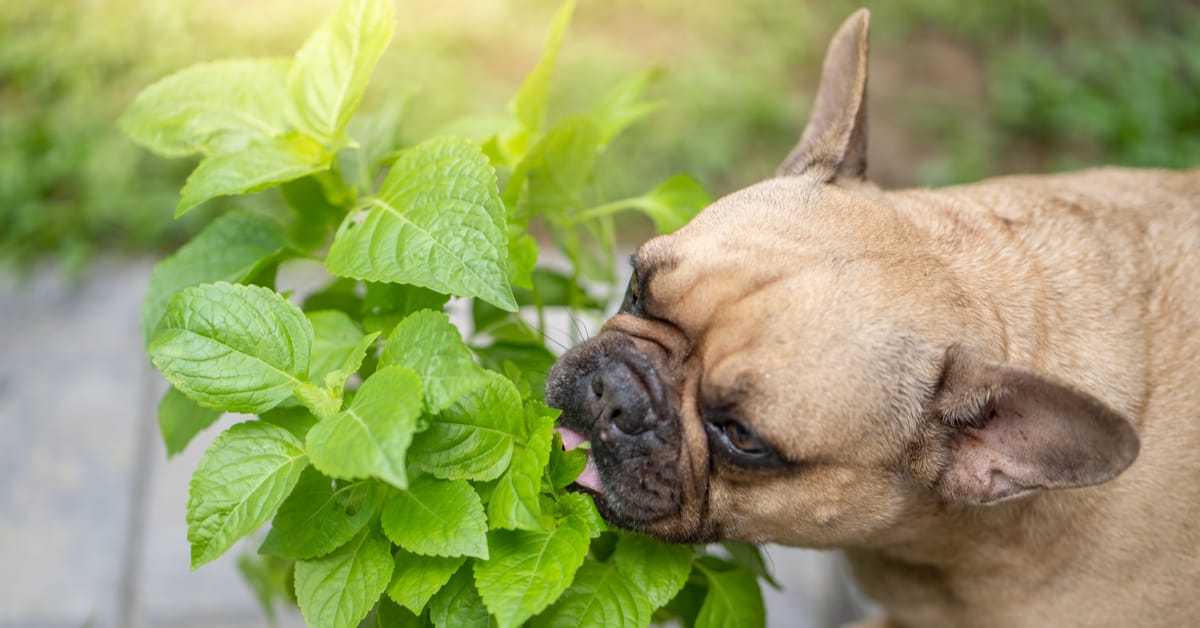
Image Source: outwardhound.com
Why Would A Dog Eat Leaves? Causes Explained
Can dogs eat leaves? Yes, dogs can eat leaves, and it’s a common behavior. While it might seem odd, there are several reasons why your canine companion might nibble on foliage. Some dogs eat leaves out of boredom, while others may be experiencing digestive upset. This behavior, especially when accompanied by other unusual eating habits like eating dirt or foreign objects, can sometimes point towards a condition known as pica in dogs. Understanding these underlying causes is key to ensuring your dog’s well-being.
Decoding the Leaf-Eating Phenomenon
Foliage, whether from the garden or the great outdoors, can be a tempting treat for dogs. This habit, often referred to as “grazing,” is a natural behavior for many canines. However, when it becomes excessive or accompanied by other worrying signs, it’s worth investigating.
Common Motivations Behind Leaf Consumption
Several factors can contribute to a dog’s desire to munch on leaves. These range from simple curiosity to more complex physiological needs.
- Boredom and Lack of Stimulation: Dogs, like humans, need mental and physical engagement. When bored, they can resort to unusual behaviors to entertain themselves. Chewing on leaves can be a way to pass the time, especially if they lack adequate toys, exercise, or interaction. This can also be seen in dog behavior causes related to anxiety or stress.
- Curiosity and Exploration: Especially in puppies, mouthing and chewing are ways to explore their environment. Leaves offer a new texture and smell, making them an interesting object to investigate.
- Digestive Upset and Nausea: This is one of the most frequently cited reasons. Dogs may eat grass or leaves when they feel unwell, particularly experiencing stomach upset or nausea. The roughage in leaves can sometimes help induce vomiting, which may relieve discomfort. If your dog is showing other dog indigestion symptoms, this could be a key indicator.
- Nutritional Deficiencies: Although less common in dogs fed a balanced diet, a lack of certain nutrients could theoretically lead a dog to seek them out in other food sources, including vegetation. However, modern dog foods are typically formulated to meet all nutritional needs.
- Dietary Imbalance or Insufficient Fiber: Some veterinarians suggest that dogs might eat leaves if their diet lacks sufficient fiber. The roughage can aid digestion and provide a feeling of fullness.
- Taste and Texture Preference: Some dogs simply seem to enjoy the taste or texture of certain leaves. It’s possible they find a particular type of leaf palatable.
- Seeking Attention: If a dog learns that eating leaves garners a reaction from their owner (even a negative one), they might repeat the behavior to get attention.
Distinguishing Between “Grass Eating Dogs” and Leaf Eaters
While often grouped together, there are nuances between grass eating dogs and those who prefer leaves.
- Grass Eating: This is a very common canine behavior. Many dogs eat grass periodically without any apparent distress. It’s thought to be a natural instinct, potentially to aid digestion or because they enjoy the sensation.
- Leaf Eating: While less common than grass eating, it’s still a normal behavior for many dogs. The reasons can overlap with grass eating but might also be more closely linked to specific digestive issues or behavioral motivations.
When to Worry: Red Flags Associated with Leaf Consumption
While occasional leaf nibbling is usually not a cause for alarm, certain signs indicate a need for veterinary attention.
Signs That Suggest a Deeper Problem
- Vomiting or Diarrhea: If your dog eats leaves and then vomits or has diarrhea, especially if it’s frequent or contains blood, it’s a serious concern. This could be a sign of gastrointestinal irritation or obstruction.
- Lethargy or Weakness: A sudden decrease in energy levels can indicate illness.
- Loss of Appetite: If your dog stops eating their regular food, it’s a worrying sign.
- Weight Loss: Unexplained weight loss is always a cause for concern.
- Eating Other Non-Food Items: If your dog is not only eating leaves but also dog eating dirt, dog eating poop (coprophagia), or dog eating foreign objects like rocks or fabric, this strongly points to pica.
The Link to Pica in Dogs
Pica in dogs is a condition characterized by the persistent eating of non-food items. This can include anything from soil and sand to plastic, fabric, and, of course, leaves. Pica can stem from various causes:
- Medical Issues:
- Gastrointestinal Disorders: Conditions like inflammatory bowel disease, parasites, or pancreatitis can cause discomfort and lead dogs to eat unusual things.
- Anemia: Iron deficiency can sometimes trigger pica.
- Endocrine Diseases: Conditions like diabetes or thyroid problems can also play a role.
- Neurological Disorders: In rare cases, neurological issues might influence this behavior.
- Behavioral Issues:
- Anxiety and Stress: Dogs experiencing separation anxiety, fear, or general stress may resort to eating non-food items as a coping mechanism.
- Boredom: As mentioned earlier, lack of stimulation is a major behavioral trigger.
- Attention-Seeking: Dogs learn that certain behaviors get a reaction.
- Obsessive-Compulsive Disorder (OCD): Some dogs may develop compulsive behaviors, including pica.
Addressing Leaf-Eating Behavior
If you’re concerned about your dog’s leaf-eating habits, several approaches can help.
Veterinary Consultation is Key
The first and most crucial step is to consult your veterinarian. They can help rule out any underlying medical conditions and provide tailored advice.
- Physical Examination: Your vet will perform a thorough physical exam.
- Diagnostic Tests: Blood work, fecal tests, and X-rays might be recommended to identify any internal issues.
- Dietary Evaluation: The vet can assess your dog’s current diet for any deficiencies or imbalances.
Modifying Your Dog’s Diet and Environment
Based on your vet’s recommendations, you can make adjustments to your dog’s diet and lifestyle.
- High-Quality Diet: Ensure your dog is eating a balanced, high-quality dog food appropriate for their age, breed, and activity level.
- Increased Fiber: If your vet suggests it, you might consider adding a safe fiber supplement or switching to a food with higher fiber content. This can aid digestion and potentially reduce the urge to eat roughage from leaves.
- Digestive Support: For dog indigestion symptoms or dog nausea relief, your vet might recommend specific probiotics or dietary changes.
Behavioral Interventions
Addressing the behavioral aspects is as important as the physical ones.
- Enrichment and Exercise: Provide plenty of mental and physical stimulation. This includes daily walks, playtime, puzzle toys, and training sessions. A tired dog is a less destructive dog.
- Supervision: Keep a close eye on your dog when they are outdoors. This allows you to intervene before they start eating leaves and to remove any tempting vegetation.
- “Leave It” Command: Teach your dog the “leave it” command. This is a vital tool for preventing them from eating anything they shouldn’t, including leaves and other potential hazards like dog eating foreign objects.
- Chew Toys: Offer a variety of safe and appealing chew toys to satisfy their oral fixation and provide an alternative to leaves.
Managing Specific Scenarios
- Dog Eating Houseplants: If your dog is dog eating houseplants, it’s crucial to move plants out of reach or choose non-toxic varieties. Houseplants can be dangerous if ingested, and some are toxic to dogs.
- Preventing Eating of Non-Food Items: For dogs prone to dog eating dirt or other non-food items, consistent supervision and redirection are essential.
Is Eating Leaves Dangerous?
The danger of a dog eating leaves depends on the type of leaves and the quantity consumed.
Potential Risks Associated with Leaf Ingestion
- Toxicity: Many plants and trees have leaves that are toxic to dogs. Ingesting these can lead to mild gastrointestinal upset or severe poisoning, depending on the plant. Common toxic plants include lilies, azaleas, rhododendrons, and oleander.
- Gastrointestinal Upset: Even non-toxic leaves can cause vomiting or diarrhea if consumed in large quantities, due to their indigestible nature.
- Obstruction: In rare cases, a large amount of ingested leaves could potentially cause a blockage in the digestive tract, especially if combined with other ingested materials like dog eating foreign objects.
Safe Leaf Alternatives
If your dog enjoys chewing on fibrous material, consider offering safe alternatives.
- Dental Chews: Specially designed chews can help clean teeth and satisfy chewing urges.
- Vegetable Snacks: Some dogs enjoy chewing on carrots or green beans. Always ensure these are prepared safely and are appropriate for your dog.
- Edible or Durable Chew Toys: A wide variety of chew toys are available that can provide a satisfying chewing experience.
Frequently Asked Questions (FAQ)
- Q1: My dog eats leaves every day. Is this normal?
A: While some dogs eat leaves regularly without issue, daily consumption warrants a closer look. It’s best to consult your veterinarian to rule out any underlying health or behavioral problems. - Q2: Can eating leaves make my dog sick?
A: Yes, if the leaves are from a toxic plant or if your dog eats a large quantity, it can cause sickness. Even non-toxic leaves can lead to digestive upset. - Q3: What should I do if my dog eats a toxic leaf?
A: If you suspect your dog has eaten a toxic leaf, contact your veterinarian or an animal poison control center immediately. Try to identify the plant if possible. - Q4: How can I stop my dog from eating leaves?
A: Stop the behavior by supervising your dog, providing ample enrichment, teaching commands like “leave it,” and offering safe chew alternatives. If the cause is medical, addressing that with your vet is paramount. - Q5: My dog eats leaves and then throws up. What does this mean?
A: This often indicates that the dog ate leaves because they were feeling nauseous, and the roughage helped them vomit to feel better. However, persistent vomiting after eating leaves could also signal a more serious digestive issue or irritation.
By paying attention to your dog’s behavior, seeking professional veterinary advice when necessary, and implementing appropriate training and enrichment strategies, you can help your furry friend steer clear of harmful leaf consumption and ensure their overall well-being.