
The exact dog hair count is impossible to pinpoint to a single number for all dogs, as it varies wildly depending on breed, size, and individual factors, but it can range from tens of thousands to over a million individual hairs.
Have you ever looked at your furry friend and wondered about the sheer volume of their coat? It’s a question many dog owners ponder, especially during shedding season. The reality is that the number of hairs on a dog is astonishingly high, and it’s influenced by a complex interplay of genetics, environment, and care. Let’s dive deep into the fascinating world of canine hair.
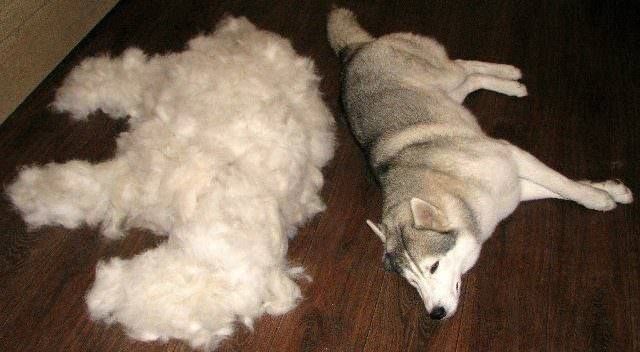
Image Source: iheartdogs.com
The Science Behind a Dog’s Coat
A dog’s coat isn’t just about looks; it’s a vital protective layer. It shields them from the elements, regulates body temperature, and can even communicate their mood. The density and type of hair a dog possesses are key to its function.
Hair Follicles: The Root of the Matter
Every single strand of hair on your dog grows from a tiny structure embedded in the skin called a dog hair follicle. These follicles are the microscopic factories that produce hair. A single dog can have millions of these follicles distributed across its entire body. The number of follicles per square inch, or hair per square inch dog, is a significant factor in overall coat thickness and density.
Key Aspects of Dog Hair Follicles:
- Growth Cycles: Each follicle goes through distinct growth phases: anagen (growth), catagen (transition), and telogen (resting). This cycle dictates when hair grows, stops growing, and eventually sheds.
- Sebaceous Glands: Most follicles are associated with a sebaceous gland, which produces sebum, an oily substance that lubricates the hair and skin, providing natural waterproofing and shine.
- Arrector Pili Muscle: A tiny muscle attached to each follicle can contract, causing the hair to stand on end. This is what causes a dog’s hackles to rise when they are scared or excited.
Dog Hair Type: A Diverse Spectrum
The dog hair type is incredibly varied, playing a crucial role in how dense and voluminous a coat appears. We can broadly categorize dog hair into a few main types:
- Smooth Coat: Short, fine hairs that lie close to the skin. Examples include Greyhounds and Dachshunds.
- Wirehaired Coat: A coarse, wiry outer coat with a softer undercoat. Terriers often have this type, like Schnauzers and Wire Fox Terriers.
- Curly Coat: Hair that forms tight curls, often with less shedding. Poodles and Bichon Frises are prime examples.
- Double Coat: This is where the sheer number of hairs truly shines. Double-coated dogs have a dense, soft undercoat for insulation and a longer, coarser topcoat for protection. Breeds like Huskies, German Shepherds, and Golden Retrievers are known for their double coats. The dog coat density in these breeds is remarkably high.
- Single Coat: Dogs with a single coat have only one layer of hair, often longer and without the insulating undercoat. Examples include the Yorkshire Terrier and the Afghan Hound.
Factors Affecting Dog Hair Count
So, how does a dog end up with so many hairs? Several factors contribute to the overall dog fur volume and the sheer number of hairs a dog possesses.
Breed Predispositions: The Genetic Blueprint
The most significant factor influencing the dog hair count is the breed. Different breeds have been selectively bred over centuries for specific coat types suited to particular environments and purposes.
- Cold-Climate Breeds: Breeds originating from colder regions, such as the Siberian Husky, Alaskan Malamute, and Samoyed, typically possess incredibly dense double coats to withstand harsh winters. They have a high hair per square inch dog count to maximize insulation.
- Breeds for Hunting or Working: Dogs bred for outdoor work, like retrievers or herding dogs, often have coats that offer protection from the elements, burrs, and rough terrain. This usually means a thicker, more substantial coat.
- Companion Breeds: Some companion breeds have been bred for specific aesthetic qualities, which can include very fine or very long hair, or minimal shedding, influencing the overall hair count and density.
Dog Breed Coat Differences: A Comparative Glance
To illustrate the significant dog breed coat differences, consider these examples:
| Breed | Typical Coat Type | Estimated Hair Count (Millions) | Factors Contributing to Count |
|---|---|---|---|
| Siberian Husky | Double Coat | 5-10+ | Dense undercoat, coarse topcoat |
| Poodle (Standard) | Curly, Single Coat | 3-6 | Dense curls, slow shedding |
| Yorkshire Terrier | Single Coat, Long Hair | 2-4 | Fine, long strands |
| Dachshund (Smooth) | Smooth Coat, Single | 1-2 | Short, fine hairs |
| Golden Retriever | Double Coat | 4-8 | Moderate undercoat, dense topcoat |
| Schnauzer (Standard) | Wirehaired, Double Coat | 3-5 | Coarse outer, soft inner |
Note: These are rough estimates and can vary significantly between individuals within a breed.
Age and Health: The Life Cycle of a Coat
A dog’s age and overall health also play a role in its coat’s density and thickness, thereby influencing the dog hair count.
- Puppies vs. Adults: Puppies often have a softer, finer coat that gradually develops into their adult coat. This transition can involve changes in density and texture.
- Seniors: Older dogs may experience thinning of their coat, leading to a decrease in the overall dog fur volume.
- Health Conditions: Various health issues, such as hormonal imbalances (e.g., hypothyroidism), nutritional deficiencies, allergies, parasites, and skin infections, can lead to hair loss or a less dense coat, impacting the dog hair count.
Environmental Influences: Adapting to Surroundings
While genetics dictates the potential for a thick coat, the environment can influence how that potential is expressed.
- Climate: Dogs living in colder climates may develop a thicker, denser coat with more undercoat during the winter months to cope with the cold. This phenomenon is often referred to as “blowing coat.” Conversely, dogs in warmer climates might have a less dense coat.
- Nutrition: A balanced diet rich in essential fatty acids (like Omega-3 and Omega-6), vitamins, and minerals is crucial for healthy hair growth. Poor nutrition can lead to a dull, brittle coat with increased shedding, affecting the overall dog hair count.
Comprehending Canine Shedding Levels
The amount of hair a dog sheds is directly related to how much hair they have and the growth cycle of their dog hair follicles. Canine shedding levels are a common concern for owners.
- Seasonal Shedding: Many dogs, especially those with double coats, shed heavily twice a year, typically in spring and autumn. This is their way of adapting to changing temperatures, shedding the thick winter undercoat or the lighter summer coat.
- Continuous Shedding: Some breeds shed continuously throughout the year, though often in smaller amounts. This is normal hair turnover as old hairs reach the end of their growth cycle and are replaced by new ones.
- Non-Shedding Breeds (Mostly): Breeds often described as “non-shedding” (like Poodles or Portuguese Water Dogs) actually shed very little because their hair has a longer growth cycle and gets trapped in their curly coat rather than falling out freely. However, they still have dog hair follicles and hair that needs to be removed through grooming.
The Role of Dog Grooming and Hair Care
Proper dog grooming and hair care are essential for maintaining a healthy coat and managing shedding.
- Brushing: Regular brushing helps to remove loose hair, prevent matting, distribute natural oils, and stimulate the skin. For breeds with dense undercoats, thorough brushing can significantly reduce the amount of hair that ends up on your furniture.
- Bathing: While over-bathing can strip natural oils, occasional baths with appropriate dog shampoos can help keep the coat clean and healthy.
- Diet: As mentioned, a good diet is fundamental. Talk to your veterinarian about the best food for your dog’s specific needs.
- Professional Grooming: For some breeds, professional grooming, including clipping and de-shedding treatments, is necessary to maintain coat health and manage dog fur volume.
Fathoming the Sheer Volume: Estimating the Count
While a precise count is elusive, we can appreciate the magnitude. If a medium-sized dog has an average of, say, 500 hair per square inch dog, and covers an area of roughly 10,000 square inches, that’s already 5 million hairs! For breeds with significantly denser coats, this number can easily exceed 10 or even 20 million hairs.
Consider the following:
- Surface Area: A dog’s entire body surface area, excluding paws and face, can be quite large.
- Hair Density: Dog coat density varies drastically. A Husky’s undercoat is packed much tighter than a Greyhound’s sleek coat.
- Hair Length and Thickness: Longer, thicker hairs contribute to a higher visual volume, but the number of follicles is the true determinant of the count.
Amazing Facts About Dog Hair
- Unique Fingerprints: Just like human fingerprints, the pattern of hair growth and the texture of a dog’s coat can be unique to the individual.
- Color Variations: The pigments responsible for dog coat colors are melanin. Different types and combinations of melanin create the vast array of colors and patterns seen in dogs.
- Growth Rate: The average hair growth rate in dogs is about 0.5 inches per month, but this can vary by breed and individual.
- Seasonal Coat Changes: Many dogs experience a significant increase in their dog fur volume during certain seasons as their bodies prepare for temperature changes. This involves changes in the thickness and density of their undercoat.
- Waterproofing: The sebum produced by dog hair follicles creates a natural barrier, helping to repel water and keep the skin dry.
- Protection: Dog hair protects the skin from sunburn, minor abrasions, and insect bites.
- Communication: The way a dog’s hair stands on end (piloerection) is a form of non-verbal communication, indicating fear, excitement, or aggression.
Frequently Asked Questions (FAQ)
Q1: Does my dog shed a lot because it’s unhealthy?
While excessive or sudden shedding can be a sign of an underlying health issue, normal shedding is a natural process. Many dogs, especially those with double coats, shed heavily seasonally. If you notice bald patches, skin irritation, or a dull, brittle coat along with shedding, it’s best to consult your veterinarian.
Q2: How can I reduce my dog’s shedding?
Regular brushing is the most effective way to manage shedding. Using the right tools, such as a deshedding brush or a slicker brush, can help remove loose undercoat. A healthy diet and proper hydration also contribute to coat health and can minimize excessive shedding.
Q3: Are “non-shedding” dogs truly non-shedding?
No, all dogs shed to some extent. Breeds considered “non-shedding” typically have hair that grows continuously and is shed very slowly, often getting caught in their coat. This hair needs to be removed through regular grooming to prevent matting.
Q4: What is dog coat density?
Dog coat density refers to how closely packed the hairs are on a dog’s skin. It’s influenced by the number of dog hair follicles per square inch and the thickness of the undercoat, if present. Breeds with dense coats have a high hair per square inch count.
Q5: How does dog breed coat differences affect grooming needs?
Significant dog breed coat differences dictate grooming requirements. Breeds with double coats or long, flowing hair need more frequent brushing and potentially professional grooming compared to breeds with short, smooth coats. Managing canine shedding levels also varies greatly by breed.
The world of a dog’s coat is a marvel of nature. From the intricate workings of dog hair follicles to the vast variations in dog hair type and dog breed coat differences, each hair plays a role in a dog’s health, comfort, and appearance. The next time you pet your dog, take a moment to appreciate the millions of tiny strands that make up their magnificent coat!