
Can you stud your dog out? Yes, you can stud your dog out if your dog is healthy, has a good temperament, and meets the breed’s standard. However, doing so requires careful consideration, planning, and a commitment to responsible practices to ensure the safety and well-being of all involved, especially the dogs and potential puppies. This guide will delve into the intricacies of offering your dog for dog stud services, helping you navigate the process with confidence and ethical awareness.
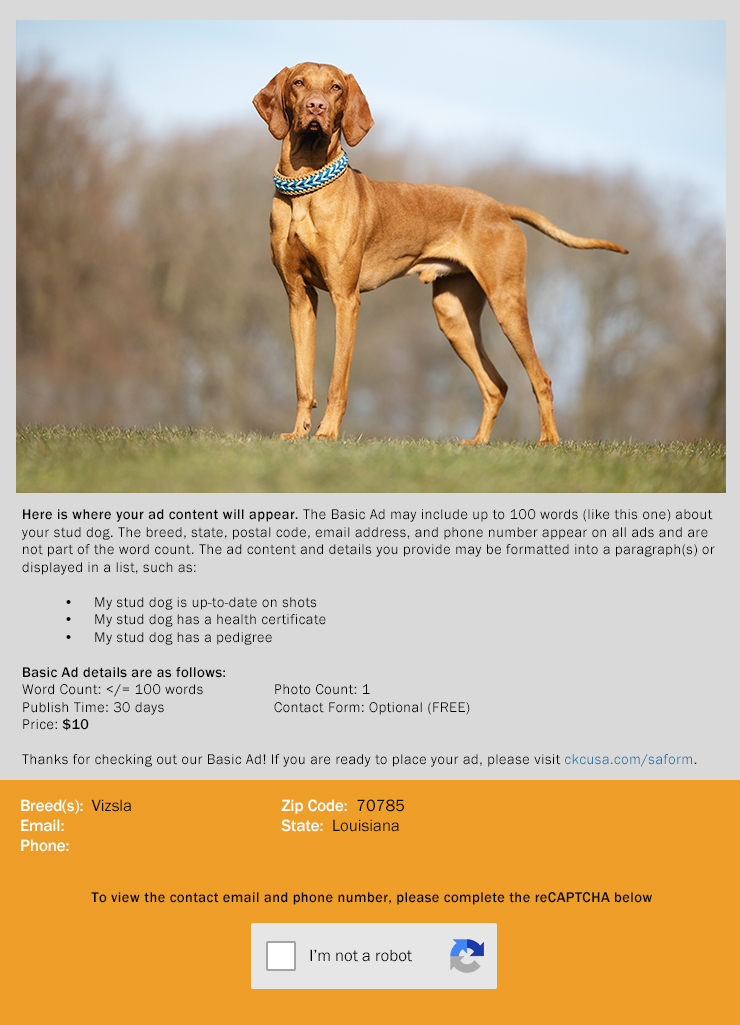
Image Source: ckcusa.com
Deciphering the Process: Offering Your Dog as a Stud
Offering your dog as a stud is a significant decision that goes beyond simply having a desirable male dog. It’s about contributing positively to the breed’s gene pool, promoting health, and ensuring the welfare of every dog involved.
The Prerequisite: Is Your Dog Ready?
Before considering stud dog services, a thorough assessment of your dog is paramount. This isn’t just about physical appearance; it encompasses health, temperament, and genetic soundness.
Health and Genetic Screening
Responsible dog breeding starts with impeccable health. Your dog must be free from inheritable diseases prevalent in his breed.
- Veterinary Examinations: Regular check-ups are essential. Discuss your intentions with your veterinarian. They can advise on necessary health clearances.
- Genetic Testing: Many breeds have specific genetic conditions that can be tested for. This includes hip and elbow dysplasia, eye conditions, heart issues, and more. Certified testing through organizations like the Orthopedic Foundation for Animals (OFA) or the Canine Health Information Center (CHIC) is crucial.
- Brucellosis Testing: This is a mandatory test for any dog involved in breeding. Brucellosis is a contagious bacterial infection that can cause infertility, miscarriages, and other serious health problems in dogs and can also be transmitted to humans. A current negative test is required before any breeding can take place.
- General Health: Ensure your dog is up-to-date on vaccinations, deworming, and parasite prevention.
Temperament Assessment
A dog’s temperament is as important as his physical traits. A stud dog should have a stable, friendly, and predictable disposition.
- Socialization: Has your dog been well-socialized from a young age? A well-adjusted dog is more likely to produce stable offspring.
- Behavioral Traits: Observe your dog’s interactions with people and other animals. Aggression, excessive fear, or anxiety are undesirable traits that should not be passed on.
- Breed Standard: Does your dog conform to the breed standard? This includes physical characteristics and temperament.
Pedigree and Conformation
For purebred dogs, a strong pedigree is a significant factor.
- Registered Pedigree: Ensure your dog is registered with a recognized kennel club (e.g., AKC, The Kennel Club). A documented lineage allows for tracing health and temperament history.
- Conformation: Does your dog have excellent conformation to the breed standard? This means his physical structure is sound and aligns with the ideal for his breed. A well-conformed dog is less likely to pass on structural faults. Offering a pedigree dog stud can be a valuable contribution to preserving breed quality.
Finding a Mate for Your Dog: The Art of Selection
When you’re ready to offer your dog as a stud, you’re actively participating in finding a mate for your dog – specifically, seeking suitable females for him to sire. This requires a proactive and discerning approach.
The Process of Seeking a Stud Arrangement
Offering your dog for stud services often involves actively seeking out potential female dog owners who are looking for a stud. This is where the concept of finding a stud dog is flipped – you are the stud dog provider.
Where to Find Potential Mates
- Breed Clubs: Local and national breed clubs are excellent resources. Members are often knowledgeable breeders seeking quality studs for their females.
- Kennel Clubs: Many kennel clubs have online databases or directories that can connect breeders.
- Dog Shows and Events: Attending dog shows and events allows you to meet other breeders and see potential mates in person. This is a prime opportunity for finding a stud dog that complements your own.
- Online Platforms: Reputable dog breeding websites and forums can be used, but always exercise caution and due diligence.
- Veterinary Referrals: Your veterinarian may know of local breeders looking for stud services.
Evaluating Potential Mates
Just as you meticulously assess your male dog, you must also evaluate the females seeking your stud services.
- Health Clearances: Insist on seeing the same health clearances for the female that you would provide for your male.
- Temperament: Assess the female’s temperament and ensure it is compatible with your dog’s.
- Conformation and Pedigree: Does the female’s conformation and pedigree complement your dog’s? Aim to produce offspring that improve upon any weaknesses in either parent and strengthen desirable traits.
- Breeder Experience: Consider the experience level of the female’s owner. Experienced breeders are more likely to have a good understanding of dog breeding guidelines and best practices.
The Stud Dog Contract: Securing the Agreement
A stud dog contract is non-negotiable. It protects both parties and clarifies expectations, responsibilities, and terms of the breeding agreement.
Key Components of a Stud Dog Contract
- Identification of Dogs: Clearly identify both the stud dog and the female dog, including their registered names, registration numbers, and breed.
- Breeding Terms:
- Number of Ties/Attempts: Specify how many mating attempts will be made.
- Guarantee: Will there be a “tie” guarantee (i.e., a live puppy)? If so, what happens if the litter is small or none are born? Common guarantees include a free return service for the next heat cycle or a partial refund.
- Collection Method: Will the breeding be natural or via artificial insemination (AI)? If AI, who covers the cost of collection, shipping, and insemination?
- Stud Fee: This is a critical element.
- Amount: Clearly state the agreed-upon fee.
- Payment Schedule: When is the fee due? Typically, it’s paid at the time of the first mating, or a portion is paid upfront with the remainder due upon confirmation of pregnancy.
- Return Privileges: Outline the conditions under which the female owner can have a return service if the initial breeding does not result in pregnancy.
- Registration of Puppies: Specify who is responsible for registering the litter with the appropriate kennel club and what the expected process is for providing the sire’s information.
- Health Warranties: While no breeder can guarantee the health of puppies due to factors beyond their control, some contracts may include clauses regarding the stud dog’s known health status at the time of breeding.
- Reimbursement of Expenses: If any unexpected complications arise during the breeding process that are deemed the responsibility of the stud owner (rare, but possible), this should be addressed.
- Breeder’s Rights: The contract can stipulate that the stud owner has the right to be offered first refusal if the female owner decides to sell any puppies from the litter.
- Dispute Resolution: A clause outlining how disputes will be handled (e.g., mediation, arbitration).
- Signatures and Dates: Both parties must sign and date the contract, indicating their agreement to the terms.
It is highly recommended to have an attorney review your standard stud dog contract to ensure it is legally sound in your jurisdiction.
Navigating Stud Dog Fees: What to Expect
Stud dog fees vary widely and depend on several factors. Setting a fair fee is crucial for both the stud owner and the female owner.
Factors Influencing Stud Dog Fees
- Breed Popularity and Demand: More popular breeds or dogs with exceptional pedigrees and show records often command higher fees.
- Quality of the Stud Dog: A dog with multiple championships, proven progeny, and excellent health clearances will have a higher value.
- Your Location: Fees can vary regionally.
- Breeding Method: AI services often involve additional costs for collection, shipping, and veterinary procedures, which may be reflected in the fee or charged separately.
- “Puppy Back” Option: Some stud owners may opt for a “stud fee plus pick of the litter” arrangement, or a reduced fee with a puppy back from the litter. This should be clearly defined in the contract.
Typical Fee Structures
- Flat Fee: A set monetary amount paid at the time of breeding or confirmation of pregnancy.
- Stud Fee Plus Puppy: A smaller monetary fee, with the stud owner receiving the first or a specific pick of the litter.
- AI Fee: Often includes the cost of collection and the insemination procedure, or the fee is higher to cover these costs.
It’s important to be transparent about your fee structure and any potential additional costs associated with AI.
Dog Breeding Guidelines: Ethical and Practical Considerations
Adhering to dog breeding guidelines is fundamental to responsible dog breeding. These guidelines encompass everything from health testing to record-keeping and ethical treatment.
Key Principles of Responsible Dog Breeding
- Prioritize Health and Temperament: Only breed dogs that are healthy, free of genetic defects, and possess sound temperaments.
- Know Your Breed: Deeply understand the breed standard, common health issues, and genetic predispositions.
- Genetic Diversity: Consider the impact of your breeding choices on the broader gene pool. Avoid excessive inbreeding.
- Adequate Care and Facilities: Ensure you have the knowledge, time, resources, and proper facilities to care for pregnant bitches, puppies, and the stud dog.
- Screening Potential Mates: Be as diligent in evaluating the female dog as you are in presenting your male dog.
- Honest Communication: Maintain open and honest communication with the female owner throughout the process.
- Record Keeping: Maintain meticulous records of all health clearances, pedigrees, breeding dates, and offspring information.
- Puppy Placement: If you are involved in puppy placement, ensure puppies go to suitable, loving homes.
Dog Stud Etiquette: Professionalism in Practice
Dog stud etiquette is about professionalism, respect, and a shared commitment to the welfare of the dogs.
Professional Conduct When Offering Stud Services
- Be Prepared: Have all necessary health clearances, pedigree information, and contract readily available.
- Honesty and Transparency: Be upfront about your dog’s health status, temperament, and any limitations.
- Respect the Female Owner’s Choices: While you want to ensure your dog is a good match, respect the female owner’s decisions regarding their dog.
- Provide Information: Offer detailed information about your dog’s lineage, health testing, and any notable achievements.
- Be Punctual and Accommodating: If a physical meeting is required, be on time and as accommodating as possible with scheduling.
- Confidentiality: Treat all information about the female dog and her owner with confidentiality.
- Follow Through: Uphold all terms of the stud dog contract.
- Offer Support: Be available to answer questions from the female owner throughout the pregnancy and whelping process, within reasonable limits.
Choosing a Stud Dog: A Dual Perspective
The advice on choosing a stud dog applies to both sides of the equation. If you are offering your dog, you are implicitly presenting him as a desirable choice. If you are seeking a stud for your female, you must apply the same rigorous standards.
Attributes of a Well-Chosen Stud Dog
- Genetic Health: As previously mentioned, this is paramount. A stud dog should have undergone all relevant genetic testing for his breed.
- Sound Temperament: A stable, predictable temperament is essential for producing well-adjusted offspring.
- Breed Conformity: The dog should represent the ideal of his breed, both physically and in temperament, contributing positively to the breed standard.
- Proven Progeny (if applicable): A stud dog who has already sired healthy, well-tempered puppies is a more predictable choice.
- Good Structure: The dog should have sound physical structure, free from conformational faults that could be passed down.
- Good Nutrition and Care: A stud dog should be kept in excellent condition, well-fed, and properly exercised.
Frequently Asked Questions (FAQ)
Q1: What are the legal requirements for studding out a dog?
A1: Legal requirements vary by location. Generally, there are no specific licenses required to offer dog stud services. However, contract law applies to any agreements made. It is crucial to adhere to local animal welfare laws and, if artificial insemination is involved, veterinary regulations. Always ensure your dog is up-to-date on vaccinations and any required health screenings, such as Brucellosis testing, which is often mandated by kennel clubs for registration purposes.
Q2: How much should I charge for stud services?
A2: Stud dog fees are highly variable. They depend on the breed’s popularity, the dog’s pedigree, show titles, health clearances, and proven breeding history. Fees can range from a few hundred dollars to several thousand. Some owners opt for a “puppy-back” arrangement instead of, or in addition to, a monetary fee. Researching the going rates for your breed and your dog’s qualifications is essential.
Q3: What happens if the breeding doesn’t result in a pregnancy?
A3: This is where the stud dog contract is vital. Most contracts include a guarantee of a return service for the next heat cycle if the initial breeding doesn’t result in pregnancy. Some may offer a partial refund, but a return service is more common. Clarify these terms clearly before the breeding takes place.
Q4: When is the best time to stud out my dog?
A4: Your dog should be physically mature and in excellent health. For most breeds, this is after they have completed their growth, typically between 1.5 to 2 years of age, and have passed all necessary health screenings. Your veterinarian can provide guidance on the optimal age for your specific breed.
Q5: What if the female dog owner wants to use artificial insemination (AI)?
A5: AI is a common practice. If you agree to AI, the stud dog contract should clearly outline who is responsible for the costs of collection, shipping, and the veterinary insemination procedure. These costs can be borne by the female owner, or they might be incorporated into the overall stud fee. Ensure the semen is collected by a veterinarian and properly handled.
Q6: What health testing is absolutely necessary before studding out my dog?
A6: This depends heavily on the breed. Essential testing typically includes Brucellosis testing, which is crucial for preventing the spread of this bacterial infection. Beyond that, breed-specific genetic health screenings for conditions like hip and elbow dysplasia, eye diseases, heart conditions, and neurological disorders are vital for responsible dog breeding. Consult the Canine Health Information Center (CHIC) database and your breed club for recommended tests.
Q7: Do I need to register my dog as a stud dog?
A7: No, there isn’t a formal registration process to declare a dog a “stud dog.” However, for purebred dogs, maintaining their registration with a recognized kennel club (like the AKC) is essential. This registration provides the pedigree and legitimacy that potential mates will look for when finding a stud dog.
Q8: How do I find a suitable mate for my female dog?
A8: Finding a mate for your dog involves research and networking. Connect with reputable breeders through breed clubs, dog shows, and reputable online forums. When choosing a stud dog, meticulously evaluate his health clearances, temperament, pedigree, and conformation to ensure he is a good genetic and physical complement to your female.
Q9: What is “dog stud etiquette”?
A9: Dog stud etiquette refers to the professional and ethical conduct expected when offering or seeking stud services. This includes honesty, transparency, clear communication, respecting the terms of the contract, and prioritizing the health and well-being of all dogs involved. It’s about being a responsible and trustworthy participant in the breeding community.
Q10: Can I stud out a mixed-breed dog?
A10: While the principles of responsible dog breeding and health testing are still applicable, dog stud services for mixed-breed dogs are less common in the context of formal kennel club registrations. If you are considering this, ensure you are transparent about the dog’s heritage and that all health testing that is relevant to the breeds within the mix is conducted. The focus should remain on producing healthy, well-tempered offspring.
By embracing these principles of responsibility, knowledge, and ethical conduct, you can confidently and safely offer your dog for stud services, contributing positively to the future of your breed.