
If you’re wondering how deep to dig a dog grave, the general consensus for humane pet burial is a minimum of 2 to 3 feet (60 to 90 cm) from the top of the grave to the ground surface. This depth helps prevent disturbance by scavengers and protects against accidental exposure due to erosion.
Losing a beloved dog is an incredibly difficult experience. In these moments of grief, making practical decisions about their final resting place can feel overwhelming. One of the most common questions pet owners face is about the proper depth for a dog grave. This guide aims to provide clear, actionable advice on digging a pet grave, ensuring a respectful and safe burial for your canine companion.
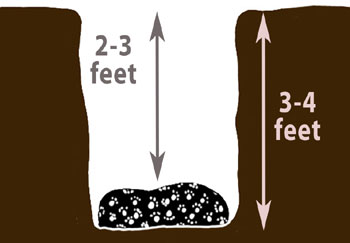
Image Source: www.dfordog.co.uk
The Importance of Proper Burial Depth
The depth of a pet’s grave is not merely a suggestion; it’s a critical aspect of responsible pet aftercare. Several factors contribute to why a specific burial depth is recommended:
- Preventing Scavenging: Wild animals, or even other domestic animals, can be attracted to freshly buried remains. A sufficiently deep grave acts as a natural barrier, deterring these animals from disturbing the site.
- Erosion Control: Over time, soil can shift and erode, especially after heavy rain or snowmelt. A deeper grave offers a greater buffer against these natural processes, helping to keep the burial site intact.
- Disease Prevention: While less common with domesticated animals like dogs, a deeper burial helps to ensure that any biological material is well-covered, minimizing any potential risk of disease transmission.
- Respect and Dignity: Providing a proper burial depth is an act of respect for your pet. It ensures their final resting place remains undisturbed and offers a sense of closure for you.
Dog Burial Guidelines: What You Need to Know
When you’re preparing to dig a pet grave, there are several important guidelines to consider beyond just the depth. These ensure you are acting responsibly and ethically.
Legal Considerations: Backyard Pet Burial Laws
Before you even pick up a shovel, it’s crucial to check your local backyard pet burial laws. These laws can vary significantly by city, county, and even homeowner’s association. Some common regulations include:
- Minimum Distance from Water Sources: Many areas require pet burials to be a specific distance away from wells, streams, rivers, or other water bodies to prevent contamination.
- Setbacks from Property Lines: There might be rules about how close a grave can be to property boundaries.
- Zoning Restrictions: In some cases, residential zoning laws might prohibit burials on private property.
- Depth Requirements: As mentioned, local laws might specify a minimum or maximum burial depth.
How to find out:
* Contact your local animal control or public health department.
* Check your municipal or county government website.
* Review your homeowner’s association (HOA) guidelines.
Ignoring these laws can lead to fines or the requirement to exhume your pet, which is an emotionally devastating prospect.
Soil Suitability for Pet Burial
The type of soil in your chosen burial spot can affect how easily you can dig and how well the grave will hold up over time.
- Sandy Soil: Easier to dig but can be prone to erosion. Deeper burial and protective measures might be needed.
- Clay Soil: More difficult to dig, especially when wet, but generally holds its shape better and is less prone to erosion.
- Loamy Soil: Often considered ideal. It’s fertile, drains well, and is generally easy to dig.
Consider the moisture content of the soil. Very dry soil can be hard to dig, while waterlogged soil can be challenging to manage and may increase the risk of the grave filling with water.
Preparing a Dog Grave: The Practical Steps
Digging a pet grave requires careful planning and execution. Here’s a step-by-step approach:
- Choose the Location: Select a spot that is well-drained, away from trees with aggressive root systems, and meets all local legal requirements. Ensure it’s a place you can visit and feel peaceful about.
- Gather Your Tools: You’ll need a sturdy shovel, possibly a pickaxe if the ground is hard, measuring tape, gloves, and potentially a wheelbarrow for moving soil.
- Measure and Mark: Use your measuring tape to mark out an area slightly larger than your dog’s body. This will give you ample space to position them.
- Start Digging: Begin by removing the top layer of sod or grass carefully. You can set this aside to place back on top later, which can help the area look more natural.
- Dig to the Recommended Depth: Aim for that 2 to 3 feet (60 to 90 cm) depth. Digging straight down is generally better than digging at an angle. As you dig, place the excavated soil to one side, keeping the layers of topsoil separate from subsoil if possible. This makes refilling easier and helps preserve the soil’s structure.
- Consider a Vault or Liner (Optional but Recommended): For enhanced protection and to further deter scavengers, you might consider placing a pet burial vault or a sturdy, impermeable liner at the bottom of the grave. These are often made of plastic or treated wood and can be purchased from pet supply stores or funeral homes.
- Positioning Your Dog: Gently place your dog in the grave. Many people choose to wrap their pet in a favorite blanket or towel. Avoid using plastic or synthetic materials, as they do not decompose. A simple, natural shroud is preferred.
- Refill the Grave: Begin refilling the grave with the excavated soil. Start by placing the subsoil first, then cover with the topsoil and sod. Gently pack down the soil to prevent excessive settling. It’s important to mound the soil slightly in the center, as it will settle over time.
- Clean Up: Remove any tools and debris from the area.
Burial Depth for Pets: A Closer Look at the 2-3 Foot Rule
The burial depth for pets, specifically dogs, is often cited as 2 to 3 feet. Let’s break down why this range is so important:
- The 2-Foot Mark: At 2 feet, you are generally below the reach of most common urban and suburban scavengers like raccoons, foxes, and stray dogs. It also provides a reasonable buffer against shallow digging by pets or other animals.
- The 3-Foot Mark: Reaching 3 feet offers an even greater level of security. This depth is considered a very safe standard, significantly reducing the risk of disturbance from wildlife and providing substantial protection against erosion.
Factors Influencing Ideal Depth
While 2-3 feet is the standard, you might consider the upper end of this range (or even slightly deeper, if feasible and permitted) based on:
- Your Location: If you live in an area with abundant wildlife known for digging, a deeper grave is more advisable.
- Soil Conditions: As discussed, sandy or loose soils might benefit from a deeper burial to prevent slippage.
- Personal Comfort: For some, digging deeper offers greater peace of mind.
What If You Can’t Dig That Deep?
If you encounter significant obstacles like rocks, tree roots, or extremely hard soil, and cannot reach the recommended depth, there are alternative pet aftercare options to consider. However, if you are committed to burial, try to get as close to the recommended depth as possible. Even a foot or more of soil is better than nothing.
Grave Marker Placement
Once the grave is filled, you’ll want to mark the spot.
Choosing a Grave Marker
Grave markers can range from simple wooden crosses to engraved granite headstones. Consider materials that will withstand outdoor conditions.
Proper Placement
- Position: Place the marker at the head of the grave.
- Stability: Ensure the marker is firmly set in the ground so it won’t tip over. If it’s a heavier stone, you might need to dig a small foundation for it.
- Erosion: As the soil settles, you may need to adjust the marker or add more soil around its base.
Alternatives to Backyard Burial
While humane pet burial in your backyard is a deeply personal and meaningful choice for many, it’s important to be aware of other pet cremation alternatives and burial services. These options can be suitable if backyard burial isn’t feasible or desired.
Pet Cremation
Cremation is a widely chosen option that offers flexibility in how you memorialize your pet.
- Individual Cremation: Your pet is cremated alone, and their ashes are returned to you in an urn or container of your choice.
- Communal Cremation: Your pet is cremated with other animals, and their ashes are typically scattered at a pet cemetery or memorial garden. This is usually a more affordable option.
Pet Cemeteries
There are dedicated pet cemeteries that offer burial plots, often with full funeral services. These can provide a permanent, well-maintained resting place.
Memorialization Options
Regardless of the final disposition, consider ways to memorialize your dog:
- Urns: Choose a special urn to hold cremated remains.
- Memorial Stones/Plaques: Place these in your garden or a special spot.
- Paw Prints: Create a plaster or clay mold of your dog’s paw.
- Donations: Contribute to animal shelters or rescue organizations in your dog’s name.
Frequently Asked Questions (FAQ)
Q1: How deep should I dig my dog’s grave?
A1: The recommended depth is typically 2 to 3 feet (60 to 90 cm) from the top of the grave to the ground surface.
Q2: Can I bury my dog in a plastic casket?
A2: While some pet caskets are available, it’s generally recommended to use natural, biodegradable materials like a favorite blanket or towel. Plastic does not decompose and can hinder natural decomposition processes. Always check local regulations regarding burial containers.
Q3: What if I can’t dig 3 feet deep?
A3: If you face significant obstacles, aim for the deepest depth possible. Even a foot or more of soil provides some protection. If you cannot achieve adequate depth, consider pet cremation alternatives or professional pet burial services.
Q4: Do I need a burial vault for my dog?
A4: A burial vault or liner is not always mandatory but is highly recommended. It provides extra protection against scavengers and helps maintain the grave’s integrity.
Q5: What are the legal requirements for backyard pet burial?
A5: Laws vary greatly by location. You must check local ordinances regarding setbacks from water sources and property lines, as well as any specific depth requirements or prohibitions. Contact your local animal control or health department for guidance.
Q6: How do I choose a good spot for my dog’s grave?
A6: Choose a well-drained area that is not prone to flooding, away from large tree roots, and in a location that offers peace and a sense of remembrance. Ensure it complies with all local laws.
Q7: What should I do with the soil I dig up?
A7: It’s best to keep the excavated soil in piles, separating topsoil from subsoil if possible. Use the topsoil to cover the grave last to help the area look more natural and to support any grass or plants. Mound the soil slightly to account for settling.
Q8: What if my dog was very large?
A8: For larger dogs, you will need to dig a proportionally larger and deeper grave. The 2-3 foot depth recommendation still applies, but the length and width of the hole will increase. Ensure you have enough space and the physical capacity to dig such a grave.
Q9: Are there services that can help with pet burial?
A9: Yes, many veterinarians and pet funeral homes offer burial services, including digging the grave, providing a vault, and even transporting your pet. This can be a helpful option if you are unable to perform the burial yourself.
Q10: What are some humane pet burial practices?
A10: Humane practices include burying your pet at the recommended depth to prevent disturbance, using natural, biodegradable materials for wrapping, and ensuring the chosen location is appropriate and legally compliant. Choosing a quiet, respectful spot is also a key part of a humane burial.
Navigating the loss of a pet is a tender time. By following these guidelines for digging a pet grave, you can provide a dignified and respectful final resting place for your cherished companion. Remember to prioritize legality, safety, and your own emotional well-being throughout the process.