
Does your furry friend have a habit of becoming a furry blanket, seemingly glued to your side? If your dog loves to lay on you, it’s a common and often heartwarming canine behavior. This closeness usually stems from a deep need for connection, security, and comfort, and it’s a powerful sign of your bond.
Dogs are social creatures, and their actions, like lying on you, are their way of communicating their feelings and needs. So, what exactly is going on when your dog decides you’re the comfiest spot in the house? It’s a multifaceted behavior driven by a blend of instinct, emotion, and learned association.
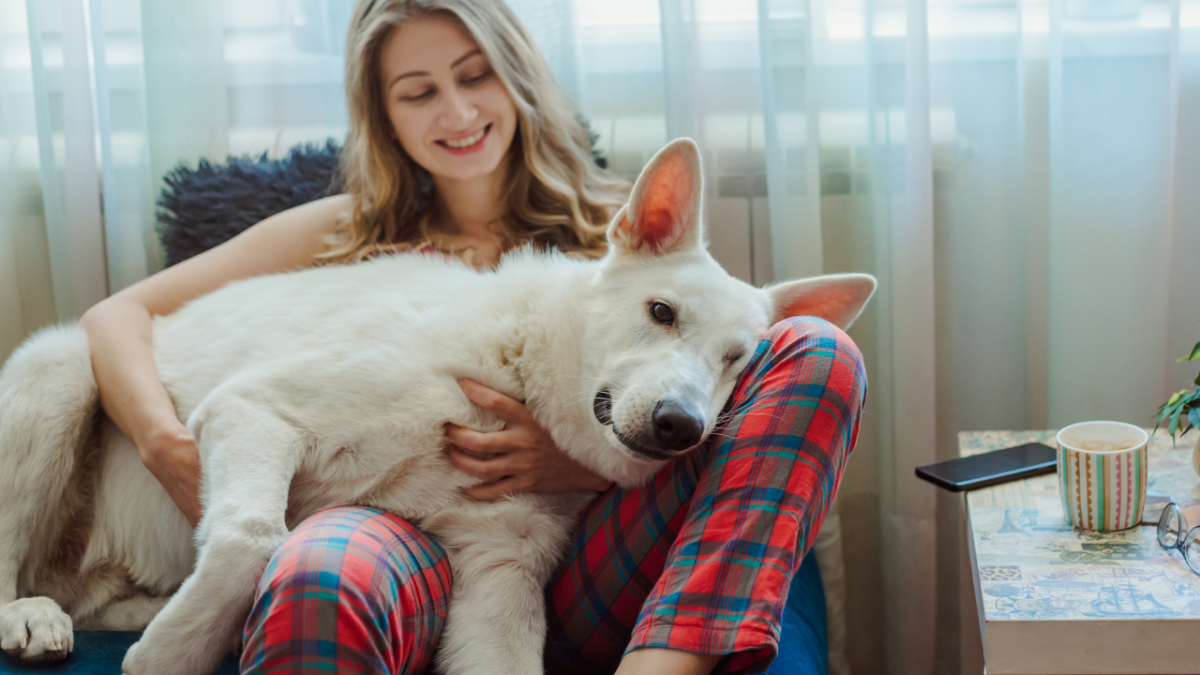
Image Source: images.saymedia-content.com
Fathoming Your Dog’s Need for Proximity
Your dog’s desire to be physically close, especially by lying on you, is a rich tapestry woven from several fundamental canine needs and instincts. It’s not just about a warm spot; it’s about a deep-seated psychological and emotional connection. Let’s explore the various reasons behind this affectionate behavior.
Dog Seeks Warmth: A Primal Instinct
One of the most basic reasons your dog might choose to lay on you is for warmth. Dogs, especially puppies and older dogs, have a higher body temperature need than humans. They are more comfortable in warmer environments. Your body heat is a natural and readily available source of comfort and security. Think of it as your dog’s personal, mobile heating pad.
- Puppies: Young puppies haven’t fully developed their own thermoregulation. They rely heavily on their mother and littermates for warmth. When separated, they will seek out warm bodies, including yours.
- Senior Dogs: As dogs age, their metabolism can slow down, and they may feel the cold more acutely. Lying on you provides them with essential warmth and can soothe achy joints.
- Breed Tendencies: While not exclusive, some breeds, particularly those with thinner coats or from warmer climates, may be more inclined to seek external warmth.
This seeking of warmth isn’t just about physical comfort; it often ties into a feeling of safety. A warm body is a reassuring presence, especially in cooler environments or during times of stress.
Dog Seeking Comfort: A Haven of Security
Beyond just physical warmth, dogs seek comfort in many forms, and your presence is a primary source of this. When your dog lies on you, they are often finding a spot where they feel completely at ease and safe. This can be due to a variety of factors:
- Familiar Scent: Your scent is incredibly comforting to your dog. It signifies safety and belonging. Being in close physical contact allows them to be enveloped in your familiar aroma, reducing any feelings of anxiety.
- Softness and Support: Your body, whether you’re sitting or lying down, often provides a soft and supportive surface. This can be more appealing than a hard floor or even some dog beds, especially if your dog has any physical discomfort.
- Routine and Association: If lying on you has consistently led to positive experiences – like gentle petting, calm moments, or a sense of peace – your dog will associate your body with those feelings of comfort and actively seek them out.
The feeling of being supported and embraced by you can significantly contribute to your dog’s overall sense of well-being.
Dog Expressing Affection: The Ultimate Compliment
This is perhaps the most heartwarming reason. When your dog lays on you, they are often expressing profound affection and trust. This is a dog’s way of saying, “I love you, and I want to be as close to you as possible.”
- Physical Closeness: For many animals, including dogs, physical touch is a primary way to display and strengthen social bonds. Lying on you is a very intimate form of contact.
- Bonding Behavior: This close contact is a significant part of dog bonding behavior. It reinforces the connection between you, creating a stronger relationship built on mutual trust and love.
- Seeking Social Interaction: Dogs are pack animals by nature. Even as domesticated pets, they see their human family as their pack. Lying on you is a way to be part of the “pack” and engage in social closeness.
Think of it as a furry hug. Your dog is choosing to share your personal space because they feel a strong emotional connection and want to express their devotion.
Dog Feeling Secure: Anchored by Your Presence
A dog’s sense of security is paramount to their emotional health. Your presence, and specifically your physical proximity, can be a powerful anchor that makes them feel safe and grounded.
- Feeling Safe and Protected: When your dog lays on you, they are essentially placing themselves under your protection. This is particularly true in situations where they might feel vulnerable or uncertain.
- Reducing Anxiety: If your dog experiences any form of anxiety – perhaps due to loud noises, being alone, or unfamiliar environments – lying on you can be a significant source of reassurance. Your steady breathing, heartbeat, and calming presence can alleviate their stress.
- Predictability: Your physical presence offers a predictable and constant source of comfort, which is crucial for a dog that might be feeling anxious or overwhelmed.
This need for security is deeply ingrained, and your body becomes a reliable symbol of that safety.
Dog Seeking Attention: The Power of Physical Contact
While often driven by deeper emotions, sometimes your dog might simply be seeking your attention. Lying on you is a very effective way to get noticed, especially if they see you’re preoccupied with something else.
- Getting Noticed: A paw on your lap or a head resting on your leg can easily grab your attention. When they then escalate to lying on you, it’s a more pronounced way to say, “Hey, look at me!”
- Interaction Cue: It can be a subtle (or not-so-subtle) cue that they want to play, go for a walk, or simply be petted. They’ve learned that this proximity often leads to interaction.
- Reinforcing Social Status: In a pack structure, proximity is important. Lying on you reinforces their position within the family unit and their access to social resources like attention and affection.
If your dog consistently lies on you when you’re doing something else, it’s a good indicator they want some direct interaction with you.
Dog Bonding Behavior: Deepening the Connection
As mentioned earlier, this behavior is a cornerstone of dog bonding behavior. It’s not just about one instance; it’s a continuous process that strengthens the human-animal relationship over time.
- ** Shared Experiences:** Lying together, whether watching TV or relaxing, creates shared experiences. These moments of quiet companionship contribute to a deeper bond.
- ** Mutual Trust:** Allowing a dog to lay on you, especially in a vulnerable position like sleeping, requires a significant amount of trust from both sides. Your dog trusts you not to harm them, and you trust them to respect your space when needed.
- ** Attachment:** This physical closeness fosters a strong attachment. Your dog learns that you are a reliable source of comfort, security, and affection, and vice versa.
The more your dog seeks this proximity and you reciprocate positively, the stronger your bond becomes.
Dog Wanting to Protect: A Natural Instinct
While it might seem counterintuitive for a dog to lay on you to protect you, it’s about their instinctual need to be near and aware of their “pack.”
- Proximity for Vigilance: By lying on you, your dog remains physically close and can easily sense any changes in your environment. They are in a prime position to react if they perceive a threat.
- ** Claiming Territory (You):** In a subtle way, your dog might be asserting their claim over you as part of their territory. By being on top of you, they are in a dominant physical position within that territory.
- ** Alertness:** Being on you means they are always in a position to hear or feel unusual sounds or movements and alert you immediately.
This protective instinct is a primal drive, and physical closeness facilitates their ability to fulfill it.
Dog Feeling Anxious: Seeking a Safe Zone
Anxiety is a significant driver for many canine behaviors, and seeking comfort through physical closeness is a common coping mechanism.
- External Stressors: Loud noises (thunderstorms, fireworks), new people or animals, changes in routine, or even separation anxiety can trigger stress in dogs. Lying on you provides a direct outlet for their need for solace.
- ** Overstimulation:** Sometimes, the world can be overwhelming for a dog. Your body acts as a buffer, shielding them from some of the external stimuli and providing a sense of calm.
- ** Comfort During Illness or Pain:** If your dog is feeling unwell or experiencing pain, they may seek the comfort and security of lying on you more than usual.
It’s a way for them to feel grounded and secure when their internal or external world feels unstable.
Dog Needing Reassurance: A Physical Anchor
Similar to seeking comfort and security, dogs often need reassurance, and touch is a powerful way to provide it.
- After a Scare: If something has frightened your dog, they will likely seek you out for reassurance. Lying on you is a way to feel your steady presence and calm their nerves.
- ** During Training or New Experiences:** While learning new things, dogs can sometimes feel uncertain. Lying on you briefly can offer them the confidence boost they need before they try again.
- ** Gentle Affection:** When you pet or cuddle your dog while they are lying on you, you are providing direct reassurance. They feel loved, safe, and confident in your care.
Your physical presence and the resulting petting and reassurance can help them navigate challenging situations.
Dog Territorial Behavior: Marking Their Favorite Human
While often associated with guarding physical space, territorial behavior in dogs can also extend to their most cherished possessions – their humans.
- ** Possessiveness:** Dogs can be possessive of their owners, and lying on you can be a way of marking you as theirs. It’s a gentle way of saying, “This human belongs to me.”
- ** Assertion of Pack Leadership (Subtle):** In some instances, a dog lying on their owner might be a subtle assertion of dominance or a claim to a leadership role within the pack, especially if they are a more confident or assertive breed.
- ** Comfort in Familiar Territory:** Your body is a familiar and safe “territory” for your dog. Being on you reinforces their comfort within their known and secure environment.
This isn’t about aggression, but rather a deep-seated drive to maintain their social structure and protect their resources, which includes you.
Why Does My Dog Lay On Me When I Sleep?
Your dog’s decision to share your sleeping space, often by laying on you, is usually a combination of security, comfort, and affection.
- Security and Vigilance: While you sleep, your dog may feel a heightened sense of responsibility to protect you. Lying on you allows them to remain physically close and alert to any unusual sounds or movements during the night.
- ** Warmth and Comfort:** As discussed, your body provides a consistent source of warmth, which is especially appealing during the night when temperatures can drop.
- ** Attachment and Bonding: For many dogs, sleeping near or on their owner is the ultimate expression of their attachment and the deepening of their dog bonding behavior**. They feel safest and most content when in close proximity.
- ** Fear of Separation:** Some dogs suffer from separation anxiety, and lying on you while you sleep helps alleviate this fear. They feel reassured by your constant presence.
Essentially, your sleeping form represents the epitome of safety and comfort for your dog, making it an irresistible resting spot.
Deciphering Different Positions: What Does It Mean?
The way your dog lies on you can also offer further clues into their feelings and intentions.
Lying on Your Legs
- Seeking Connection: This is a common position that allows for physical contact without fully restricting your movement. It’s a way for your dog to stay close and feel your presence.
- ** Grounding:** Having their weight on your legs can provide a sense of grounding and stability for your dog, especially if they are feeling a bit anxious.
- ** Gentle Attention Seeking:** It’s a subtle way to ask for pets or acknowledgment without being overly demanding.
Lying Across Your Chest or Lap
- Maximum Security: This position offers your dog the most direct contact with your heartbeat and breathing, which can be incredibly soothing and reassuring.
- ** Expressing Deep Affection:** It’s a very intimate position, signifying a high level of trust and affection. Your dog feels completely safe and connected to you.
- ** Territorial Assertion:** This can be a more pronounced way of marking you as theirs.
Lying Alongside You (Head/Body Touching)
- Companionable Presence: This is a relaxed way of being close, sharing space without necessarily needing full physical contact. It’s about companionship.
- ** Alertness:** It allows them to be near you while still having a good view of their surroundings, so they can remain vigilant if needed.
Lying Directly On Top of You
- Seeking Maximum Warmth: This is likely for dogs that are particularly sensitive to cold or are seeking an intense sense of comfort.
- ** Dominance/Protection (Less Common):** While not aggressive, this position can sometimes be a subtle assertion of dominance or a strong desire to protect you by being physically in your most vulnerable space.
When to Seek Professional Advice
While most instances of your dog laying on you are perfectly normal and healthy, there are a few situations where you might want to consult a professional.
Signs of Concern:
- Sudden Change in Behavior: If your dog has never been a “lap dog” and suddenly starts constantly lying on you, and this is accompanied by other behavioral changes (e.g., hiding, loss of appetite, excessive panting), it could indicate underlying anxiety or discomfort.
- Excessive Clinginess: While affection is good, if your dog shows extreme distress when you are not in direct physical contact (e.g., panic attacks when you leave the room), it might be a sign of severe separation anxiety.
- Aggression When Moved: If your dog becomes aggressive (growls, snaps) when you try to move them from your lap or body, this could indicate resource guarding or anxiety that needs professional intervention.
- Physical Discomfort: If your dog seems to be lying on you more for support or seems to struggle to get up, it’s worth discussing with your veterinarian to rule out any joint pain or mobility issues.
Who to Consult:
- Veterinarian: Always the first point of contact for any physical symptoms or sudden behavioral changes that might have a medical cause.
- Certified Professional Dog Trainer (CPDT-KA/SA): For behavioral issues like anxiety, excessive clinginess, or territorial behaviors, a qualified trainer can provide tailored strategies.
- Veterinary Behaviorist (DACVB): For more complex or severe behavioral problems, a veterinary behaviorist can offer specialized diagnosis and treatment plans, often including medication if necessary.
Frequently Asked Questions (FAQ)
Q1: Is it normal for my dog to lay on me all the time?
A1: Yes, it is very normal for many dogs to enjoy laying on their owners. It’s a common way they express affection, seek comfort, and feel secure.
Q2: My dog always wants to be on my lap. What does this mean?
A2: Lying on your lap is a strong indicator of affection, a desire for closeness, and a need for reassurance. Your dog feels safe and comfortable with you and enjoys the physical contact.
Q3: Can my dog be jealous if they lay on me when other people are around?
A3: While dogs can experience jealousy-like emotions, a dog laying on you when others are present is more likely related to seeking your attention, feeling secure in your presence, or territorial behavior (claiming you as their own).
Q4: My dog lays on me when I’m working. Are they trying to get me to stop?
A4: It’s possible they are seeking attention and want you to engage with them. They may also be seeking the comfort and security of your presence, even if you are occupied.
Q5: My puppy lays on me constantly. Is this normal for a puppy?
A5: Yes, puppies often crave closeness for warmth, security, and to bond with their new family. Lying on you is a very common puppy behavior.
Q6: Does it matter if my dog is large or small when they lay on me?
A6: The reasons are the same regardless of size. A large dog laying on you might be more noticeable, but their motivations—warmth, comfort, affection, security—are identical to a small dog’s.
Q7: My dog lays on me when I’m sad. Why?
A7: Dogs are highly attuned to human emotions. When you are sad, your dog may sense your distress and lie on you to offer comfort, reassurance, and a sense of security, just as they would seek it from you when they are upset.
Q8: Should I let my dog lay on me all the time?
A8: Generally, yes, if it’s what your dog enjoys and you are comfortable with it. It’s a positive interaction that strengthens your bond. However, ensure you can still have your own space and encourage independent play and rest for your dog as well.
By paying attention to these cues and behaviors, you can gain a deeper appreciation for the complex emotional world of your canine companion and the profound ways they communicate their love and trust.